







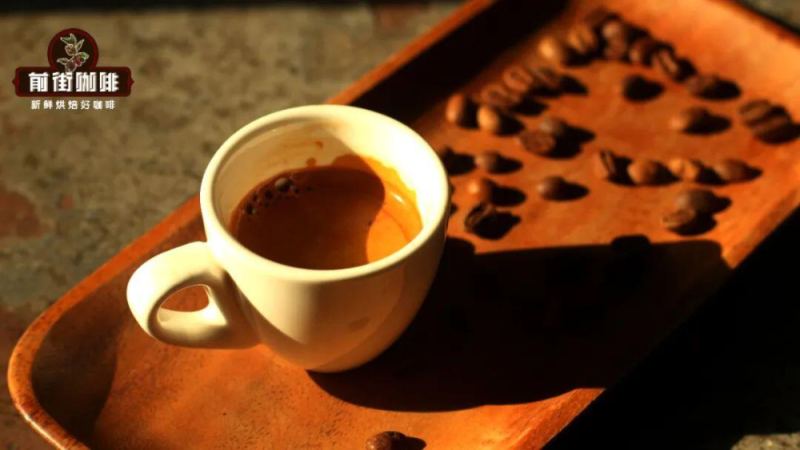
Nowadays, to create their own brand characteristics, many coffee shops offer personalized SOE coffee beans for customers to choose from. When we confirm that we want to switch the coffee from a blend to SOE, there is always an extra charge of a few yuan—why is that?
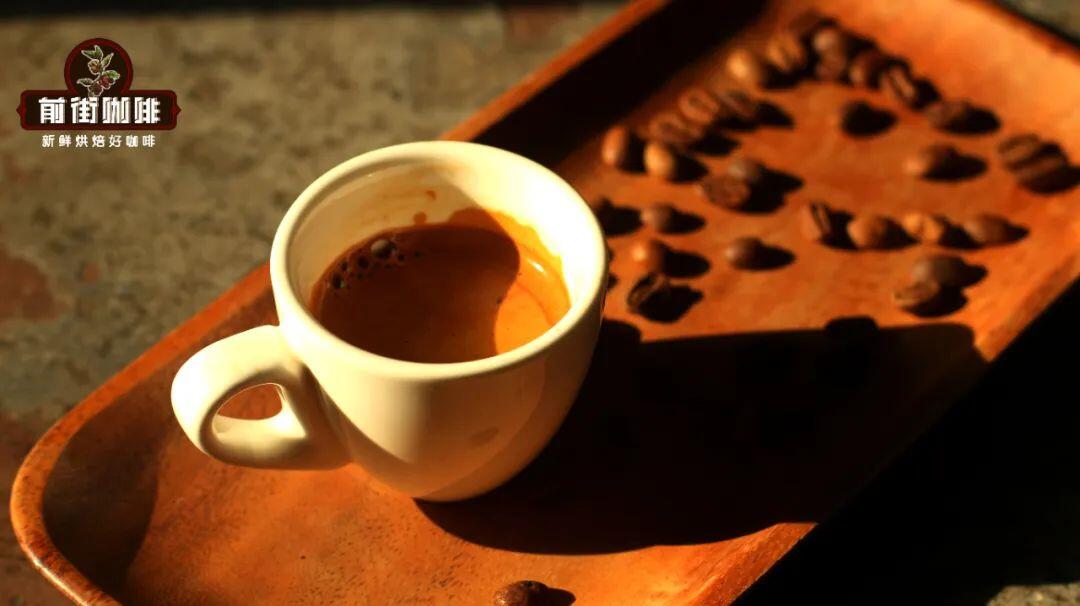
SOE is short for "Single Original Espresso," which literally means single-origin espresso. Obviously, it is meant to be distinguished from House Blend Espresso.
In the early days when espresso first became popular, coffee shops around the world all used single-origin beans, such as Mocha coffee and Brazil coffee. Since this was taken for granted, people did not emphasize or explain it much. As coffee consumption demand continued to increase, coffee beans from major producing regions tended to vary greatly, and yield, quality, and flavor could all become unstable. To avoid the risks these factors brought to extraction, some merchants began blending coffee beans from different origins so they could compensate for one another.
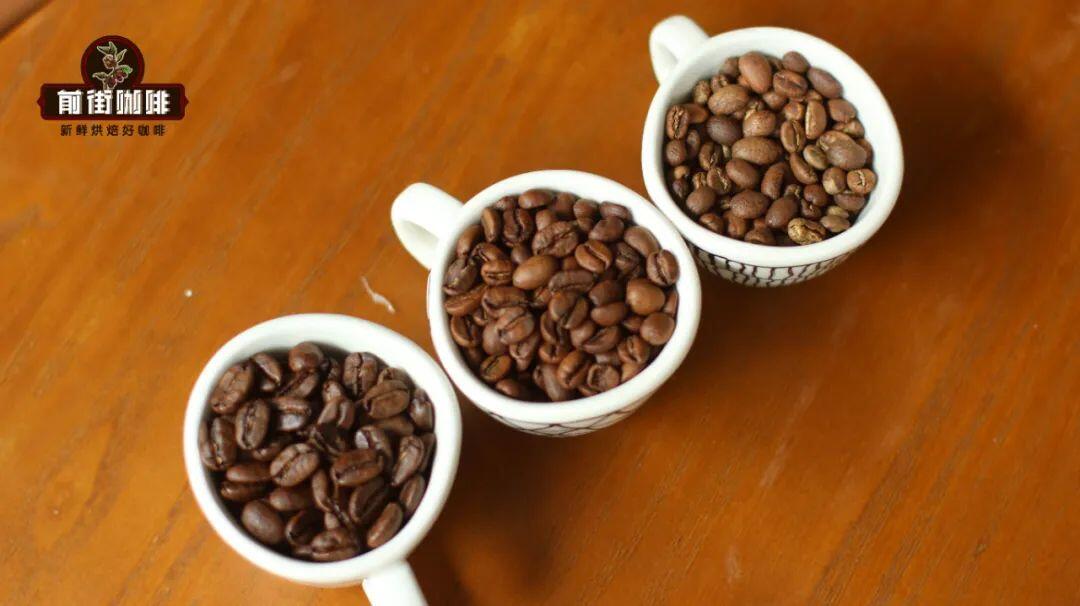
At the same time, producers also used dark roasting to eliminate those less pleasant mouthfeels and acidity. Dark roasting could also mask defects, stabilize the coffee's flavor, and extract rich crema. In this way, even if the batch quality from a certain origin was lower, or a growing region had a crop failure the next year that led to reduced output, the blend recipe could still be adjusted to "save" it.
Therefore, before the wave of specialty coffee arrived, the raw materials used to make espresso were generally blends of coffee beans from two or more origins, with little attention paid to coffee origin and batch. As for the flavor, because of the "pitch-black" dark roast, it was basically fixed into rich, full-bodied notes such as caramel, dark chocolate, nuts, cream, and cocoa.
By the 1980s, the industry had improved the quality of coffee beans from many origins through a series of scientific methods, and people began to emphasize the concept of "specialty coffee." Roasters also realized that coffee beans from each origin had their own characteristics, so they consciously kept lightening the roast level of some beans to highlight their regional characteristics, while also "unearthing" more floral and fruity flavors.
At first, single-origin coffee beans were only used in drip or immersion brewing methods such as pour-over, siphon, and French press. It was not until 2007 that, in order to shine in competition, WBC World Barista Championship contestant James Hoffmann made single-origin beans into espresso and won the championship that year. In this way, SOE gradually became popular along with the wave of specialty coffee.
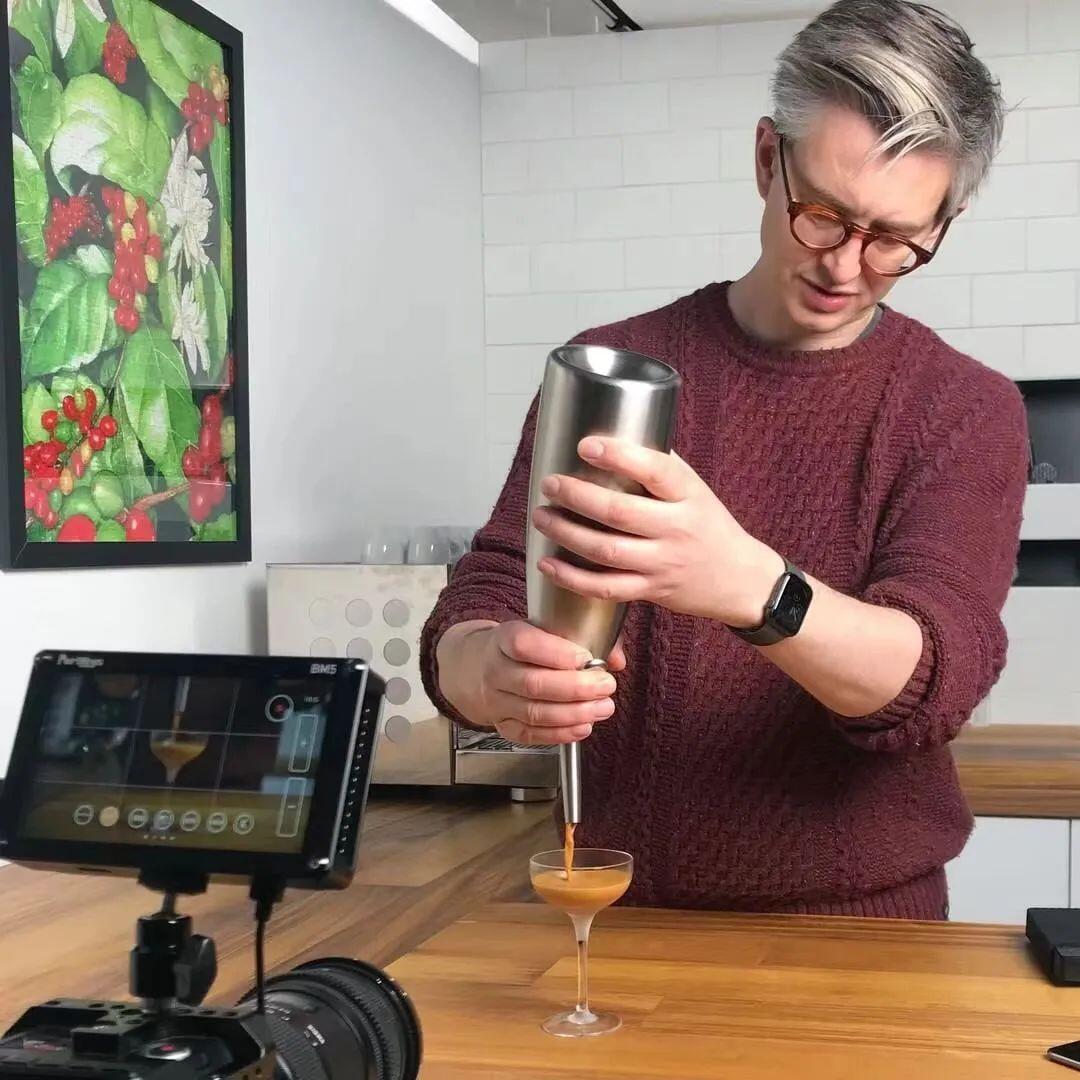
It is not hard to see that SOE, which advocates single origin, often uses fruitier, more acidic beans with a lighter roast level. The goal is to present rich yet light aromatic and mouthfeel characteristics different from traditional bitter coffee, such as the citrus-lemon notes of Ethiopian beans, the raisin honey sweetness of Costa Rican beans, and the tomato-berry character of Kenyan beans. The higher distinctiveness makes it easier for consumers to remember the characteristics of SOE, but from a cost perspective, higher-quality single-origin beans are naturally more expensive, so charging extra is only reasonable.
Front Street Coffee believes that the original intention of SOE is to highlight the beans' own strengths and show the "individuality" of espresso. Compared with blended coffee beans, there is no distinction of better or worse. The key lies in whether the user wants to express a rich, balanced, and affordable cocoa-toned coffee, or a floral-fruity coffee with higher demands for refined flavor.
Today, SOE has undoubtedly become mainstream, and many coffee shops are closely following the trendy direction, introducing single-origin beans with more detailed traceability information into the espresso category, hoping to create something delicious that catches people's eyes. But among them, some single-origin espressos inevitably fail to live up to expectations. Although they are marketed under the banner of "SOE," they fail to bring out the unique qualities of the coffee's flavor.
As Front Street Coffee mentioned above, SOE uses highly recognizable coffee flavor as its main selling point, so whether a cup of SOE coffee tastes good depends not only on the prerequisite of high-quality coffee beans, but also greatly tests the "interpretive" ability of the roaster and barista.
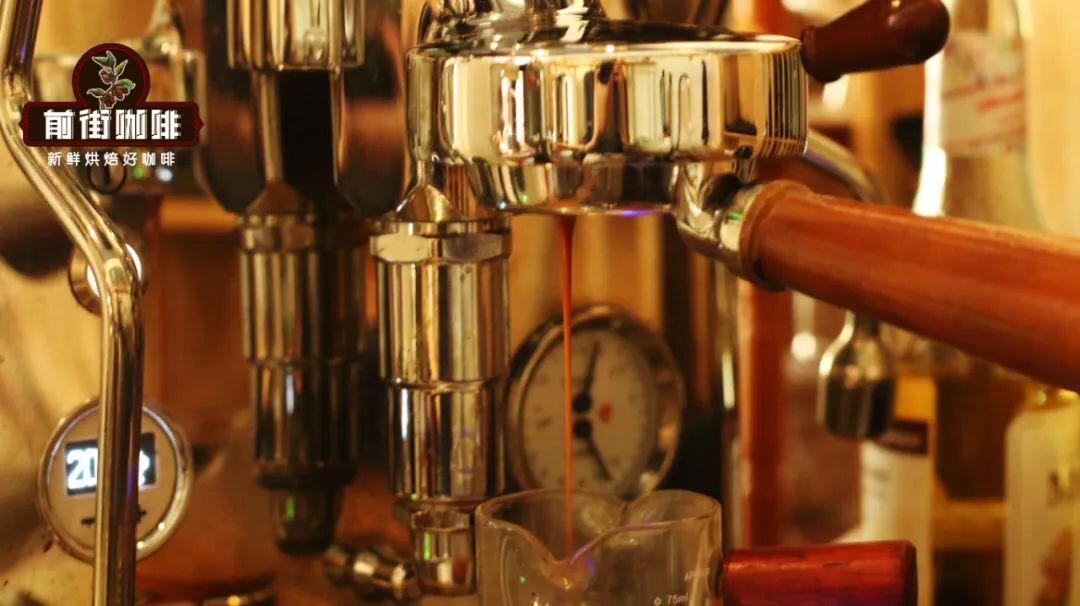
If the coffee beans used to make SOE are roasted too dark, the resulting espresso can easily taste bitter, and the aromatic substances cannot be expressed. If the roast level is too light, first, it is difficult for the rich, full-bodied substances to show themselves, and second, the demands on extraction are higher. Once parameters such as grind size, temperature, and ratio are not well controlled, the espresso can easily become sour, astringent, or bland, and when made into americano or latte, it will have even less "coffee flavor."
Therefore, if roasting and extraction are not handled properly, then no matter how high-quality and expensive the beans selected are, and no matter how much its "single-origin" nature is emphasized, it is not very meaningful.
The above content is compiled by CoffeeHunters, a coffee news website.

