







What Do Espresso Crema and the Qualities of Coffee Really Show?
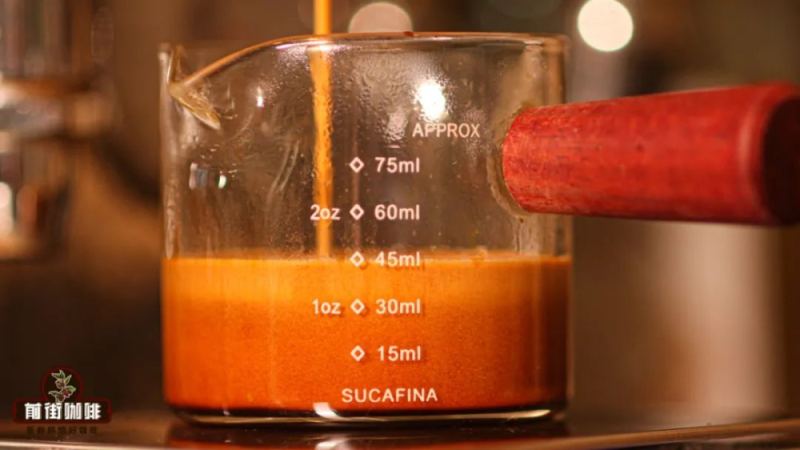
Crema is not a reliable scorecard for espresso flavor. The layer forms when roughly 9 bar of pressure forces carbon dioxide released by hot water into the coffee's liquid oils, which then flow through the portafilter basket. Its condition reflects bean freshness, roast level, and grinding and extraction settings rather than the qualities of coffee on their own.
Because crema is foam, it gradually breaks down over time. Once it disappears, the reflective surface left behind is the actual oil from the coffee bean mixture itself. A thick, rough layer or a thin, missing one usually points to variables such as resting time, grind adjustment, or bean age, so judging a shot by appearance alone can mislead both latte art and tasting.
That layer of crema on the surface of espresso, sometimes rich and enticing, sometimes thin and bland, is often thought to directly reflect the quality of the coffee's flavor. But is that really true? This layer of foam, called Crema, is actually formed by carbon dioxide enveloping coffee oils, and its condition is closely related to bean freshness, roast level, and grinding and extraction. This article will guide you through the characteristics of high-quality Crema, analyze the reasons behind overly thick and rough oils or thin and missing ones, and share how to achieve ideal espresso crema through bean selection, resting, and grinding adjustments. At the same time, Front Street Coffee will also provide practical advice to help you achieve more consistent performance in both latte art and tasting.
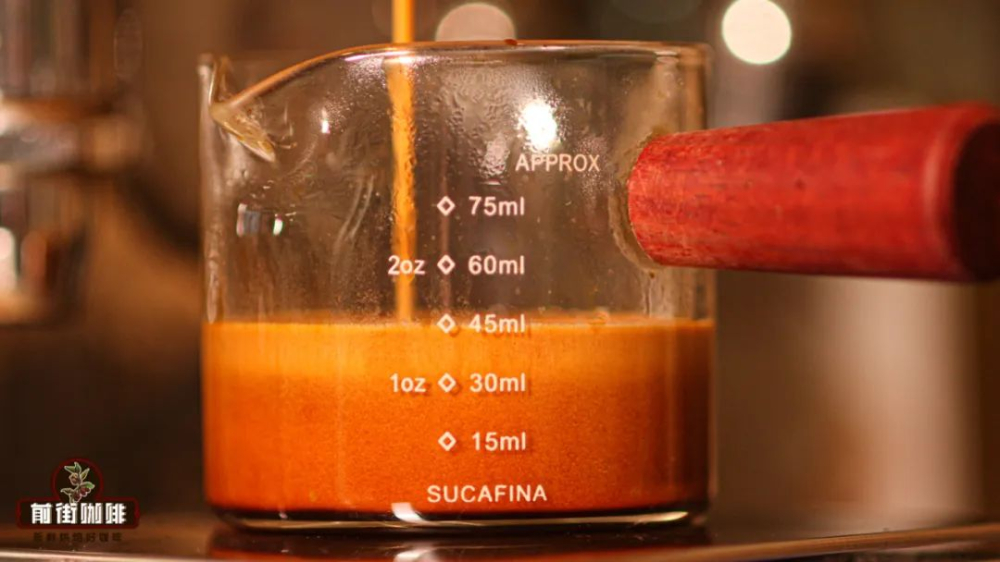
Sometimes it is rich and dense, sometimes as thin as paper; sometimes so smooth that you cannot resist tasting it immediately, and sometimes so rough that it kills all your interest. In many cases, if a shot of espresso's crema does not look appealing, it often does not taste satisfying either. Hence the saying that "you can tell whether an espresso is good by looking at its crema." But is that really true?
The state of the crema
In fact, just like the bed of grounds in pour-over coffee, the appearance of crema on the surface of espresso alone cannot directly determine whether it tastes good or bad. To understand why, it helps to first look at the structure of this layer of crema.
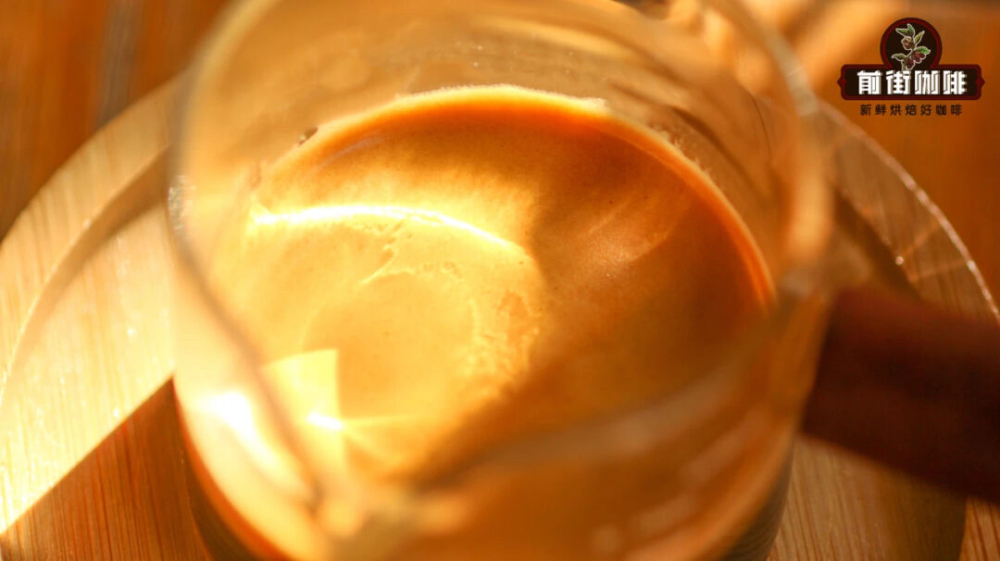
Everyone knows that the term "oil" is actually not rigorous; its real name is Crema, which carries the meaning of bubbles. More precisely, it is foam formed after carbon dioxide is filled into the liquid oils of the coffee beans themselves. Foam mostly dissipates gradually over time, and this layer of crema is no exception. Therefore, it will slowly break down over time. After the Crema completely disappears, the reflective substance on the surface of the espresso is the oil in the true sense, that is, the liquid oils from the coffee beans themselves.
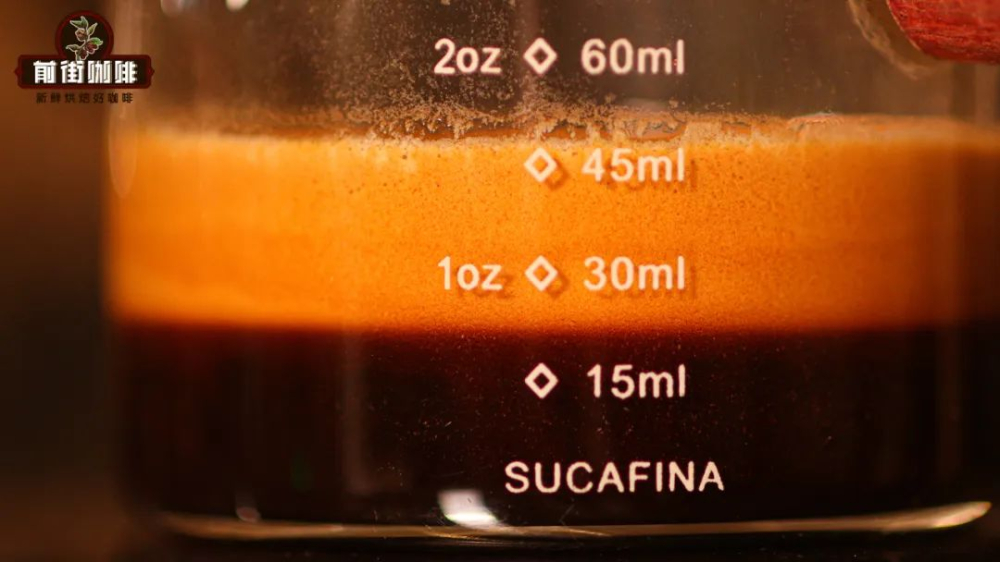
Its formation principle is not complicated: when extracting espresso, the pressure of about 9 bar provided by the espresso machine forces the carbon dioxide released by the hot water into the oils, and then this mixture flows out through the holes in the portafilter basket and blends into the coffee liquid, forming the golden Crema we see.
What is high-quality crema?
In fact, this layer of crema also has good and bad qualities. In most people's understanding, a high-quality crema should be rich and fine, with a standard golden color and relatively high fluidity, viscous and smooth like cream when gently swirled. Such crema not only stimulates the appetite but also lays a good foundation for latte art, making it easier for baristas to create beautiful patterns. Therefore, it is naturally called high-quality espresso crema.
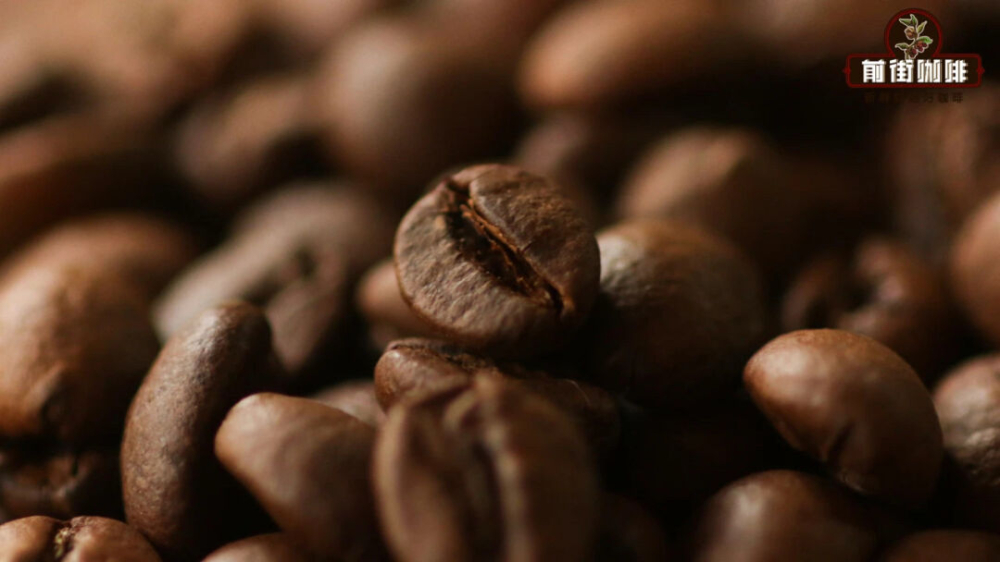
To obtain such a high-quality crema, the choice of coffee beans is crucial. The amount of carbon dioxide and oils contained in the beans directly determines the thickness of the espresso crema. Therefore, medium-dark roasted beans within their peak flavor period (within two months from the roast date) become the first choice.
Because medium-dark roasted beans are roasted for a longer time, they contain more oils and carbon dioxide than light roasted beans; and being within the peak flavor period ensures that the carbon dioxide has not largely escaped due to sitting for too long. Of course, if you do not mind Robusta beans, adding a small amount of Robusta to a blend can also produce a richer crema.
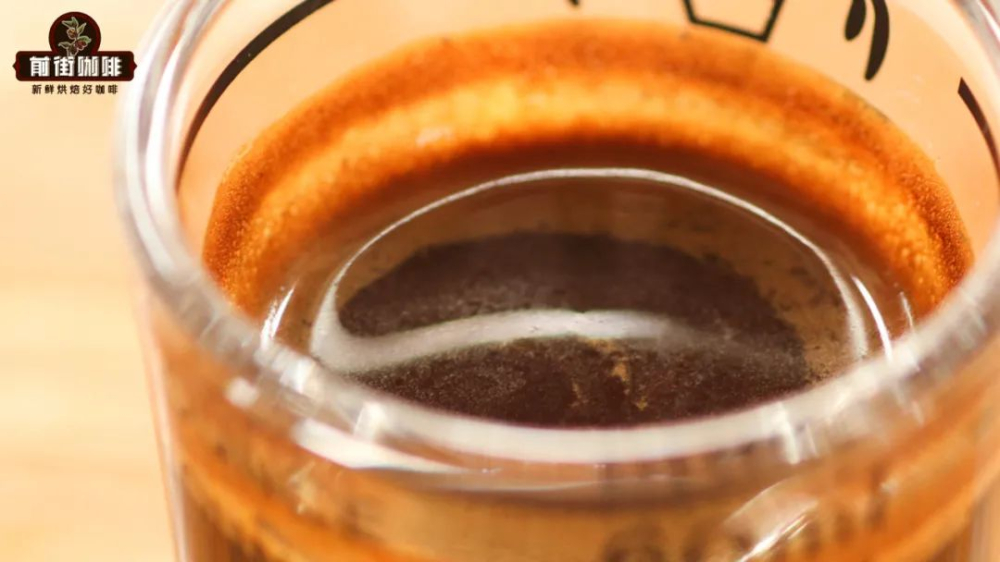
The above is only the bean selection stage. After choosing the beans, reasonable grinding and stable, suitable extraction are still needed to obtain high-quality espresso crema. The more stable the condition of the beans, the more stable the crema's performance will be.
As mentioned at the beginning, the crema extracted is often not necessarily satisfying, and it can become unstable due to changes in various factors. So today Front Street Coffee will talk about what problems these unsatisfactory cremas are actually telling us.
Crema too thick, rough, and clumpy
I believe everyone has occasionally extracted crema like this: it looks very full and thick, but dissipates extremely quickly. Not only that, it is also very rough and has extremely poor fluidity. Baristas using it for latte art will complain: "It won't move! It absolutely won't move!!"
The cause of this type of crema is simple: the coffee beans are too fresh, just roasted not long ago, and the carbon dioxide inside them is very abundant. As the saying goes, youth brings vigor. When the vigorous carbon dioxide is forced out, the oils in the coffee beans cannot completely wrap it, so these "irritable" gases break through the oil layer, creating the phenomenon of first degassing and then clumping.
And overly abundant carbon dioxide will hinder the hot water from extracting the flavor substances in the coffee. Therefore, Front Street Coffee recommends it is best to let this fresh coffee rest for a few days before extraction. This way, not only will the crema be more stable, but it will also be easier to extract a delicious espresso.
Espresso too thin, or even no crema (medium-dark roasted beans)
From this subheading, it is clear that this situation is completely opposite to the above. There are mainly two reasons for this situation.
The first is the coffee bean freshness issue we just mentioned.
When coffee beans are too fresh, the carbon dioxide content is very high, but as time passes, the gas slowly dissipates, and extraction gradually becomes more stable. However, if too much time passes and the beans go beyond the optimal flavor period (more than two months from the roast date), the remaining carbon dioxide in the beans is almost gone. Without carbon dioxide, the crema naturally cannot be thick.
In this case, because there is no obstruction from carbon dioxide, extraction efficiency increases greatly, and it is easy to extract off-flavors if you are not careful. Therefore, Front Street Coffee recommends buying coffee beans in small amounts more often when possible, so that the peak flavor period can be controlled within the time range in which you can finish drinking them; or use sealed storage to delay the coffee beans' optimal flavor period.
Now for the second situation: grinding issues!
Espresso machines have very strict requirements for coffee grounds. If the grind size does not reach what it requires, not only will you fail to extract crema, but because the particles are too coarse, they will also fail to effectively block the water flow, causing the flow rate to be too fast and making it impossible to extract the flavor you want. So the appropriate particle size is very important, whether you are pursuing crema or flavor.
- END -
Front Street Coffee
No. 10 Bao'an Qian Street, Yandun Road, Dongshankou, Yuexiu District, Guangzhou, Guangdong Province
The above content is compiled by CoffeeHunters, a coffee news website.


