







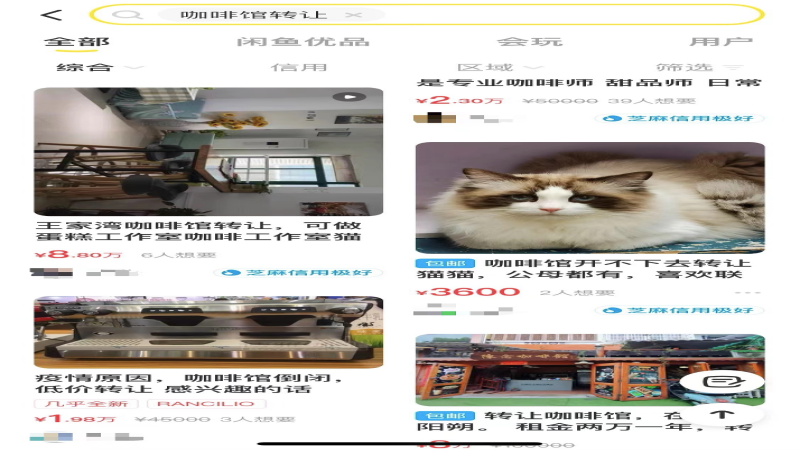
What are coffee shops for young entrepreneurs who quit to open one?
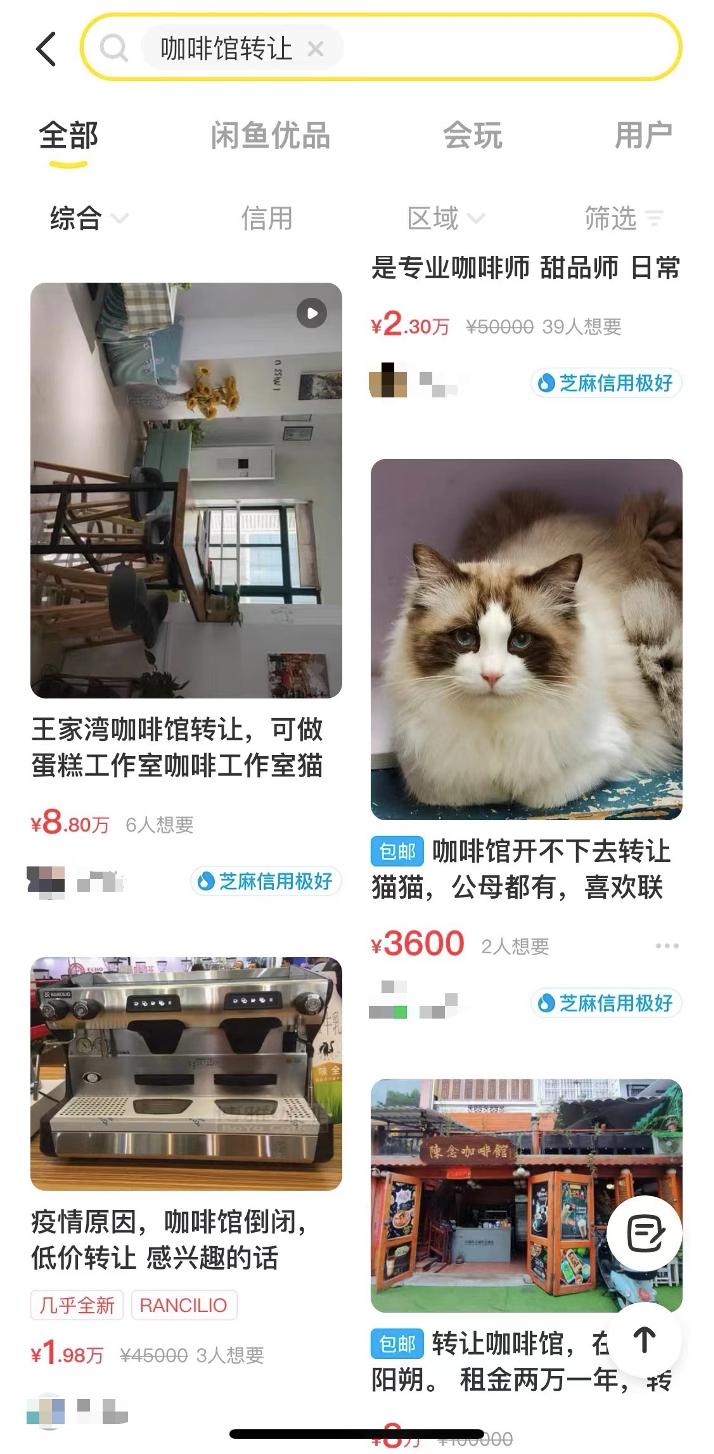
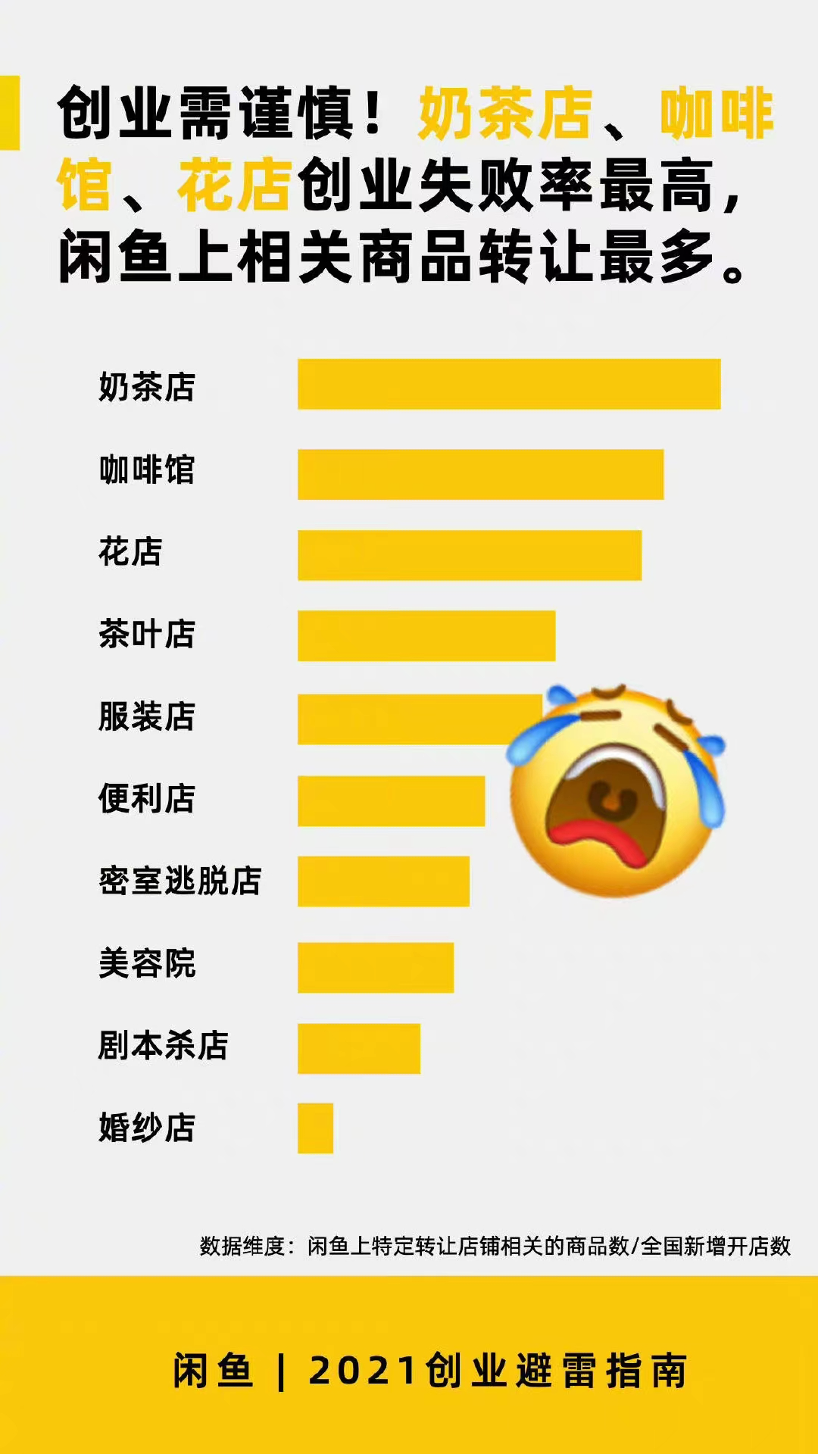
For many young professionals, coffee shops represent an escape from long hours and performance reviews rather than a business plan. A 2021 startup avoidance guide published by the secondhand platform Xianyu ranked cafes and milk tea shops at the top of its failure list, measured by how much equipment and furniture owners resell after closing.
One case described in the article involves a founder who was 23, signed a lease and shut the shop within half a year. The recurring problems are thin funding reserves, weak location strategy and promotion that relies on sentiment instead of repeat customers. The environment coffee shops create is pleasant, but leases, wages and equipment costs keep running regardless of how busy the room looks.
Contemporary professionals in high-pressure work environments are increasingly entertaining the idea of quitting their jobs to start a business, hoping to realize their vision of "poetry and distant lands" by opening a milk tea shop, café, or flower shop. Yet reality often defies expectations—a 2021 startup avoidance guide published by Xianyu shows that such artsy entrepreneurial projects have persistently high failure rates, and the volume of related secondhand goods being resold is also the most striking. This article examines the struggles behind café entrepreneurship through real cases: some people dive in at just 23 years old, going from signing a lease to closing the shop in merely half a year. What factors caused these passionate entrepreneurs to fail? How should funding reserves, location strategy, and promotional methods be weighed? Let us explore the sober reflections beneath the wave of coffee entrepreneurship.
In the fast-paced urban life of contemporary young people, the pursuit of concepts like "slow living," "artistic flair," and "rustic style" is heating up. Many professionals, drained nearly to the bone by "996" and "007" work schedules, choose to quit their jobs outright, escaping the wearying workplace PUA and KPI assessments, and with hearts full of dreams, they open one small shop after another carrying the dream of "poetry and distant lands."
The "poetry and distant lands" these young people yearn for mostly point to businesses like milk tea shops, cafés, and flower shops. Office workers who have toiled in the workplace for years, holding the mindset of "opening a shop not for profit," take their savings of hundreds of thousands and pour it all into equipment purchases and shop renovations. After barely surviving for over a year, they thought dawn was near, but in the end, as the *Pipa Ji* says, "I turned my heart toward the bright moon, yet the bright moon shines on the gutter"—they can only helplessly list these treasured items on secondhand platforms for resale.
Xianyu, as a mainstream secondhand trading platform, once published a 2021 startup avoidance guide. According to its published rankings, entrepreneurial projects like milk tea shops and cafés—regarded by young people as "poetry and distant lands"—top the failure rate list, and the volume of related goods being resold is also the largest.
So-called "sentiment" often crumbles at the first touch of reality. Sentiment may be spiritual nourishment, but it cannot fill the stomach or ward off the cold. Wanting to escape reality and rush toward an ideal realm, one will ultimately be shattered by cruel reality.
Coffee Workshop reported on two cafés last November, one of which was run by a young person just 23 years old. Most 23-year-olds have just left campus and are taking their first steps into society, but this young person, at this prime age, quit a job at a self-media company and set out alone on the entrepreneurial path, opening a café.
Signed the lease in May, renovated in June, soft-opened in July, and by November was posting a 30-day countdown to closing on Xiaohongshu. Today, searching for this café on Xiaohongshu yields no trace of it.
Of course, many newly opened cafés have weathered round after round of pandemic restriction policies and are doing quite well. Some have ample financial backing; others have thought things through thoroughly, invested heavily in location, promotion, and other aspects, and are adept at leveraging online platforms to drive traffic to their cafés.
People may think that with more and more cafés opening, countless check-ins on online platforms, and a steady stream of people "crossing over" to open cafés, coffee seems like a good business with low barriers and high profits. Yet people avoid talking about the phenomenon of poor management and closures. The initial passion—starting a business for interest, interest turning into work, working, zoning out, self-moved day after day, repeating this cycle—eventually the passion fades, and both ideals and money are lost.
Investment carries risks; entrepreneurship requires caution. If you want to experience peace and quiet, why not take a trip. If you want "a few close friends gathered, chatting over light tea," better to carve out a coffee corner at home.
Image source: Internet
For more coffee bean information, please follow Coffee Workshop (WeChat public account: cafe_style) For professional coffee knowledge exchange, please add WeChat ID: kaixinguoguo0925
The above content is compiled by CoffeeHunters, a coffee news website.


