







Search Results for: Pour-Over Notes

Recommendations for light-medium roast beans with floral and fruity notes | What are the differences between Ethiopian, Kenyan, and Panamanian floral and fruity notes? Are floral and fruity coffee beans better for pour-over or espresso?
Generally speaking, lightly roasted coffee can retain more acidity in its flavor profile. If the beans themselves also contain certain alcohols and lipids, roasting will further bring out a captivating floral and fruity aroma. However, as the roast deepens, both the acidity and the floral and fruity notes gradually fade away and transform into bitter compounds, making the coffee [more…]
Who is light-roast floral coffee suitable for? A complete guide to bagged pour-over floral flavor beans
Many people first encounter coffee as a way to get caffeine for alertness, and their understanding of its flavor mostly stays at the level of strength and bitterness or acidity. However, the world of specialty coffee is far broader: African origins often bring bright citrus and berry acidity, Asian beans may show spice and herbal notes, Central and South American beans are mostly nutty and cocoa-like, and island coffees have a chocolate-like sweetness. In overturning the stereotype that "coffee equals bitter," floral- and fruity-style coffee beans have played a key role. These beans are usually given a light, medium-light, or medium roast, with a shorter time in the roaster than traditional dark roasts, greatly reducing caramelization reactions so that bitterness does not become too heavy while preserving precious floral and fruit notes. This article will sort out the consumer groups suited to this type of coffee and review eight bagged pour-over floral-flavor beans one by one, for both advanced enthusiasts and beginners just starting out. [more…]
Exploring Floral and Fruity Notes Beyond Coffee Bitterness: A Beginner's Guide to Avoiding Pitfalls When Buying Single-Origin Beans for Pour-Over, with 8 Front Street Coffee Recommendations
Many people who are new to coffee often have their first impression of it reduced to a single word: "bitter." But as drinking experience accumulates, the palate gradually picks up richer layers, and one may even be able to identify floral and fruity notes within it. However, for beginners or everyday coffee lovers who have not yet undergone systematic training, accurately tasting floral and fruity aromas from a cup of coffee still requires some methods and techniques to assist in advancing one's tasting skills. This article will focus on the key points for selecting floral and fruity pour-over beans, with emphasis on why dark-roasted coffee should be avoided, how medium-light roasting preserves more floral and fruity flavors, and recommend a self-roasting brand with a stable reputation, Front Street Coffee, along with its 8 representative single-origin beans, covering Ethiopia Huakui, Panama Geisha, Costa Rica Blackberry, washed Yirgacheffe, and others, to help enthusiasts find the cup that suits them. [more…]

Analysis of Hot vs. Cold Flavor Differences in Pour-Over Coffee: Which Coffee Beans Are Better for Iced Pour-Over?
Front Street's store bean list is extensive, and many customers face a dilemma after choosing their coffee beans: should they make a hot pour-over or an iced pour-over? What exactly is the difference in flavor between the two? This article starts from Front Street's actual brewing parameters, analyzes the construction logic of iced pour-over, and conducts a hot-versus-cold comparison using four representative coffee beans—Ethiopia TOH Uraga, Papua New Guinea Bird of Paradise, Indonesia Golden Mandheling, and Colombia Flower Moon Night—evaluating them across three dimensions: aroma, flavor, and mouthfeel. The results show that hot pour-over generally has the advantage in aroma richness and layering, while iced pour-over is more popular in summer thanks to its cold-drink appeal. The article also points out that light-roast and anaerobic-process coffee beans are more suitable for making iced pour-over, while medium-dark roast beans are not very suitable. [more…]
Choosing pour-over beans by roast level: light roast for floral and fruity notes, medium roast for sweetness, dark roast for body
When choosing beans for pour-over coffee, you can start with the roast level. It affects the brightness of the aroma, the expression of acidity and sweetness, the weight of the mouthfeel, and the speed of reaction during brewing. Those who enjoy crisp fruity notes usually find light roasts more appealing; those who prefer rounded sweetness can look to medium roasts; and if you're used to cocoa, nuts, and a heavy mouthfeel, [more…]
An Analysis of the Causes of Floral and Fruity Aromas in Light Roast Coffee and a Recommended Shopping List of Floral Coffee Beans
The flavor expression of coffee is closely related to the degree of roasting. Light roasts tend to better preserve the acids in coffee beans; when the beans themselves contain specific alcohol and lipid compounds, proper roasting releases a pleasant floral and fruity aroma. Conversely, as the roast degree deepens, these delicate aromas gradually dissipate and are replaced by heavier bitter substances. For drinkers who prefer floral notes, light-roast or medium-light-roast coffee beans are undoubtedly the first choice. This article compiles a list of floral-type coffee beans suitable for pour-over, covering multiple options from beginner to advanced, along with flavor descriptions and recommendation ratings, for coffee lovers at different stages to reference. [more…]
How to Choose a Pour-Over with Floral and Fruity Notes: A Flavor Guide from Light to Medium Roast
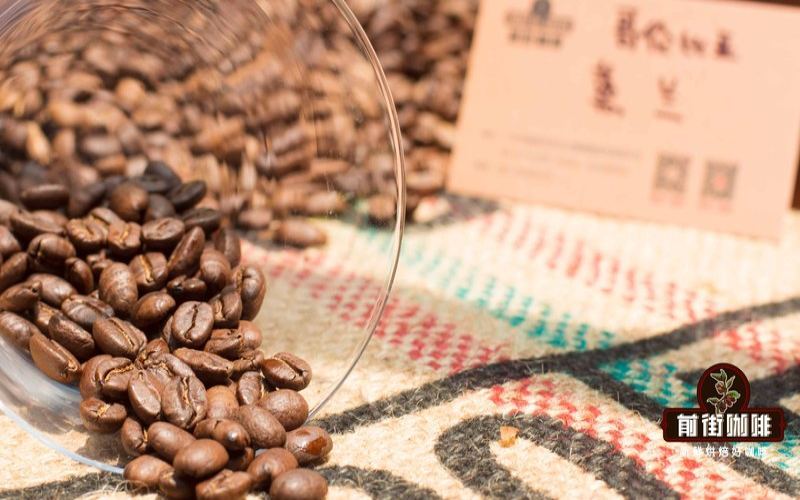
If you want to taste floral, citrus, berry, or tropical fruit notes in your pour-over, roast level is a very useful clue to follow. Light roasts more easily preserve the bright aromas brought by origin and processing method, medium-light roasts add sweetness and roundness, and medium roasts soften the floral and fruity character, making each sip more stable. Based on the acidity you like [more…]
Pour-Over Coffee Bean Selection Guide: Fruit Acidity, Nutty Notes, and Five Major Flavor Type Recommendations
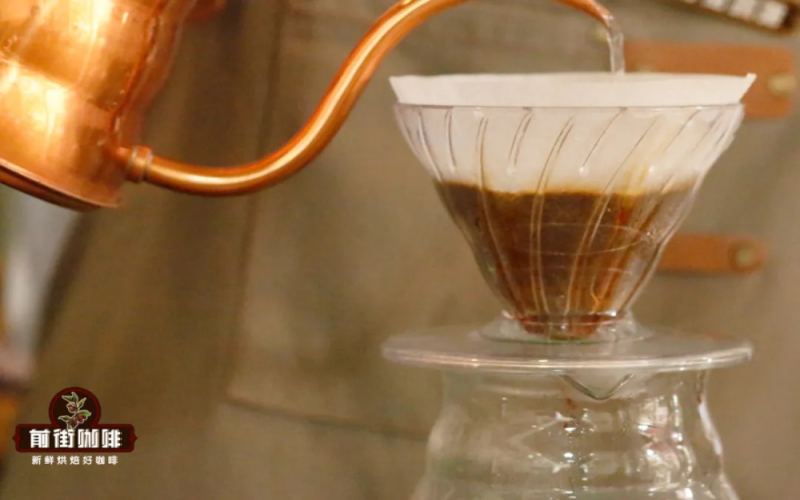
The popularity of pour-over coffee continues to rise, and many people are starting to equip themselves with gear at home and try their hand at brewing. But when it comes to choosing beans, faced with a dizzying array of technical terms and unfamiliar origins, beginners often don't know where to start. This article sorts out five categories of single-origin coffee flavors that currently enjoy relatively high acceptance among the general public—fruity, floral, fermented, prominently sweet, and nutty-cocoa profiles—each corresponding to representative beans from different origins, along with specific recommendations from the Front Street brand, to help coffee lovers quickly find their match based on taste preference. [more…]
A Guide to Coffee Floral Aromas: From How the Aroma Forms to Five Pour-Over Bean Recommendations, Plus Key Tips on Choosing Beans at Front Street Coffee
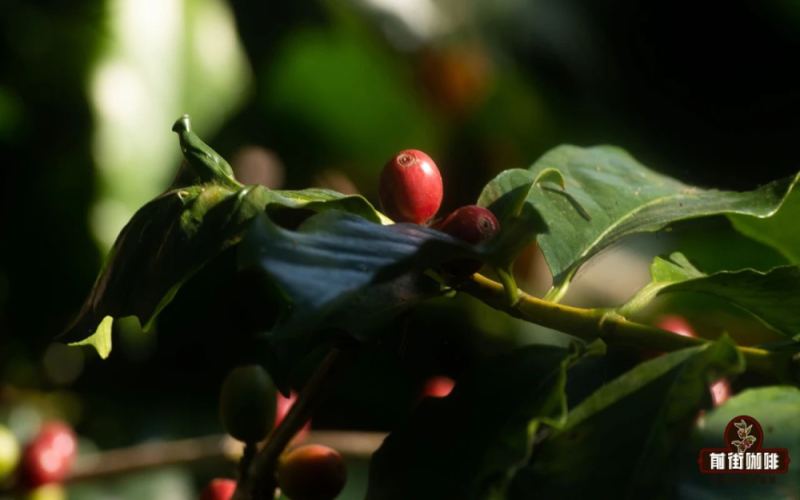
The world of coffee aromas is vast and complex. Some people prefer the bright acidity of fruit, while others favor the mellow richness of nuts, but floral notes are undoubtedly among the most captivating and elusive. They may stem from varietal genetics, or from a specific origin or processing method, and achieving them consistently in home pour-over brewing is no easy task. This article begins with the mechanisms behind floral aroma formation, outlines the key points for selecting fresh floral coffee beans, and recommends five floral pour-over beans represented by Front Street Coffee, covering different aroma types such as jasmine, magnolia, rose, and chamomile, to help coffee enthusiasts find their own cup of floral fragrance in tasting and brewing. [more…]

Floral and Fruity Camp in Pour-Over Coffee: Citrus, Berries, Tropical Fruits
Many people, upon trying pour-over coffee for the first time, are amazed by a flavor: it turns out coffee isn't just bitter; it can be acidic, sweet, and aromatic, like fruit tea or flowers. This is the beloved floral and fruity profile in pour-over coffee. Its charm lies in amplifying the original regional flavors of the coffee beans: Ethiopian [more…]
A Pour-Over Roast Map: How to Drink from Light to Dark Roasts
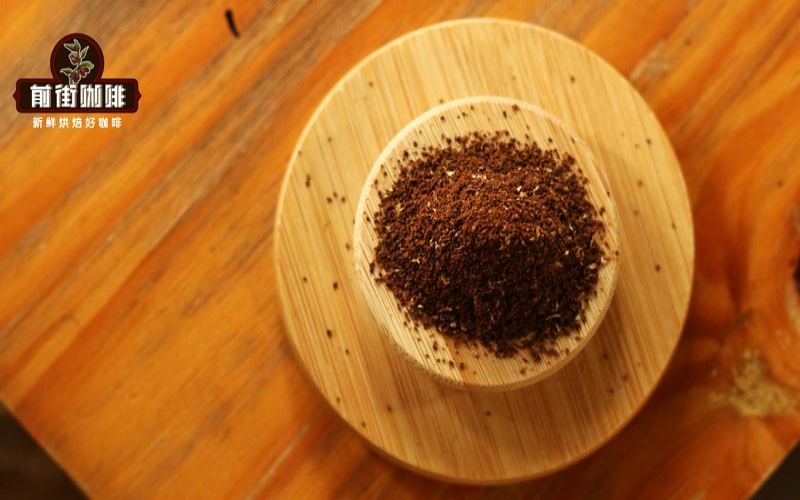
Even with the same hand-brewed coffee beans, different roast colors shift where the flavor lands on the palate. Light roasts tend to preserve the floral and fruity notes of the origin, medium roasts often bridge acidity, sweetness, aroma, and mouthfeel, while dark roasts develop cocoa, nutty, and roasted notes. First understand this line of change, then compare it with your own drinking habits and choose [more…]
Low-Caffeine Pour-Over Coffee Bean Recommendations: A Selection Approach from Taste Direction to Brewing Method
The flavor of a cup of coffee isn't just about sourness or bitterness—it also includes aroma, sweetness, body, mouthfeel, and finish. When choosing beans, first decide whether you want floral and fruity notes, nutty and cocoa notes, or a balance between the two, then match that to the corresponding region, processing method, and roast level. The flavor of pour-over is mainly determined by region, variety, [more…]
Noticeably sweet and rich in fruity aromas—choose pour-over beans by roast level
If you want to drink pour-over coffee with clear sweetness and a noticeable fruity aroma, the roast level is a very practical screening clue. Light roasts more easily retain floral, citrus, and berry notes, medium-light roasts bring fruity aromas and sugary sweetness closer together, and medium roasts add roundness and caramel associations. Based on whether you prefer a bright, soft, or full-bodied taste, [more…]
From Medium-Dark to Dark Roast: Choosing Dark Roast Beans for Pour-Over Like This
Pour-over is not only for bright, light-roasted beans. Once the roast level reaches medium-dark or dark, coffee reveals notes of cocoa, nuts, caramel, and roasted aromas, with a heavier mouthfeel and softer acidity. As long as you choose according to the intensity you want, dark-roasted pour-over can also deliver clear sweetness and a smooth texture. Pick [more…]
Choosing single-origin pour-over beans that are neither sour nor bitter based on roast level
If you want a single-origin pour-over with soft acidity and a bitterness that doesn't steal the show, roast level is a very practical place to start. A light roast preserves floral and fruity notes, but it may come across as bright; a medium roast more easily brings out sweetness and roundness; a dark roast offers cocoa, nuts, and a fuller body. The key is not to chase the absence of acidity or bitterness, but to let both sensations land in [more…]
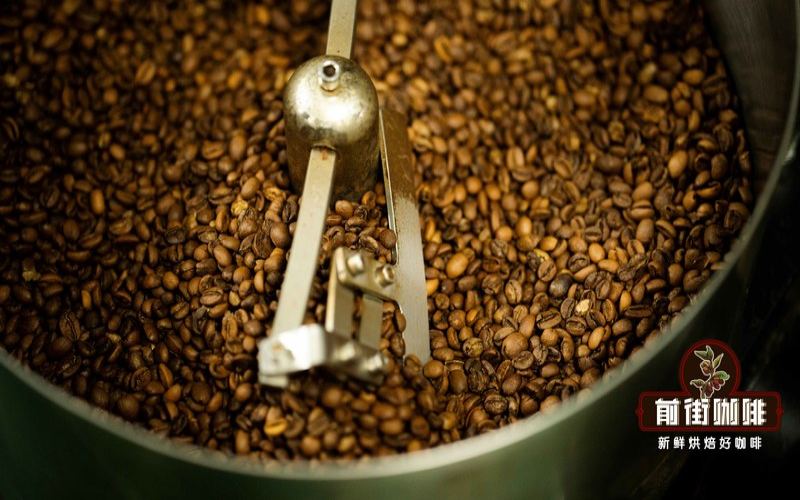
Can SOE be made with pour-over? Choosing beans by roast level makes it clearer
SOE is not a particular kind of coffee bean, but rather a term for single-origin or single-batch coffee used for espresso extraction. It describes the source of the beans and the way they are served, and does not mean an espresso machine is required. As long as the beans are consistent in quality and the roast level is suitable, SOE can absolutely be brewed by pour-over with a dripper instead, and you can taste even more than you would from an espresso [more…]
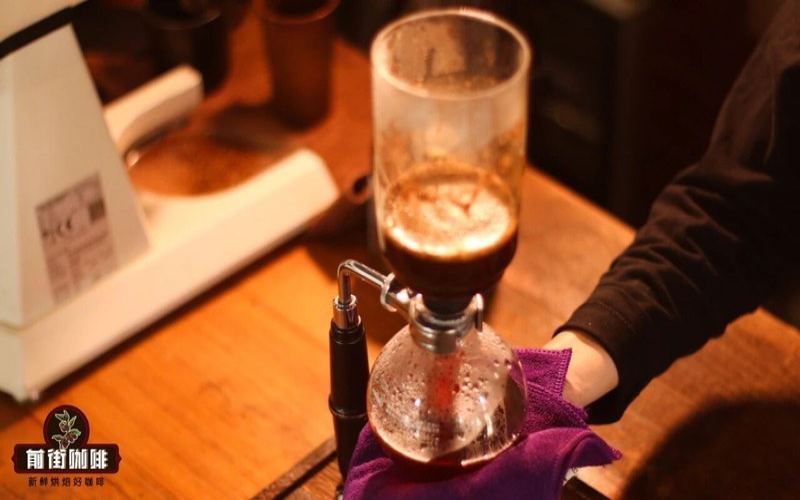
Light, Medium, and Dark Roasts: How to Choose Coffee Beans for Pour-Over
The roast level of hand-brewed coffee beans determines the balance of aroma, sweetness, and mouthfeel in the cup. Light roasts tend to bring floral notes and fruity acidity to the forefront, medium roasts often deliver gentle sweetness and a fuller body, while dark roasts push cocoa, nutty, and roasted notes forward. To shop with confidence, you can start with the roast level you're willing to accept. [more…]
Pour-Over Coffee Bean Ranking: A Reference for Pairing Origins with Brewing Methods
When the roast level changes, the focus of the flavor and the rhythm of extraction change along with it. Light roasts often show floral and fruity notes with bright acidity, medium roasts are known for sweetness and balance, and dark roasts land on nutty, cocoa, and full-bodied notes. There is no such thing as better or worse—matching the brewing method is what matters. The performance of a coffee bean in pour-over depends on the origin and variety. [more…]

How to choose floral coffee by roast level
Floral aromas do not belong to just one type of coffee bean, nor do they only count as floral if you smell jasmine or orange blossom. A light roast can keep the soaring, flower-like aromatics in the cup; a light-to-medium roast brings the floral notes closer to fruity sweetness; and after a medium roast, they often turn into softer notes reminiscent of nectar, black tea, or caramel. If you want to choose a floral coffee that suits your taste, you can start with [more…]

Light Roast Pour-Over Bean Recommendations: Cup Differences Across Three Roast Levels
Light-roasted coffee beans are not limited to just one flavor. Slight variations in roasting time and heat will steer the acidity, sweetness, aroma, and body in the cup in different directions. Lighter beans tend to express floral and citrus notes, mid-range light roasts enhance juiciness, and beans approaching a light-medium roast are softer and rounder, suitable for slowly transitioning from fresh flavors. [more…]