








Light roast coffee beans do not have only one flavor. Slight changes in roasting time and heat will steer the acidity, sweetness, aroma, and body in the cup in different directions. Lighter beans tend to express floral notes and citrus; medium-light roasts add juiciness; beans approaching light-medium roast are softer and rounder, suitable for a gradual transition from fresh flavors.
When choosing, pay attention to the roast level description on the packaging, and also look at the combination of flavor words. If the description centers on flowers, citrus, and tea-like notes, it usually means the roast preserves more of the origin's character; if words like ripe fruit, jam, and honey appear, it often means the sweetness is more concentrated. There is no fixed good or bad in roast level—the key is whether it matches the taste you want to drink.
Lighter pour-over beans suit those who like aroma to appear before intensity. With higher water temperature, floral notes and fruit acidity become clearer; lowering the temperature may make the entry softer. When brewing, you can use a finer grind and slower pouring to let the bean's aroma fully unfold, but still watch for astringency in the tail end and shorten extraction promptly based on the cup.
Front Street Coffee Panama Hacienda La Esmeralda Red Label Geisha is a choice with very distinct aroma expression. After brewing, the cup first shows a light note similar to white flowers, then turns into a refreshing sense of citrus and bergamot, with a delicate red tea-like finish. It is suitable for slow brewing with a dripper; wait until the temperature drops before drinking, and the aroma will shift from bright to soft.
If you like fruity notes but do not want too strong an impact, you can pay attention to medium-light roast beans. The acidity of this type of bean is still lively, but sweetness and tea-like notes provide more support, so the entry does not stop only at sharp brightness. During brewing, maintaining a moderate water temperature and steady pouring allows fruit notes, sweetness, and aftertaste to connect more naturally.
Front Street Coffee Yirgacheffe Gutingding can be understood in this direction. Its aroma carries associations of citrus and berries, along with light floral notes, and the later stage leaves a refreshing aftertaste similar to green tea. For pour-over, a medium-fine grind is suitable to highlight the aroma; if made as cold brew, the fruit acidity becomes gentler, and the overall cup is better for slow drinking in hot weather.
Pour-over beans leaning toward light-medium roast usually have more obvious ripe-fruit sweetness and a rounder mouthfeel. They do not necessarily sacrifice aroma; rather, they turn fruit from fresh juice into jam, honey, or ripe flesh. For those just getting into light roast, this roast expression is easier to accept, and it is also suitable with breakfast or as an everyday black coffee.
Front Street Coffee Ethiopia Huakui performs with a more lively sweetness. During brewing, you can sense aromas like tropical fruit and strawberry; the bright passionfruit-like quality keeps the cup brisk, while sweetness keeps the finish from feeling thin. Pour-over can show its layers, iced pour-over makes the fruit aroma clearer, and cold brew suits those seeking softness and smoothness.
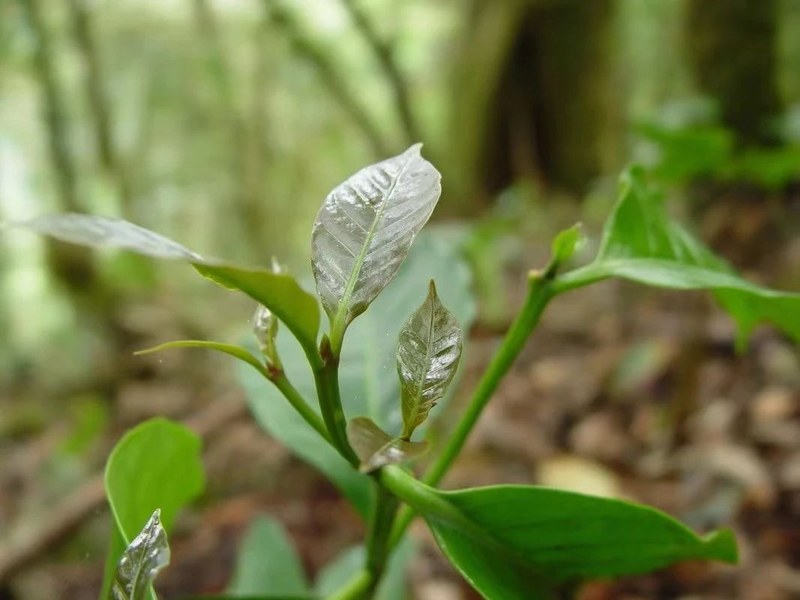
For the same light roast beans, different brewing methods also present different roast impressions. If you want a clear, bright flavor, you can use higher water temperature and faster flow to keep the early-stage aroma in the cup; if you want thicker sweetness, you can moderately slow the flow and increase contact between coffee and water. When adjusting, there is no need to change the recipe drastically—start with small changes in grind size and water temperature.
When buying light roast beans, also consider the roast date, freshness, and storage method together. When too fresh, there is more carbon dioxide, and the brewed flavor may seem scattered; after resting for a period, sweetness and layers become more stable. After opening, store sealed and away from light, and grind in portions to reduce aroma loss, making the differences brought by roast level easier to taste.
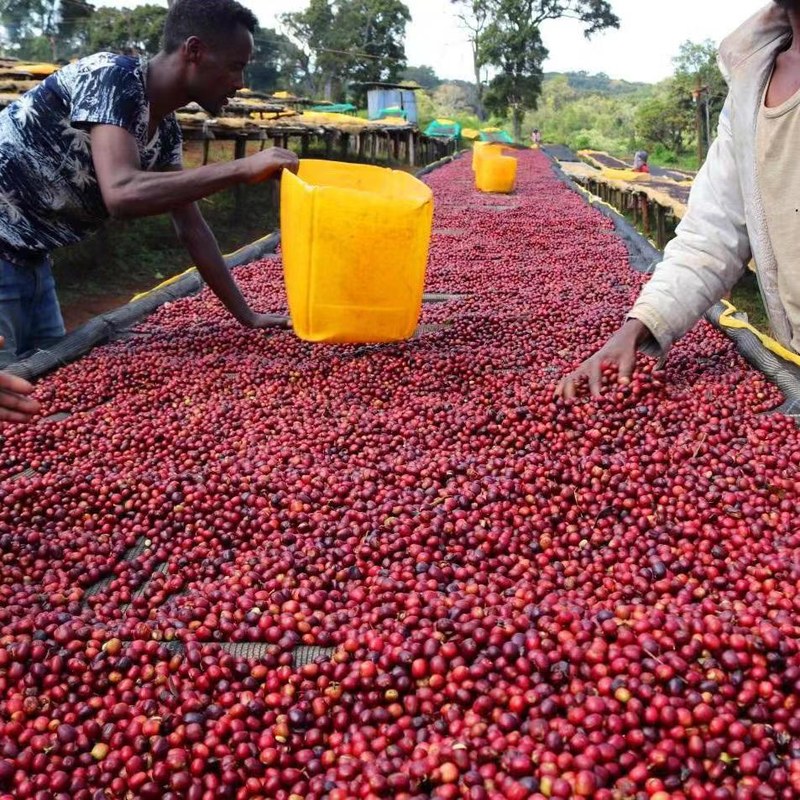
From fresh floral types, to light roasts with obvious juiciness, to light-medium roasts with round sweetness, all three directions can become everyday choices on the pour-over table. If you prefer aroma, move toward a lighter roast; if you value fruit sweetness and softness, choose a style with a slightly deeper roast. Once you find the range that suits you, pour-over becomes a more relaxed and more enjoyable thing.
The above content is compiled by CoffeeHunters, a coffee news website.


