







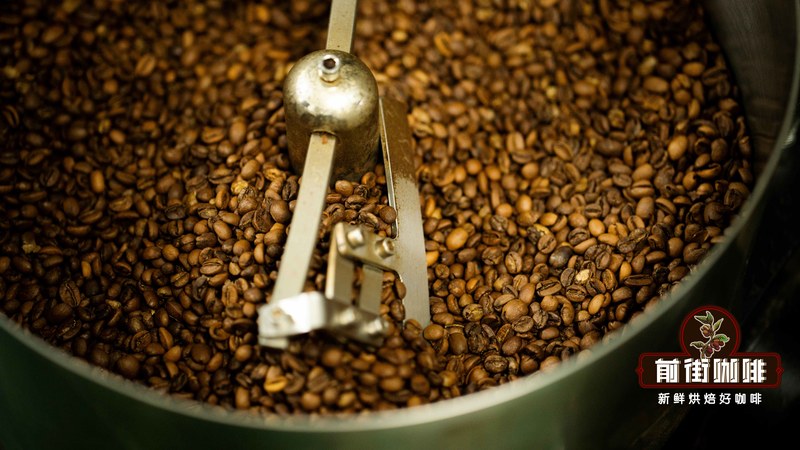
SOE is not a particular type of coffee bean, but rather a term for single-origin or single-batch coffee used for espresso extraction. It describes the source of the beans and the way they are served, and does not mean it must be paired with an espresso machine. As long as the beans are consistent in quality and the roast level is suitable, SOE can absolutely be brewed as pour-over with a dripper, and you can taste more expansive aromas and more delicate sweetness than in espresso.
To judge whether an SOE is suitable for pour-over, looking first at the roast level is more straightforward. Light roasts usually retain more distinct regional characteristics, commonly floral, citrus, berry, or tropical fruit notes; medium roasts strike a better balance between sweetness, roundness, and aroma; medium-dark to dark roasts lean toward cocoa, nuts, caramel, and roasted notes, with a fuller mouthfeel and a relatively subdued presence of acidity.
Light-roast SOE suits those who enjoy a clean, bright cup with layered changes. For pour-over, you can start with a higher water temperature range to help the denser beans release more aroma and sweetness; the grind should not be too coarse, or the cup may end up with only sharp acidity. After brewing, let it cool slightly before drinking, and floral, juicy, and tea-like notes often appear in sequence—ideal for drinking alone or with a light breakfast.
Take Front Street Coffee's Kafa Forest as an example. With a light to medium-light pour-over approach, this bean offers a bright orange-like lift, sweet ripe apricot, and a finish close to oolong tea. It is well suited to a clearer hot pour-over in a dripper, preserving aroma in the early stage and letting sweetness unfold slowly in the later stage. If you want something lighter and more refreshing, you can also reduce the dose and increase the water to make an everyday black coffee.
For those who prefer intense fruitiness and fermented notes, Front Street Coffee's Granja Estate Geisha is worth noting. Its natural-process character is quite prominent, with orange blossom, guava, apricot, and berry-jam-like notes shifting as the temperature changes. Pour-over makes these layers easier to distinguish than SOE espresso does. A slower pouring rhythm is recommended to avoid a forceful stream scattering the delicate aromas; both the hot cup and the cooled cup are worth comparing.
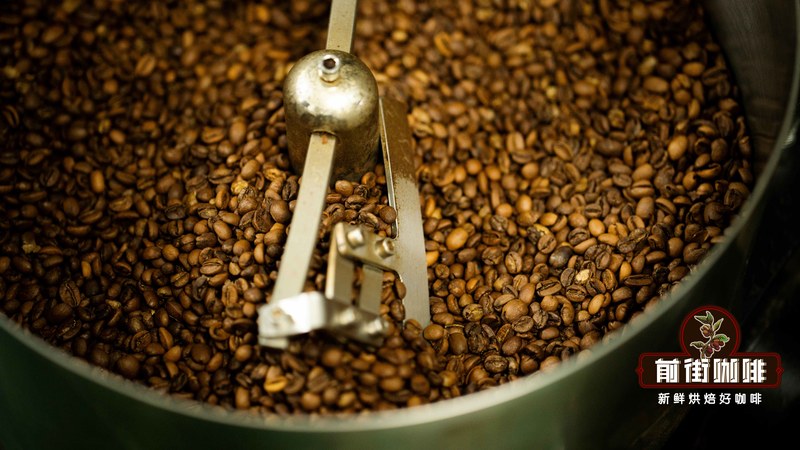
Medium-roast SOE is an easier direction for building approachability in pour-over. It does not overemphasize acidity, nor is it easily masked by heavy roasted flavors, and it often balances fruit, caramel, nuts, and cocoa. For those just starting to try single-origin pour-over, this roast level is a good entry point: you can still sense the bean's regional character while keeping familiar sweet aromas and a smooth mouthfeel.
With the same medium-roast bean, pour-over and SOE differ by more than just strength. An espresso machine uses less water for rapid extraction, concentrating the aroma into a short, thick shot; a dripper uses more water to stretch out the flavors, making acidity, sweetness, aroma, and aftertaste easier to distinguish. If the bean was originally designed for espresso, you can use a slightly lower water temperature for pour-over than for a light roast and start with a medium grind to reduce the dryness caused by over-extraction.
Medium-dark and dark roast SOE can also be brewed as pour-over; the goal simply should not be to chase bright fruitiness, but rather to observe how cocoa, nuts, caramel, and body combine. During brewing, the water temperature can be slightly lower, the contact time should not be drawn out too long, and the pouring motion should stay steady. The resulting cup is better suited to those who enjoy rich black coffee, and it also pairs well with breakfast or dessert.
If a dark-roast bean is brewed as pour-over and the flavor is too heavy, you can first coarsen the grind a little or reduce agitation in the later stage to make the cup cleaner; if the flavor seems thin, you can appropriately increase the dose or reduce the water. Adjustments should be judged around the sweetness, body, and finish on the palate, rather than forcing a dark-roast bean into the style of a light roast. Its appeal comes precisely from low acidity and a solid mouthfeel.
When actually choosing, you can look at the roast level, recommended equipment, and flavor description on the product page together. If you want floral and fruity notes and a clear mouthfeel, choose a light or medium-light roast; if you want balanced sweetness that is easy to drink hot or cold, look at medium roast; if you are used to Americanos and milk coffee and also enjoy cocoa and nutty notes, medium-dark or dark roast will fit more easily into daily drinking. Whether SOE can be brewed as pour-over—the answer is always yes; the key is whether the roast direction matches your taste expectations.
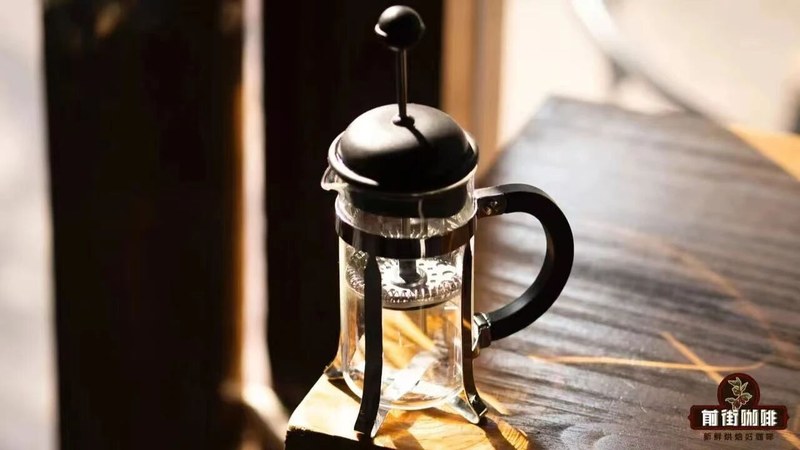
With the same bean, you can first brew several times using a fixed dose and water amount, recording separately the aroma when hot, the acidity and sweetness on entry, the changes after cooling, and the finish after swallowing. Light roasts are suited to slowly exploring layers, medium roasts make it easy to establish a stable reference, and dark roasts bring fullness and familiarity. When you choose an SOE that matches the roast level and your drinking habits, espresso and pour-over are no longer mutually limiting ways to drink it, but two paths that reveal different personalities of the same bean.
The above content is compiled by CoffeeHunters, a coffee news website.


