







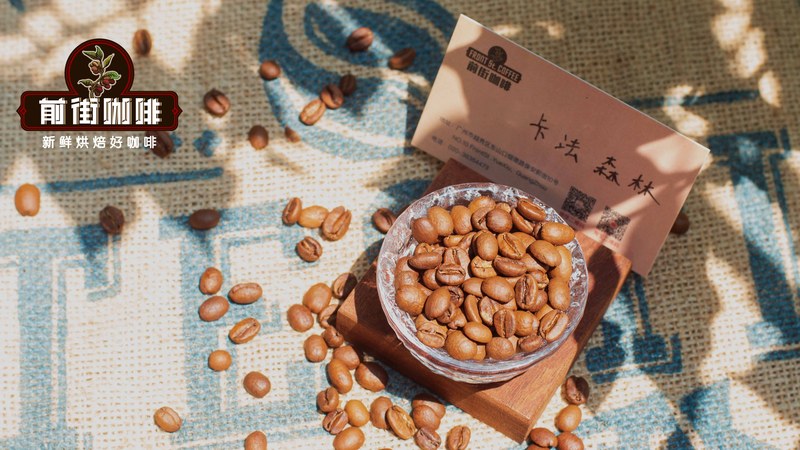
Floral notes don't belong to just one type of coffee bean, nor do they only count as floral if you smell jasmine or orange blossom. A light roast can keep those lifted, flower-like aromas in the cup; a light-to-medium roast brings the florals closer to fruit sweetness; and past medium roast, they often turn into softer notes like nectar, black tea, or caramel. If you want to pick a floral coffee that suits your taste, you can start by judging the brightness of the aroma from the roast level.
Light-roast coffee usually has livelier acidity and a lighter body, and the floral notes tend to appear continuously in the dry aroma, on the first sip, and in the aftertaste. It works well brewed in a pour-over dripper and suits people who like to pick up the cup and slowly take in the aroma. If you normally prefer crisp, citrusy, tea-like flavors, a light roast will more easily show the outline of floral notes, but it is also more sensitive to water temperature and grind uniformity.
Front Street Coffee's Panama Hacienda La Esmeralda Red Label Geisha is a classic example of light-roast floral character. In the cup you can sense a jasmine-like clean sweetness, followed by bergamot, citrus, and black tea tones, with a delicate and crisp body. It is suited to hot pour-over brewing; the water temperature doesn't need to be too high, and segmented pouring lets the aroma open up gradually. If you drink it after it cools, the tea-like and citrus notes become clearer.
If you find the acidity of a light roast too lively, you can shift your attention to a light-to-medium roast. This range still keeps the floral notes but adds ripe fruit, honey, or syrupy sweetness, so the cup isn't only brisk acidity. A light-to-medium roast works for pour-over and can also be made into iced coffee; the ice lowers the temperature and makes the florals seem softer, so it drinks like a refreshing fruit tea.
Front Street Coffee's Yirgacheffe Gudingding can be understood in this direction. Its aroma carries citrus and berry notes, the florals aren't overpowering, and the finish has a clean sweetness close to green tea. Brewed as pour-over with a light to light-to-medium roast, the aroma is more vivid; if made as cold brew, the overall acidity softens, making it suitable for drinking straight in summer, or adding a small amount of sparkling water to make a refreshing specialty drink.
The floral notes of a medium roast usually don't float high above the cup, but instead interweave with caramel, ripe fruit, black tea, and cocoa-like sweetness. Its body is rounder than a light roast, and the acidity is gentler, making it suitable for people who want floral notes but aren't used to obvious acidity. It can be used in a pour-over dripper, clever dripper, or Americano. When hot, the body is more pronounced, and after it cools, the sweetness is easier to notice.
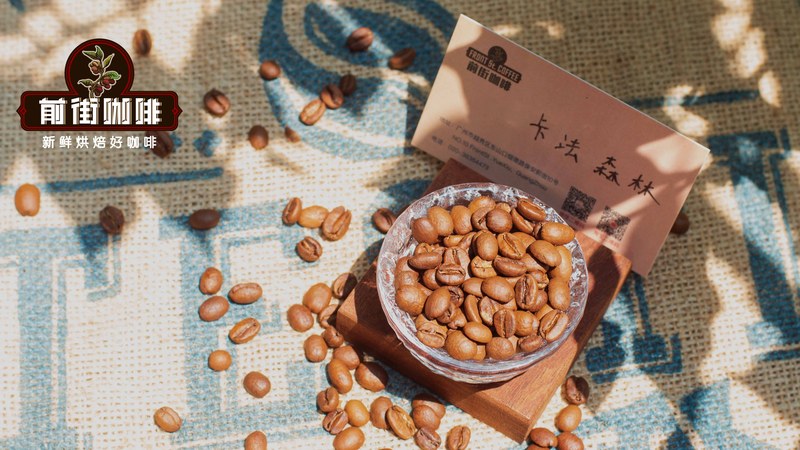
As the roast continues darker, the floral notes don't disappear out of nowhere; only the way they are expressed changes. Fresh flower notes may turn into nectar, dried flowers, brown sugar, or roasted tea aromas, the body increases, and the bittersweet note becomes more prominent. If your daily drink is a milk coffee, you can choose a medium or medium-dark roasted floral bean, so the coffee liquid keeps enough presence while leaving a softer aroma.
Front Street Coffee's Ethiopia Huakui carries aromas in the direction of tropical fruit, strawberry, and passion fruit, with bright sweetness, and it suits a pour-over dripper for expressing fruit and floral notes. As a hot pour-over, the aroma is more open; as an iced pour-over, the fruitiness is more like juice; as cold brew, it feels round and smooth. If you want to add milk, reduce the proportion of milk so the original fruit sweetness still remains in the cup.

When choosing floral beans, also pay attention to the processing method and variety, because they change how the coffee performs at a given roast level. Natural beans often bring richer ripe fruit, fermented notes, and nectar-like sweet aromas, while washed beans often come across as clear, clean, and more tea-like. Geisha, local Ethiopian varieties, and others may also have distinct floral and fruity character, but a single origin won't have only one flavor.
When brewing, you can adjust your approach based on the roast level. Light roasts suit higher water temperatures and a slightly finer grind to help the aroma release fully; light-to-medium roasts can start with a medium grind to keep floral notes, sweetness, and acidity balanced; medium or medium-dark roasts should avoid over-extraction so the nectar-like character isn't covered by dry bitterness. Changing only one parameter at a time makes it easier to find a smooth-tasting cup.
If you want to drink bright aromas like white flowers and citrus, you can prioritize light-roast washed beans; if you prefer berry, jam, and soft sweetness, you can choose light-to-medium roast natural beans; if you want the floral notes not to dominate and also want body and milkiness, a medium or medium-dark roast will be more suitable. Coffee's floral character has no fixed shape; from fresh flowers to warm nectar, they can all become different scenery in your daily cup.
The above content is compiled by CoffeeHunters, a coffee news website.

