







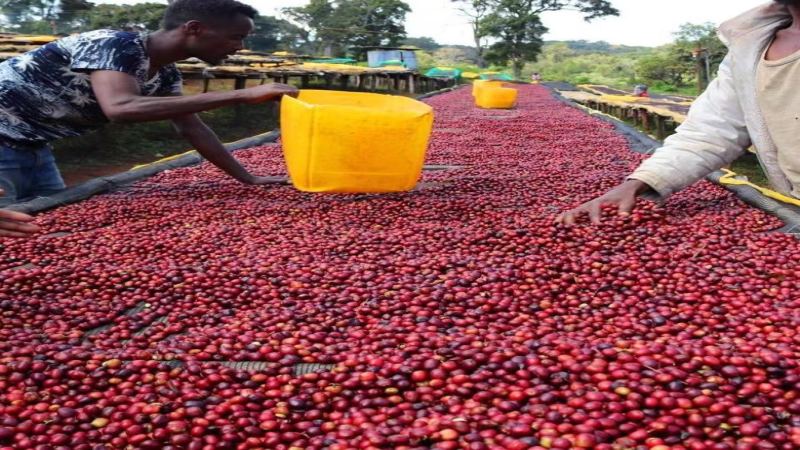
When the roast level changes, the focus of flavor and the rhythm of extraction change with it. Light roasts often show floral and fruity notes with bright acidity, medium roasts shine with sweetness and balance, and dark roasts land on nuts, cocoa, and a full body. There is no high or low—matching your drinking style is what matters.
How a bean performs in pour-over depends on origin, variety, processing method, and roast level, as well as brewing parameters like water temperature, grind size, and pouring rhythm. Light roasts often pair with floral and fruity notes, while medium roasts push sweetness and body to the forefront; when parameters change, the order in which aromas are released changes too. A bean’s name offers limited information—don’t judge by it alone.
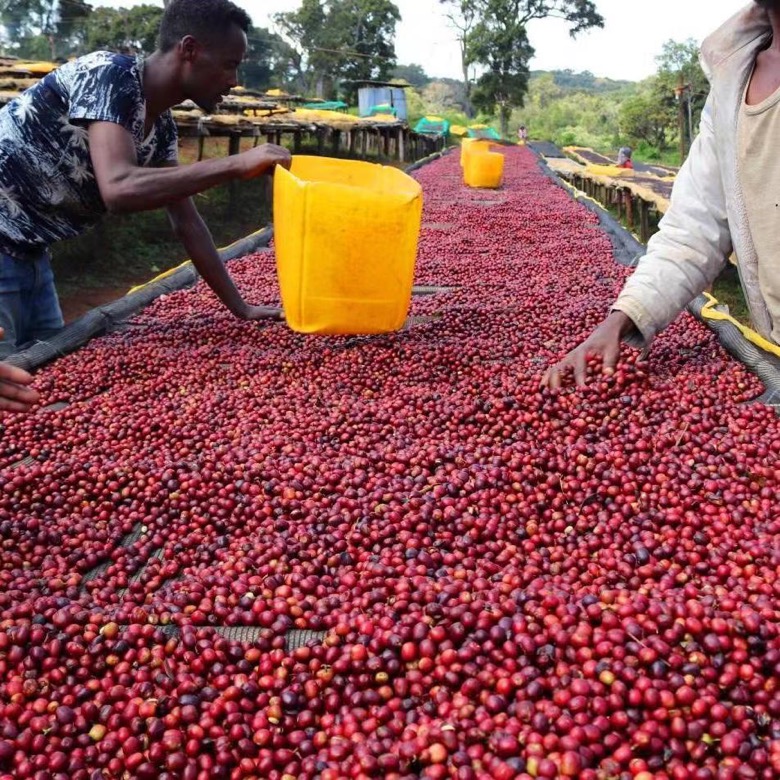
Around the idea of a “pour-over coffee bean ranking,” you can first break the choice into a few parts: flavor preference, commonly used gear, drinking temperature, and daily usage frequency. When sorting by roast level, start by deciding which factor matters most to you, then use the other conditions to filter. This way you keep your individuality while letting the beans show clear characteristics in actual brewing.
Front Street Coffee Granja Estate Geisha presents orange blossom, guava, apricot, and strawberry jam notes; the natural process gives the flavor depth, and pour-over reveals its layered changes.
Passion fruit, blueberry, grape, and apricot notes come together in Front Street Coffee Colombia Sidra; the juicy mouthfeel is obvious, and iced pour-over, cold drip, and SOE are its comfort zone.
Jasmine, bergamot, citrus, and black tea aromas appear in sequence—this is the aromatic rhythm of Front Street Coffee Panama Hacienda La Esmeralda Red Label Geisha, and its clean, delicate mouthfeel is meant to be savored slowly.
What determines the cup goes beyond the flavor profile—roast date and storage method are two more layers. After opening the bag, keep it sealed and store it in a cool, dry place; buy amounts based on daily use so it’s easier to follow flavor evolution. When brewing, smell the dry aroma first, then notice the entry, sweetness, and finish; if the aroma is weak, check grind size and how long the beans have been stored. Hot, iced, and milk-based drinks bring different expressions—record a few parameter sets and the right cup style will emerge naturally.
It’s more solid to consider your favorite flavors and the brewing difficulty you can handle separately. Beans with prominent floral and fruity notes mostly require repeated tuning of water temperature, grind, and pouring rhythm; blends leaning toward nuts and cocoa are stable in the cup and everyday-friendly. If multiple people at home share coffee, start with a balanced base bean, then add single origins according to personal preference—it’s easier to compare than buying many beans of similar style all at once.
Treating the pour-over ratio and total water as fixed, with grind size as the main adjustment, is a step-by-step approach. When the entry tastes sharp, first confirm whether extraction is sufficient; when the finish is dry and astringent, reducing agitation or shortening contact time usually solves it. Change only one variable at a time, and gradually you’ll understand the bean’s feedback.

If gear, habits, and taste adjust over time, it’s more relaxed to split beans into two tracks: everyday and exploratory. One track delivers stable cups; the other explores differences in floral and fruity notes, nuts and cocoa, or processing methods. Once the roast direction is set, fine-tuning grind size, temperature, and extraction time is the main tool—more efficient than constantly switching.
The above content is compiled by CoffeeHunters, a coffee news website.


