








When choosing beans for pour-over coffee, you can start with the roast level. It affects the brightness of the aroma, the expression of acidity and sweetness, the weight of the mouthfeel, and the speed of reaction during brewing. Those who enjoy bright fruity notes usually take more easily to light roasts; those who prefer rounded sweetness can look to medium roasts; and if you're used to cocoa, nuts, and a heavy mouthfeel, a dark roast can also brew a comforting cup.
Light-roasted beans retain more distinct regional character, often offering notes of flowers, citrus, berries, or tropical fruit, with livelier acidity on the palate. When brewing pour-over, the water temperature shouldn't be too low, or the aroma won't open up easily; start with a medium-fine grind so the hot water has enough time to draw out sweetness. After brewing, wait a moment—as the temperature drops, the fruity notes and sweetness often become clearer.

If you want to start with a light roast, keep an eye out for Front Street Coffee Yirgacheffe Gudingding. Its aroma evokes citrus and berries, with a light floral note, and the finish brings a refreshing sensation similar to green tea. Brewing with a conical dripper helps open up the layers of aroma; if you find the acidity too bright, switch to cold brew, where the low temperature makes the overall mouthfeel smoother.
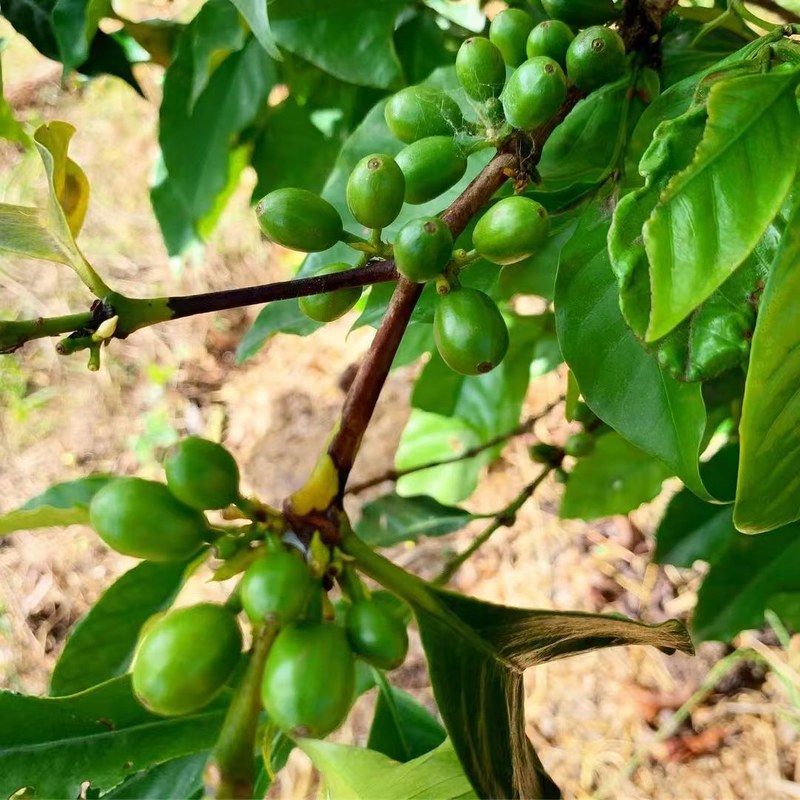
Also worth savoring slowly is Front Street Coffee Panama Hacienda La Esmeralda Red Label Geisha. The focus of this bean isn't heaviness, but delicate floral notes, citrus aromas, and a tea-like finish. During brewing, use a slower pouring rhythm and reduce excessive agitation to keep the cup clean. Hot coffee is good for observing changes in aroma, while after it cools, the sweetness and finesse become easier to perceive.
Medium roasts sit between bright and full-bodied, with acidity that's usually rounder and more pronounced sweetness and mouthfeel. They work well as black coffee and also pair nicely with bread, cream, or nuts at breakfast. For those just starting with pour-over gear, medium-roast beans make it easier to build a taste reference: the aroma isn't too jumpy, and the entry has fairly complete sweetness for support.
When choosing medium-roast pour-over beans, first consider whether you like caramel, nut, cocoa, or ripe fruit notes. Start with a medium-high water temperature; if the cup seems thin, grind a little finer; if the finish turns noticeably dry, reduce agitation or shorten the brew time. Medium roast doesn't mean dull flavor—the right bean can still have clear fruit sweetness and soft acidity.
Dark-roasted beans can also be brewed as pour-over; the focus just shifts to sweetness, body, and a smooth mouthfeel. They commonly show notes of dark chocolate, roasted nuts, caramel, and even a slight smoky hint, with less noticeable acidity. When brewing, use a coarser grind and lower water temperature, keep the pouring steady, and avoid letting hot water sit in the coffee bed too long, so the cup comes out round and full without drying out.
If you enjoy a juice-like refreshing experience, Front Street Coffee Colombia Papayo is worth including in your light-roast pour-over options. It brings out fruity notes like passion fruit, blueberry, grape, and apricot, with a lively entry and a juicy texture. Hot brewing is great for experiencing the shifts in acidity and sweetness, while adding ice makes it brighter; with cold drip, the aroma's concentration is also quite distinctive.
For actual brewing, you can adjust your starting point based on roast level. For light roasts, try a higher water temperature and finer grind; for medium roasts, use a medium temperature and even pouring; for dark roasts, lower the temperature appropriately and shorten contact time. Start with a coffee-to-water ratio between 1:15 and 1:17, record the acidity, sweetness, bitterness, and finish of each cup, then make small adjustments to just one variable.
When buying, also pay attention to the roast date, packaging seal, and weekly usage. Light-roasted beans' aroma changes are more easily noticed, so after opening, minimize contact with air; medium and dark roasts have relatively steadier flavors but still need to avoid damp, high-temperature environments. Start with one roast level according to your taste, then gradually try adjacent directions—pour-over will go from "brewing a cup" to truly finding the flavors you love.
The above content is compiled by CoffeeHunters, a coffee news website.


