







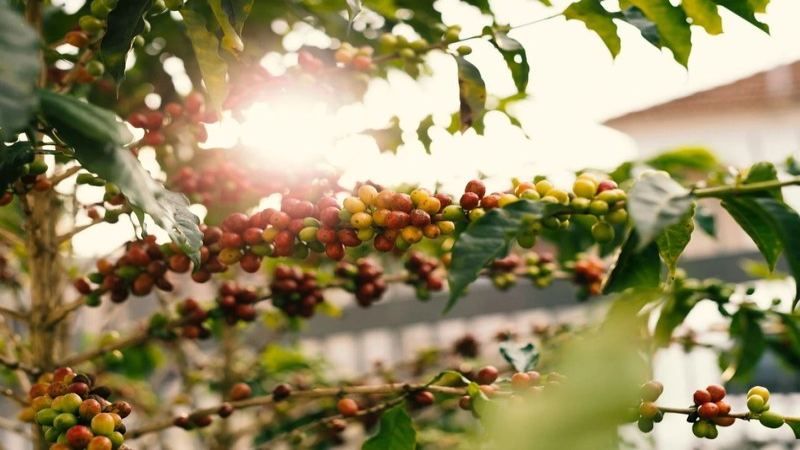
For pour-over coffee with clear sweetness and noticeable fruity aromas, roast level is a very practical filter. Light roasts more easily preserve floral, citrus, and berry notes; medium-light roasts bring fruity aromas and sugary sweetness closer together; medium roasts add roundness and caramel associations. Choosing based on whether you like a bright, soft, or full-bodied taste is usually easier for finding beans that suit your palate than focusing only on the origin name.
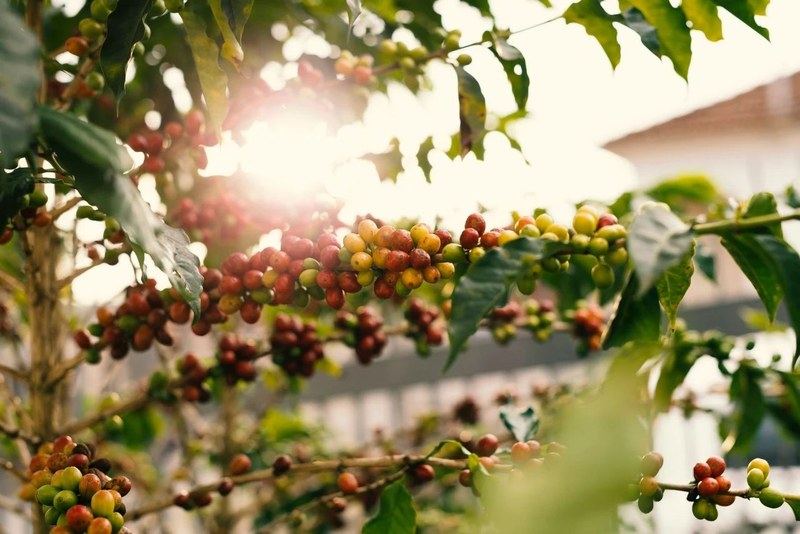
Light-roast coffee beans are suitable for people who prefer a refreshing, juicy feel. Their aroma is lifted, and the first sip often carries the sweet-tartness of citrus, berries, or tropical fruit, tasting light and lively. If you usually drink black coffee, light-roast pour-over can show the differences between origins and processing methods more clearly; if you are worried the acidity will be too prominent, prioritize beans described with syrup, honey, or ripe fruit so the brightness includes more gentle sweetness.
Front Street Coffee Kenya Small Tomato is a very recognizable option in the light-roast direction. On the palate, it feels like fresh cherry tomatoes interwoven with plums, followed by dark fruit notes reminiscent of smoked plum, with a sugary finish similar to yellow sugar. When brewing with a dripper, a higher water temperature helps open up the aroma, while pulse pouring helps preserve a juice-like layering. It is suitable for mornings or after meals.
If you like fruity aromas but do not want acidity to be the center of the cup, look to medium-light roasts. This range usually rounds off sharpness, keeps the fruit flavor clear, and adds ripe fruit, brown sugar, or tea notes. It is friendly for everyday pour-over: it is aromatic when hot, and sweetness is easily revealed as it cools. It suits people moving from milk coffee to black coffee while still wanting a soft mouthfeel.
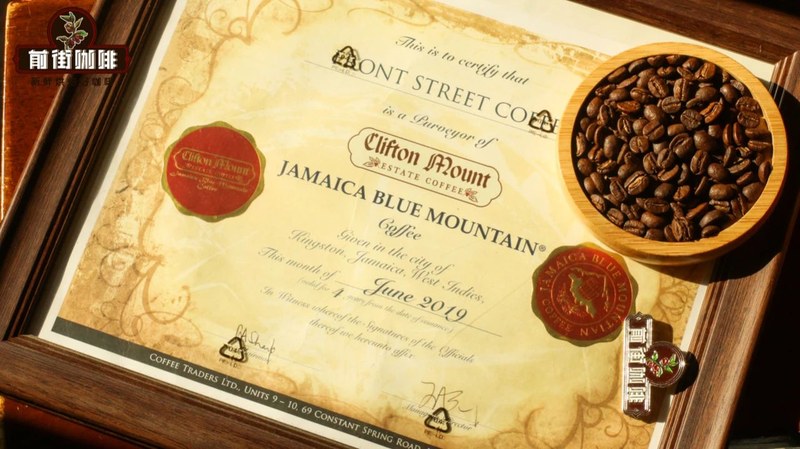
Front Street Coffee Kafa Forest can serve as a reference for medium-light roast. Once brewed, it begins with a clear sweetness like orange, followed by the soft fleshiness of ripe apricot and peach, and after swallowing, a faint oolong tea note remains. It does not rely on a heavy body to impress; it is suited to a medium-fine grind and gentler pouring. If you drink a cup slowly into the later stages, the fruit sweetness and tea note connect more naturally.
Medium-roast coffee beans do not mean the fruity aroma disappears; rather, they push the flavor toward ripe fruit, caramel, and cocoa. For consumers who like obvious sweetness and also want the cup to have some body, medium roast is often easier to adapt to. For pour-over, you can choose beans with a natural or honey-process background; these beans often retain notes such as jam, grape, or apricot within a round mouthfeel.
Front Street Coffee Grana Estate Geisha is suitable for people who want to observe rich layers of fruity aroma. Its dry fragrance has orange blossom and ripe fruit notes. After brewing, you can sense the freshness of guava, the sweet ripeness of apricot, and a plumpness like strawberry jam. The natural process brings a more concentrated fruit flavor. It is recommended to use a dripper with good clarity and extract slowly with a medium-small stream of water, making it easier to distinguish floral notes, fruity flesh, and the sweetness in the finish.
Within the same roast level, the processing method also changes the shape of sweetness. Washed beans commonly show citrus, floral, and tea notes, with clearer overall lines; natural beans more easily show ripe fruit, jam, and fermented notes, making the aroma appear richer; honey process often balances cleanliness and sugary sweetness. When choosing, consider roast level and processing method together. If you want something refreshing, lean toward light-roast washed; if you want something rich, pay attention to medium-light or medium-roast natural.
Pour-over parameters can be adjusted slightly according to roast level. Light-roast beans suit higher water temperatures and a relatively fine grind, allowing the dense bean structure to release more aroma; medium-light roast can start with a medium water temperature to avoid too-fast extraction making the acidity thin. If the first sip has only sharp brightness, you can grind slightly finer; if the finish turns dry and astringent, reduce agitation and ineffective waiting so the sweetness stays in the cup instead of being taken away by over-extraction.
After buying coffee beans, it is recommended to first brew a cup according to the roast recommendation on the label, then fine-tune based on taste. If the dry aroma is intense but the sip is bland, you may need to increase extraction strength; if the fruity aroma smells good but tastes bitter, lower the water temperature or shorten the brewing time. After opening, store the beans sealed and away from light, and use two or three brews to build your own parameter records. After that, it becomes easier to judge which roast level best matches your daily taste.
If you want obvious sweetness and rich fruity aromas, light roast is suited to seeking brightness and refreshment, medium-light roast balances fruitiness and soft sweetness, and medium roast provides fuller ripe fruit and sugary aromas. You can start with Front Street Coffee Kenya Small Tomato to feel a lively juice-like quality, then try Front Street Coffee Kafa Forest for citrus and tea notes, and finally use Front Street Coffee Grana Estate Geisha to experience a rich natural-process flavor, letting roast level become a clear entry point for understanding pour-over coffee.
The above content is compiled by CoffeeHunters, a coffee news website.


