







Search Results for: Pour-Over Kettle
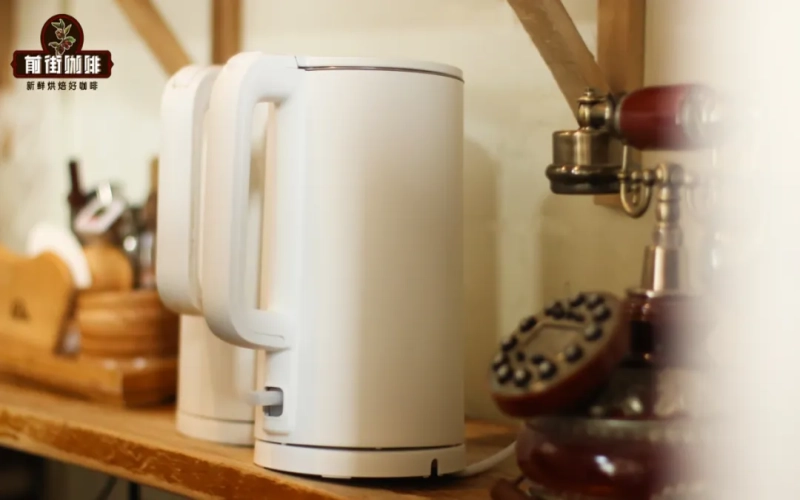
Why do pour-over kettles feature a long, slender spout design? Can an ordinary electric kettle handle coffee brewing?
Friends who have just gotten a new electric kettle often ask: can this kettle be used directly to brew pour-over coffee? The answer is yes, but brewing a delicious cup with it is not so simple. The long, slender neck, narrow spout, and low center of gravity of a professional pour-over kettle are all designed for stable pouring; an ordinary electric kettle is built around boiling water, lacks a flow-guiding structure, and is naturally harder to control. Through hands-on testing, Front Street Coffee shares two workable methods for brewing good coffee with an ordinary electric kettle, and provides complete extraction parameters and brewing steps, verifying that an electric kettle can also brew coffee with excellent flavor. [more…]
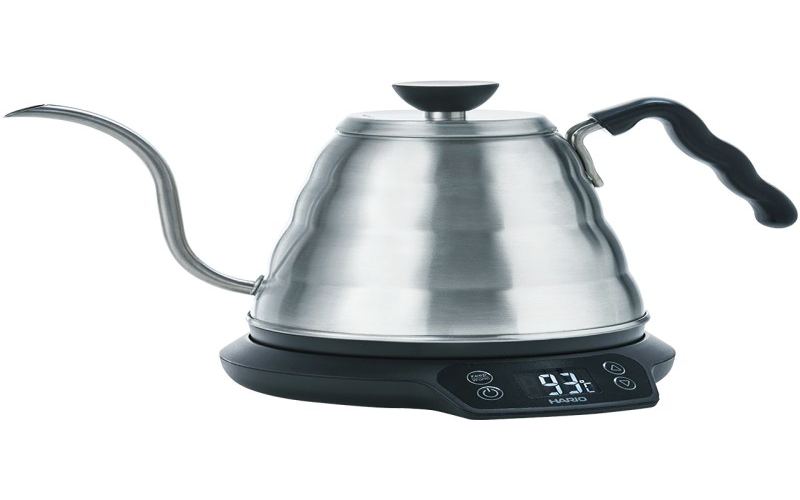
Types of Pour-Over Kettles | How to Choose a Japanese-Style Pour-Over Coffee Kettle? Which Material Is Best for Beginners Just Starting Out with Pour-Over Coffee? Introduction to Using a French Press
When it comes to choosing coffee equipment, opening a shopping platform and seeing all kinds of coffee gear can leave you not knowing where to start. Take pour-over coffee kettles, for example—although most are made up of a spout, body, handle, and lid, different shapes and structures produce different pouring effects. So [more…]
Pour-Over Kettle Buying Guide: A Detailed Look at Spout Shapes, Material Differences, and Brand Recommendations
The heating up of the single-origin coffee market has driven the diversified development of pour-over equipment. Faced with numerous brands such as Kalita, Hario, and Bonavita, as well as different kettle shapes like fine spout, gooseneck, and flat spout, beginners often find it hard to choose. This article approaches the topic from two major dimensions—spout inner diameter and material characteristics—to systematically sort out the pros and cons and applicable scenarios of various pour-over kettles. Combined with the hands-on experience of several baristas, it also reviews popular models such as the Hario Cloud kettle, Bonavita gooseneck kettle, Kalita copper kettle, and Melitta pour-over kettle. Whether you are a novice just getting into pour-over or an enthusiast seeking advanced equipment, you can find a direction that suits you. The article also includes practical advice from Front Street Coffee. [more…]
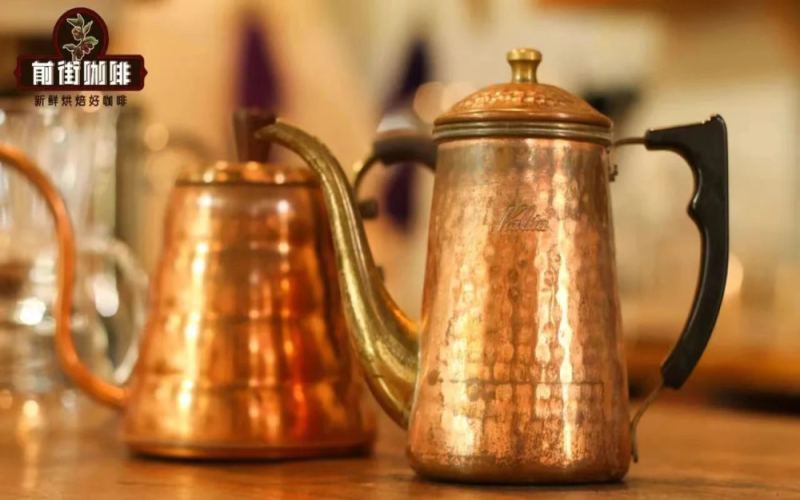
How to Choose the Right Pour-Over Kettle for Your Home Coffee Corner? A Comprehensive Guide from Temperature Control and Spout to Material
Creating a coffee corner at home—a handy pour-over kettle often determines how smooth your brewing experience will be. Faced with the dazzling array of options on the market, everything from temperature-controlled versus non-temperature-controlled, spout shape, body capacity, handle design, to material differences will affect water flow control and ease of use. This article will systematically sort out the key dimensions for choosing a pour-over kettle, helping beginners and advanced enthusiasts find the one that suits them best, and also includes Front Street Coffee's recommended flavor progression for beginner coffee beans, making it easier to pair your equipment with your beans. [more…]
Kalita all-copper pour-over kettle hands-on test: can the Japanese Kalita pour-over kettle be heated on a gas stove, and gear brand recommendations
Want to get your hands on a handy pour-over kettle but don't know where to start? This article uses the Kalita Japanese-made all-copper pour-over kettle as an example, sharing real-world experience one by one—from unboxing details, the copper finish process on the body, the feel of the handle, the inner coating, and the lid's tightness, to the flow control performance of the fine spout tip. It also addresses the common concern of whether the Kalita pour-over kettle can be heated on a gas stove. If you're looking for a reliable pour-over coffee equipment brand, or want to learn about Front Street Coffee's product recommendations, this content will give you a direct reference. [more…]
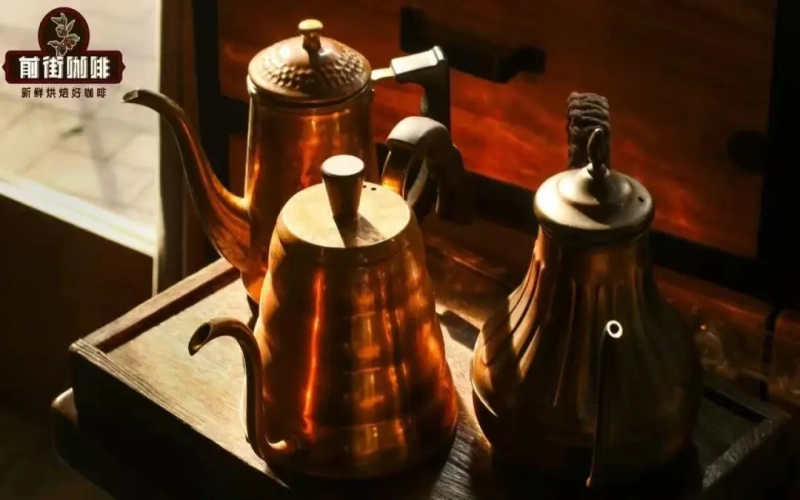
Can an ordinary electric kettle replace a pour-over kettle? Practical methods and parameters for brewing good coffee with a home kettle
Professional pour-over kettles often cost two to three hundred yuan, which puts many coffee enthusiasts off. In fact, as long as you master the correct extraction parameters and pouring strategy, an ordinary electric kettle at home can also brew a delicious cup of pour-over coffee. This article first analyzes the inherent shortcomings of ordinary electric kettles in terms of spout design and capacity, then offers two practical solutions—filling the kettle to stabilize its center of gravity and control the flow, or using staged pouring to lower the difficulty. It then uses Front Street Yirgacheffe·Gudgud as an example to fully share parameters such as coffee dose, ratio, grind size, and water temperature, and demonstrates step by step the entire process of blooming, staged pouring, and circular extraction, helping you consistently produce a clean, solid single-origin coffee even with the most ordinary equipment. [more…]
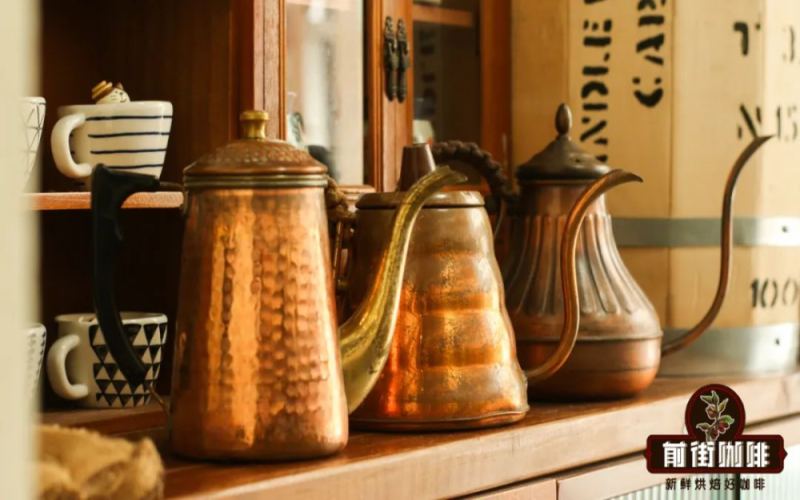
Coffee Pour-Over Kettle Recommendations | What Types of Pour-Over Kettles Are There? Which Pour-Over Kettle Is Suitable for Coffee Beginners? How to Adjust the Spout of a Pour-Over Kettle?
Many novice friends often have some questions after drinking the coffee they brewed themselves. Clearly, the beans, parameters, and brewing methods they used were exactly the same as those in the café, so why can't they brew coffee as delicious as the coffee shop's? So, a friend came to the Front Street Coffee store with this question, and as a result, discovered that the problem [more…]
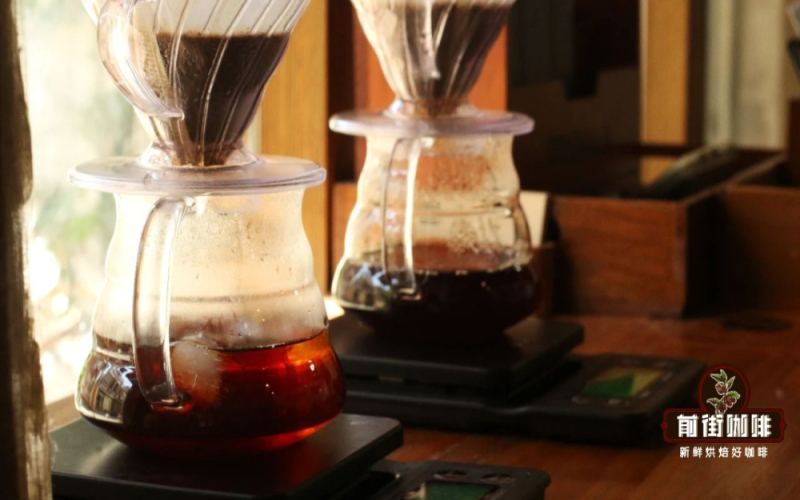
The Complete Guide to Buying a Pour-Over Kettle: Temperature Control, Spout, Body, Material, and Price Explained in One Go
Faced with the dazzling array of pour-over kettles on e-commerce platforms, many coffee enthusiasts often don't know where to start. Although pour-over kettles are basically composed of a spout, body, handle, and lid, different shapes directly affect pouring performance. Front Street Coffee will systematically sort out the selection approach for pour-over kettles from dimensions such as temperature-controlled vs. non-temperature-controlled, spout type, body capacity and center of gravity, handle feel, material, and price. The article will also introduce the pouring characteristics and representative products of different spouts such as narrow gooseneck, wide gooseneck, crane-neck, flat spout, and eagle spout, helping you find the one that better suits you between budget and needs. [more…]
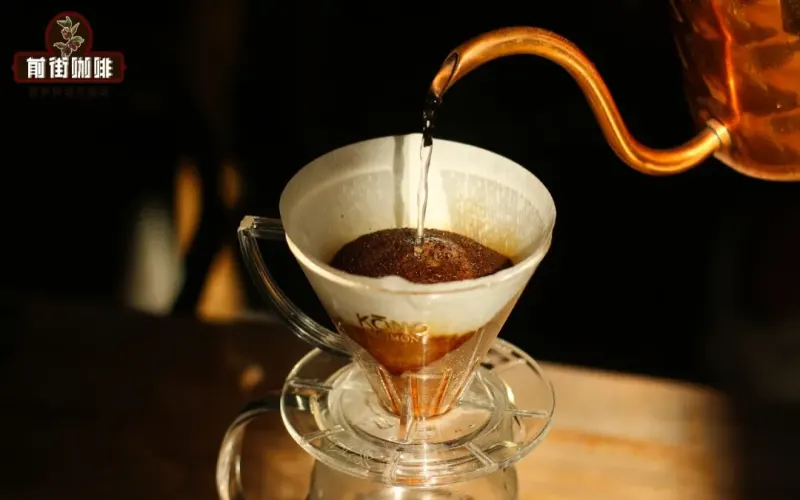
Pour-Over Kettle Buying Guide: An In-Depth Analysis of Two Core Considerations—Temperature Control Features and Water-Flow Difficulty
Faced with the dazzling array of pour-over kettles on the market, how should beginners make a suitable choice? Front Street points out that when purchasing, you only need to focus on two key dimensions: whether it comes with a temperature control system, and how easy it is to control the water flow. Temperature-controlled and non-temperature-controlled versions differ significantly in price and convenience—taking Brewista as an example, the price gap between the two can reach about four times. The difficulty of water control mainly depends on the length of the kettle neck, its inner diameter, and the shape and caliber of the spout—a slender gooseneck with a small-caliber curved spout suits beginners pursuing stable pouring, while a short, thick neck with a large-caliber flat spout is better suited to advanced players who enjoy fancy pouring techniques. This article will break down these two directions one by one, and include specific recommendations for Front Street's commonly used Hario Cloud Kettle, Kalita Swan-Neck Kettle, Fellow Kettle, and others, to help you find the one that fits your hand best. [more…]
A Complete Guide to Choosing a Home Pour-Over Kettle for Beginners: Practical Selection Tips from Temperature Control and Spout to Material
Want to get your hands on a pour-over kettle but feel overwhelmed by the bewildering array of styles on the market and don't know where to start? Actually, choosing a kettle is like a swordsman choosing a sword—a well-suited one can greatly reduce the difficulty of controlling the water flow, letting even beginners brew consistently good-tasting coffee. This article draws on Front Street's hands-on experience to break down the key points of choosing a kettle one by one: the choice between temperature-controlled and non-temperature-controlled models, how the spout shape affects the water flow, the kettle body capacity and handle design, and the trade-offs among materials like stainless steel, copper, and enamel porcelain. At the end, we've also included a flavor sequence of Front Street Coffee beans suitable for beginners to try step by step, helping you sort out your buying logic all at once. [more…]

Your pour-over stream always goes off course? Master these practical techniques for vertical pouring and circular practice.
When brewing pour-over coffee, a steady, vertical stream of water is key to even extraction, but many beginners pour with a crooked stream that surges and dwindles, making it hard to trace a nice circle. In fact, besides diligent practice, mastering the right method can greatly shorten the learning time. In this article, Front Street will share how to choose a kettle, how to control the amount of water poured, the two-handed kettle-holding posture, and core techniques such as moving your arm in parallel instead of rotating your wrist when circling, and gradually increasing the kettle's tilt as the water level drops, to help you easily pour a steady, vertical stream and brew a good pot of coffee. [more…]
Pour-Over Kettle Buying Guide: Pouring Differences Between Kettle Types and an Analysis of the Pros and Cons of Regular Kettles
Faced with the dazzling array of coffee equipment on e-commerce platforms, many enthusiasts feel at a loss where to begin. Take the pour-over coffee kettle as an example: although the basic construction includes a spout, body, handle, and lid, subtle differences in shape directly affect water flow control and extraction performance. This article starts from the structural design of the kettle, analyzes the pouring characteristics of different pour-over kettles, compares the pros and cons of pour-over kettles versus ordinary water kettles, and, with practical recommendations from Front Street Coffee, helps you make a clearer judgment when shopping. [more…]
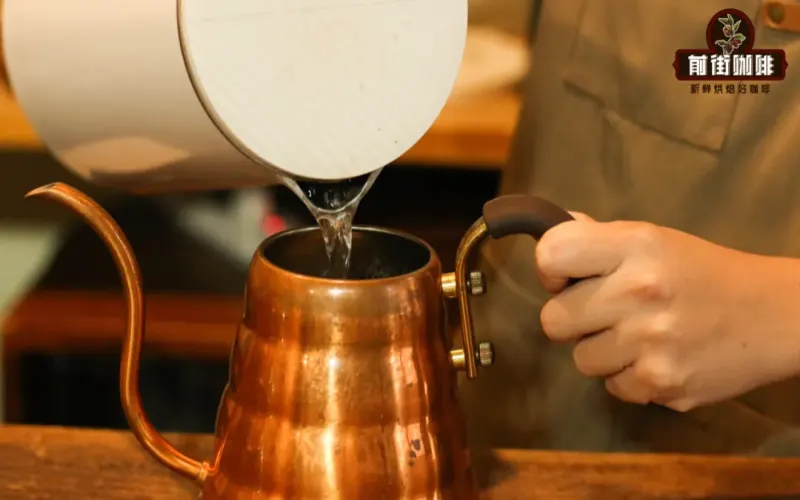
How to Choose a Pour-Over Coffee Pot? What Capacity Should You Pick? Can It Be Heated Directly? Everything Explained in One Article
Many friends who are just getting into pour-over coffee wonder: it's just brewing a cup of coffee, why do you have to use a specialized pour-over kettle? Can't an ordinary kettle pour water too? Is there really a hard-and-fast rule that you must use a pour-over kettle? What capacity should you buy? Can it be heated directly on the stove? This article addresses these frequently asked questions, first explaining that pour-over coffee actually has no mandatory requirement for a pouring tool, then comparing the differences between specialized pour-over kettles and tools like ordinary kettles, to help you understand what makes a pour-over kettle good, how to choose one, and what details to pay attention to when buying. [more…]
Pour-Over Coffee Equipment Buying Guide: How to Choose a Grinder, Gooseneck Kettle, Dripper, and Digital Scale
Want to get into pour-over coffee but feel overwhelmed by the dizzying array of gear on shopping platforms? On a limited budget, what should you prioritize, and how should you allocate your spending for the best value? Front Street Coffee breaks down the most essential pieces of pour-over equipment for you: the grinder, which determines the ceiling of flavor; the pouring kettle, which affects your pouring feel; the dripper, which influences filtration; and the digital scale, which makes your data visible. Starting from a ranking of importance, this article explains the key points for choosing each piece of gear and offers advice on pitfalls to avoid, helping you build a truly practical pour-over setup within a limited budget—so you take fewer detours and brew a delicious cup as quickly as possible. [more…]
How to Choose a Pour-Over Coffee Kettle? A Full Analysis of Materials, Spout Design, and Practical Brewing Techniques
Pour-over coffee has grown increasingly popular in recent years, and the pour-over kettle, as a core piece of equipment, directly affects extraction quality. With a bewildering array of materials, capacities, and spout designs on the market, how should you choose? This article starts from the essential function of the pour-over kettle, explores key purchasing considerations such as heat retention and spout shape, and shares pouring techniques and extraction principles. It also uses an enamel kettle as an example to demonstrate brewing, explaining how water quality, water temperature, and the coffee-to-water ratio affect flavor. Whether you are a beginner or an advanced enthusiast, you will find practical purchasing and brewing ideas here. Front Street Coffee's everyday bean recommendations are included as well. [more…]
A Complete Guide to Pour-Over Coffee Water Pouring Techniques: A Practical Guide from Water Control Practice to Stable Flow
Beginners just getting into pour-over coffee often find that pouring water is far harder than they imagined—the stream surges and sputters, and their hands shake badly. The state of the coffee bed after brewing directly reflects how evenly the water was poured. Water control is a skill that demands proficiency; only after developing muscle memory and thoroughly getting in tune with your pour-over kettle can you pour exactly as you wish. Normally, a complete novice can master a steady stream after about two and a half weeks of practice, but if you learn a few techniques in advance, you can pour a relatively steady stream in as little as three days. From Front Street's perspective, this article walks beginners through the key points of pour-over kettle spout selection, water volume control, pouring motions, and circular pouring practice, helping everyone avoid detours and quickly improve their brewing and tasting skills. [more…]
How to Choose a Pour-Over Coffee Kettle Spout? An Analysis of How Different Spouts Affect Water Flow and Brewing Results
Many friends who are just getting into pour-over coffee often encounter this confusion: with the same technique and the same parameters, why does the brewed cup taste different? Front Street Coffee recently had such a customer at one of its stores, and in the end the problem turned out to be the spout of the pour-over kettle. Differences in spout shape directly change the state of the water stream, which in turn affects how easy it is to pour and the final extraction result. This article will start from the size and width of the spout and other angles, analyzing in detail the water flow characteristics corresponding to different spouts, to help everyone make a choice that suits them better when buying a pour-over kettle—especially for beginners, this knowledge is particularly crucial. [more…]

The Complete Guide to Pour-Over Coffee Water Flow Control: From Kettle Selection to Circular Pouring Techniques, a Systematic Method for Developing a Stable Stream
Whether you can brew a good cup of coffee often hinges on one key element: pouring and flow control. Parameters can be adjusted through understanding and trial and error, but flow control is more of a technical skill that relies on muscle memory—it requires choosing the right equipment, adopting the correct posture, and practicing repeatedly. This article starts with the spout diameter and water capacity of the pour-over kettle, explaining how different choices affect the difficulty of practice. It then goes on to explain the posture points during pouring, such as the distance between your body and the dripper and the height of your arm. Finally, it provides a complete training sequence from a thin stream to a thick stream, and from a steady straight line to concentric circles, helping coffee enthusiasts build stable flow control skills in a short time. The article also retains practical observations and suggestions from Front Street Coffee stores for readers' reference. [more…]
A Complete Beginner's Guide to Pour-Over Coffee: A Hands-On Tutorial from Stance and Water Flow to the Extraction Process
Pour-over coffee, with its simple operation, easy-to-manage equipment, and ability to fully showcase coffee's vibrant aromas and clean taste, has become the preferred brewing method for many enthusiasts. However, behind the seemingly simple act of pouring water lie strict requirements for details such as water temperature, extraction time, water flow rate, and blooming rhythm. This article systematically outlines the fundamental operating standards of pour-over coffee—from stance adjustment, kettle-holding techniques, and the three-part water flow practice to the complete brewing process—helping beginners build a solid foundation and gradually achieve stable, gentle extraction. [more…]
A pour-over kettle promotional image sparks discontent in the coffee community; the merchant responds after being questioned for suggestive marketing.
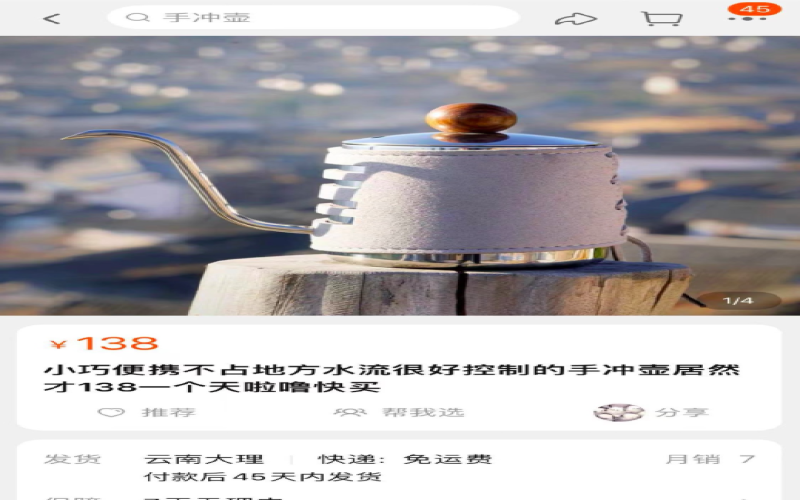
Pour-over kettles are essential tools for coffee enthusiasts, and many people keep several at home, using them separately for boiling water, brewing drip bags, or matching different occasions and bean types. Besides well-known brands like the B kettle, many also favor uniquely designed niche kettle styles. However, recently some netizens discovered that a Taobao merchant used revealing images of a female model in a corset on the product details page for a pour-over kettle, accompanied by ambiguous text, sparking strong disgust among coffee lovers. The relevant screenshots quickly spread on platforms like Xiaohongshu and Douban, with many condemning the marketing approach as vulgar and objectifying women. The merchant subsequently responded on WeChat Moments. The incident also brings to mind a previous controversy involving a coffee machine brand that used nude models for promotion. [more…]