







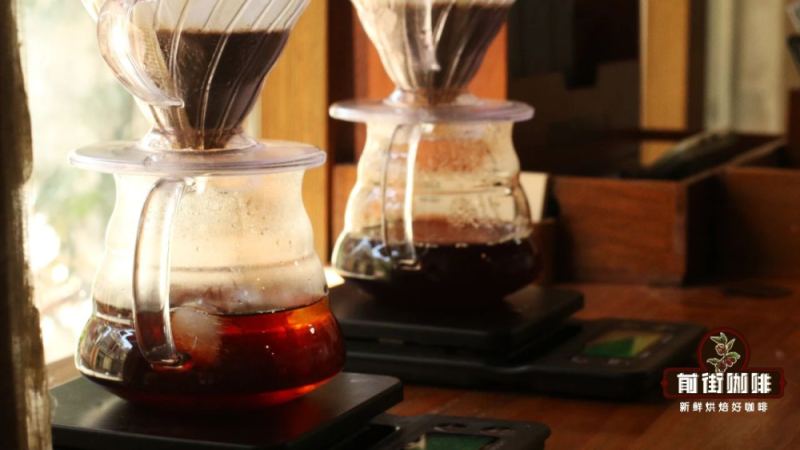
How to Make Coffee With a Coffee Maker and a Gooseneck Kettle
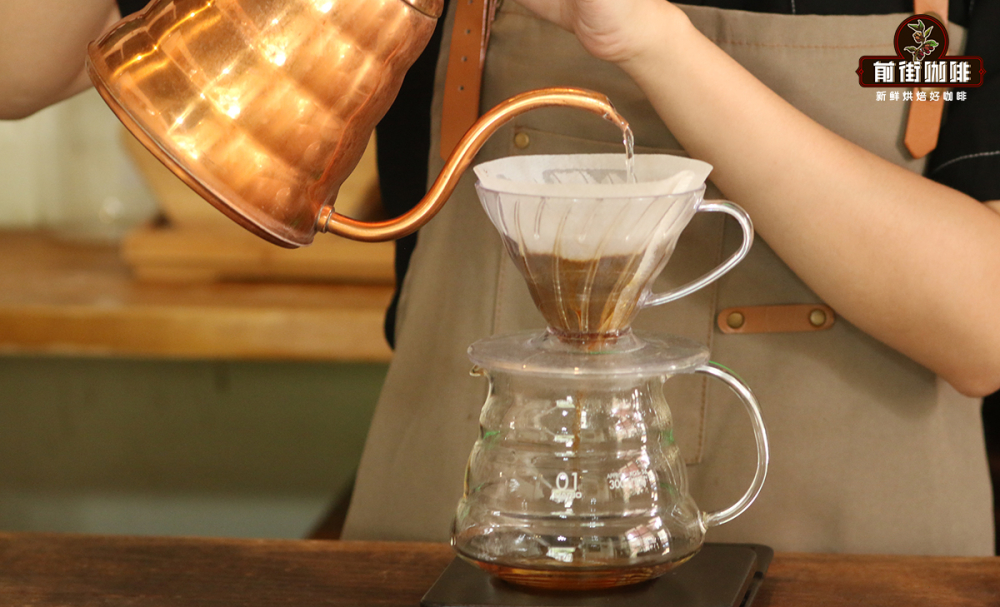
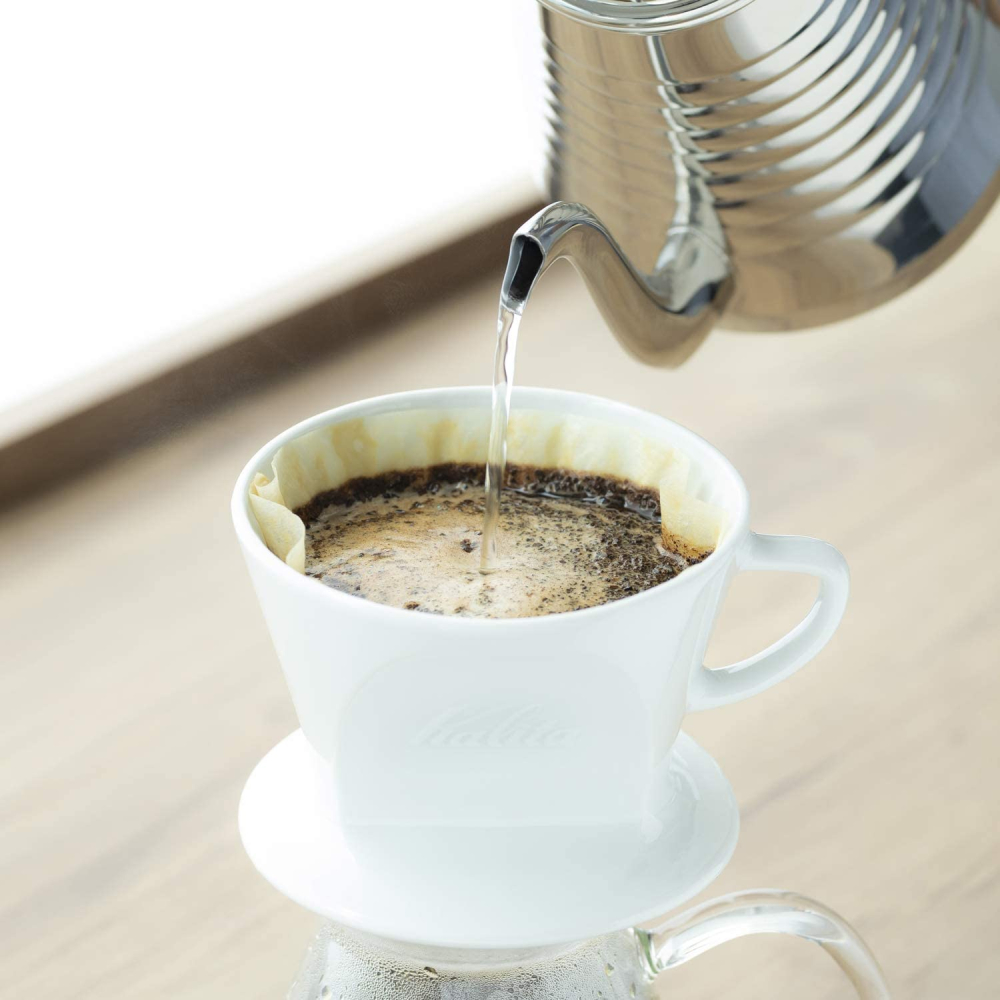
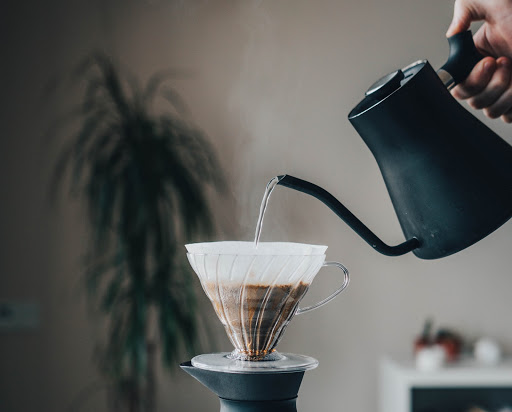
Pour-over kettles share a basic build of spout, body, handle, and lid, but small differences in spout shape change how the water flows and how evenly the coffee extracts. A gooseneck spout gives slower, more controlled pouring, while an ordinary kettle pours in wider, faster bursts that are harder to steer around the grounds.
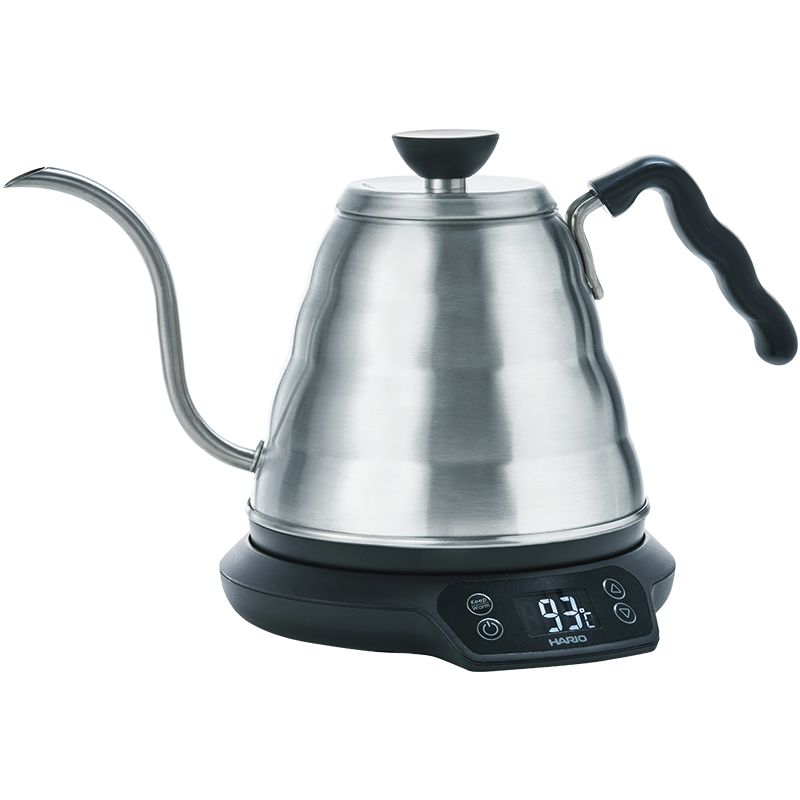
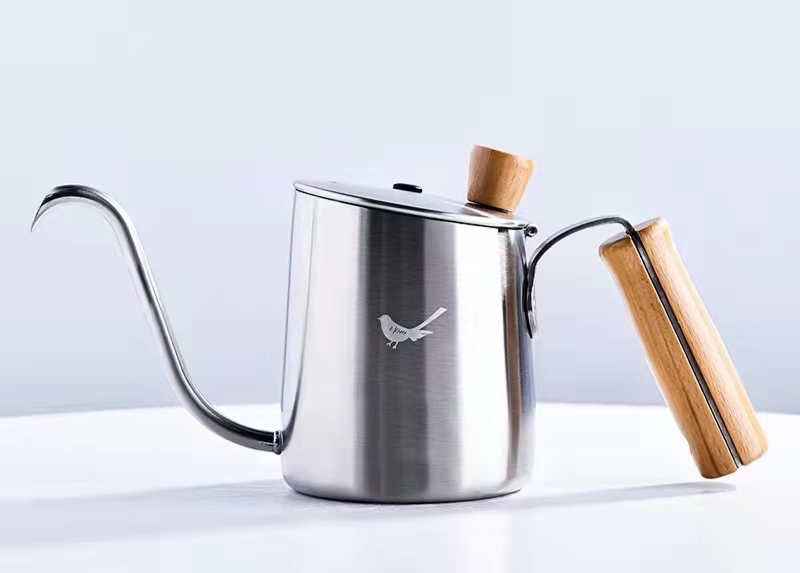
When shopping, weigh the spout angle, handle balance, and lid fit rather than style alone. Capacity matters too: a smaller body is easier to control for one or two cups, while a larger one holds heat for bigger batches. Compared with a standard kettle, a dedicated pour-over model trades volume for precision, which suits manual brewing better.
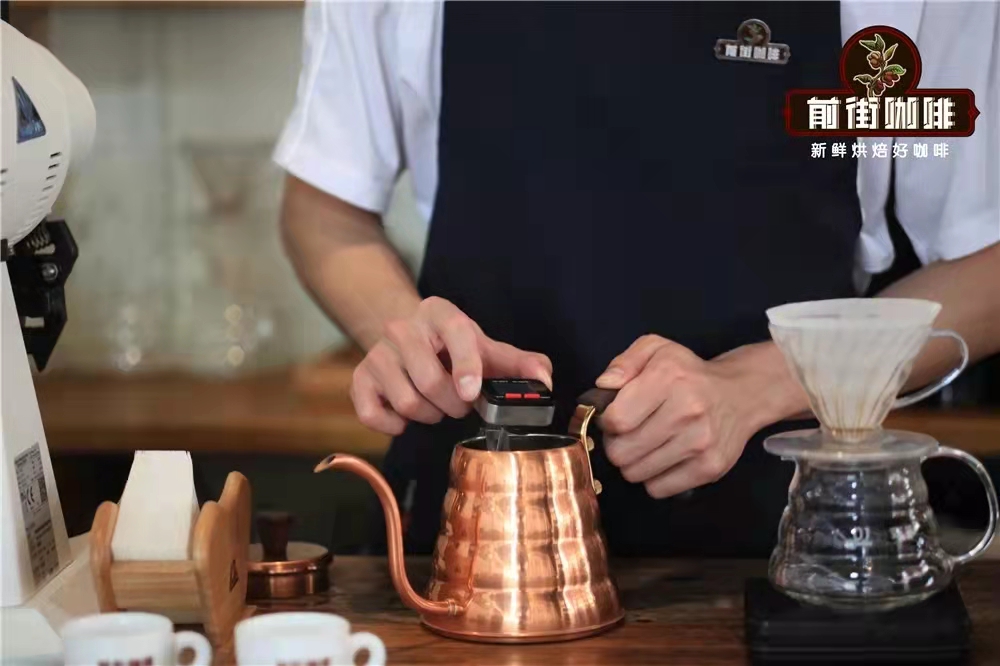
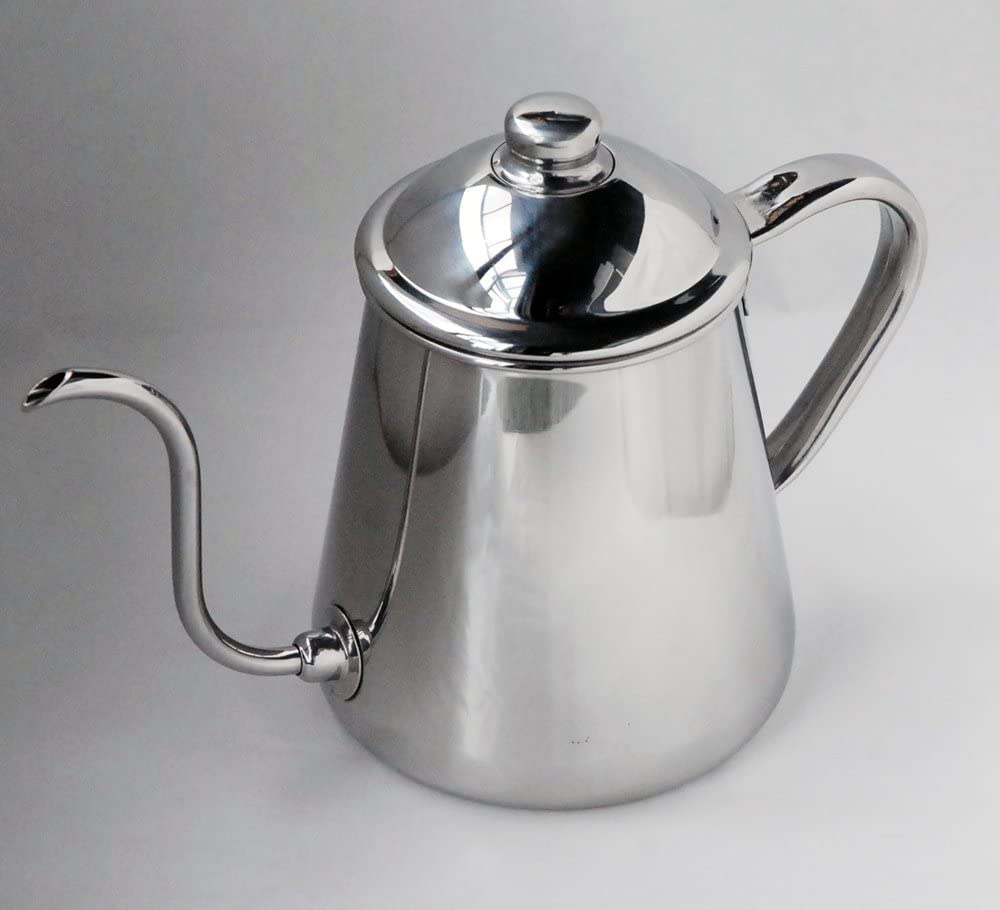
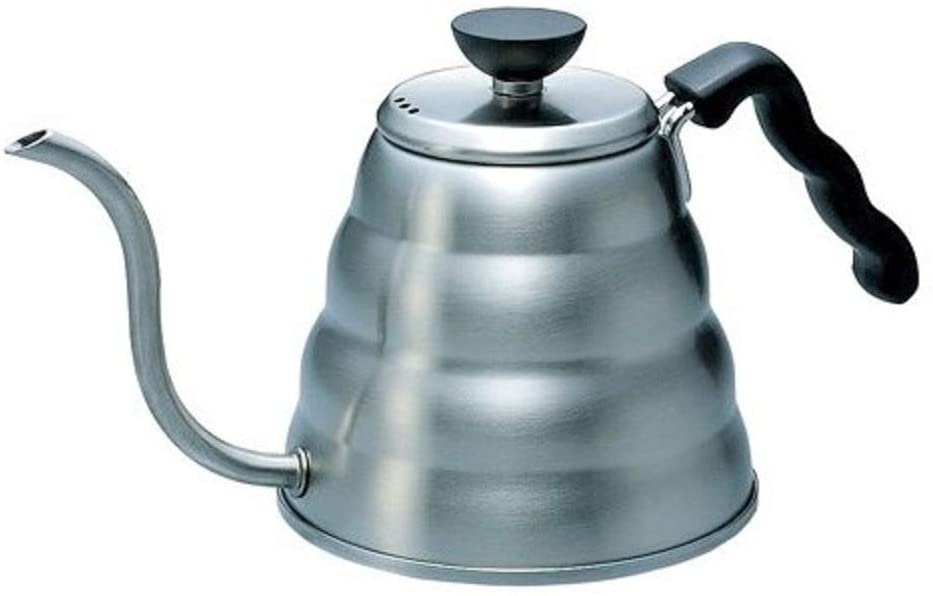
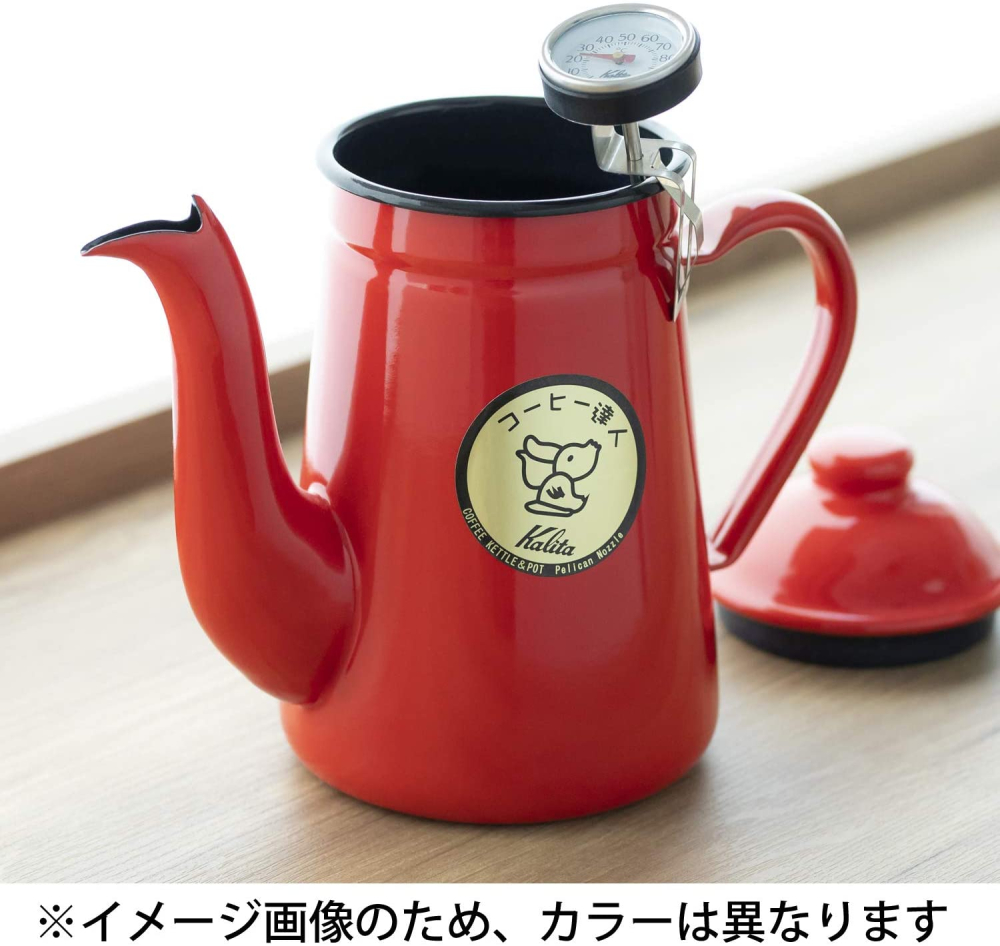
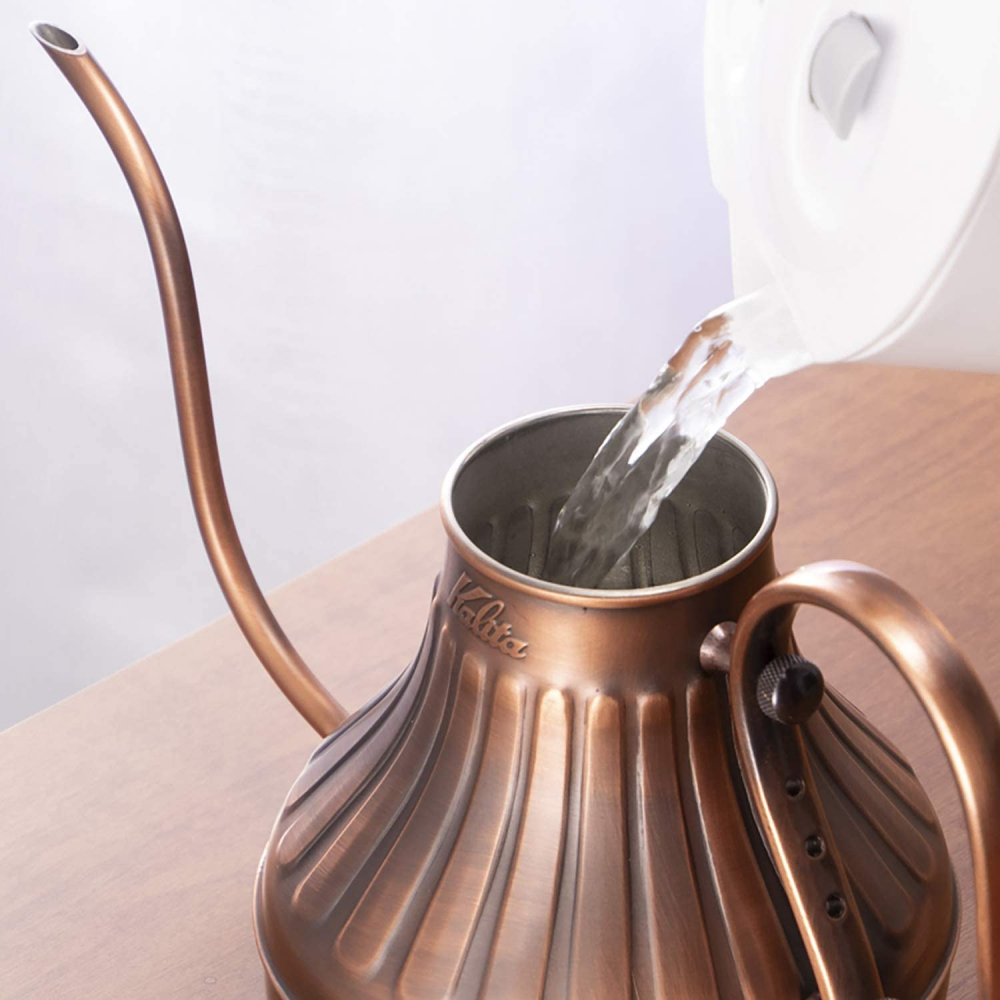
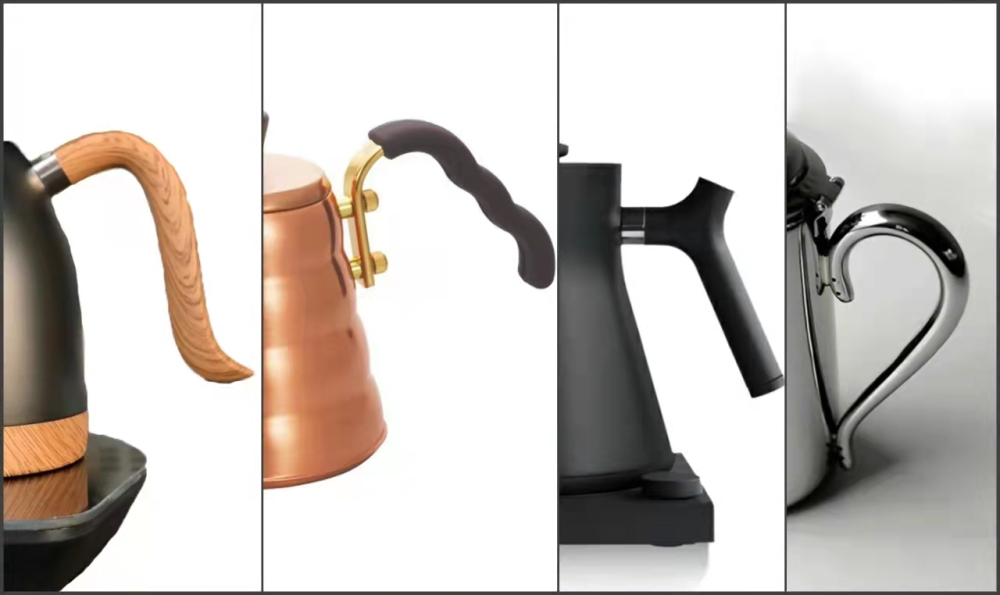
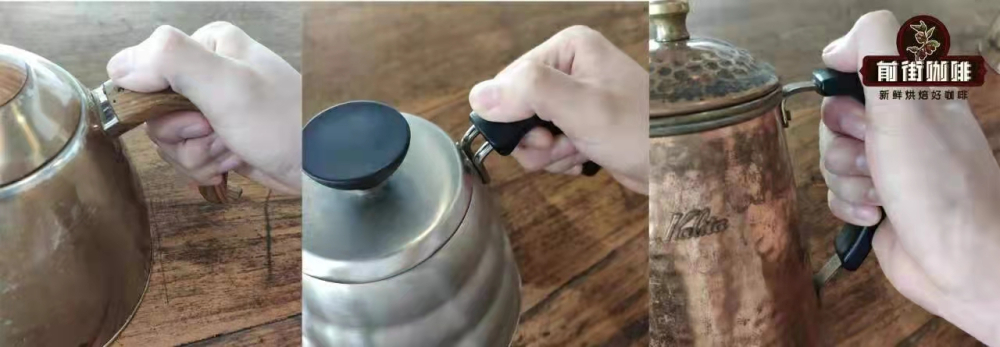
Faced with the dazzling array of coffee gear on e-commerce platforms, many enthusiasts feel at a loss about where to start. Take the pour-over kettle as an example: although the basic structure of most models consists of a spout, body, handle, and lid, subtle differences in shape directly affect water flow control and extraction performance. Starting from the structure of the kettle, this article analyzes the pouring characteristics of different pour-over kettles, compares the pros and cons of pour-over kettles versus ordinary kettles, and combines these with practical recommendations from Front Street Coffee to help you make a clearer judgment when shopping.
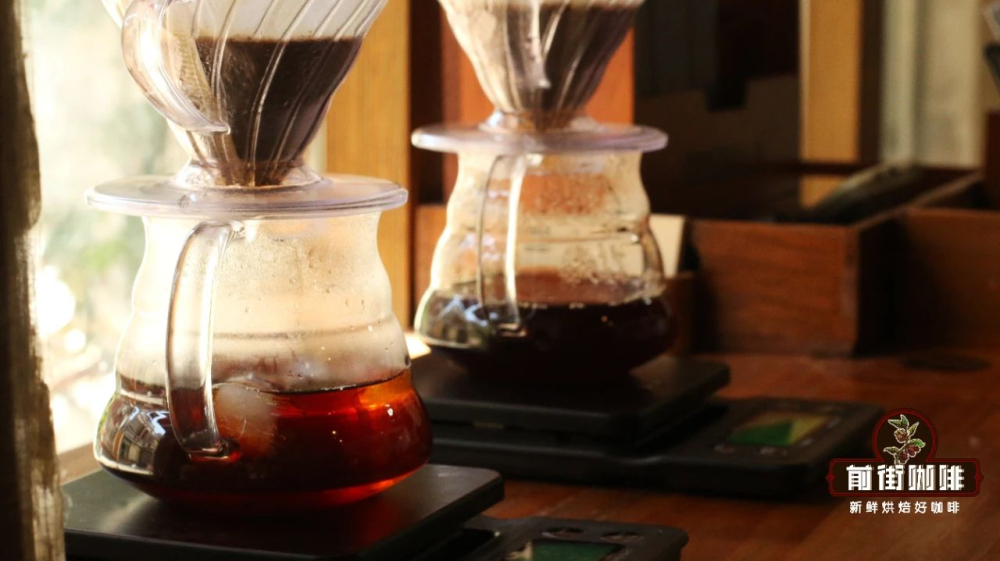
When choosing coffee gear, opening a shopping site floods you with all kinds of styles, and it's easy to get overwhelmed. Take the pour-over kettle, for instance: most products are made up of a spout, body, handle, and lid, but once the shape and design differ, the feel of pouring and the state of the water flow will show noticeable differences.
The above content is compiled by CoffeeHunters, a coffee news website.


