







Search Results for: Porto Valley
Panama Boquete Carmen Estate Geisha: A Full Analysis of Volcanic Terroir and Top-Five Cup Score Flavors
Located in the Boquete Valley of Panama, Carmen Estate, with an elevation of about 1,700 meters, volcanic soil, and diverse microclimates, produces high-quality coffee with prominent floral notes and layers of chocolate and caramel. This Geisha, carefully cultivated by three generations of the Franceschi family, has repeatedly ranked among the top five in professional cupping competitions in recent years. This article provides a complete overview of the estate's natural conditions, cultivation and harvesting, and processing techniques, as well as its award-winning results over the years, and includes Front Street Coffee's personally tested V60 three-pour brewing parameters, giving you a comprehensive understanding of the appeal of this famous Panamanian bean. [more…]

A major strike by Brazilian tax officials has affected major ports, hindering customs clearance for coffee exports, and prices may rise slightly.
Tax auditors from Brazil's Federal Revenue Service launched a strike from January 22 to 26, affecting major import and export channels including the Port of Santos and Guarulhos International Airport. During the strike, only perishable, fresh, dangerous goods, and pharmaceuticals and foodstuffs can obtain customs clearance; green coffee beans, as a primary agricultural food product, are not included in the release list and will be temporarily detained. The Port of Santos is expected to be unable to process 6,500 import declarations and 4,000 export declarations, and the port had already been experiencing severe congestion due to aging equipment, lagging management, and insufficient manpower, with 76% of vessels delayed in December. Combined with the impact of the Red Sea situation, coffee prices may continue to edge upward in the short term. This article will outline the scope of the strike, the affected goods, and the chain reaction in the market, and includes Front Street Coffee-related recommendations. [more…]

Yirgacheffe Misty Valley: The Terroir Story of Misty Valley and an Analysis of the Unique Charm of Natural-Process Beans
Yirgacheffe is renowned worldwide for its signature floral and citrus-lemon notes. After gaining independence from the Sidama region in 1995, it gradually became one of Ethiopia's most iconic coffee-producing regions. Among Yirgacheffe's many micro-regions, Misty Valley—with its high altitude, traditional natural processing, and the top-tier production of the Aricha processing station—has become a name of great prominence in the specialty coffee world. Front Street Coffee's Yirgacheffe Misty Valley is a classic representation of this region. This article will outline Misty Valley's geography and cooperative background, review the history of Baghi's improved natural method, and interpret the unique character of washed and natural processing existing side by side in this area. [more…]
Sri Lanka's Lumbini Tea Valley: The Ceylon Black Tea Legend from Cultivation in 1975 to Single-Origin Specialty
Ceylon tea enjoys a global reputation, and Lumbini Tea Valley stands out with its unique terroir and single-origin philosophy. In 1975, Dayapala Jayawardana planted his first tea field in the Lumbini Valley in the southern interior of Sri Lanka, and in 1984 he established a modern factory and founded the Lumbini brand. Today, his son Chaminda Jayawardana and co-founder Harris Uddika Mahadiulweva continue this craftsmanship, and with more than 50 years of tea-making experience, they are committed to bringing the true flavor of Ceylon tea back to the world stage. Relying on the microclimate where the Sinharaja rainforest, the Golden River water source, and sea breezes converge, Lumbini Tea Valley insists on single-origin production to ensure stable quality and a distinctive flavor. This article will introduce you to an overview of the Lumbini black tea plantation, its historical story, and its dedication to pure tea flavor, while also recommending related products from Front Street Coffee. [more…]
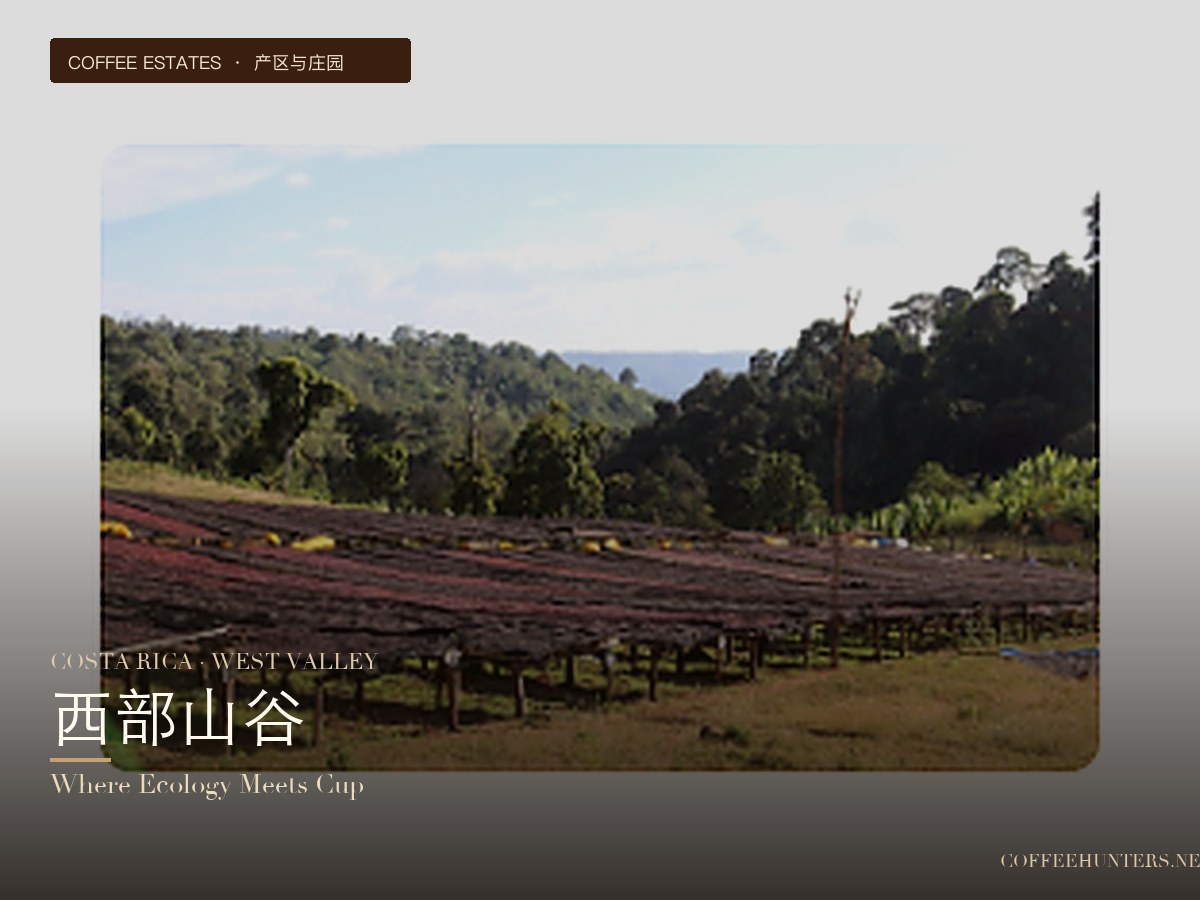
Costa Rica · Western Valley: A Representative of Ecological Specialty
The Western Valley is one of Costa Rica's four major specialty coffee regions, known for its eco-friendly growing philosophy and diverse processing methods. This article introduces the characteristics and signature flavors of this region. [more…]

Front Street Coffee Rose Valley Pour-Over Tips: Flavor and Brewing Points of Colombian Double Anaerobic Enzyme Washed Coffee
Front Street Coffee's Rose Valley, a Colombian coffee bean, is unforgettable from the first sip thanks to its distinct peach flavor, and its unique taste comes from a double anaerobic enzyme wash processing method. However, getting the ideal result when brewing this type of anaerobic bean is no simple task—the grind setting, water temperature, and pouring rhythm all need targeted adjustments. This article starts with the principles of anaerobic fermentation and, combined with Front Street's hands-on experience, breaks down the key points of brewing Rose Valley by hand one by one, including how to calibrate the grind size with a sieve, why the water temperature should be controlled at 90-91°C, and the specific parameters for a three-stage pour, helping you consistently reproduce that cup of Rose Valley with floral notes and fruity sweetness. [more…]

Front Street Coffee Rose Valley Double Anaerobic Enzyme Washed Process Explained: A Complete Guide to Flavor Sources and Brewing Techniques
Front Street Rose Valley coffee beans have become a favorite among many coffee lovers thanks to their unique flavors of rose, peach, and liqueur chocolate. Where exactly does this bean's alluring aroma come from? The answer lies in the double anaerobic enzyme washed processing method it uses. This article will break down each stage of this processing method step by step, from the coffee cherry's first anaerobic fermentation to the coffee bean's second enzyme anaerobic stage, and then to the drying stage, helping readers understand the principles behind the formation of these special flavors. At the same time, in response to the brewing difficulties of this type of anaerobically processed coffee bean, the article will also share practical techniques such as grind size calibration, water temperature control, bloom assessment, and three-pour brewing, so that you can consistently bring out the rich fruity aroma and sweetness of Front Street Rose Valley at home. [more…]

Full analysis of the flavor differences between Colombia's Flower Moon Night and Rose Valley coffee beans: a comparison of rose aromas from the two major producing regions of Huila and Santander
In the world of coffee, some beans have inherently poetic names, and Rose Valley and Flower Moon Night are prime examples. When many enthusiasts first hear these names, they can't help but wonder: do they really carry the scent of roses? And what sets these two beans apart? This article will take you on an in-depth exploration of Flower Moon Night from the Huila region of Colombia and Rose Valley from Big Tree Estate in the Santander region, analyzing everything from terroir and varieties to processing methods and final cup profiles. This Flower Moon Night selected by Front Street Coffee comes from the Astorga Estate in Huila, while Rose Valley originates from Big Tree Farm. Both are Caturra variety, yet due to different processing methods—anaerobic natural and double anaerobic enzyme washed—they present completely distinct flavor directions. After reading this article, you will clearly grasp the core characteristics and tasting points of these two beans. [more…]

Front Street Yirgacheffe Misty Valley: Comprehensive Flavor, Mouthfeel, Aroma Review and Origin Story
Front Street Yirgacheffe Misty Valley is a premium washed Arabica bean from the Sidamo region of Ethiopia. It gives off a rich citrus aroma; on the palate, orange and floral notes interweave and bloom, accompanied by a faint lemon freshness, followed by a creamy, full-bodied mouthfeel and the sweet finish of sucrose and dates. Overall it is clean and delicate, layered and complex, with a long-lasting finish. Misty Valley is located in the small town of Yirgacheffe, an area originally dominated by the natural processing method, which later became famous for its washed processing method, turning Yirgacheffe from a place name into a byword for specialty coffee. This article will guide you through a comprehensive understanding of this alluring coffee known as the "Queen of Coffees," covering its cupping flavors, regional background, varieties and processing methods, and the overall characteristics of Yirgacheffe. [more…]
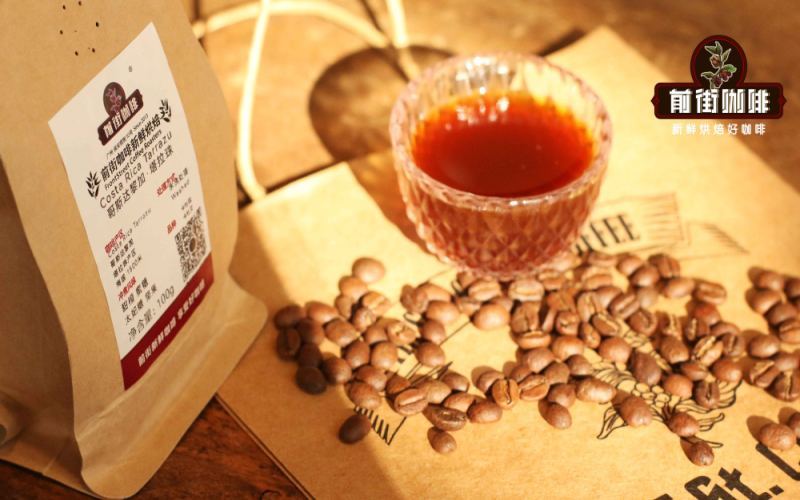
Comparison of Sun-Dried Coffee from Costa Rica's Three Major Regions: Analyzing the Flavor Differences Between Tarrazú, the Western Valley, and the Central Valley
Front Street Coffee has previously compared the differences among coffees from various Kenyan regions using the same processing method; this time, we turn our attention to Costa Rica. Also using natural processing, how much will the flavors differ among coffees from three major regions—Tarrazú, the Western Valley, and the Central Valley? This article will compare three beans—from the Pirong Processing Plant, Genesis, and Black Soul—one by one, from bean background, green bean appearance, and roasting curves to cupping and pour-over performance. If you haven't yet tried Costa Rican specialty coffee, you might start with the classic Front Street Tarrazú washed Caturra and savor its soft aroma of sweet orange, nuts, and chocolate. [more…]
Colombia Huila Coffee Flavor Analysis: A Comparative Recommendation of Two Single-Origin Beans, Rose Valley and Flower Moon Night
Colombia, as the world's third-largest coffee producer, nurtures many specialty coffees thanks to its high altitudes, volcanic soil, and mild climate. The Huila region is precisely the most representative star origin among them, known for its canyon-slope terrain and hand-picking. This article will focus on two distinctive single-origin coffees from the Huila region—Front Street Rose Valley and Front Street Flower Moon Night—breaking down the origin terroir, variety characteristics, and processing method differences one by one. Rose Valley uses a double anaerobic enzyme wash, with bright acidity reminiscent of fruit juice; Flower Moon Night undergoes anaerobic natural processing, with a rich yet balanced flavor. Although both originate from the Caturra variety, they present completely different flavor profiles due to different processing techniques. If you are interested in coffee beans with rose floral notes, you may want to follow Front Street's perspective and explore further. [more…]

A Detailed Analysis of the Double Anaerobic Enzyme Washed Processing Method: Colombia Rose Valley Coffee Flavor and Brewing Guide
Special processing methods have been steadily gaining popularity in the coffee world. These processing methods give coffee beans a distinctive flavor signature and rich aroma, forming a strong contrast with traditional processing methods. This article uses Front Street Coffee's Colombia Rose Valley coffee beans as a sample to deeply analyze the principles and characteristics of the double anaerobic enzyme washed processing method. Starting from the basic concept of anaerobic fermentation, it gradually breaks down the specific process of double fermentation, and combines the growing background of Big Tree Estate and the characteristics of the Caturra variety to present the complete picture of this bean. At the same time, it also includes Front Street's recommended V60 brewing parameters and operating steps to help coffee lovers reproduce Rose Valley's peach, cranberry, and liqueur chocolate flavors at home. [more…]
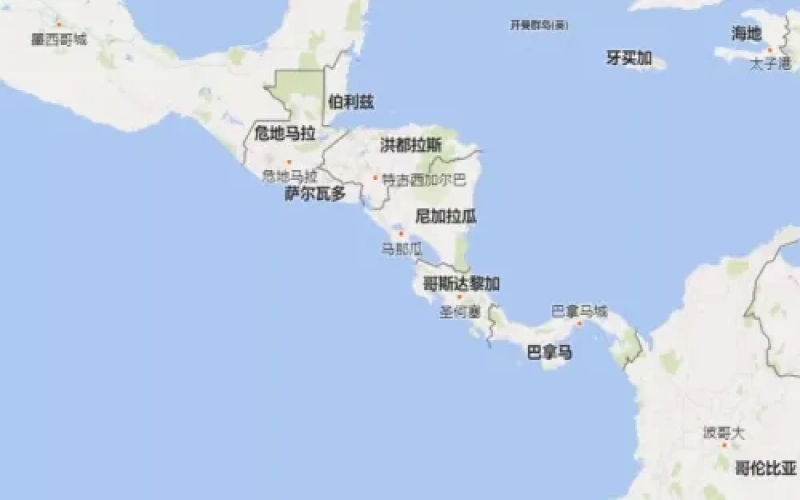
Exploring Costa Rica's Western Valley: From Coffee Cultivation History to the Path of Excellence at Hacienda La Hermosa
Costa Rica was the first country in Central America to cultivate coffee and is the world's fourteenth-largest coffee producer. With numerous volcanoes and a diverse climate, it offers superior conditions for coffee cultivation. As one of the country's three best-producing regions, the Western Valley region is known for its cool climate and renowned estates, such as Hacienda La Esmeralda (Beautiful Plain Estate), which has repeatedly achieved outstanding results in COE competitions. This article will guide you through the development history of Costa Rican coffee and the evolution of processing methods, and take a deeper look at the terroir and representative estates of the Western Valley region, while retaining Front Street brand recommendations, making it suitable reading for coffee enthusiasts. [more…]
Costa Rican Coffee Flavors and Analysis of Seven Major Regions: Tarrazu, Tres Rios, and Central Valley Characteristics
Costa Rican coffee has always been known for its balanced and mild character, and Front Street Coffee's Costa Rican coffee showcases this classic style: the harmonious blend of acidity, sweetness, and chocolate-like bitterness, with a smooth mouthfeel and little sharpness. The country has seven major coffee-producing regions, among which the Central Valley, Tarrazú, and Tres Ríos are the most well-known. In the 2007 Cup of Excellence competition, Cerro Bado from Tarrazú took first place, while Naranjo in the Central Valley swept second through fourth places. La Minita Estate in Tarrazú is known for its strict management, producing a million pounds a year yet selecting only 290,000 pounds as specialty coffee. In the Tres Ríos region, production has dropped sharply due to urban expansion, but Aquiares Estate has persevered to this day, with a bright and smooth flavor. This article will introduce in detail the characteristics of each producing region and their representative estates. [more…]

Where Does the Aroma of Colombia Rose Valley Coffee Come From? Analyzing the Role of Volcanic Soil and Anaerobic Enzyme Washed Flavor Formation
Front Street Colombia Rose Valley has become a highly talked-about coffee on the bean list thanks to its signature flavors of peach, cranberry, liqueur chocolate, and rose florals. Where exactly does its intense aroma come from? Is it a flavored bean? This article traces the real causes of Rose Valley's flavor step by step, from the volcanic soil of the Santander growing region and the characteristics of the Caturra variety to the anaerobic enzyme washed processing method that rose to prominence after 2014, and includes Front Street Coffee's in-store V60 brewing parameters and three-pour extraction steps to help you recreate at home that cup combining berry-like acidity with caramel sweetness. [more…]

Colombia Rose Valley and Floral Night Coffee: Flavor Differences, Processing Methods, and Pour-Over Parameter Analysis
Colombian coffee, with its hard bean characteristics brought about by high-altitude slope cultivation, has always been an excellent choice for single-origin coffee. The Rose Valley and Flower Moon Night launched by Front Street Coffee are both from Colombia and both of the Caturra variety, yet they present completely different flavor profiles due to different growing regions and processing methods. Rose Valley is known for its rich floral aroma and bright acidity, with a balanced sweet-and-sour taste like fruit juice; Flower Moon Night stands out with its striking strawberry jam flavor and fermented aroma. This article will compare these two coffees from three dimensions: growing region background, variety characteristics, and processing techniques, and will also include Front Street's brewing parameter recommendations to help coffee lovers choose the one that suits them best between the two. [more…]
Colombian Rose Valley Anaerobic Double Enzyme Washed Coffee Beans: Full Analysis of Santander Finca El Arbol Flavor and Brewing
In recent years, peach oolong tea-flavored beverages have become hugely popular, and many coffee lovers are on the hunt for coffee beans with a juicy peach aroma. The Colombia Rose Valley launched by Front Street Coffee is exactly such a bean—one sniff and you're smitten. It comes from Finca El Arbol in the Santander region of Colombia, uses an anaerobic double enzyme washed process, and is of the Caturra variety. This article provides a comprehensive introduction to this bean's regional background, the estate's processing methods, variety characteristics, Front Street's roasting records and cupping performance, and offers grind size calibration, water temperature control, and three-pour brewing suggestions specifically for anaerobic beans, helping you fully unlock its captivating flavors of peach, rose, and liqueur chocolate. [more…]

A Complete Guide to Coffee Enzyme Washed Processing: Anaerobic Fermentation Principles, Caturra Variety Characteristics, and Rose Valley Flavor
In the world of specialty coffee, innovative processing techniques are emerging one after another, with methods such as anaerobic fermentation, enzyme-assisted processing, and carbonic maceration gradually coming to the fore. This article focuses on anaerobic enzyme washed processing, a rather controversial method, analyzing it step by step—from the principles of fermentation, to the classic practice at Colombia's Finca El Diviso, to the botanical characteristics of the Caturra variety, and finally to Front Street Coffee's roasting and brewing approach. Through the representative product Rose Valley, readers can understand how double anaerobic enzyme washed processing affects coffee's acidity, sweetness, and overall flavor balance, and why it delivers a juice-like mouthfeel. [more…]
Costa Rica Central Valley Black Pearl Coffee Beans: Traceability, Flavor Analysis, and Brewing & Roasting Parameter Guide
Costa Rica is famous for its honey processing, but Front Street Coffee also brings sun-dried Central Valley Black Pearl and Red Pearl, showcasing fermented aromas, caramel, and fruity notes. This article starts with the history of Costa Rican coffee and its eight major producing regions, then details the Central Valley terroir, the characteristics of the Caturra and Catuai varieties, and the altitude grading system. It also takes an in-depth look at Las Lajas Estate and Sonora Estate, analyzing their special sun-dried and sun-dried processing flows. At the same time, it shares Front Street's brewing ideas for Black Pearl and Red Pearl as well as the Red Pearl roasting curve, providing a complete reference for coffee enthusiasts. [more…]
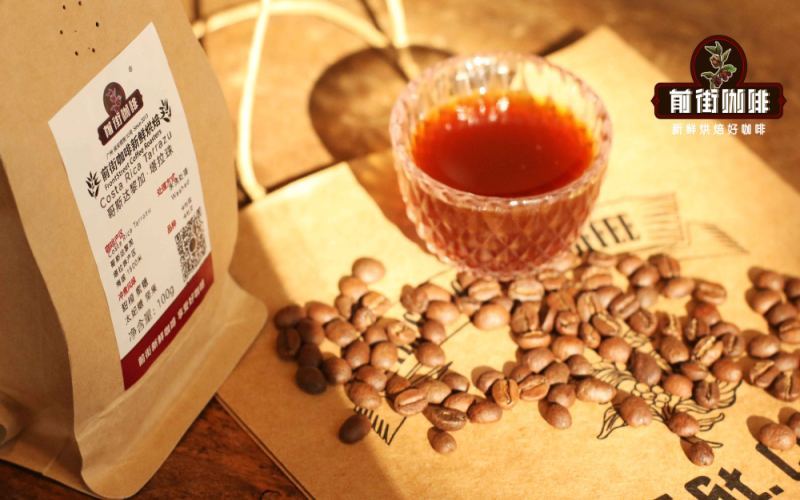
Costa Rica Red Honey Coffee Flavor Analysis: The Sweet-Acid Balance and Chocolate Texture of Las Haras Estate in the Central Valley
As the first country in Central America to cultivate coffee, Costa Rica boasts fertile volcanic soil and a suitable climate that nurture high-quality Arabica coffee with a balanced, mild profile and bright fruity acidity. This article focuses on Front Street Coffee's Costa Rica Las Haras Estate Red Honey processed coffee, offering an in-depth introduction to the characteristics of the Central Valley producing region, the background of Las Haras Estate, and its unique honey processing classification system. By comparing the pectin retention ratios and drying durations of Yellow Honey, Red Honey, and Black Honey, it analyzes how Red Honey processing delivers a substantial, syrupy mouthfeel and vivid fruity notes. It also shares the roasting curve and brewing parameters for Front Street Coffee's Blackberry Coffee, providing coffee enthusiasts with a complete flavor guide from producing region to cup. [more…]