







How Do Natural Process Costa Rica Coffees Differ by Region?
Three naturally processed Costa Rican coffees were compared side by side: Pilón from Tarrazú, Genesis from the West Valley, and Black Soul from the Central Valley. The comparison covered bean background, green bean appearance, roasting curves, cupping results and pour-over performance to show how much the growing region changes flavor.
Tarrazú sits in the Central American volcanic belt, with high altitude, fertile soil, ample rainfall and forest shade. Nearly 95 percent of its high mountain coffee is Strictly Hard Bean, normally grown above 1,500 meters. Beans from the region suit pour-over, cold brew, French press, moka pot and household coffee machines alike.
Front Street Coffee has previously compared the differences among Kenyan coffees from various regions processed with the same method. This time, we turn our attention to Costa Rica. Using the same natural process, how much will coffees from the three major regions of Tarrazu, the West Valley, and the Central Valley differ in flavor? This article will compare three beans—Pilón Micro Mill, Genesis, and Black Soul—one by one, from bean background, green bean appearance, and roasting curves to cupping and pour-over performance. If you haven't yet tried Costa Rican specialty coffee, why not start with the classic Front Street Tarrazu washed Caturra and experience its soft aromas of sweet orange, nuts, and chocolate.
Not long ago, Front Street compared flavor differences among Kenyan coffees from different regions processed with the same method. This time, we shift our gaze to Costa Rica to see whether coffees that also use the natural process but come from different regions will show significant flavor differences.
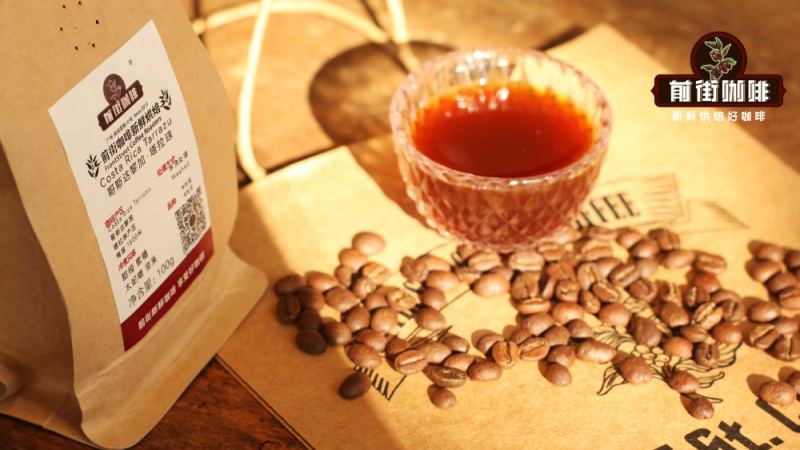
If you still haven't tried Costa Rican specialty coffee, it's recommended to start with the classic Front Street Tarrazu. This Caturra is grown in a local high-altitude area and uses the most common washed method, which does an excellent job of presenting the region's typical style, giving off soft notes of sweet orange, nuts, and chocolate when brewed.
The three beans compared in this round are: [Pilón] from the Tarrazu region, [Genesis] from the West Valley, and [Black Soul] from the Central Valley. Before the formal comparison, let's first get to know their basic backgrounds.
01 | Bean Introduction
| Pilón Micro Mill
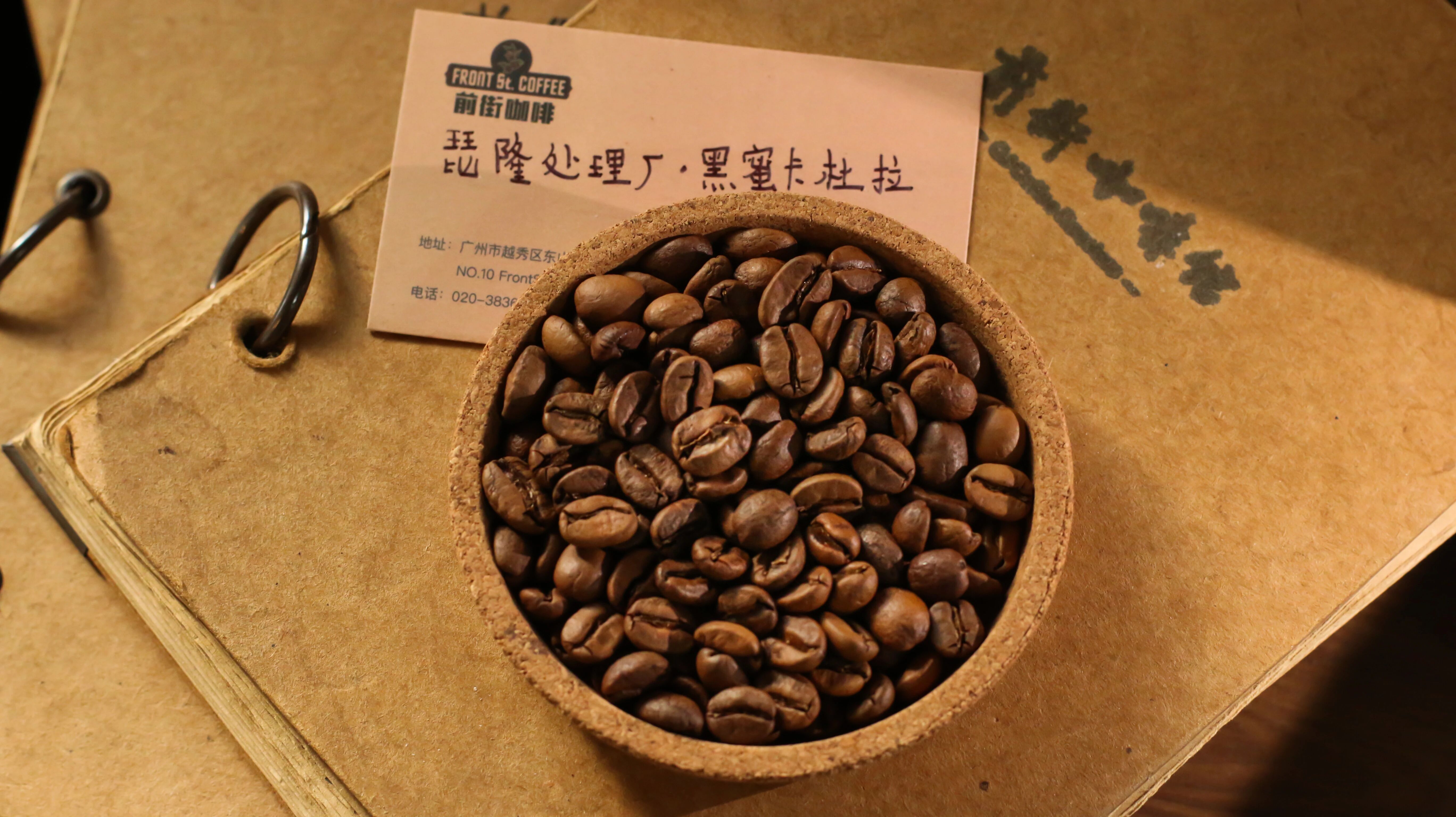
This bean comes from the Pilón Micro Mill in Costa Rica's renowned Tarrazu region and uses the black honey process. It is named for its particularly prominent blackberry aroma, and is suitable for a variety of extraction methods such as pour-over, cold brew, French press, moka pot, and household coffee machines.

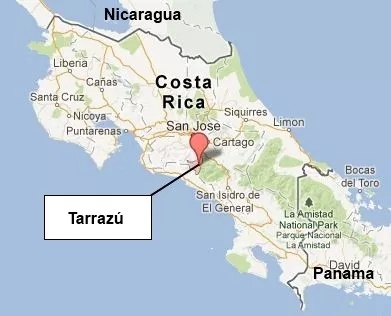
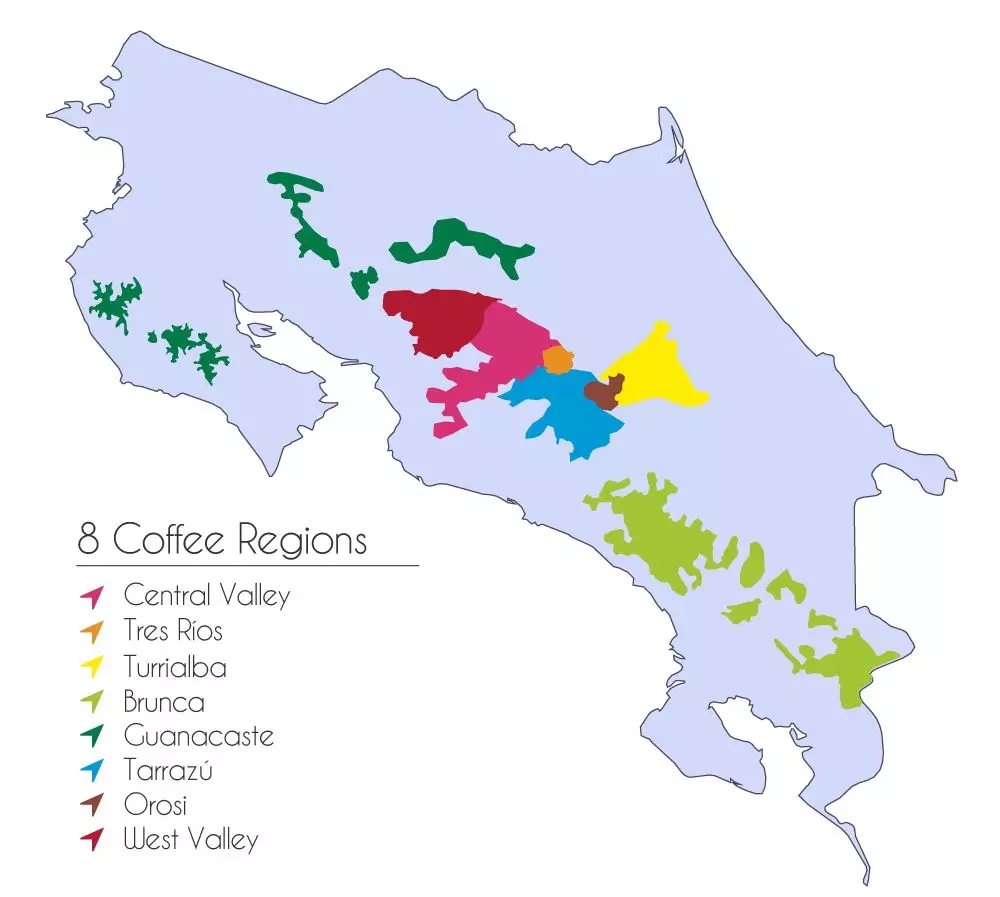
Tarrazu is located in the volcanic belt of Central America, with a humid climate, fertile volcanic soil, ample annual rainfall, high altitude, and large forests that provide natural shade, creating extremely ideal conditions for coffee cultivation. Of the coffee produced in Tarrazu's high mountain areas, nearly 95% is Strictly Hard Bean (SHB), usually grown above 1,500 meters.
Pilón Micro Mill is Costa Rica's first government-approved full natural processing site. Its rare natural sun-drying method brings rich nutty chocolate and tropical honey apple aromas, demonstrating excellent natural flavor. The blue jeep logo printed on the burlap sack is exactly the tool they use to transport coffee.
The beans chosen by Japan's champion at the 2018 WBC World Barista Championship came precisely from Costa Rica's Pilón Micro Mill.
| Genesis
The Genesis bean comes from the West Valley, one of Costa Rica's seven major producing regions.
The West Valley has abundant volcanic soil, ample sunlight, an average annual relative humidity as high as 81%, abundant rainfall, and an average annual temperature of 21.5°C. Crops grow vigorously, and it is also very suitable for cultivating high-altitude quality coffee. In addition, the region has distinct dry and wet seasons, and the coffee harvest season happens to fall in the dry season, meaning there is enough sunlight for sun-drying after washing—an advantage rarely seen in other Costa Rican regions (almost all other famous regions use mechanical drying). The average growing altitude is between 1,000 and 1,600 meters.
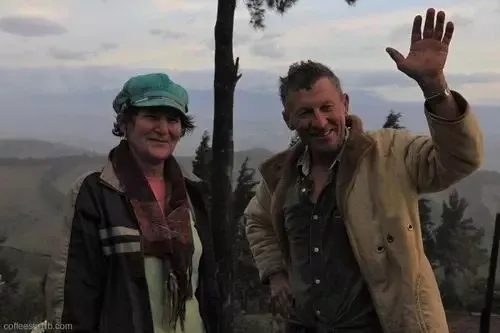
Genesis is one of Costa Rica's earliest micro-lot processing plants and is currently managed by Oscar Mendez and his wife Olga. The couple has been engaged in coffee production for many years, plays a leadership role in the community, and has shared considerable experience and knowledge with nearby farm owners. They purchase coffee cherries from local farmers and complete green bean processing at Genesis. Producers can choose to pay a processing fee or sell the cherries directly to the processing plant; the processed coffee is labeled with the farm name as recognition.
| Black Soul
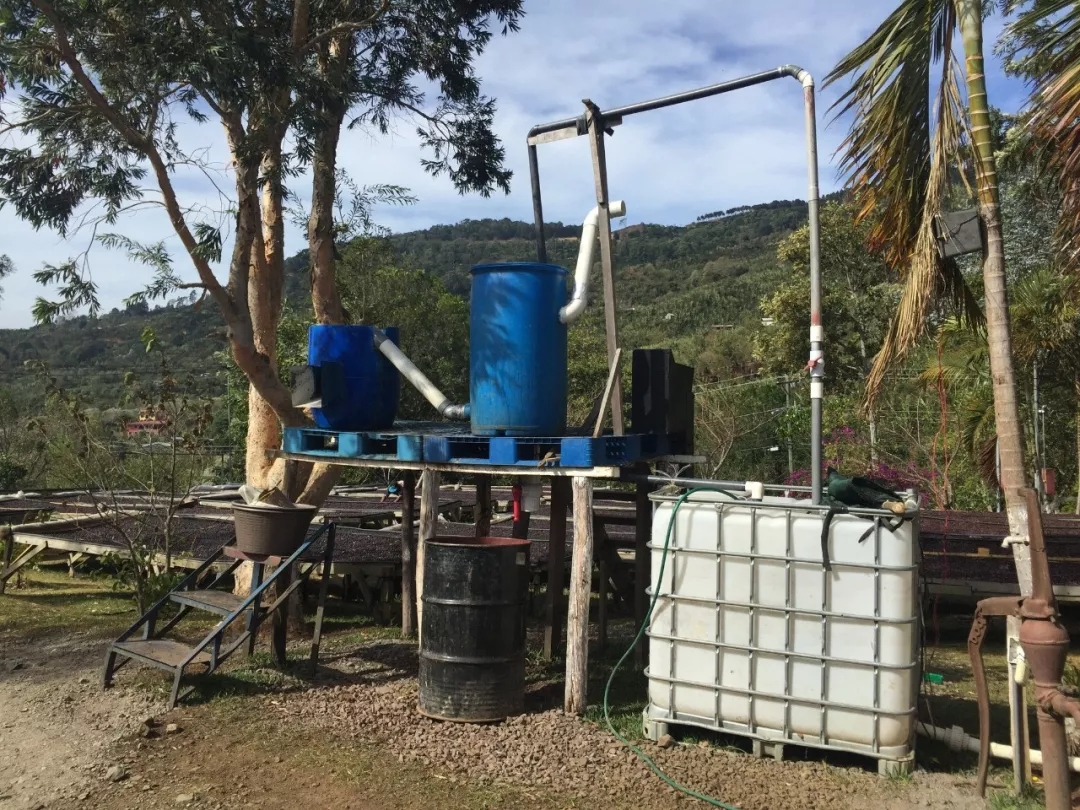
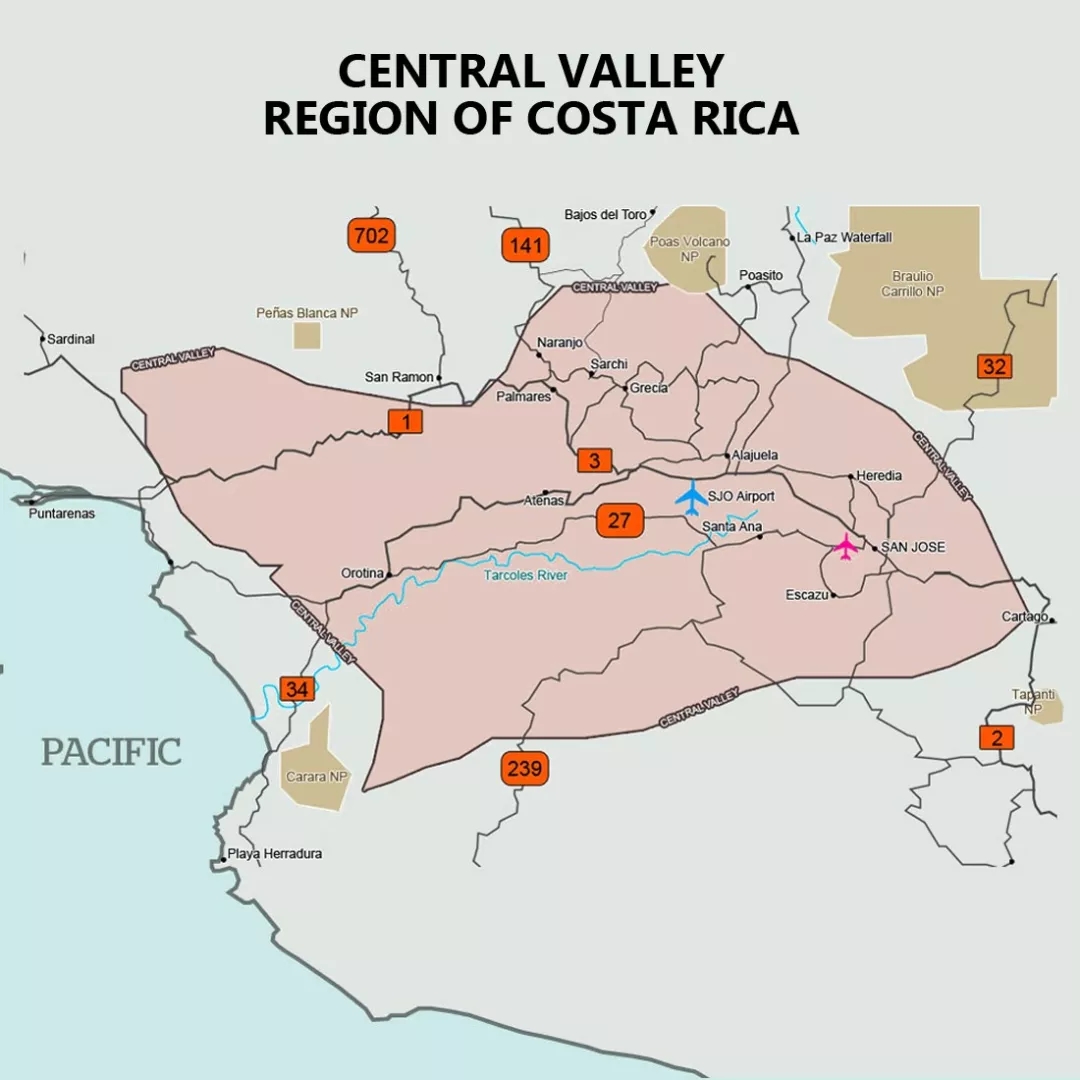
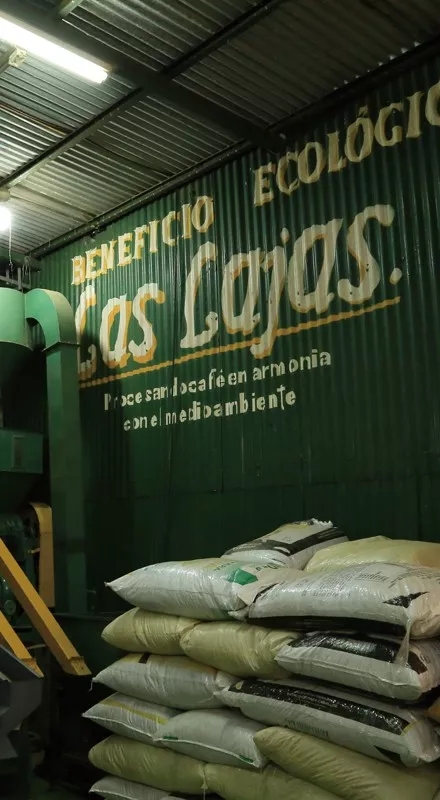
Black Soul comes from Hacienda Las Lajas in the Central Valley, Costa Rica's earliest coffee-growing region.
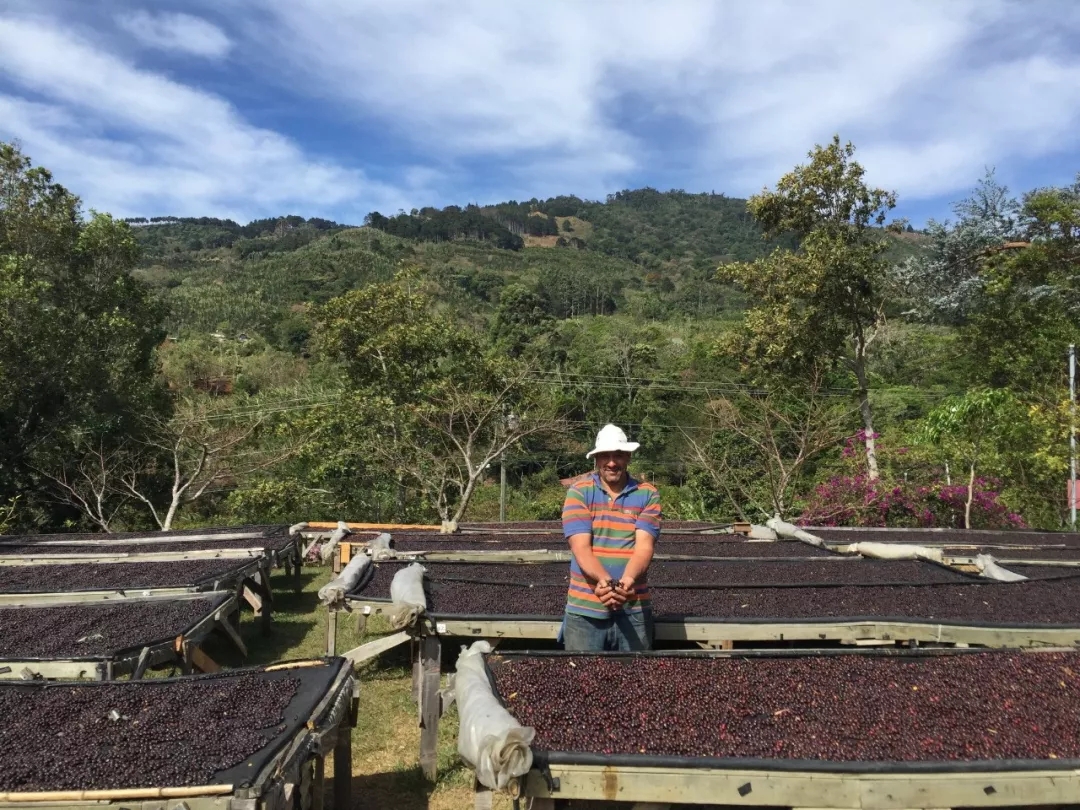
This region contains three high-altitude volcanoes: Irazu, Barva, and Poas, which provide abundant nutrients to the surrounding coffee-producing areas. Its superior microclimate, together with the fertile soils of the Pons and Barva volcanoes, gives the beans here outstanding characteristics such as chocolate and cocoa flavors, bright fruit acidity, and elegant aromas.
In the currently popular field of refined natural and honey processing in Costa Rica, Hacienda Las Lajas is one of the earliest estates to conduct systematic research and processing, and has been favored by buyers worldwide for many years. The estate is currently jointly run by third-generation owner Francisca Cubillo and her wife Oscar. It is located in the Central Valley region not far from the capital, very close to Poas Volcano, at an altitude of 1,250 to 1,500 meters, with an annual output of about 55,200 kilograms.

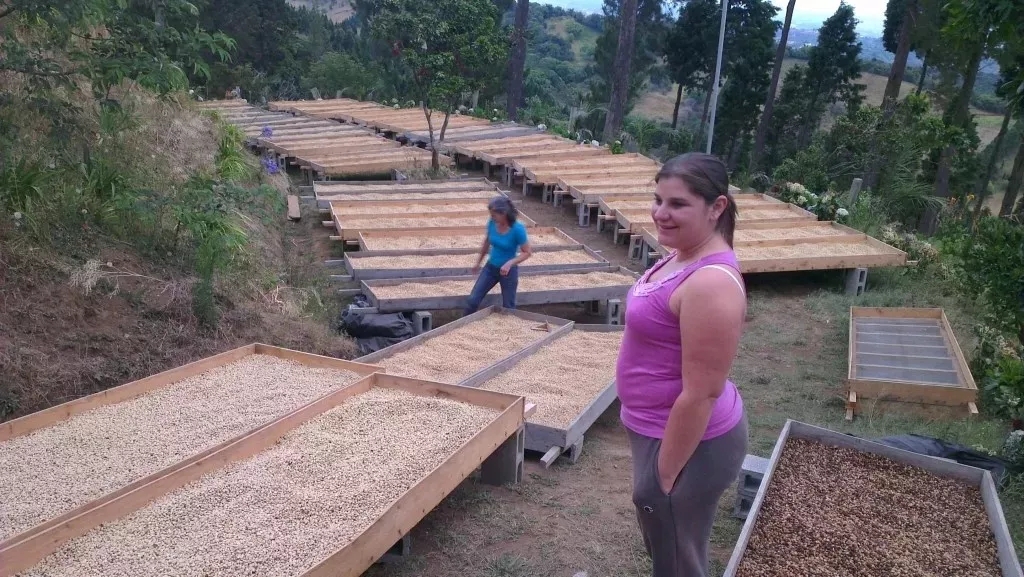
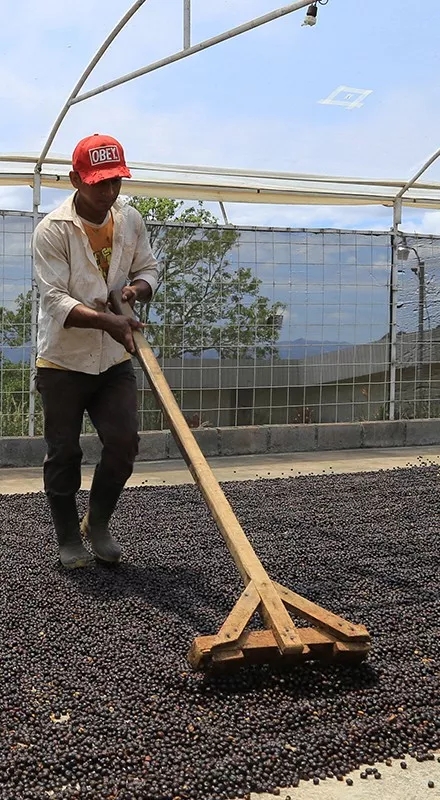
Many years ago, estate owner Francisca had always wanted to further improve the flavor performance of the estate's coffee. At that time, the vast majority of Costa Rican coffee farmers used the traditional washed method to meet the demands of the U.S. and European markets, so the owner began to research and improve many of the estate's facilities to better suit the needs of natural and honey-processed coffee. During the harvest stage, the owner used a sweetness meter (BRIX) to select qualified ripe red cherries, and also established an own wet-processing station for processing, finally placing them on African raised beds to complete subsequent drying.
02 | Green Bean Comparison
[Pilón]'s variety is Caturra, while [Black Soul] and [Genesis] are Caturra and Catuai. Both varieties are very common in the Americas.
Caturra is a natural mutation of Bourbon, discovered in Brazil in 1937. The tree is shorter than Bourbon. Because it inherits Bourbon lineage, its disease resistance is weaker, but its yield is higher than Bourbon. Although discovered in Brazil, Caturra is not suitable for growing there, so it was not planted on a large scale in Brazil; instead, it became widely popular in Central and South America, such as Colombia, Costa Rica, and Nicaragua.
Catuai is a variety bred by artificial hybridization of Caturra and Mondu Novo. It has strong resistance to natural disasters, especially wind and rain. The tree is shorter, and compared with other coffee trees, the fruit is firmer and not easy to pick. The fruit can be red or yellow.
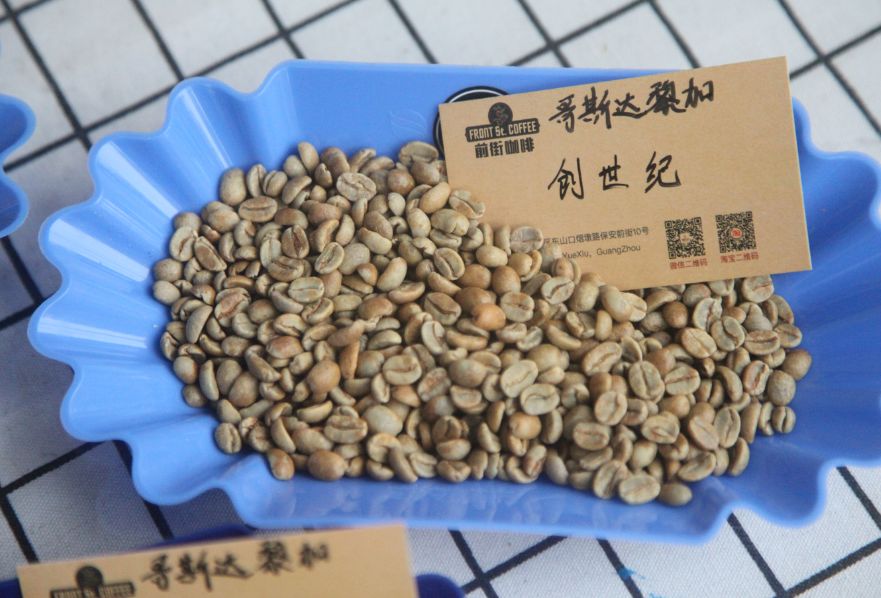
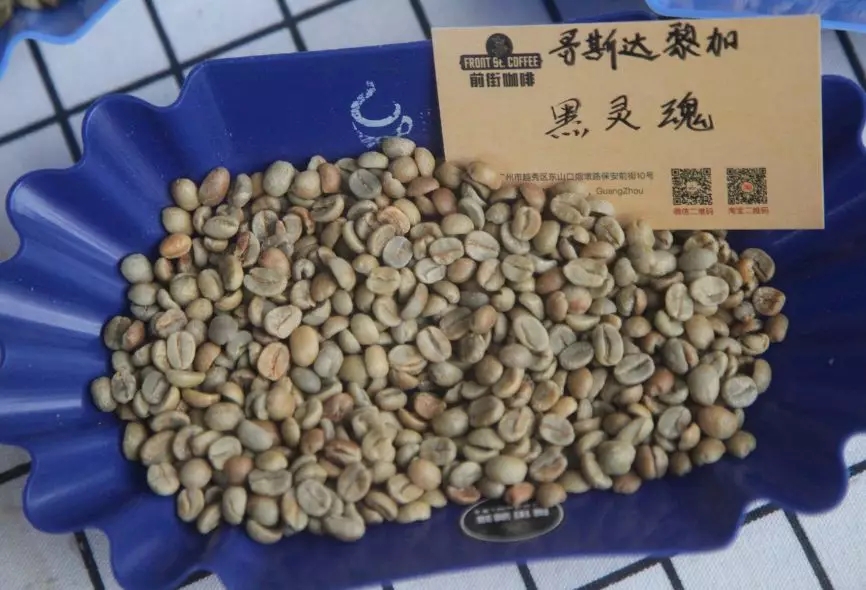
In terms of green bean appearance, [Pilón] has less remaining silver skin, the bean body tends toward blue-green, and it smells of smoked plum and berries; [Black Soul] and [Genesis] have more silver skin and are clearly yellow; [Black Soul] smells of a light hawthorn-like acidity, while [Genesis] carries notes of fermented berries and grass.
03 | Roasting Comparison
[Pilón Micro Mill]
Yellowing point at 5 minutes 25 seconds, first crack began at 9 minutes 22 seconds at 188°C, and after 1 minute 45 seconds of first crack development, the beans were discharged at 196°C.
Agtron bean color value 68.5 (upper image), Agtron ground color value 81.2 (lower image), Roast Delta value 12.7.
[Genesis]
Yellowing point at 5 minutes 20 seconds, first crack began at 9 minutes at 185.7°C, and after 1 minute 45 seconds of first crack development, the beans were discharged at 195.5°C.
Agtron bean color value 70 (upper image), Agtron ground color value 78 (lower image), Roast Delta value 8.
[Black Soul]
Yellowing point at 5 minutes 15 seconds, first crack began at 8 minutes 50 seconds at 185.4°C, and after 1 minute 55 seconds of first crack development, the beans were discharged at 195°C.
Agtron bean color value 70 (upper image), Agtron ground color value 81.5 (lower image), Roast Delta value 11.5.
04 | Flavor Comparison
| Cupping
[Pilón Micro Mill] Rich fermented vinous aroma, with flavors of orange, almond, berries, sweet rice wine, and whiskey.
[Genesis] Fermented fruit aroma, accompanied by citrus, cream, nuts, and cocoa flavors, with a slight tea-like quality.
[Black Soul] It smells of fermented fruit and floral notes. On the palate, it presents citrus, sweet orange, and plum acidity, with an obvious juicy quality and a finish similar to fruit tea.
| Pour-over
Brewing parameters: Hario V60 dripper; water temperature 90°C, grind size BG 5R (80% passing through a Chinese standard No. 20 sieve), powder-to-water ratio 1:15, staged extraction.
[Pilón Micro Mill] It smells of rich red wine fermentation. On the palate there are flavors of berries, orange, and red berries, with an obvious red wine finish and a light sugarcane sweetness in the aftertaste.
[Genesis] Aromas of fermented wine, spices, and caramel. On the palate it is first acidic then sweet, with citrus and grapefruit flavors, a juicy quality, and a refreshing berry finish.
[Black Soul] It smells of fermented fruit. On the palate there is the sweet-and-sour note of smoked plum, citrus, and green apple; the middle section presents almond, nut, and cream flavors, and the finish carries a fruit tea sensation.
05 | Summary
After comparing the three beans, it was found that although they all come from Costa Rica, use the natural process, and are of similar varieties, there are still obvious differences in flavor.
Although they all carry an obvious fermented aroma when smelled, [Pilón]'s aroma leans more toward rich vinous notes, while [Genesis] and [Black Soul] tend more toward ripe fruit aromas.
When drinking [Pilón], whether hot or after it cools, including the finish, it feels very much like drinking a glass of wine.
Although [Genesis] has berry-like acidity when drunk, overall it leans more toward balanced chocolate, nut, and cream flavors.
[Black Soul] smells fermented, but on the palate it does not carry much fermented character. Instead, it offers a colorful tropical fruit sensation, with balanced sweet and sour notes and a very obvious juicy quality.
The above content is compiled by CoffeeHunters, a coffee news website.


