







How Does Huila Coffee Differ From Santander Beans?
Rose Valley and Flower Moon Night are both Colombian Caturra coffees, but they taste different because of where they grow and how they are processed. Rose Valley comes from Finca El Roble in Santander and shows intense floral aroma with bright, juice-like acidity. Flower Moon Night comes from the Acevedo Gading farm in Huila and leads with strawberry jam and fermented notes.
Colombian coffee beans origin shapes these profiles: trees grow on high-altitude slopes between roughly 1,200 and 2,000 meters, giving hard bean texture suited to single-origin brewing. Both farms use the Caturra variety, a Bourbon mutation with small trees, strong disease resistance and good yield, while Colombia also promotes Castillo, the variety behind Front Street's Sakura Coffee.
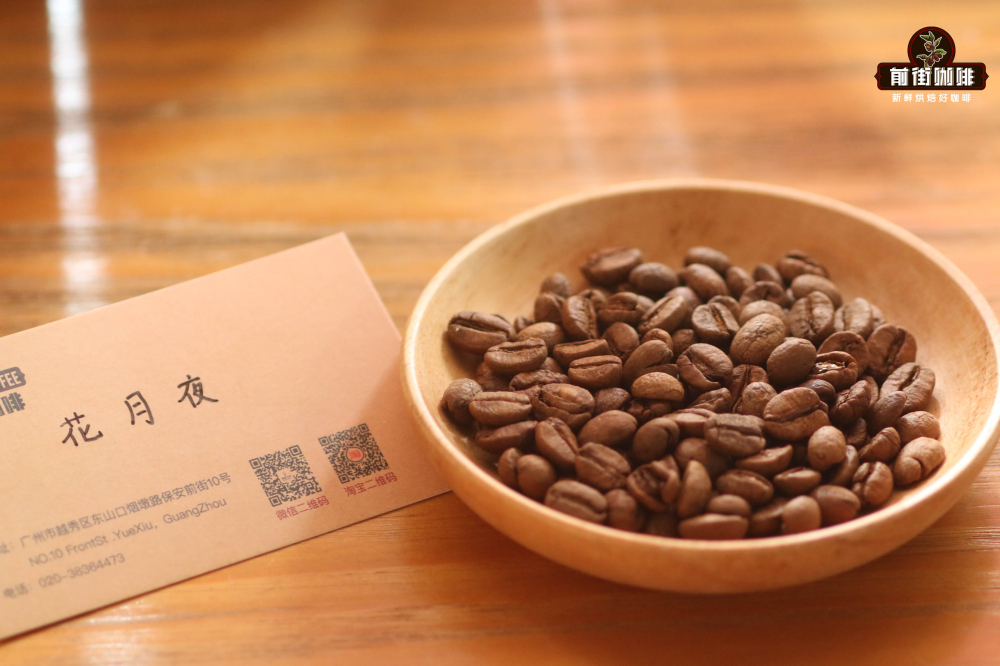
Colombian coffee, with its hard bean characteristics from high-altitude slope cultivation, has always been an excellent choice for single-origin coffee. The Rose Valley and Flower Moon Night offerings from Front Street Coffee are both from Colombia and both of the Caturra variety, yet they present completely different flavor profiles due to differences in origin and processing method. Rose Valley is known for its intense floral aroma and bright acidity, with a juice-like balance of sweet and sour; Flower Moon Night wins with its striking strawberry jam flavor and fermented aroma. This article will compare these two coffees from three dimensions—origin background, variety characteristics, and processing technique—and include Front Street's brewing parameter recommendations to help coffee lovers make the choice that suits them best between the two.
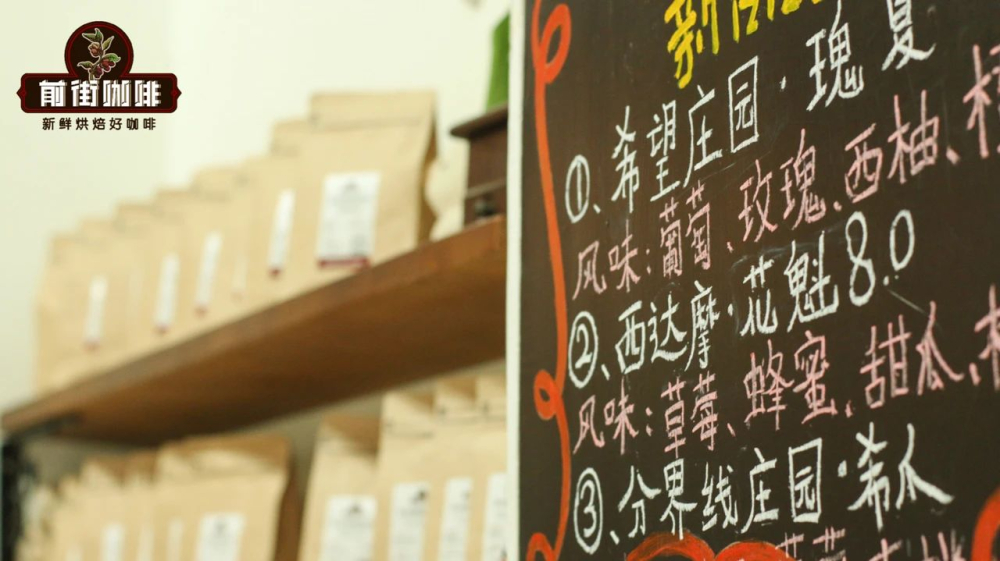
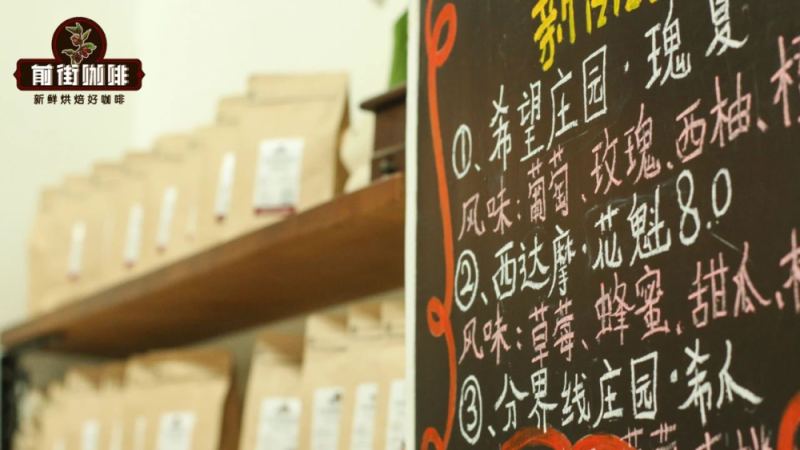
Friends who drink coffee regularly are certainly familiar with Colombia. Most coffee trees in this country are planted on high mountain slopes at relatively high altitudes, which gives the coffee beans a hard texture, making them perfect for single-origin coffee. Front Street carries quite a few Colombian beans, such as the Huila Coffee, Sakura Coffee, and Isabella Coffee in the daily drinking series. Today we're talking about two Colombian beans that use special processing methods—Flower Moon Night and Rose Valley—which are also among the more frequently ordered choices by Front Street customers.
These two coffees share some flavor similarities, both carrying strawberry notes and floral aromas. But upon closer tasting, the differences become apparent: Rose Valley's floral aroma is extremely intense, while Flower Moon Night's floral note is relatively subdued, but its strawberry jam aroma is very prominent—this is the most obvious difference between the two.
The two beans come from different origins. Rose Valley is from Finca El Roble in the Santander region, where coffees typically have strong flavor expression with a particularly vivid fresh herbal quality. Flower Moon Night comes from the Acevedo Gading farm in the Huila region of southern Colombia. Despite the different origins, both use the Caturra variety commonly found in Colombia—a Bourbon mutation with a small tree form, strong disease resistance, and considerable yield. In recent years, Colombia has been actively promoting the Castillo variety, and the Sakura Coffee sold by Front Street belongs to this variety.
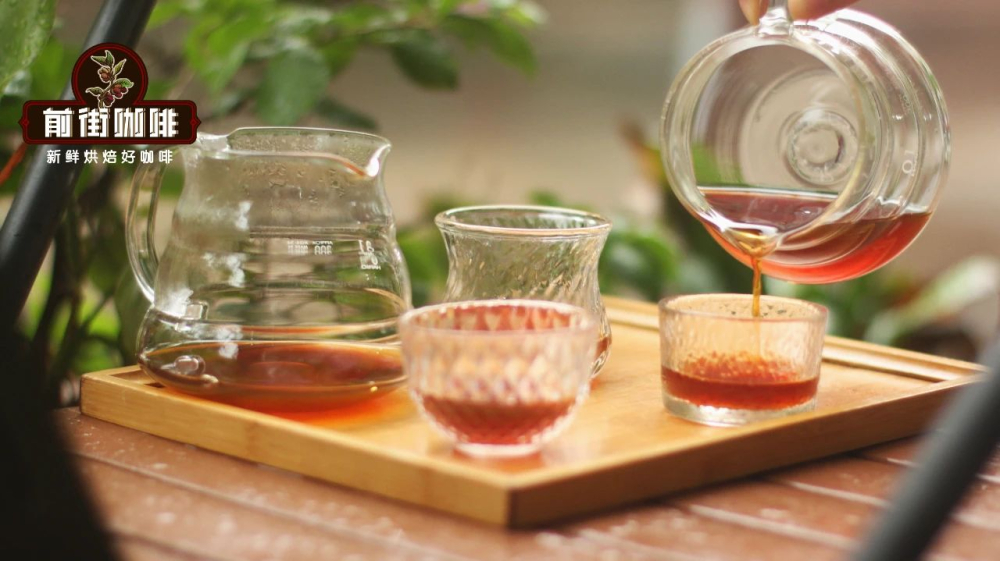
Next, let's look at the processing methods. Colombian coffee is mostly grown between 1,200 and 2,000 meters above sea level, with fertile volcanic soil and annual rainfall of 2,000 to 3,000 millimeters. The mild and humid climate, along with diverse climatic conditions, allows Colombia to harvest coffee year-round, making the washed process the most mainstream method locally. Front Street's Rose Valley, although also using a washed process, is not traditional washing—it incorporates special enzymes during the anaerobic fermentation stage, giving this bean a relatively bright acidity with interwoven sweet and sour notes, and the sweetness becomes more prominent as it cools.
Flower Moon Night does not follow Colombia's conventional washed route, but instead uses anaerobic natural processing. Speaking of natural processing, one can't help but think of the Brazilian semi-washed method that Front Street considers. Colombian beans and Brazilian beans are often compared together because both have a base profile leaning toward nuts and chocolate, but Brazilian beans have a more pronounced peanut butter flavor. For example, the Brazilian Queen's Farm offered by Front Street uses Brazil's original semi-washed method, with particularly distinct nut and cream flavors, carrying cane sugar sweetness and fermented wine aroma—very representative of Brazilian coffee's character, which is one of the reasons Front Street chose to carry this bean.
Although Flower Moon Night is also a Colombian coffee, its nut and chocolate flavors are not prominent on the initial sip, only becoming noticeable in the aftertaste as the coffee cools. In Front Street's Flower Moon Night, strawberry flavor is more dominant. Front Street has also observed that among customers who come to the shop for coffee, quite a few prefer floral or distinctly flavored coffees. Besides these two, Colombian Sakura's rich vanilla cream flavor is also particularly popular among female customers.
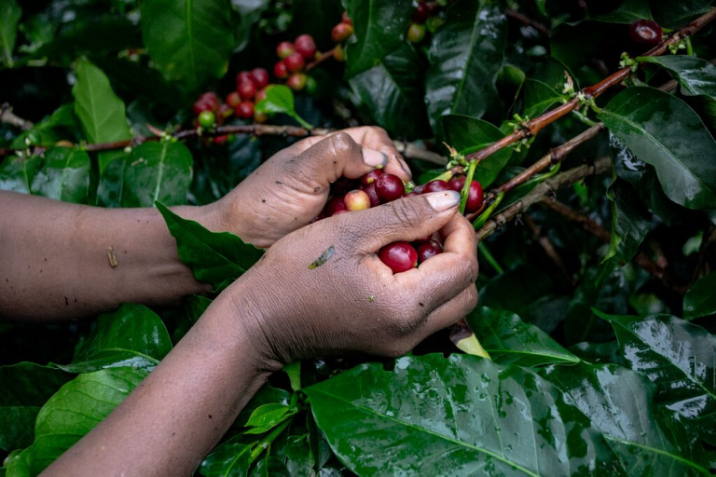
Flower Moon Night's anaerobic natural processing involves placing freshly harvested fully red coffee cherries into specially made stainless steel oxygen-controlled tanks, achieving controllable fermentation by adjusting oxygen levels, followed by one to two days of sun drying to achieve the desired flavor profile. Although both Flower Moon Night and Costa Rica's Monster Farm use anaerobic natural processing, their flavor expressions are completely different, showing that coffee beans from different origins each have their own personality.
Additionally, Front Street has noticed that many customers hesitate between Flower Moon Night and Rose Valley when ordering. This situation is very common, and if you really can't decide, you can consult Front Street's baristas. Overall, Rose Valley has a sweeter taste with excellent sweet-sour balance, drinking like juice with notes of grape, strawberry, and green plum. Flower Moon Night's strawberry jam flavor is very intense, with a heavier fermented aroma. Everyone can choose according to their own taste preferences.
Front Street Coffee Colombia Rose Valley Coffee Beans
Origin: Santander Region
Variety: Caturra
Processing Method: Double Anaerobic Enzyme Washed Process
Flavor: Floral, bright acidity, prominent sweet and sour, juice-like mouthfeel, grape, strawberry, green plum

Front Street Coffee: Colombia Flower Moon Night Coffee Beans
Origin: Huila, Acevedo Gading Farm
Variety: Caturra
Processing Method: Anaerobic Natural Process
Flavor: Strawberry jam flavor, floral, slight fermented aroma, dark cocoa aftertaste, cream
Front Street Brewing Recommendations
Coffee dose: 15 grams
Water temperature: 91°C
Ratio: 1:15
Grind size: Coarse sugar size (80% passing through No. 20 sieve)
Dripper: Hario V60 01
Front Street recommends using freshly roasted coffee beans for brewing, as this allows you to experience the coffee's rich flavors to the fullest. Coffee beans shipped by Front Street Coffee are all within 5 days of roasting, because Front Street deeply understands that freshness has an enormous impact on flavor. Front Street's roasting philosophy is "Freshly Roasted Good Coffee," ensuring that every customer who places an order receives the freshest beans possible. Coffee's resting period is about 4 to 7 days, so by the time customers receive it, it's at its optimal flavor state.
First pour: Start with 30 grams of water for a 30-second bloom.
Second pour: Add another 95 grams, finishing the pour at about one minute, with the scale showing approximately 125 grams.
Third pour: Continue adding 100 grams, finishing at about 1 minute 40 seconds, with the scale showing approximately 225 grams.
The extraction should finish dripping through in about 2 minutes. Remove the dripper and it's ready to enjoy.
For more specialty coffee beans, add Front Street Coffee's private WeChat: kaixinguoguo0925
The above content is compiled by CoffeeHunters, a coffee news website.


