







Search Results for: Peanut Butter Latte
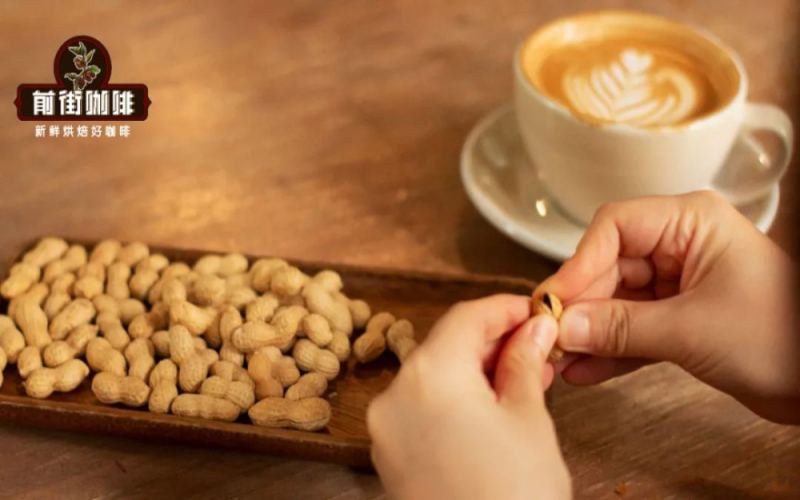
Can Peanut Butter and Coffee Be Paired? A Detailed Guide to Making Peanut Butter Hot Lattes and Iced Lattes
Can peanut butter be combined with coffee? Of course it can, and peanut butter lattes have already been appearing on plenty of coffee menus for quite some time. Today Front Street Coffee is going to talk about this distinctive flavored coffee: from ingredient selection and the ratio of peanut butter to condensed milk, to two different approaches for making it as a cold drink and a hot drink, we'll break it down step by step. The article will also share a key tip — whether peanut butter should be mixed with milk or with espresso, so that you can preserve the milk foam texture without losing the peanut flavor. Coffee lovers who enjoy trying something new might as well follow along and give it a try. [more…]
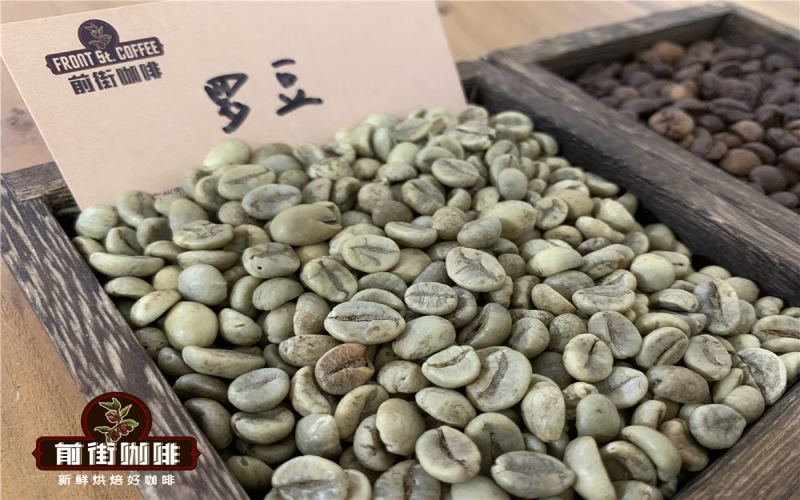
How to Identify Robusta Coffee Beans? Why Is It Cheap and How Much Does It Cost Per Jin—Explained in One Article
Among the three major coffee varieties, Arabica and Robusta have the greatest commercial value, but the specialty coffee circle almost only talks about Arabica. Robusta is often labeled "cheap" and "bitter"—where exactly did it originate? Why does it cost only half as much as Arabica? Roughly how much does it cost per catty? This article systematically sorts through Robusta's past and present—from botanical classification and historical ups and downs to flavor performance and practical uses—while retaining recommended information such as Front Street Classic Blend and Front Street Commercial Blend, helping coffee enthusiasts gain a comprehensive understanding of this underestimated coffee bean. [more…]
Does Robusta count as specialty coffee? Why is the price so low? How much does it cost per catty?
The coffee world is mainly divided into three major species: Arabica, Robusta, and Liberica, of which only the first two have commercial value. In the specialty coffee world, Robusta is almost entirely overlooked, and merchants often use 100% Arabica as a selling point. Robusta is often seen as a symbol of cheapness and bitterness, but it also had a glorious period, and today it is mostly used in instant coffee and espresso blends. This article will sort out Robusta's origins, flavor characteristics, differences from Arabica, and why it is cheap and how much it costs per catty, while retaining relevant recommendations from the Front Street brand to help coffee lovers gain a comprehensive understanding of this species. [more…]
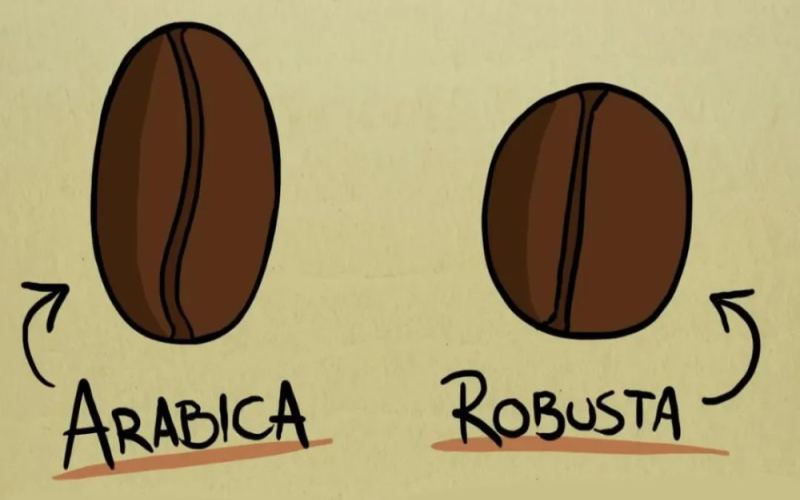
How big is the flavor difference between Arabica and Robusta? An analysis of Robusta's aroma characteristics and practical value
In the world of coffee, Arabica and Robusta are the two major varieties, with the former accounting for over seventy percent of global production and the latter about twenty percent. The two differ significantly in caffeine, fat, and sugar content, which directly gives rise to markedly different flavor profiles. Arabica is known for its soft sweetness and bright fruity acidity, while Robusta stands out for its rich, intense character with prominent nutty and grainy notes. Understanding their characteristics not only helps us better choose our everyday drinks, but also explains why Robusta is often added to espresso blends to enhance crema and body. This article will comprehensively analyze the differences between these two major varieties from the perspectives of flavor, composition, and practical application, and present Front Street Coffee's classic blend and commercial blend recommendations. [more…]
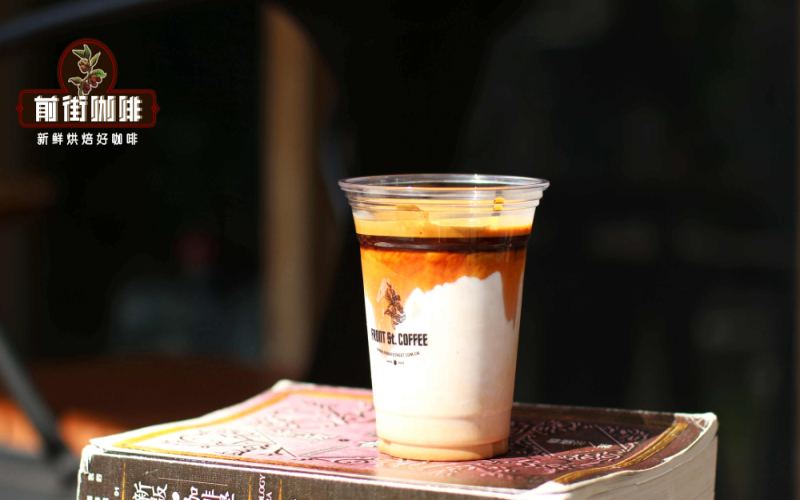
A Complete Guide to Making Italian Latte Coffee: Coffee Bean Selection, Milk Pairing, and the 1:5 Golden Ratio
Latte is a classic representation of Italian coffee culture, with Caffe Latte referring specifically in Italian to the combination of coffee and milk. A well-layered latte greets the palate first with a rich coffee aroma, followed by the interweaving of mild bitterness and milky sweetness, and finally leaves a lingering caramel aftertaste. To recreate such a flavor at home, the key lies in three aspects: choosing suitable espresso beans, selecting the right type of milk, and mastering the precise ratio of coffee to milk. This article will break down the key points of making a latte in detail, starting from the freshness, roast level, and flavor type of coffee beans, introducing the characteristics of several classic Front Street Coffee blends and SOE beans, and explaining the standards for milk selection and the golden 1:5 ratio, helping coffee enthusiasts easily make a professional-grade milk coffee. [more…]
A Complete Guide to Making Espresso Latte: Milk Ratios, Coffee Bean Selection, and Step-by-Step Instructions
In Italian, Caffe Latte literally means "milk coffee," but if you just order a "Latte" in Italy, all you'll get is a glass of plain milk. In China, latte has long since become synonymous with the classic combination of milk and espresso. To make a well-layered, richly aromatic latte at home, three things are key: choosing the right espresso beans, picking the right type of milk, and getting the ratio of espresso to milk just right. Starting from the three main points of bean selection, this article will go through the characteristics of Front Street Coffee's Classic Blend, Commercial Blend, Black Cocoa Blend, and other espresso beans one by one, then extend to the personalized choice of SOE, and finally provide the standard extraction parameters and milk quantity for a latte, to help you consistently recreate a delicious milk coffee. [more…]
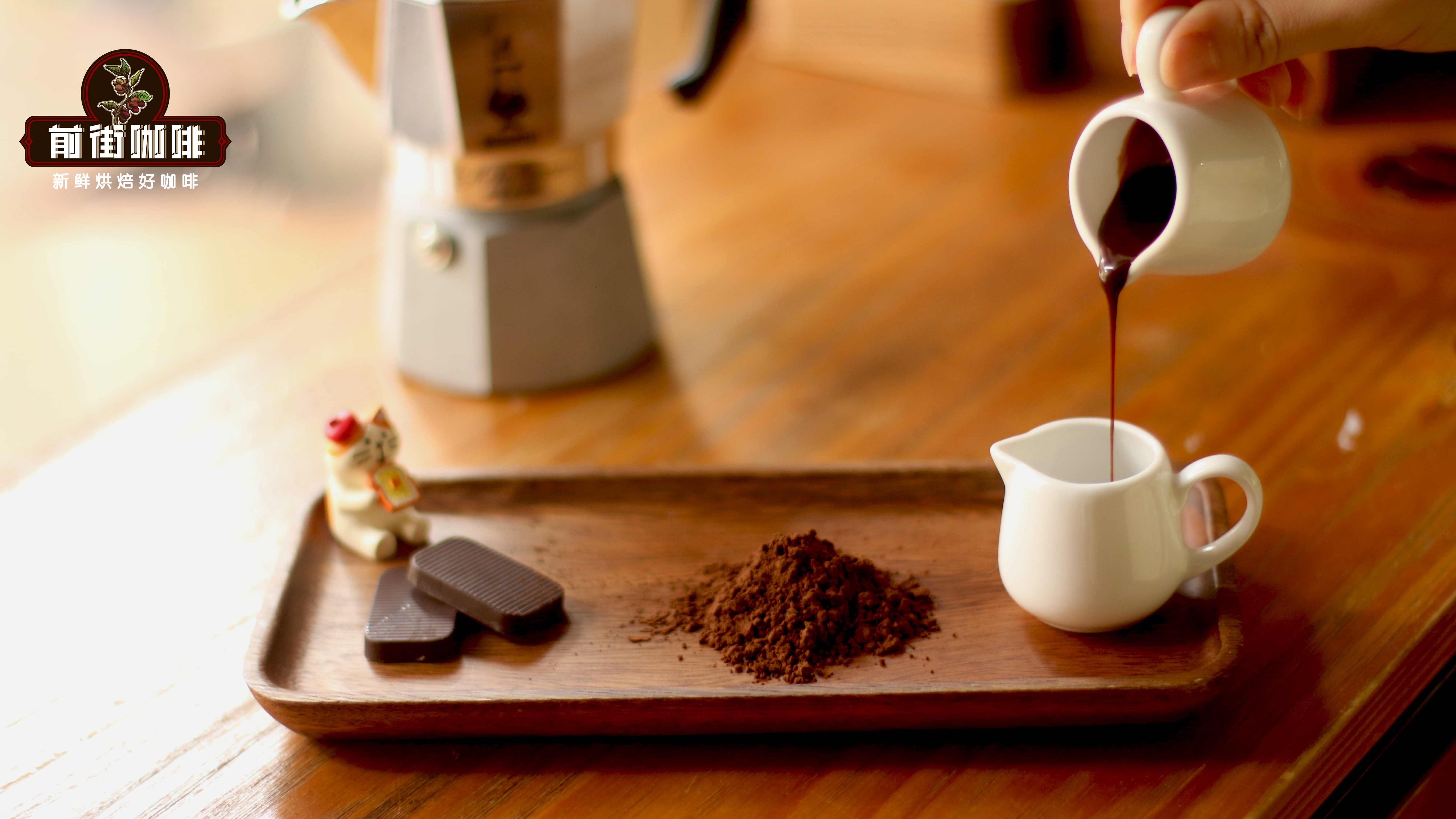
Brewing Cocoa-Flavored Espresso with a Moka Pot: Two-Serving Step-by-Step Guide and Six Front Street Coffee Bean Recommendations
For those who want to enjoy coffee with rich cocoa or chocolate notes at home without investing in an expensive semi-automatic espresso machine, the moka pot is an affordable choice for most coffee lovers. To bring out full cocoa and chocolate flavors in the final cup, two key threads must be grasped: first, choosing beans that naturally carry these flavors; second, achieving proper extraction with the moka pot. This article first analyzes how roast level and freshness determine flavor, then introduces six Front Street Coffee beans suitable for the Bialetti moka pot one by one, and finally provides a complete moka pot operating procedure, covering water filling, grounds distribution, heat control, and timing for turning off the heat, helping you consistently brew a rich, aromatic two-serving pot of coffee. [more…]
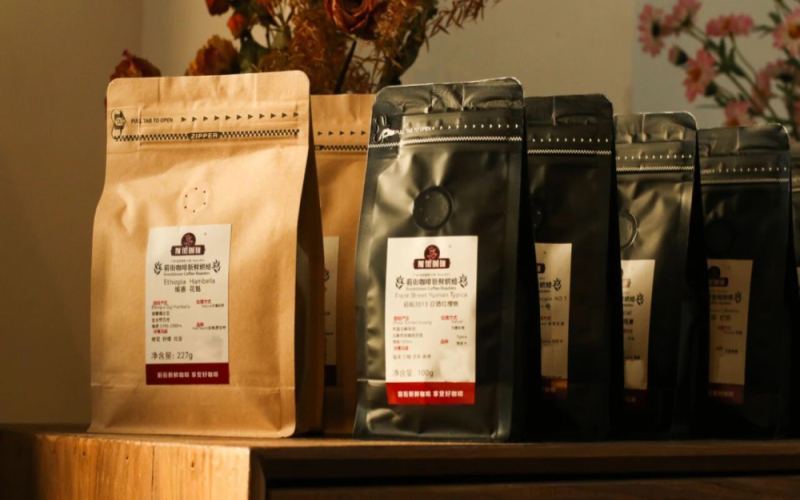
What is the difference between single-origin coffee beans and blended beans? Can pour-over beans be used to make espresso?
When buying coffee beans at a coffee shop, you are often asked what kind of coffee you plan to make. If you choose espresso, the shop will usually offer two options: blend beans and single-origin beans. So, when both are used to make espresso, what exactly are the differences between blends and SOE? This article starts with the definition of blended coffee, sorts out how it differs from single-origin coffee beans in terms of flavor orientation and suitable scenarios, and further explores whether single-origin beans for pour-over are suitable for making espresso. The article will also combine several products from the Front Street Coffee brand to introduce the specific performance of single-origin beans from different regions in SOE applications, including Queen's Farm Brazil, PWN Golden Mandheling, and Colombia Sidra, among others, providing coffee lovers with a reference for choosing beans. [more…]
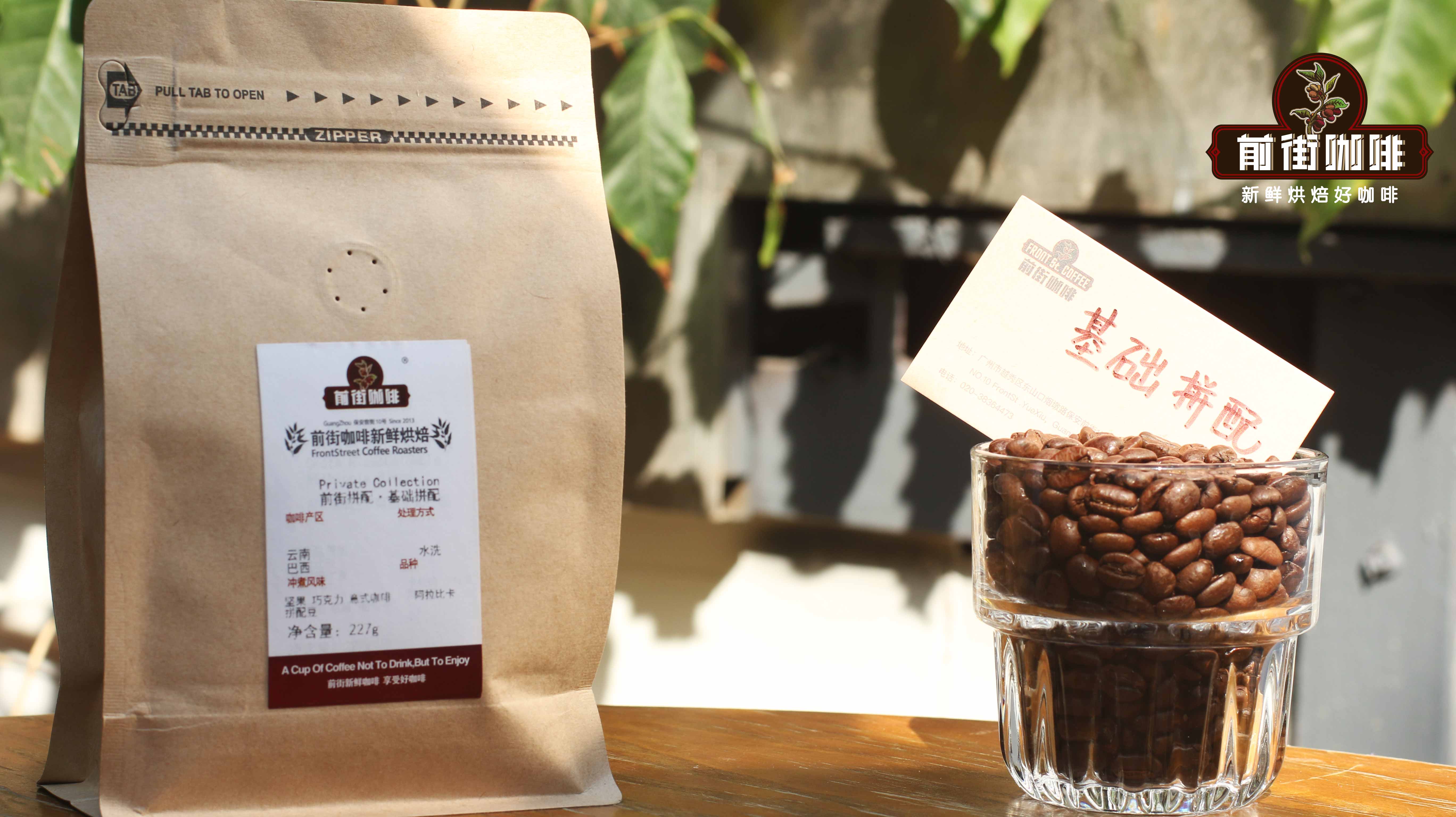
Ristretto|What is the difference between espresso and ristretto? Which intensely rich, low-acid espresso blend coffee beans are recommended?
As time goes on and you drink more coffee, some people gradually seek out intensely rich espresso, and are no longer satisfied with just buying an Americano at a café—instead, they want to make it themselves. So what does it take to make a cup of espresso that is both richly aromatic and highly concentrated? 1. The coffee beans must be fresh enough for a perfect cup. [more…]
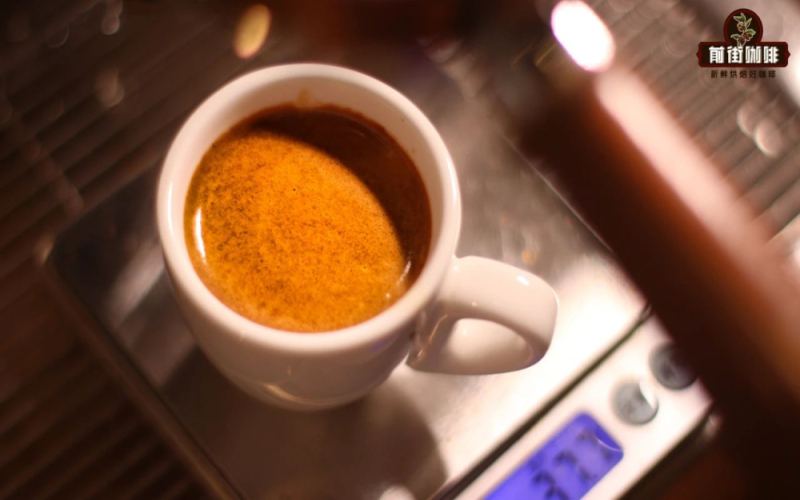
An Analysis of Espresso Shot Units and Double Shot Standards, with Front Street Brand Recommendations
When ordering at a coffee shop, you'll often hear phrases like "give me a shot," but do you know exactly how many milliliters of coffee a shot actually is? This article starts with the origin of the word "shot," explains in detail the meaning of shot and double shot in espresso, the historical standards and contemporary changes, and introduces the extraction methods commonly used in coffee shops today. We'll also recommend several coffee beans suitable for making espresso, including Front Street brand's blends and SOE products, to help you better understand and choose. [more…]
Does Espresso Count as Black Coffee? Recommended Rich and Aromatic Italian Blend Coffee Beans and SOE Choices
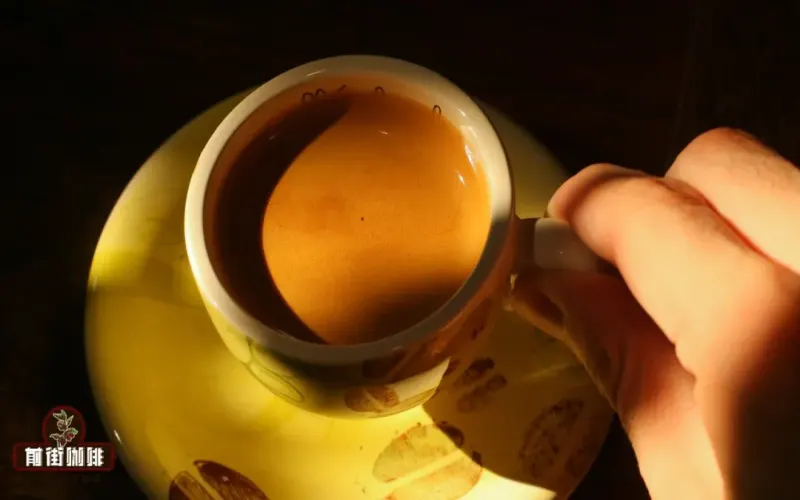
Many coffee enthusiasts, after drinking coffee for a long time, begin to feel unsatisfied with the Americano served at cafés, and instead pursue the more intense flavor of espresso, trying their hand at making it at home. To achieve a cup of espresso with full aroma and outstanding intensity, multiple factors need to be addressed. This article systematically examines the key conditions for making extra-strong coffee, focusing on coffee bean freshness, roast level, bean blending, and extraction techniques. It also introduces several blends and SOE single-origin beans from Front Street Coffee that are suitable for espresso, covering classic Mamba style, high-value daily staples, and single-origin selections that highlight regional characteristics, along with specific extraction parameter recommendations to help readers find the rich, full-bodied solution that suits their taste. [more…]
Beginner's Guide to Espresso Blend Coffee Beans: Flavor Analysis and Buying Tips for the Mamba Blend
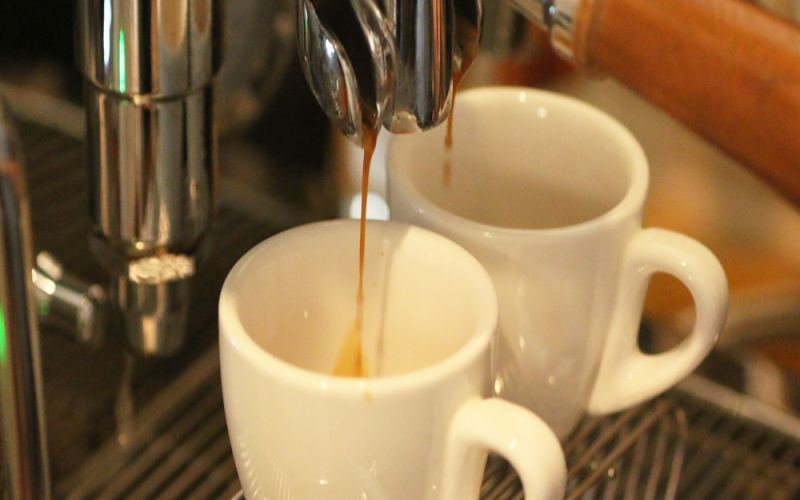
To make a delicious espresso at home, choosing the right blend is key. Starting from common espresso blend approaches, this article introduces the logic behind combining beans from origins such as Brazil with Mandheling and Colombia, with a focus on analyzing the flavor characteristics of the classic "Mamba" recipe. It also discusses the feasibility of using single-origin beans for espresso, as well as several representative Front Street Coffee products—Specialty Blend, Classic Blend, Queen's Estate SOE, Golden Mandheling SOE, and Strawberry Candy Espresso—and the people and brewing scenarios each is suited for. Whether you're a beginner just getting started or a seasoned drinker looking to try something different, you'll find practical reference points in these suggestions. [more…]
A Full Analysis of the Flavor and Mouthfeel Differences Between Robusta and Arabica Coffee Beans and the Characteristics of Robusta
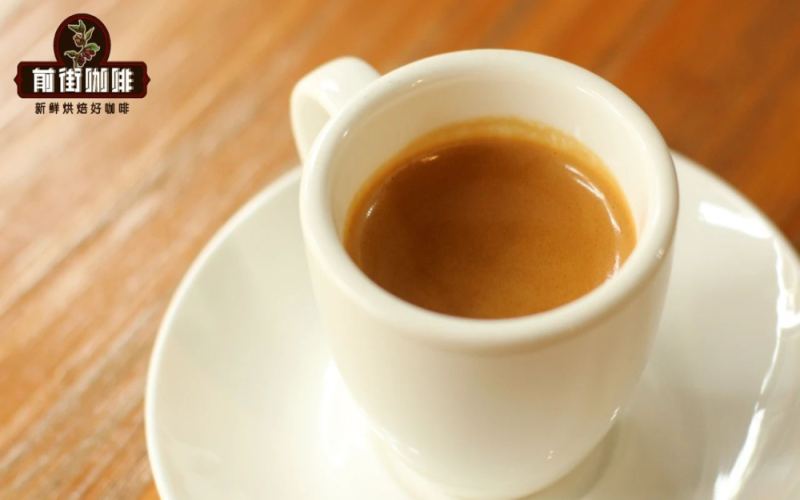
The two most common varieties in the coffee world—Arabica and Robusta—are often labeled "elegant" and "rugged." Arabica accounts for as much as 70 to 80 percent of production, while Robusta makes up about 20 to 30 percent. The former has a refined flavor and bright acidity, while the latter stands out for its bitterness and full, rich body. Although Robusta is mostly used for instant coffee, it also plays a key role in espresso blends by adding body and enhancing crema. This article will systematically compare the two in terms of appearance, composition, and flavor differences, introduce specialty Robusta and the Catimor hybrid variety, and also share several of Front Street Coffee's espresso blends containing Robusta as well as brewing suggestions for Yunnan Catimor. [more…]

Espresso-Specific Beans | Why Use a Blend for Espresso Extraction? Is Fresher Always Better for Espresso Beans? High-Crema Espresso Bean Recommendations
Nowadays, many people are starting to learn how to make espresso at home, hoping it will have golden-brown crema and a rich, fragrant coffee aroma. So a bag of fresh, high-quality espresso beans is very important. A perfect espresso first of all depends on freshly roasted coffee beans, which not only bring a layered coffee [more…]
Home Espresso Machine Buying Guide: Semi-Automatic vs. Super-Automatic Comparison and Espresso Extraction Practice
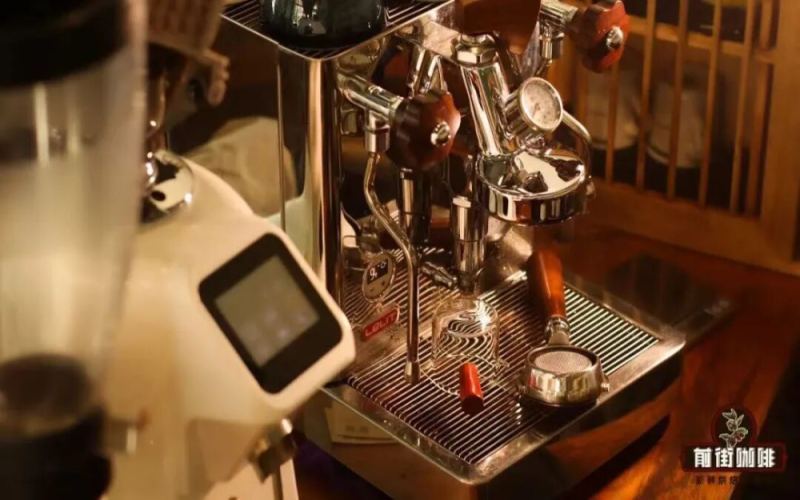
Want to easily make a cup of espresso with golden crema at home? Choosing the right machine and coffee beans is the crucial first step. The market offers a wide variety of coffee machines, from fully automatic to semi-automatic, with prices ranging from a few hundred to over a thousand yuan, and devices at different price points vary significantly in extraction stability and crema performance. This article will systematically outline the key points for choosing a home espresso machine, compare the respective advantages of semi-automatic and fully automatic models, recommend suitable Front Street Coffee beans for different taste preferences, and finally provide an espresso extraction workflow that even beginners can follow, helping you consistently produce a decent cup of espresso at home. [more…]
Specialty Drip Coffee Bag Recommendations | Can You Make a Latte by Brewing Drip Coffee Directly with Milk? How Does Drip Black Coffee Taste with Milk?
Drip bag coffee, as a convenient medium for easily obtaining a delicious cup of black coffee, is extremely popular in East Asia. In the morning, when time is tight, using drip bag coffee can save a lot of time that would otherwise be spent making coffee (pour-over coffee). The drip bag coffee sold in general coffee shops is usually made from freshly roasted coffee beans that are ground and then packed tightly. [more…]
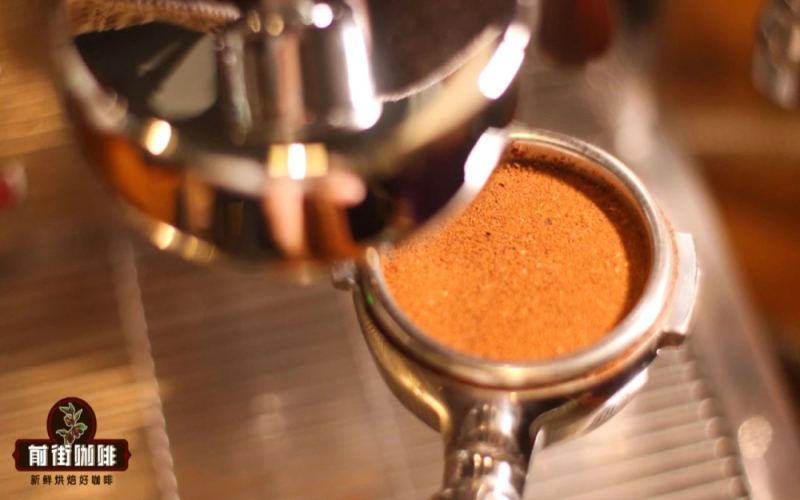
How to Choose Espresso Beans: A Complete Guide to Blend Options, Crema Formation, and Extraction Parameters
To make a golden-crema, richly aromatic espresso at home, choosing the right coffee beans is the first step. Starting from bean freshness and the resting period, this article explains how the two major species, Arabica and Robusta, affect crema performance, and how origin and roast level shape the final flavor. It then introduces several Front Street Coffee espresso options: the classic blend, the dark cocoa blend, and two single-origin espressos (SOEs), each suited to different taste preferences and budgets. Finally, it focuses on extraction, explaining pressure stability, the brew ratio, and how crema transitions from thick to thin, helping you understand why more extraction doesn't necessarily mean better crema, along with practical parameter references. [more…]
How to Choose Espresso Beans? A Full Guide to Blends vs. SOE, Flavor, and Crema Extraction
To make a golden-crema, richly aromatic espresso at home, choosing the right coffee beans is the first step. Starting from freshness and the resting period, this article analyzes the differences between Arabica and Robusta in crema performance, and introduces the flavor characteristics of several Front Street Coffee espresso blends and SOE single-origin beans. It then discusses extraction pressure and the coffee-to-liquid ratio, explaining how to achieve a stable, thick crema, helping coffee lovers find a balance between equipment and parameters to make a full-bodied, layered espresso. [more…]
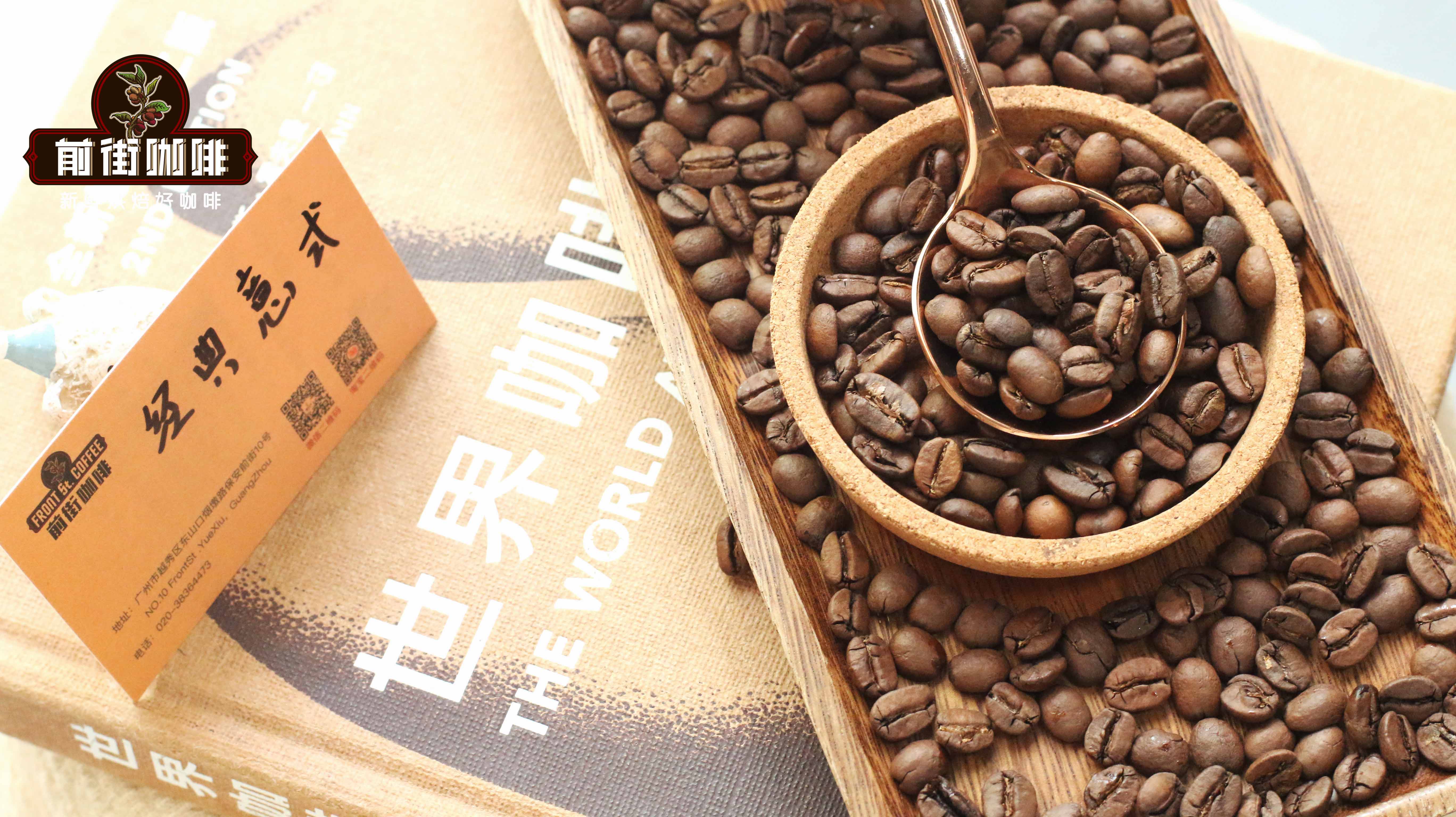
Recommendations for Specialty Coffee Beans with Prominent Chocolate and Cocoa Flavors: Outstandingly Balanced Choices for Espresso and Pour-Over
Looking for a cup of coffee with chocolate and cocoa aromas? This article rounds up a selection of specialty coffee beans with balanced flavors and solid sweetness, covering both espresso blends and single-origin options. From an espresso recipe improved from the classic Mamba blend to signature beans from Brazil, Colombia, Papua New Guinea, and Indonesia, it explains each one's flavor profile and suitable brewing methods. The article also introduces several best-selling beans from Front Street Coffee, including the Classic Espresso Blend, Specialty Espresso Blend, Bird of Paradise, Huila, Cerrado, Queen's Estate, and Golden Mandheling, helping coffee lovers pick the one that suits their taste preferences. [more…]
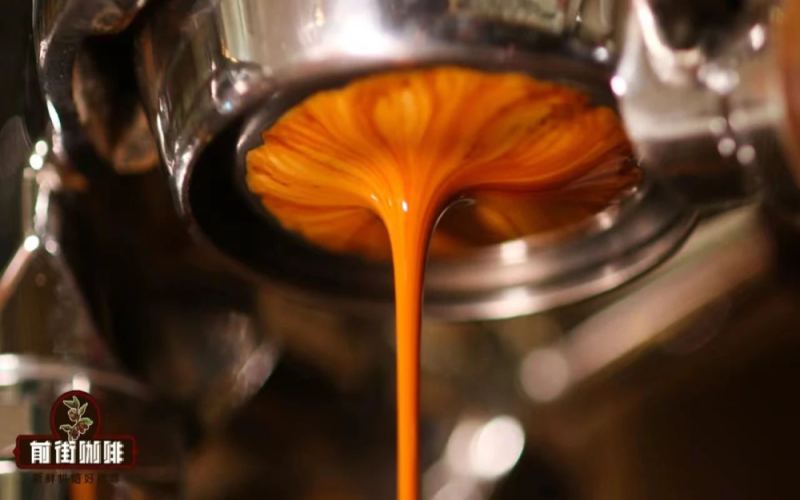
What is the standard for espresso? A complete flavor analysis from espresso beans to classic blends
Espresso is not the exclusive domain of any particular coffee bean; rather, it is an extraction method—any coffee extracted through an espresso machine can be classified as such. However, precisely because an espresso machine can amplify a coffee's flavor components exponentially, presenting both merits and flaws without reservation, bean selection becomes especially critical. This article will center on the bean standards for espresso, introducing the classic Mamba blend, SOE single-origin espresso, and several Front Street espresso recipe beans suited to home scenarios, covering flavor orientations ranging from rich and full-bodied to floral and fruity, helping coffee enthusiasts find the cup that suits them among crema, acid-bitterness balance, and milk pairing. [more…]