







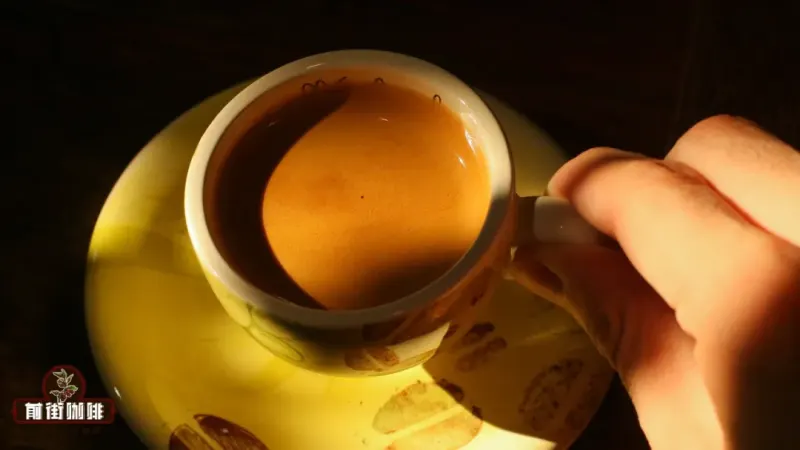
Is SOE Coffee or a Blend Coffee the Right Pick for Espresso?
Espresso does count as black coffee when it is served on its own without milk or added ingredients, since it is simply coffee extracted under pressure. A standard shot is brewed with roughly 18 to 20 grams of finely ground coffee and about 36 grams of liquid yield, producing a concentrated, crema-topped cup that fits the black coffee definition.
Getting that intensity at home depends on fresh beans, dark roast, and careful extraction. Roasted beans keep their aroma for about 50 days, so older stock tastes mostly bitter. SOE coffee highlights one origin, while a blend coffee combines several for balance, and both work well as espresso when the roast and grind are dialed in.
Many coffee lovers, after drinking coffee for a long time, begin to feel dissatisfied with the Americano served in cafés and instead pursue the more intensely flavored espresso, trying their hand at making it at home. To achieve a cup of espresso with full aroma and outstanding concentration, multiple aspects need to be addressed. This article systematically examines the key conditions for making extra-strength coffee, focusing on coffee bean freshness, roast level, bean blend composition, and extraction technique. It also introduces several blend beans and SOE single-origin options under Front Street Coffee that are suitable for espresso, covering classic Mamba-style blends, high-value daily staples, and single-origin selections that highlight regional characteristics, along with specific extraction parameter recommendations to help readers find the rich, full-bodied solution that suits their taste.
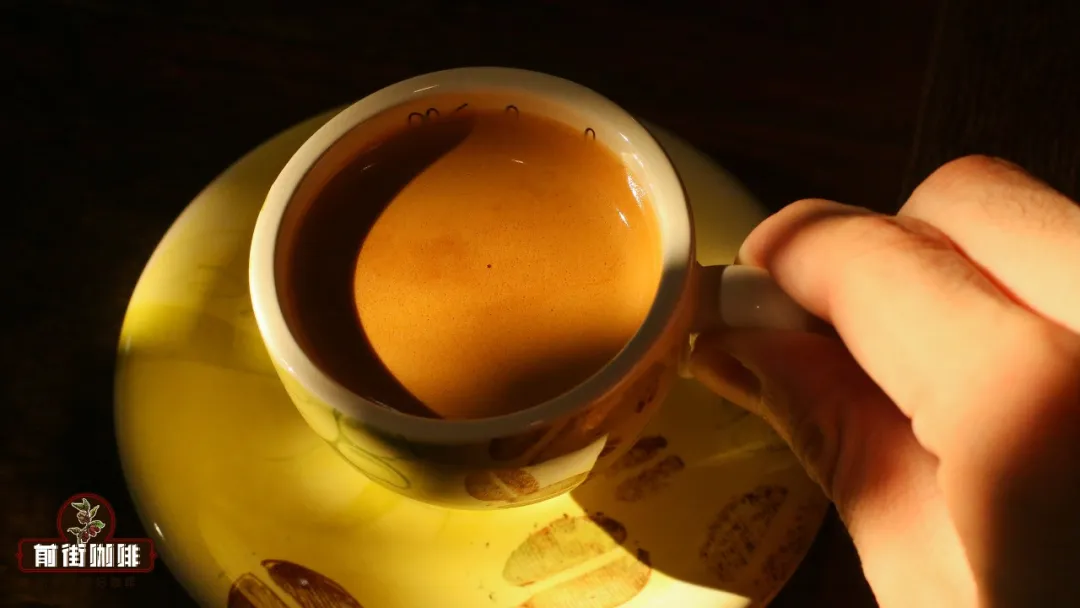
After drinking coffee for a while, many people's palates gradually gravitate toward richer flavors, becoming enamored with heavy-bodied espresso. Ordering an Americano at a café no longer satisfies them—they want to make it themselves at home. So, what exactly are the conditions needed to produce a cup of espresso with abundant aroma and sufficiently high concentration?
I. Coffee Beans Must Be Fresh Enough
The starting point for an outstanding espresso is coffee beans with a sufficiently recent roast date. Fresh beans not only release layered aromas but also form a thick, dense crema during extraction. If more than 50 days have passed since roasting, the espresso retains almost no aroma, and what you end up tasting is mostly just bitterness. Front Street Coffee has always regarded freshness as the most critical factor, so all Front Street Coffee beans are roasted within 5 days and shipped within 24 hours, ensuring comprehensive freshness from the source.
II. Dark Roast
The roast level affects both the richness of the crema and the flavor direction of the espresso. Generally speaking, the darker the roast, the more expressive the crema, and the espresso presents a rich, deeply bittersweet foundation; the lighter the roast, the less crema there is, and the espresso leans toward fruity acidity and a lighter mouthfeel. Therefore, if you want to make extra-strength coffee, it is recommended to choose medium-dark or dark roasted espresso beans.
The Combination of Arabica and Robusta — Front Street Classic Blend Coffee
Flavor: Caramel, Butter, Roasted Nuts, Dark Chocolate
To recreate the classic "Mamba Blend" style, we use select Front Street Mandheling and Front Street Brazil as the flavor backbone, giving the espresso a viscous body and rich, full aroma; at the same time, to add complexity, we incorporate a small portion of Vietnamese Robusta, pushing the crema to the extreme. Made into a hot latte, it has intense chocolate notes while retaining a creamy, nutty smoothness. Front Street Classic Espresso Blend is suitable for beginners trying it for the first time and also works as a daily staple for the home.
The Combination of American and Asian Beans — The Espresso Bean Recommended by Many Baristas: Front Street Black Cocoa Blend Coffee
Flavor: Nuts, Chocolate, Cream, Cookies
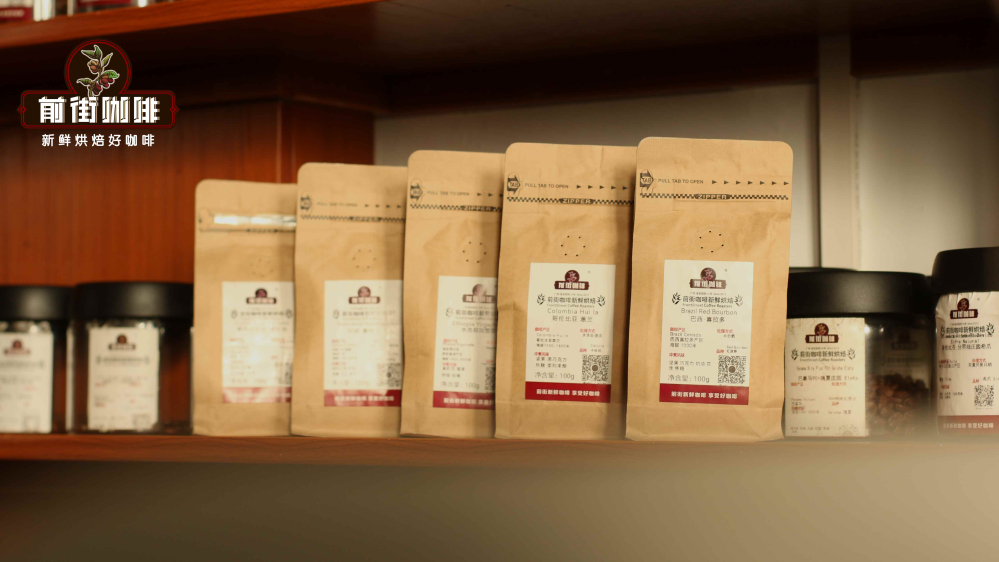
With cost-effectiveness in mind, we developed this high-quality espresso blend with stable flavor, moderate crema, balanced acidity and bitterness, and an accessible price. It uses a recipe combining Front Street Yunnan small-batch beans and Front Street Brazil Red Bourbon, bringing out rich caramel and nutty aromas during extraction. Because it is medium-dark roasted to retain slight fruity acidity, it makes a relatively refreshing Americano, while as a latte it better highlights the milk's sweetness. This espresso bean recommended by many baristas — Front Street Black Cocoa Blend — is ideal for home users who prioritize cost.
Spiced Chocolate Intense Single-Origin — Front Street PWN Golden Mandheling SOE
Flavor: Spices, Herbs, Dark Chocolate, Caramel, Nuts, Sandalwood
Unlike espresso blend beans, SOE emphasizes the presentation of a single-origin flavor, reflecting a distinctive regional character in espresso. Front Street PWN Golden Mandheling SOE coffee undergoes one machine sorting plus three hand sortings, making it a standout among Indonesia's specialty Arabica. When made into espresso, it features pronounced spice, herbal, pine, and dark chocolate flavors with a full body and lingering finish. It works as a premium single-origin espresso for daily extraction and can also be used for pour-over, moka pot, and other coffee methods.
Creamy Mixed Nuts Single-Origin — Front Street Brazil Queen's Estate SOE
Flavor: Creamy Peanut, Chocolate, Toasted Bread, Maple Syrup
Brazil is a major coffee-producing country, and its specialty coffee beans naturally carry nutty aromas, bringing excellent balance when used in blends. Made into an espresso SOE, it has distinct creamy mixed-nut flavors, sweet and rich, with a slight sugarcane sweetness. Paired with milk, it's like drinking a warm, gently sweet hot cocoa, with the lingering aroma of roasted peanuts that stays with you.
III. Extract Only the Front and Middle Segments
Once the coffee beans are selected, the next step is extracting Ristretto. Unlike a standard espresso, ristretto takes only the front and middle segments of the shot from a standard espresso extraction, thereby increasing concentration while achieving a more focused coffee aroma.
Here we use the Front Street Classic Blend, which is highly popular among home users. The Espresso recipe is to use 20g of beans, take 30 seconds, and extract 40ml of liquid yield. For ristretto, still use 20g of coffee beans and extract 28ml in 23–28 seconds.
The above content is compiled by CoffeeHunters, a coffee news website.


