







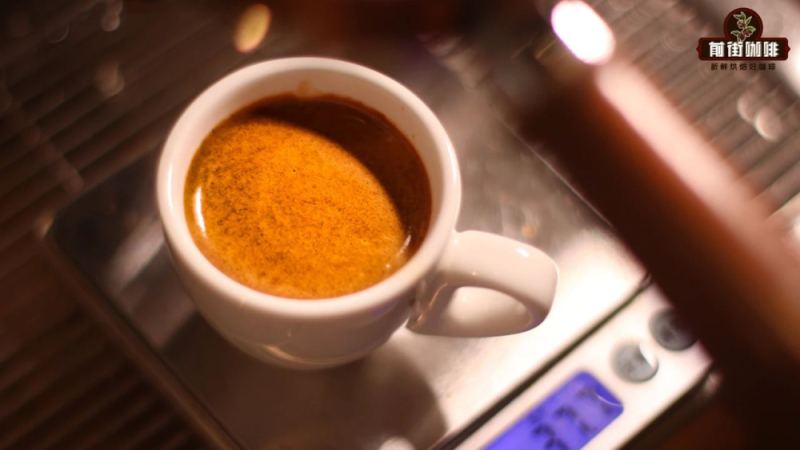
When ordering at a coffee shop, you often hear phrases like "give me a shot," but do you know exactly how many milliliters of coffee a shot is? This article will start with the origin of the term "shot," explain in detail the meanings of shot and double shot in espresso, historical standards, and contemporary changes, and introduce the extraction methods commonly used in coffee shops today. We will also recommend several coffee beans suitable for making espresso, including Front Street brand blends and SOE products, to help you better understand and choose.
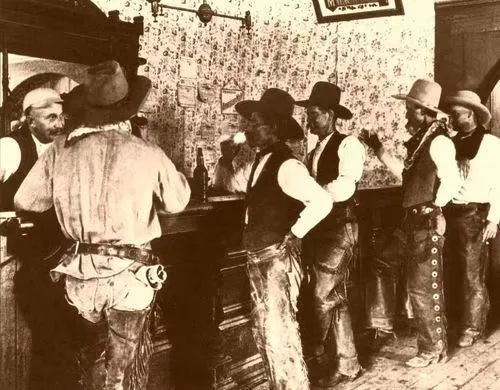
In a coffee shop, you might hear a customer order like this: "Please give me a shot." Is shot some new drink? Actually, the term comes from bar culture. In the mid-20th century, a shot referred to a small glass of liquor, usually filled in a shot glass with a capacity of about one ounce. Customers would drink it quickly and leave, with the goal of getting alcohol quickly and cheaply.
When shot was introduced into coffee shops, it took on a similar meaning. "One shot" means one serving of espresso. Espresso was originally positioned in the same way—as a quick, cheap way to get caffeine.
So, how much is one shot exactly? As mentioned earlier, a shot glass is about 1 ounce, or 30 milliliters in capacity. Therefore, one shot usually refers to about 30 milliliters of espresso liquid.
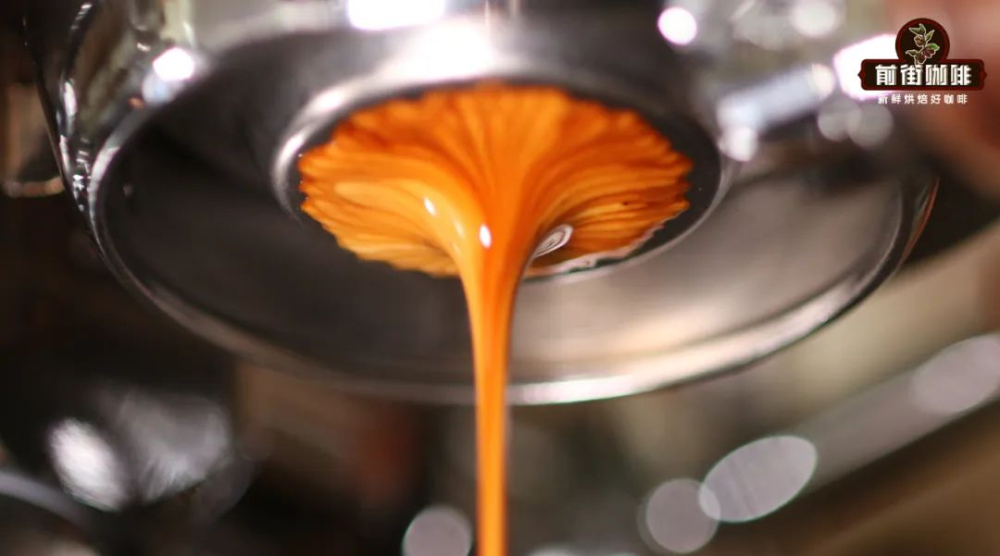
However, a shot in coffee is not just about volume. For a long time, one shot represented the standard extraction parameters of that time—using 7 grams of coffee grounds to extract 30 milliliters of espresso. Another common term, "Double shot," refers to a double espresso, that is, using 14 grams of coffee grounds to extract 60 milliliters of espresso. When making a Double shot, a double basket is used (the basket we commonly use now), and then the coffee liquid is split into two through a split spout handle, collected in two shot glasses. At that time, there were no small electronic scales to weigh the coffee liquid, so judgment relied entirely on volume—in plain terms, by eye.
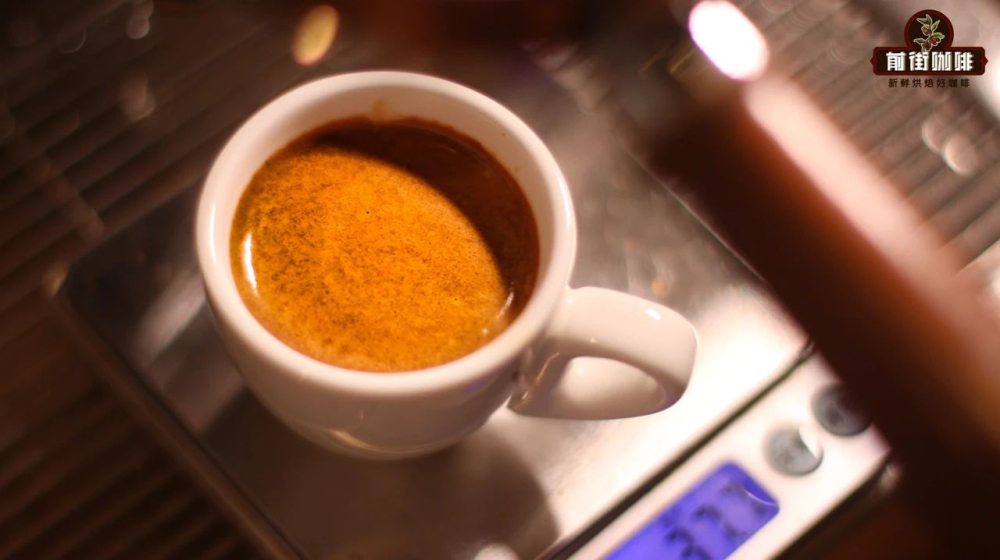
Looking back now, this method has a large margin of error because the volume and weight of coffee crema are not equal. Therefore, if volume is used as the standard, an espresso with rich crema will actually have less liquid weight than one with thin crema. So now espresso extraction uses liquid weight as the standard.
How much is 1 shot now? Front Street has found that coffee shops today generally use a double basket as the standard, and single baskets have almost disappeared. Extraction ratios are also continuously shrinking. For example, previously one unit of espresso was 7 grams of grounds extracting 30 milliliters of coffee liquid, but now one unit is 16 grams of grounds extracting 32 grams (about 45 milliliters) of coffee liquid.
For example, when using the popular coffee bean Front Street Black Cocoa Basic Blend to make a standard latte, 20 grams of coffee grounds are used, with a 1:2 coffee-to-liquid ratio, extracting a double espresso in 30 seconds, that is, 40 grams of coffee liquid poured into the cup as the base. This leads to an awkward situation: if one serving from a single basket is considered "1 shot," then the double basket now used for output is a Double shot. And if measured by the amount of coffee liquid, if the espresso extracted from a double basket is considered a Double shot, then when a customer orders 1 shot, it is about 22 milliliters of espresso liquid, which looks even less in an already small cup.
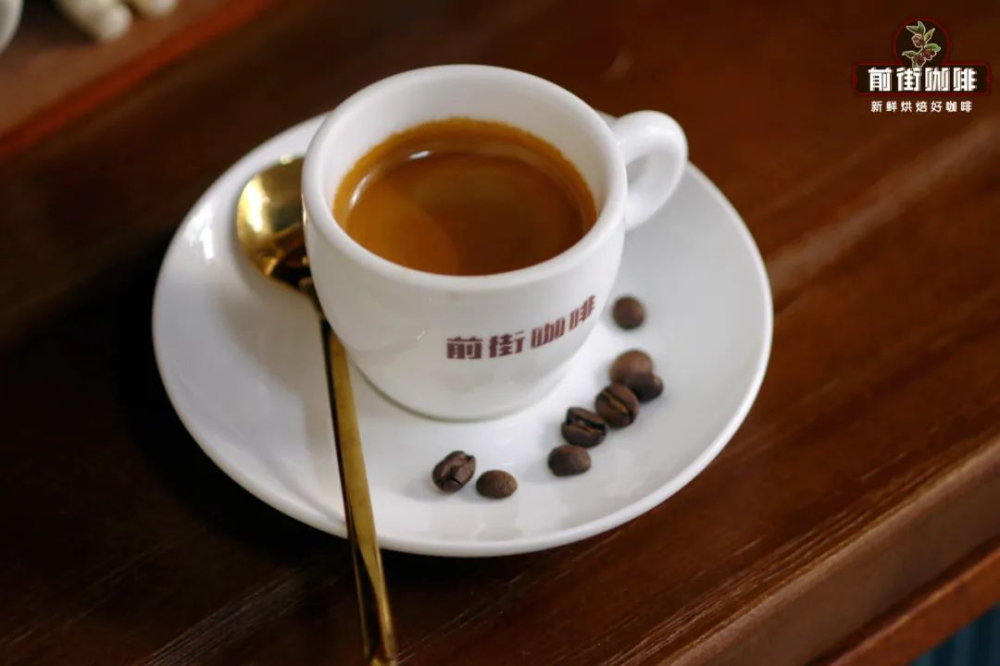
Therefore, coffee shops again treat the espresso extracted from a double basket as one shot, and if a customer wants to order a Double shot, it is two espressos extracted from a double basket.
Here are a few coffee beans suitable for making espresso. Generally speaking, for beginners using an espresso machine, "Brazil + Mandheling" and "Brazil + Colombia" are relatively safe blends. Front Street Specialty Blend uses a combination of Brazil and Colombia, so it naturally has the aroma of creamy nuts and a caramel-like sweetness, and when paired with milk it forms a silky, smooth, and rich profile that leaves a lingering fragrance after drinking.
Another Front Street Classic Blend, which is deeply loved by home users, uses the old-school "Mamba" combination. Brazil provides the milky aroma of hazelnuts, while Mandheling gives the coffee a wild taste of spices and herbs. To further enrich the crema of the espresso, we also added a small amount of Robusta on the basis of Front Street Classic Blend. It will exude rich flavors of butter, roasted hazelnuts, caramel, and dark chocolate, with a full body. The black coffee is sweet and refreshing, and when milk is added to make a latte, it is smooth and delicate.
Single-origin beans can also be used to make espresso (SOE = Single Origin Espresso). Some blended beans also perform very well when made using the usual single-origin approach. But doing it well greatly tests bean quality, roasting technique, and extraction operation.
Front Street Brazil Queen's Estate SOE Coffee Beans: If you prefer the unique taste brought by single-origin coffee, you can buy this medium-dark roasted Front Street Queen's Estate SOE. The rich creamy peanut flavor is unforgettable after one sip, accompanied by the fresh sweetness of sugarcane, with a cocoa aroma in the finish. It is also suitable for making with a moka pot or home coffee machine.
Front Street PWN Golden Mandheling SOE Coffee Beans: As one of the most famous specialty coffees in Asia, Front Street Golden Mandheling SOE undergoes three rounds of hand sorting plus one round of machine sorting during production. The coffee beans are uniform and translucent. After medium-dark roasting, the beans are large and carry rich aromas of spices, caramel, cedar, and dark chocolate. The coffee liquid extracted with a moka pot has a mellow body and good crema, making it very suitable for friends who do not like acidic coffee.
The above content is compiled by CoffeeHunters, a coffee news website.


