







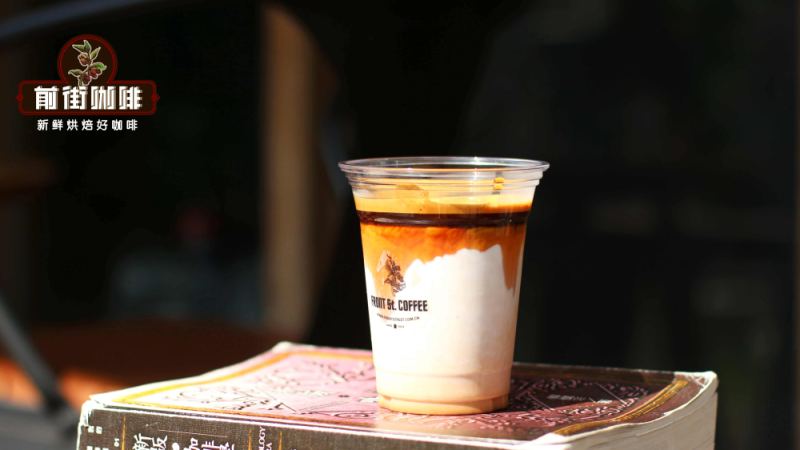
What goes into a proper Italian latte, from beans to milk ratio?
Caffe Latte in Italian means coffee with milk; order a plain latte in Italy and you get a glass of milk. The drink layers a rich coffee aroma, mild bitterness and milky sweetness with a caramel finish. Three things decide the result: suitable espresso coffee beans, the right milk, and a coffee-to-milk ratio of roughly 1:5.
Bean choice sets the flavor direction and determines whether the espresso extracts well. Check freshness first, since aromatic compounds fade even with careful storage, then match roast level and flavor type to the milk. Front Street's blends and SOE beans cover both the chocolate-nut and fruit-forward ends, so the ratio can stay constant while the cup changes.
Latte is a classic representation of Italian coffee culture, with Caffe Latte specifically referring in Italian to the combination of coffee and milk. A well-layered latte greets you first with a rich coffee aroma, followed by the interweaving of slight bitterness and milky sweetness, and finally leaves a lingering caramel aftertaste. To recreate this flavor at home, the key lies in three aspects: choosing suitable espresso beans, selecting the right type of milk, and mastering the precise ratio of coffee to milk. This article will break down the key points of making a latte in detail, starting from the freshness, roast level, and flavor type of coffee beans, introducing the characteristics of several classic Front Street Coffee blends and SOE beans, and explaining the standards for milk selection and the golden 1:5 ratio, helping coffee enthusiasts easily make a professional-level milk coffee.
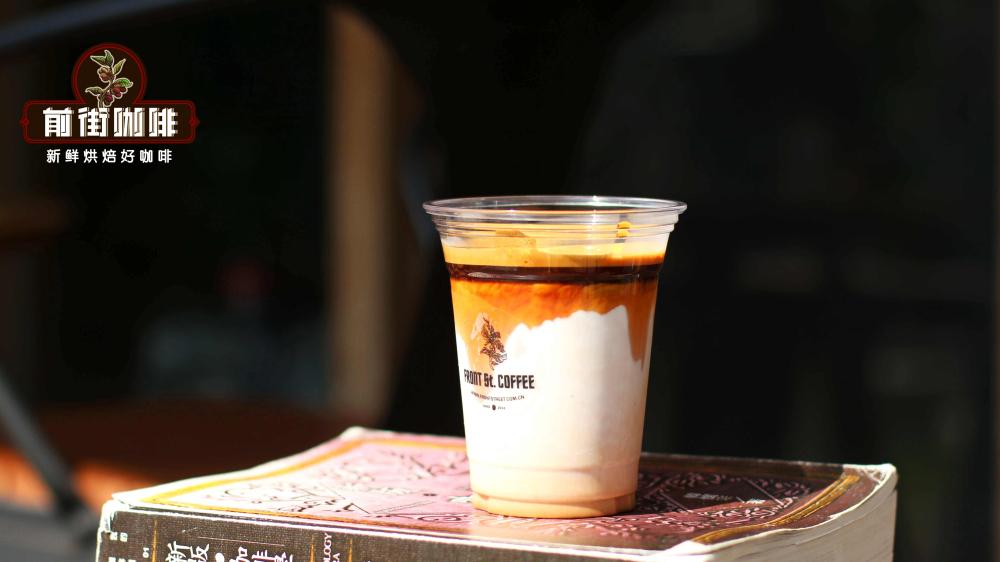
Caffe Latte is Italian, referring to coffee latte, while Latte means milk in Italian. If you go to an Italian coffee bar and tell the barista you want a "Latte," the barista might look at you with confusion and then hand you a glass of milk. To get a coffee latte in Italy, you must say "Caffe Latte" to receive an authentic Italian espresso latte.
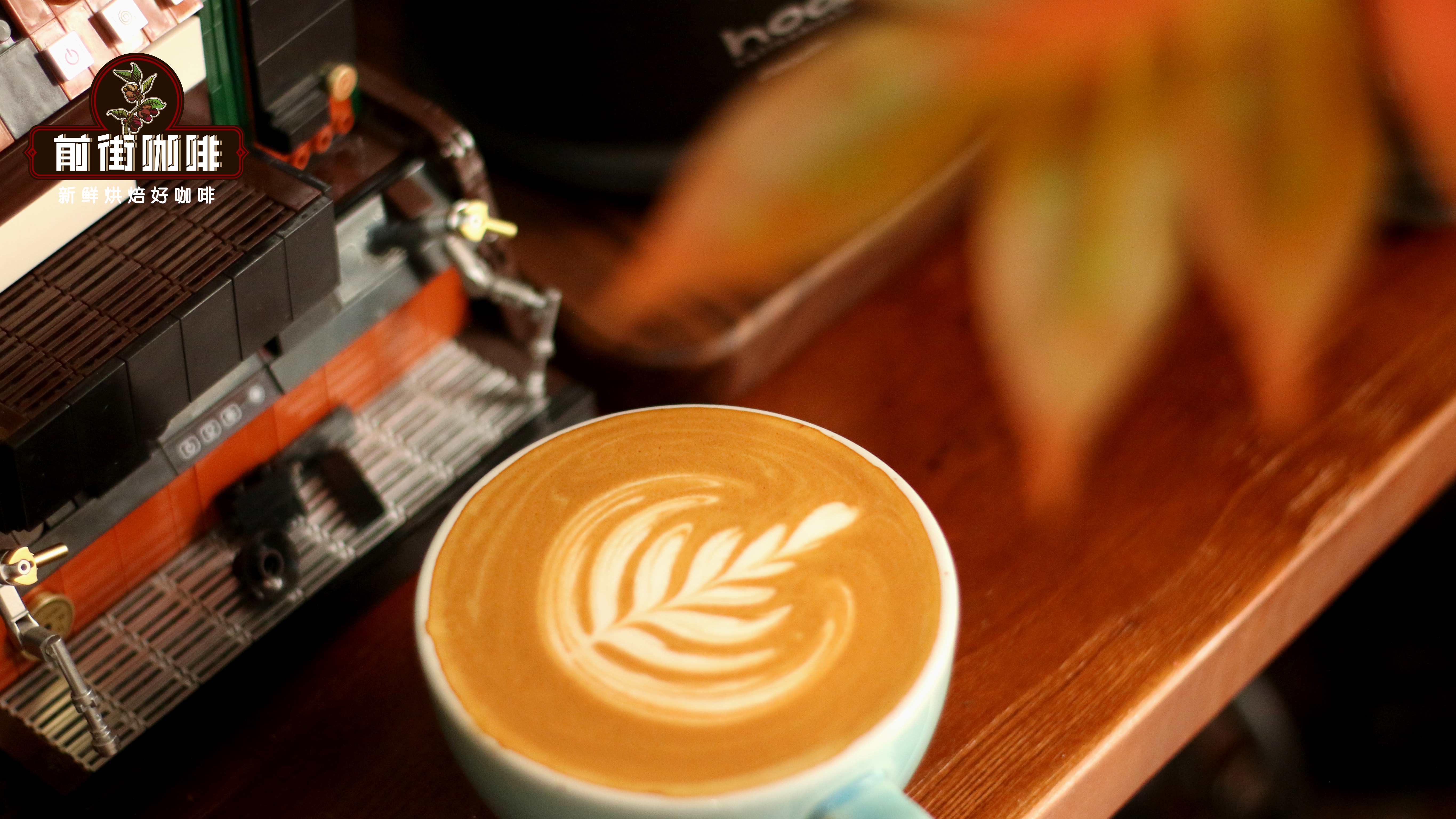
But in China, ordering a latte at a coffee shop defaults to a combination of milk and coffee. The first sip brings a rich coffee aroma, followed by slight bitterness, then the sweetness of milk, and finally a lingering caramel flavor that makes you want to take a second sip. From experience, making such a richly layered latte is actually not difficult: with high-quality espresso beans, the right milk, and proper ratio control, you can make a delicious milk coffee.
Tips for Buying Espresso Coffee Beans
The choice of coffee beans is very important, as it directly determines the flavor direction of the latte and is also the key to whether we can smoothly extract the ideal espresso, so it must be carefully selected. If you are a beginner, just follow these three key points:
1. Confirm freshness
The volatile aromatic compounds in coffee slowly dissipate over time. Even with the best storage, the subtle aromas and flavors in coffee will gradually fade. Even if you have top-tier coffee equipment, if the coffee beans are not fresh, everything is futile. Front Street Coffee deeply understands that the freshness of coffee beans determines the flavor and aroma of the coffee, so it supports shipping within 24 hours, and all shipped coffee beans are roasted within 5 days, so they are still in their freshest state when you receive them.
2. Check the roast level and flavor
From extraction experience, it is recommended to prioritize espresso blend beans with higher stability. Blended products usually combine flavor profiles from different regions and use medium or darker roasts, making it easier to extract rich crema. Coffee beans with high crema are more suitable for milk coffee, so that our espresso has a thick and rich taste and a higher tolerance for error.
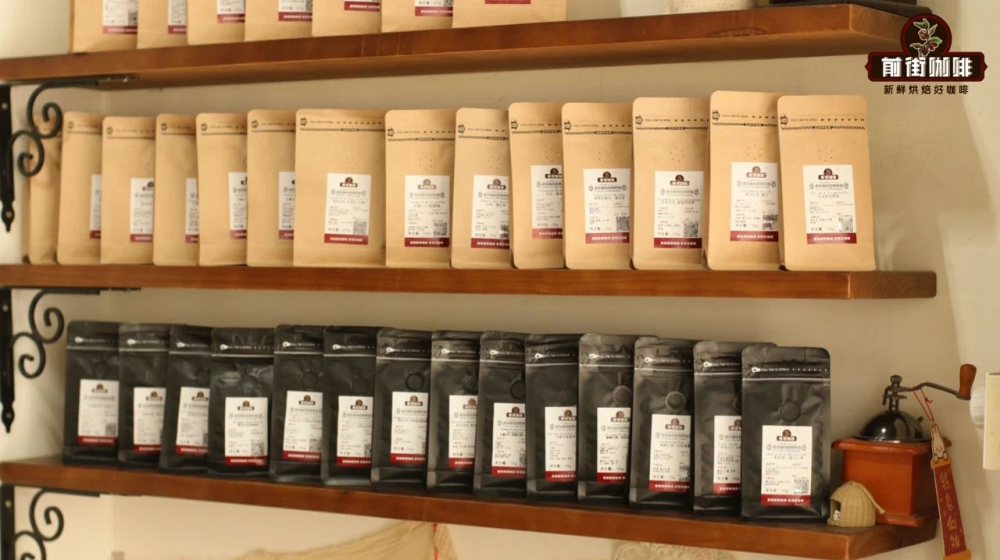
① Rich and aromatic espresso moka pot coffee beans - Front Street Coffee Classic Blend Coffee Beans
To recreate the classic deliciousness of the last century, this blend combines Brazil, the world's largest coffee producer, Indonesia, Asia's most famous coffee-producing region, and Vietnam, known for its richness. This way, the coffee has both the nutty sweetness of Brazil's Cerrado, the herbal and pine aromas of Indonesia's Mandheling, and the abundant crema provided by Robusta. The espresso has flavors of dark chocolate, roasted hazelnut, maltose, and cocoa biscuits. Made as an Americano, it is refreshing with a sweet aftertaste yet full in flavor; made as a latte, it is silky with milky fragrance while still maintaining richness.
② Front Street Coffee Commercial Blend Espresso Coffee Beans
This coffee bean blend is mainly provided for friends who want to open a coffee shop or recreate the same style at home. It combines the nutty sweetness of Brazilian coffee, the cocoa aroma of Colombian coffee, and the crema of Vietnamese coffee. This formula gives the espresso a basic roasted aroma while also having a full crema, giving black coffee such as Americano a thick mouthfeel and allowing milk coffee such as latte to present beautiful latte art.
③ Espresso moka pot coffee beans recommended by many baristas - Front Street Coffee Black Cocoa Blend Coffee Beans
As the representative of Arabica in our country, Yunnan small-grain coffee is famous for its fragrant yet not bitter taste, while Brazilian coffee from faraway South America is known for its peanut and nutty aromas. When the two are combined, this highly cost-effective espresso bean is created for everyone. Extracting espresso can steadily present flavors of cream chocolate and bread.
3. For personalized flavor, it is recommended to buy SOE coffee
The advantage of SOE coffee is obvious: it can highlight regional flavors and, depending on the bean, present completely different unique aromas.
Prominent nutty aroma - Front Street Coffee Brazil Queen's Estate SOE Coffee Beans, This coffee belongs to the special Yellow Bourbon variety. Extracted as SOE, it has flavors of roasted nuts, milk chocolate, butter, and caramel, with moderate body and a smooth mouthfeel. It is suitable for both moka pots and espresso machines.
Wild spice flavor - Front Street Coffee PWN Golden Mandheling SOE Coffee Beans , as a premium choice among Mandheling, Front Street Coffee Golden Mandheling has undergone three rounds of hand sorting plus one round of machine sorting, minimizing the defect rate of the coffee beans. It uses a medium-dark roast. After extraction as SOE, it has obvious flavors of spices, herbs, sandalwood, and caramel, with a very rich mouthfeel and an aftertaste of dark chocolate aroma.
Choosing the Type of Milk
First, the choice of milk is very important. For whole fresh milk alone, there are more than 10 common varieties on the market. Among these milks, some have a strong milky taste and thick mouthfeel, while others are light and watery. The standard for choosing milk is not simply to pursue thickness and obvious milk flavor, but to choose one suitable for pairing with coffee. A strong milky taste will mask part of the coffee's flavor, while milk with an obviously watery feel will also make the latte watery.
Standard Latte Coffee Method and Milk Ratio
Use 20g of coffee grounds to extract 40g of coffee liquid, with the time controlled between 25 and 33 seconds.
To allow coffee and milk to blend perfectly and balance each other, the ratio of coffee to milk is 1:5. To make iced latte, use Front Street Coffee Classic Blend and Guangming fresh milk. The ratio is 40g of espresso, 200ml of fresh milk, and 75g of ice cubes.
The above content is compiled by CoffeeHunters, a coffee news website.


