







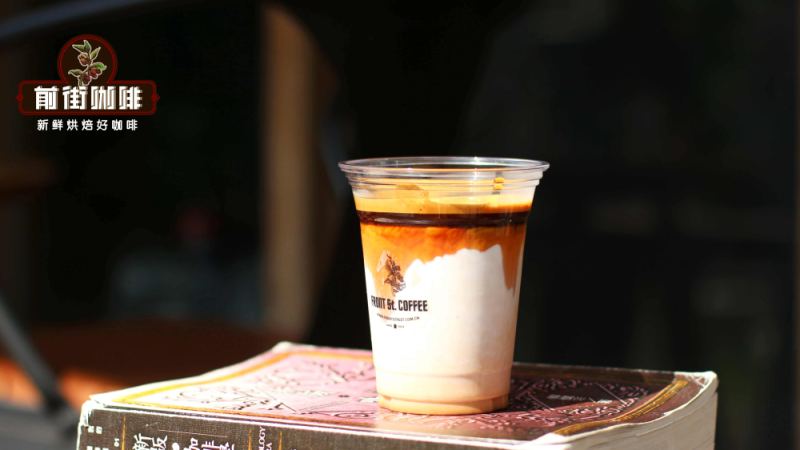
Caffe Latte originally means "milk coffee" in Italian, but if you only order a "Latte" in Italy, all you'll get is a glass of plain milk. In China, latte has long become synonymous with the classic combination of milk and espresso. To make a well-layered, aromatic latte at home, three things matter most: choosing the right espresso beans, picking the right type of milk, and getting the ratio of espresso to milk just right. This article starts from the three key points of buying coffee beans, introduces the characteristics of Front Street Coffee's Classic Blend, Commercial Blend, and Dark Cocoa Blend espresso beans one by one, then extends to the personalized choice of SOE, and finally provides the standard extraction parameters and milk quantity for a latte, helping you consistently recreate a delicious milk coffee.
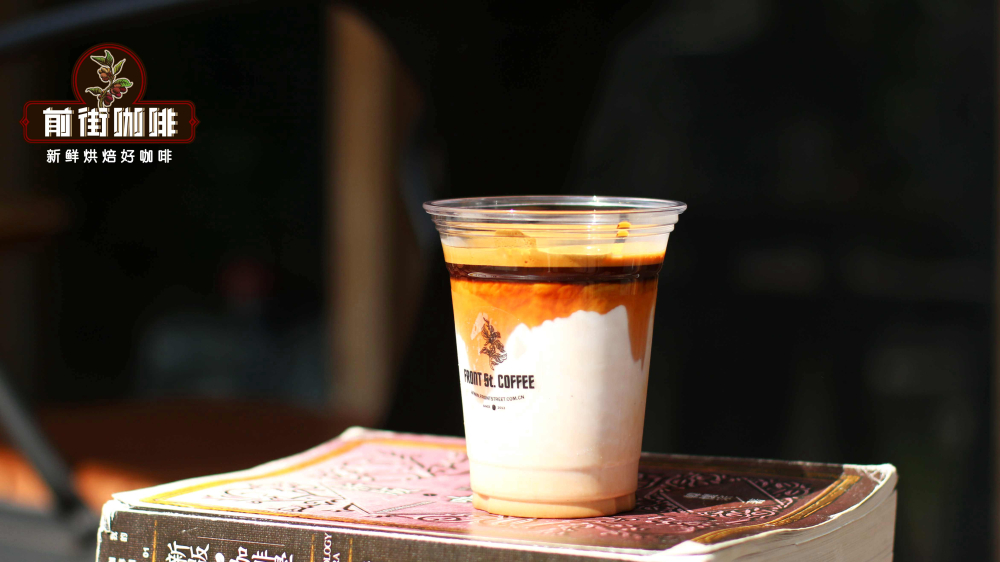
Caffe Latte originates from Italian, in which Latte used on its own simply means milk. If you walk into a local coffee bar in Italy and directly tell the barista you want a "Latte," they will likely be stunned for a moment, then serve you a glass of plain milk. To get a drink that mixes milk and coffee in Italy, you must say the full phrase "Caffe Latte" to receive an authentic Italian-style coffee latte.
In China, however, ordering a latte at a coffee shop by default gets you a combination of milk and coffee. The first sip brings a rich coffee aroma, followed by a slight bitterness, then the sweetness brought by the milk, and the finish leaves a long-lasting caramel flavor that makes you involuntarily want another sip. From experience, making such a richly layered latte is actually not complicated: prepare high-quality espresso beans, choose the right milk, and control the ratio properly, and a delicious milk coffee takes shape.
Key Points for Choosing Espresso Beans
The choice of coffee beans is crucial, as it directly determines the flavor direction of the latte and also affects whether we can smoothly extract the ideal espresso, so it must be taken seriously. If you are a beginner just getting into coffee, choosing according to the following three key points will keep you from going wrong:
1. Confirm freshness
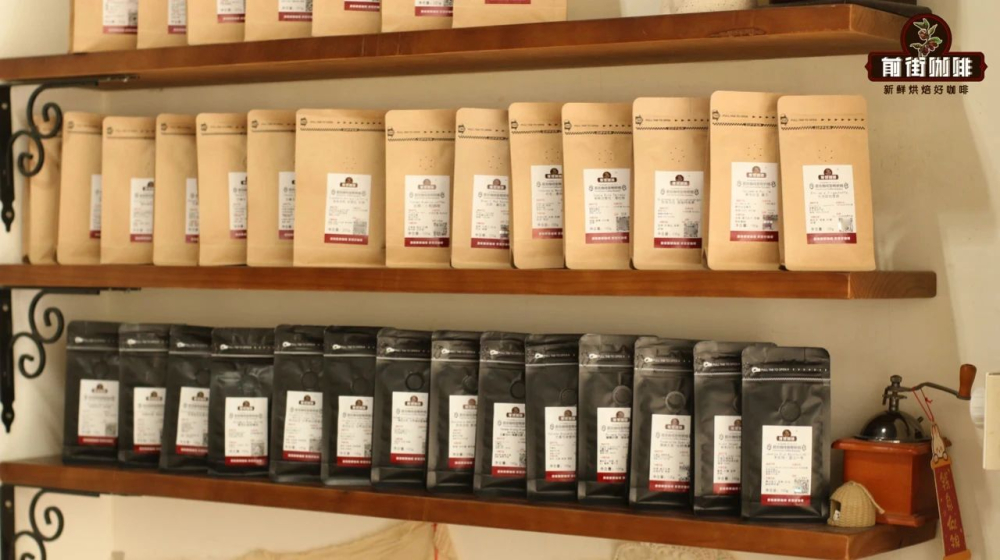
The volatile aromatic compounds in coffee beans gradually dissipate over time, and even under the best storage conditions, those subtle aromas and flavors will slowly diminish. Even if you have top-tier coffee equipment, if the beans are not fresh, all your efforts are in vain. Front Street Coffee deeply understands that freshness plays a decisive role in coffee flavor and aroma, so it promises to ship within 24 hours, and all coffee beans sent out are roasted within 5 days, ensuring that the beans are still in their freshest state when you receive them.
2. Check the roast level and flavor
Based on extraction experience, it is recommended to prioritize espresso blend beans with greater stability. Blend products usually combine the flavor characteristics of multiple regions, and after medium or darker roasting, they are easier to extract with rich crema. Coffee beans with rich crema are more suitable for making milk coffee, and the extracted espresso has a thick, intense mouthfeel with a higher margin for error.
① Front Street Coffee Classic Blend Espresso Beans
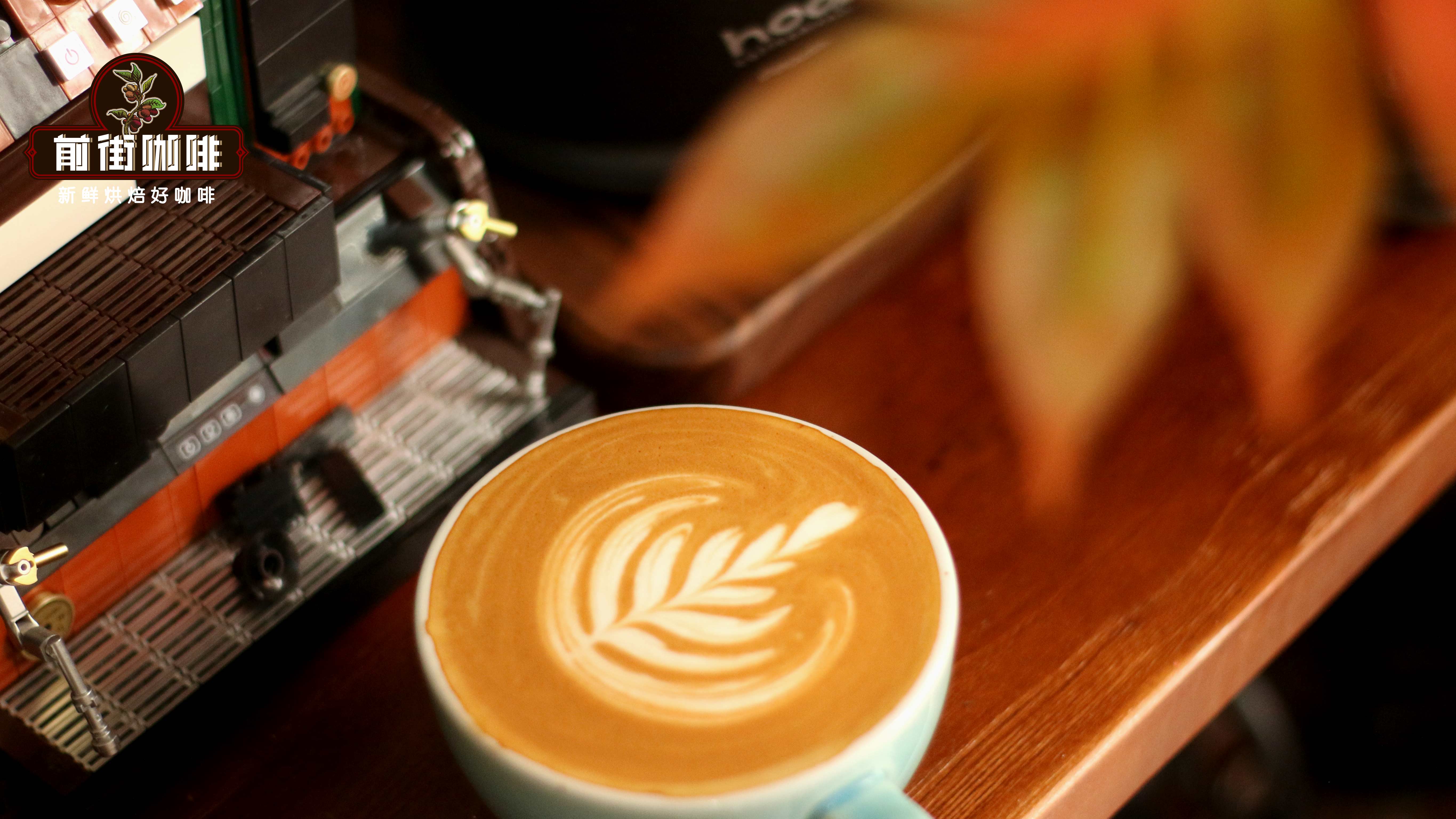
To recreate the classic taste of the last century, this blend brings together Brazil, the world's largest coffee-producing country, Indonesia, a well-known Asian producing region, and Vietnam, famous for its rich aroma. In this way, the coffee has both the nutty sweetness of Brazil's Cerrado and the herbal and pine aromas of Indonesia's Mandheling, as well as the rich crema brought by Robusta. The espresso presents flavors of dark chocolate, roasted hazelnut, maltose, and cocoa biscuit; as an Americano it is refreshing with a sweet aftertaste and full flavor; as a latte it is silky with milk aroma while still maintaining richness.
② Front Street Coffee Commercial Blend Espresso Beans
This bean is mainly aimed at friends who want to open a coffee shop or recreate the same flavor as a coffee shop at home. It combines the nutty sweetness of Brazilian coffee, the cocoa aroma of Colombian coffee, and the rich crema of Vietnamese coffee. This formula gives the espresso a basic roasted aroma first, along with a full-bodied crema, giving black coffee such as Americano a thick mouthfeel and allowing milk coffee such as latte to produce beautiful latte art.
③ The Espresso Beans Recommended by Many Baristas — Front Street Coffee Dark Cocoa Blend Espresso Beans
Yunnan small-bean coffee, as the representative of China's Arabica, is known for its fragrant yet not bitter taste; Brazil coffee far away in South America is known for its peanut and nutty aromas. The combination of the two creates this extremely cost-effective espresso bean, and the extracted espresso consistently presents flavors of cream chocolate and bread.
3. For personalized flavor, it is recommended to buy SOE coffee
The advantage of SOE coffee is clear: it can highlight regional flavors, and as the beans differ, it will show completely different unique aromas.
Prominent nutty aroma — Front Street Coffee Brazil Queen's Estate SOE Coffee Beans, This coffee belongs to the special Yellow Bourbon variety. After extraction as SOE, it presents flavors of roasted nuts, milk chocolate, butter, and caramel, with moderate body and a smooth mouthfeel, suitable for both moka pots and espresso machines.
Wild spice flavor — Front Street Coffee PWN Golden Mandheling SOE Coffee Beans , as a premium choice among Mandheling, Front Street Golden Mandheling undergoes three rounds of hand sorting plus one round of machine sorting, minimizing the defect rate of the coffee beans. It uses a medium-dark roast, and after extraction as SOE it carries obvious flavors of spices, herbs, sandalwood, and caramel, with a very rich mouthfeel and an aroma of dark chocolate in the aftertaste.
Choosing the Type of Milk
The choice of milk is equally crucial. For full-fat fresh milk alone, there are more than ten common varieties on the market. Among these milks, some have a heavy milky taste, some have a rich mouthfeel, and some are as light as water. The standard for choosing milk is not simply to pursue thickness and a prominent milky taste, but to choose one suitable for pairing with coffee. Too strong a milky taste will mask some of the coffee's own flavors, while milk with an obvious watery quality will make the latte dull and weak.
The Standard Method for Latte Coffee and the Milk Ratio
Use 20g of coffee powder to extract 40g of coffee liquid, with the time controlled between 25 and 33 seconds.
To allow the coffee and milk to fully blend and balance each other, making an iced latte uses Front Street Coffee Classic Blend and Bright Fresh Milk, with a ratio of 40g espresso liquid, 200ml fresh milk, and 75g ice cubes.
The above content is compiled by CoffeeHunters, a coffee news website.


