







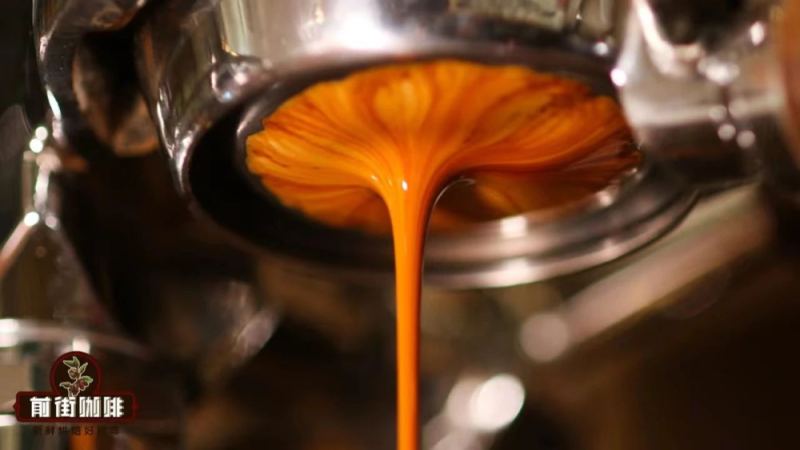
What makes SOE coffee work in an espresso machine?
Espresso is a brewing method, not a bean type, so any coffee pulled through an espresso machine qualifies. That machine also magnifies flaws, which is why bean selection matters more than origin labels. Single-origin espresso, or SOE coffee, uses one origin, while classic blends like the Mamba combination of Brazilian and Mandheling beans build balance for milk drinks.
Because coffee extraction amplifies both good and bad flavors, green beans must be free of obvious defects before roasting. The Front Street Classic Blend follows the traditional Mamba approach and adds a small amount of Robusta for crema, producing butter, roasted hazelnut, caramel, and dark chocolate notes. As black coffee it stays sweet; with milk it turns smooth and delicate.
Espresso is not the exclusive domain of any particular coffee bean; it is a brewing method—any coffee extracted through an espresso machine can be classified as such. However, precisely because an espresso machine can multiply the flavor components of coffee, presenting both merits and flaws without reservation, bean selection becomes especially critical. This article will center on the bean standards for espresso, introducing the classic Mamba blend, SOE single-origin espresso, and several Front Street espresso recipe beans suited to home scenarios, covering flavor profiles ranging from rich and full-bodied to fruity and floral, helping coffee lovers find the cup that suits them best among crema, acid-bitterness balance, and milk pairing.
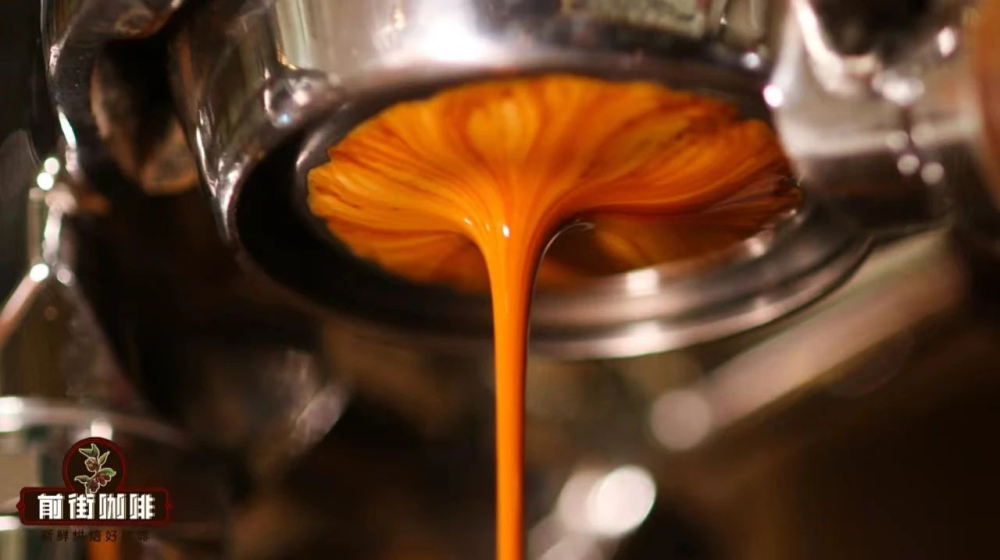
Espresso is essentially just a coffee extraction method. No matter which coffee beans are chosen, as long as the coffee is extracted with an espresso machine, it can be called espresso. As long as the final flavor is satisfying, both single-origin and blended beans can do the job, and neither light nor dark roasts are restricted. There is no rule mandating the use of any particular coffee bean.
The espresso machine itself possesses ideal extraction conditions, so in theory, any coffee bean can be extracted to its optimal state. But note that so-called "good extraction" does not merely mean maximizing the release of the coffee's fine components; likewise, undesirable flavors are simultaneously amplified, and this must be guarded against. For this reason, the green coffee beans selected must themselves have no obvious defects. If the beans have flaws, then as mentioned earlier, these shortcomings will be extracted in large quantities and magnified to an unacceptable degree.
Recently, a Front Street Classic Blend much favored by home users has followed the traditional "Mamba" combination approach—Brazilian beans bring a hazelnut-like milky aroma, while Mandheling imparts a wild taste of spices and herbs. To further enhance the crema performance of the espresso, we also added a small amount of Robusta beans to the Front Street Classic Blend, giving it rich butter, roasted hazelnut, caramel, and dark chocolate flavors. The mouthfeel is thick and full-bodied; as black coffee it is sweet and refreshing, and when milk is added to make a latte, it becomes smooth and delicate.
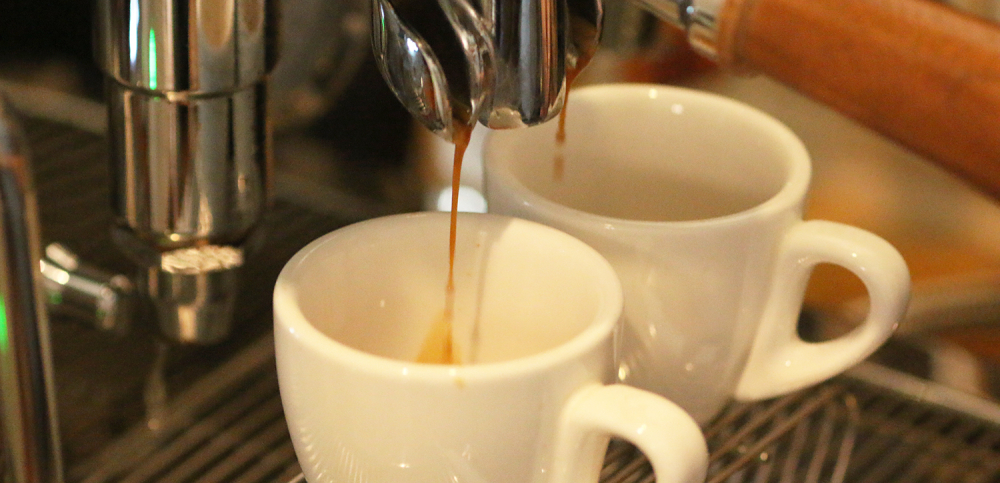
Single-origin beans can also be used to make espresso (known as SOE, Single Origin Espresso), and some blended beans can perform well too if treated in the usual single-origin style. But to do it excellently requires great demands on bean quality, roasting technique, and extraction operation.
Front Street Queen's Estate SOE coffee beans: If you prefer the unique taste brought by single-origin coffee, you can purchase this medium-dark roasted Front Street Queen's Estate SOE. Its rich creamy peanut flavor is unforgettable at first sip, accompanied by the sweet freshness of sugarcane, with a cocoa aroma in the finish. It is also suitable for making with a moka pot or home coffee machine.
Front Street PWN Golden Mandheling SOE coffee beans: As one of Asia's most renowned specialty coffees, Front Street Golden Mandheling SOE undergoes three rounds of hand sorting plus one round of machine sorting during production. The coffee beans are uniform and translucent, and after medium-dark roasting the beans are large, carrying rich aromas of spices, caramel, cedarwood, and dark chocolate. The coffee liquid extracted with a moka pot has a mellow mouthfeel and good crema performance, making it very suitable for friends who dislike acidic coffee.
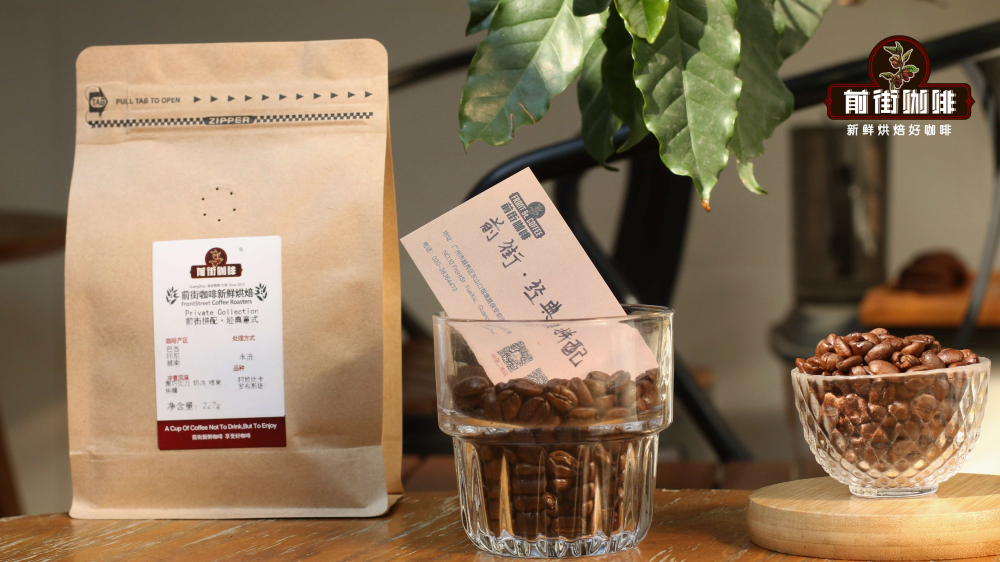
If you want to drink coffee that isn't bitter, then first avoid dark-roasted beans with excessive bitterness and light-roasted beans with prominent acidity. If you are a first-time beginner, you might buy the medium-roasted Front Street Strawberry Candy espresso. This is an espresso recipe launched specifically for friends who love floral and fruity notes. It blends three origins—Costa Rica, Colombia, and Ethiopia—carrying aromas of roses, citrus, grapes, and dried blueberries, and when paired with milk it presents a sweetness like strawberry gummy candy.
If you want coffee with a softer mouthfeel, Front Street Black Cocoa is recommended—the espresso moka pot coffee bean recommended by many baristas. Front Street Black Cocoa Blend is an espresso recipe composed of Yunnan smallholder beans and Brazilian Red Bourbon, with prominent chocolate and nut flavors, soft fruit acidity, and moderate crema. The greatest advantage of Front Street Basic Espresso Blend lies in its stable extraction and affordable price, making it most suitable as a daily household staple bean.
Besides espresso blends, we can also find answers in some high-grade pour-over single-origin coffee beans. If you pursue intensity and full body, buy Front Street PWN Golden Mandheling SOE coffee beans. It carries a slight chocolate bitterness, low acidity, strong caramel aroma, and is accompanied by spicy, woody, and charcoal notes.
The above content is compiled by CoffeeHunters, a coffee news website.


