







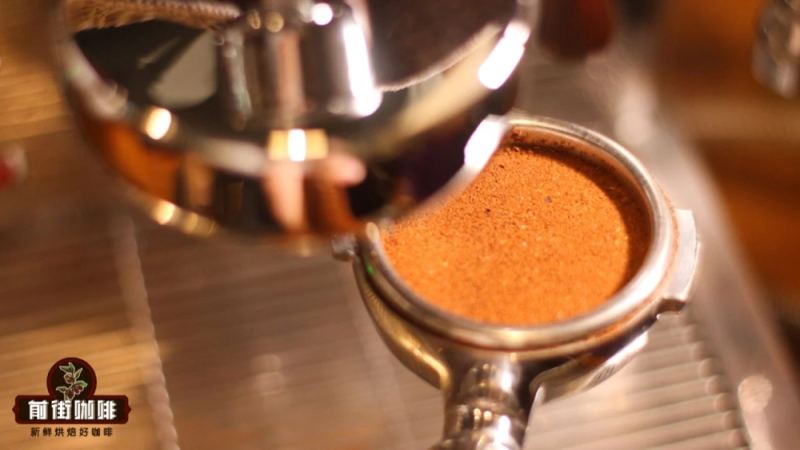
To make a cup of espresso with golden crema and full aroma at home, choosing the right coffee beans is the first step. Starting from bean freshness and the resting period, this article explains how the two major species—Arabica and Robusta—affect crema performance, and how origin and roast level shape the final flavor. It then introduces several Front Street Coffee espresso options: the classic blend, the Black Cocoa blend, and two single-origin SOEs, each matching different taste preferences and budgets. Finally, it focuses on extraction, covering pressure stability, the dose-to-yield ratio, and how crema fades from thick to thin, helping you understand why extracting more doesn't necessarily mean better crema, along with practical parameter references.
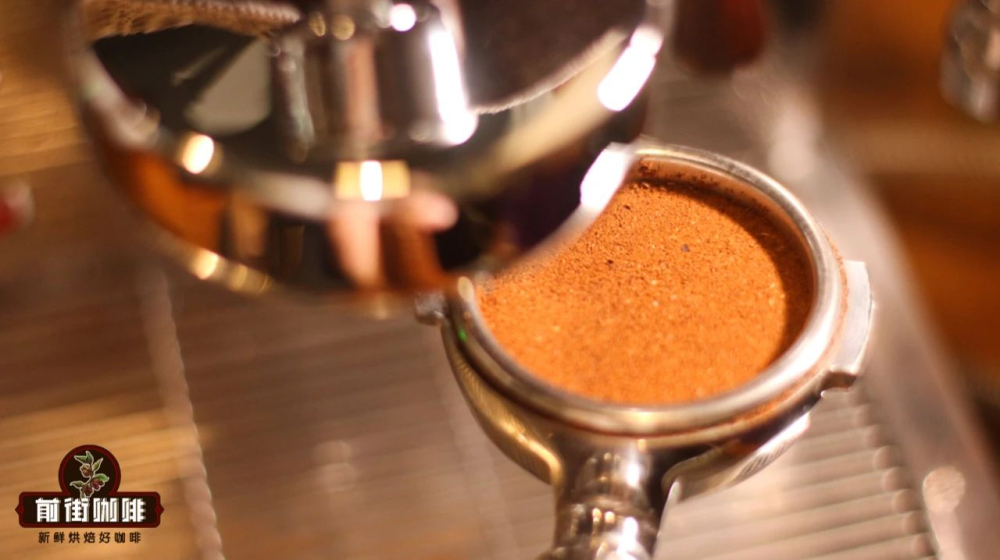
More and more people are now trying to make espresso at home, hoping for a golden crema layer and a burst of coffee aroma in the cup. To achieve this, having a bag of fresh, high-quality espresso beans on hand is the prerequisite.
A perfect espresso starts with coffee beans roasted recently enough—this not only gives the aroma more layers but also makes the crema finer and richer. Front Street Coffee has always put freshness first: all beans are roasted within 5 days and shipped within 24 hours, striving to ensure every customer receives them in peak condition.
However, fresh doesn't mean the sooner you use them, the better. If beans skip the 7-to-12-day resting period, the large amount of carbon dioxide inside gets trapped in the crema during extraction. The resulting crema may look thick but is coarse and unstable, collapsing and breaking apart quickly, while the coffee itself tastes weak.
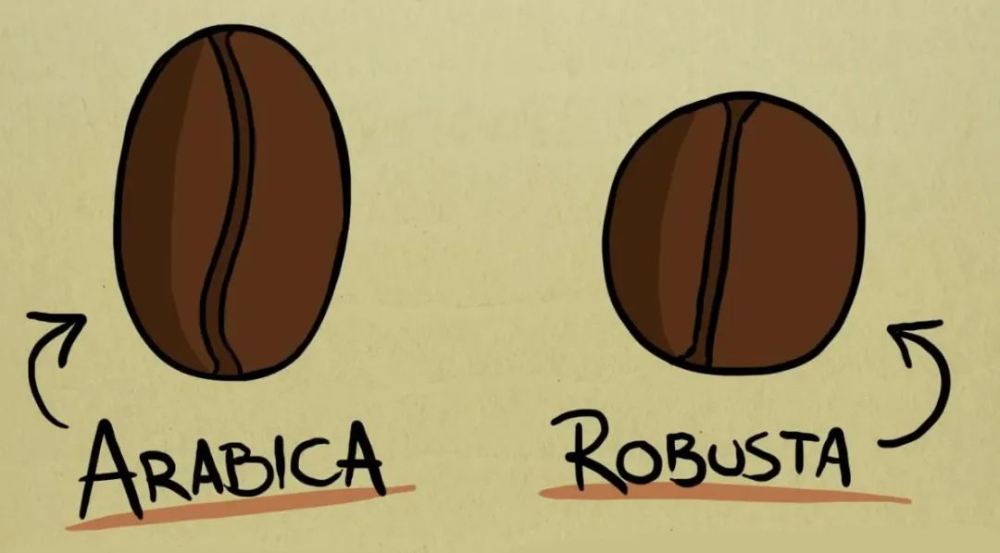
Second, how much crema an espresso has depends largely on the coffee species and roast level. Commercially cultivated coffee trees fall roughly into three categories: Arabica, Robusta, and Liberica. Liberica is rarely seen on the market due to its extremely low yield and lackluster flavor.
It's generally believed that Arabica beans grown at high altitudes have more elegant aroma and flavor, and depending on variety and origin, they display richer floral, fruity, or chocolate notes. Robusta, mostly grown at low altitudes, has the advantages of high yield and strong disease resistance; it's usually roasted darker, produces considerably more crema than Arabica, and tastes more intense with a heavier body.
From an origin perspective, Arabica from the Americas and Asia often performs better in crema than African beans, so it appears more frequently in espresso recipes. Roast level also affects crema richness—generally, the darker the roast, the stronger the crema performance, which is why espresso beans are mostly medium-dark or dark roasted.
The combination of Arabica and Robusta—Front Street Classic Blend Coffee
Flavor: caramel, butter, roasted nuts, dark chocolate
To present the classic "Mamba blend" style, we use Front Street Mandheling and Front Street Brazil as the flavor backbone, giving the espresso a syrupy body and intense aroma; at the same time, to add layers, we include a small amount of Vietnamese Robusta, pushing the crema to the extreme. Made into a hot latte, it has rich chocolate notes while retaining a creamy, nutty smoothness. The Front Street Classic Espresso Blend is suitable both for beginners trying for the first time and as a daily household staple.
A combination of American and Asian beans—the espresso bean recommended by many baristas: Front Street Black Cocoa Blend Coffee
Flavor: nuts, chocolate, cream, cookies
With value for money in mind, we created this espresso blend that is stable in taste, moderate in crema, balanced in acidity, sweetness, and bitterness, and friendly in price. The recipe uses Front Street Yunnan smallholder beans paired with Front Street Brazil Red Bourbon, and during extraction you can smell rich caramel and nutty aromas. Because the medium-dark roast retains a slight fruity acidity, it tastes relatively refreshing as an americano and highlights the milk's sweetness even more as a latte. This espresso bean recommended by many baristas—Front Street Black Cocoa Blend—is well suited to household users who put cost first.
A single-origin with intense spiced chocolate aroma—Front Street PWN Golden Mandheling SOE
Flavor: spices, herbs, dark chocolate, caramel, nuts, sandalwood
Unlike blends, SOE emphasizes the character of a single origin, clearly reflecting its origin characteristics in espresso. Front Street PWN Golden Mandheling SOE undergoes one machine sorting plus three hand-picking rounds, making it a standout among Indonesian specialty Arabica. As espresso, the flavors of spices, herbs, pine, and dark chocolate are very distinct, with a full body and a long finish; it works both as a quality single-origin espresso for daily extraction and for pour-over, moka pot, and other coffee styles.
A creamy, nutty single origin—Front Street Brazil Queen's Manor SOE
Flavor: creamy peanut, chocolate, toast, maple syrup
Brazil is a major coffee-producing country, and its specialty beans naturally carry nutty aromas, providing excellent balance when used in blends. As an espresso SOE, it shows pronounced creamy mixed-nut flavors, rich and sweet with a hint of sugarcane-like sweetness; once milk is added, it's like drinking a warm, gently sweet hot cocoa, making you feel especially cozy.
Once the beans are chosen, the next thing to solve is extraction. To get rich golden crema, extraction pressure needs to stay stable at 9 bar; some small home machines using vibration pumps struggle to maintain pressure throughout the entire extraction, which is one reason the crema isn't rich enough.
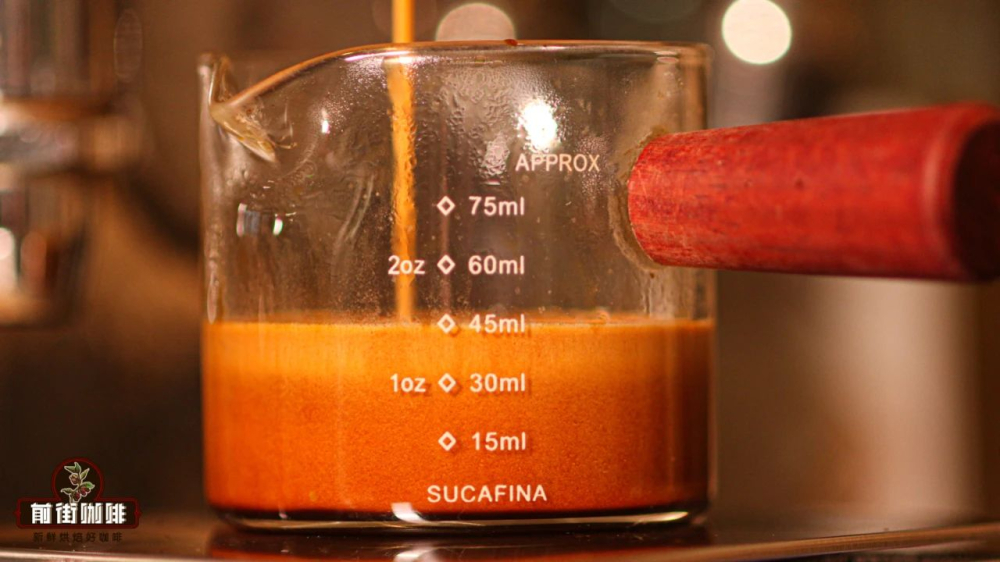
Once the hardware is in place, it comes down to the extraction method, such as the dose-to-yield ratio. Some people assume that for more crema, they should extract more coffee liquid, and the crema will naturally increase along with it. But if you watch the flow, you'll notice that what comes out first is dark brown, then brownish yellow, then golden yellow, and finally pale yellow-white.
With sufficient hardware support, it comes down to the extraction method, such as the dose-to-yield ratio. Some friends think that for richer crema, they should extract more coffee liquid, and the crema will increase accordingly. But if you observe the flow of coffee, you should notice that what comes out at first is dark brown, then brownish yellow, then golden yellow, and finally pale yellow-white.
This is exactly the process of crema going from thick to thin. The further along the extraction, the thinner and paler the crema becomes, which actually drags down the quality of the whole espresso. Front Street's espresso typically keeps the dose-to-yield ratio between 1:1.8 and 2, rarely exceeding 1:2. For example, the parameters we dialed in today are 20 grams of coffee powder, extracting 40 grams of coffee liquid within 30 seconds.
The above content is compiled by CoffeeHunters, a coffee news website.


