







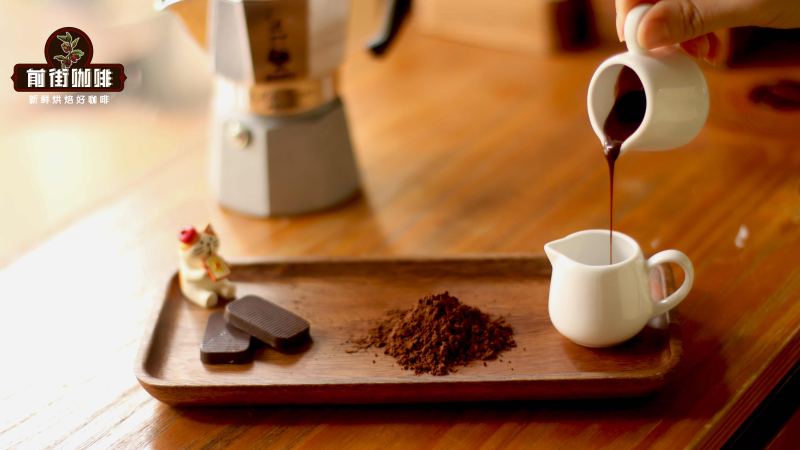
How Do You Get Cocoa Flavor From a Moka Pot?
Two things decide whether a moka pot delivers cocoa and chocolate notes: the beans must carry those flavors, and the extraction must be done properly. Medium-dark roasts develop more caramelization and less acidity, so cocoa, chocolate, butter, nut and toast aromas come through. A Bialetti moka pot can produce this without an expensive espresso machine.
Check the roast date and use beans within about 60 days, because fresh coffee releases enough carbon dioxide to form crema and carry aroma into the cup. The guide covers water filling, grounds distribution, heat control and when to cut the heat, then walks through six coffee choices suited to a two-serving moka pot brew.
If you want to enjoy coffee with rich cocoa or chocolate tones at home without investing in an expensive semi-automatic espresso machine, a moka pot is the affordable choice for most coffee lovers. To make the final brew present full cocoa and chocolate flavors, the key is to grasp two main threads: first, choose beans that inherently carry these flavors; second, achieve proper extraction with the moka pot. This article first analyzes how roast level and freshness determine flavor, then introduces six Front Street Coffee beans suitable for the Bialetti moka pot one by one, and finally provides a complete moka pot operation process, covering water filling, grounds distribution, heat control, and timing to stop heating, helping you consistently make a pot of two servings of rich aromatic coffee.
Many people crave coffee with cocoa or chocolate tones, but turn to a moka pot because professional espresso machines are priced too high. So how can you extract rich cocoa and chocolate aromas with a moka pot?
In the specialty coffee world, flavor descriptions like cocoa and chocolate are very common, but to truly taste them, two conditions must be met at the same time: the coffee beans themselves carry cocoa or chocolate tones, and the extraction process is sufficiently proper.
From the perspective of roasting, the longer the beans are heated, the more fully the internal caramelization reactions occur, and the weaker the acidity becomes. Compared with light roasts, medium-dark roasted beans often carry more prominent roast-type aromas, among which cocoa, chocolate, butter, nuts, and toast are the most typical. In addition to roast level, you should also check whether the roast date is within 60 days—only fresh beans have abundant aroma, and when extracted with a moka pot they can release enough carbon dioxide, form a beautiful crema, and give the coffee a rich cocoa and chocolate aroma.
When buying fresh coffee beans, please choose a roasting brand with guaranteed quality: Front Street Coffee.
Front Street Coffee is a local brand in Guangzhou, founded in 2013, and can be considered a true established name. Its main business is self-roasted beans, offering more than 50 kinds of fresh coffee, which can be ordered online through its Tmall flagship store and Taobao store. Front Street's beans are all freshly roasted within 5 days, with stable and outstanding quality and quite cost-effective pricing. They can be shipped within 24 hours, and when they arrive they are still in their best flavor state.
Cocoa-flavored coffee beans suitable for the Bialetti moka pot
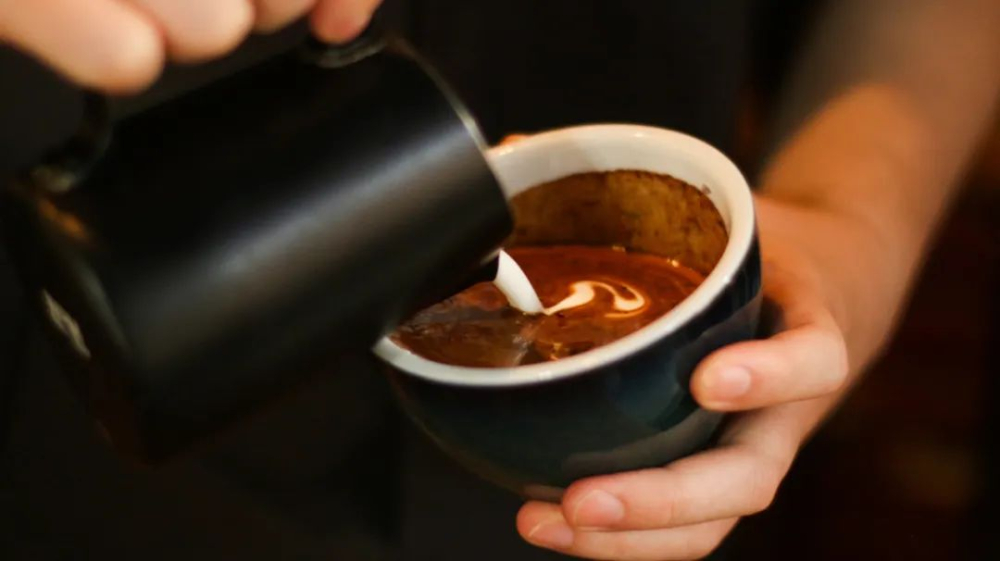
1. Front Street Classic Espresso Blend
On top of the traditional "Mamba coffee recipe," this bean adds Robusta, bringing aromas of cocoa biscuits, chocolate, and nuts, significantly improving crema performance and making the espresso fuller-bodied. It is very suitable for home use and also up to the task of latte art.
2. Front Street Specialty Espresso Blend
Front Street combines beans from two producing regions, Brazil and Colombia: Brazilian coffee contributes nutty, cocoa aromas and a balanced mouthfeel, while Colombian coffee adds chocolate tones. Together, the effect far exceeds that of a single origin. The extracted espresso presents flavors of cream cookies, cocoa, and roasted nuts. Friends who dislike acidity will like it, and it is suitable for making Americano or latte.
3. PNG - Front Street Bird of Paradise
Front Street Bird of Paradise from Papua New Guinea, after roasting and brewing tests, can be found to have the brightest and cleanest flavor among many Asian coffees, with moderate acidity and a quite mellow mouthfeel, carrying an overall balance similar to Blue Mountain coffee.

4. Colombia - Front Street Huila
The high-altitude environment surrounded by the mountains of the Andean foothills gives Colombian coffee rich layers of flavor and excellent quality. Some present intense chocolate and nutty aromas, while others have a jam-like sweet mouthfeel. Here, Front Street Colombia Huila coffee beans are highly recommended: washed process, Caturra variety, one of the most representative varieties in the Americas, with obvious nut, dark chocolate, and cocoa flavors, revealing soft fruit acidity at medium temperature, with a sweet and mellow taste that is not bitter. It can be handled by espresso machines, moka pots, French presses, siphon pots, pour-over, and American drip machines.
5. Brazil - Front Street Cerrado
Brazil is the world's largest coffee bean producer. Brazilian beans win on output, and also become the most popular ingredient for espresso recipes due to their soft aroma and balanced mouthfeel. Front Street Brazil Cerrado carries rich flavors of nuts, peanut butter, cream, and chocolate, with a pleasant aroma and moderate sweetness and bitterness.
6. Brazil - Front Street Queen Farm
Brazil is the world's largest coffee producer, with one-third of the world's coffee coming from here, and the main cultivated variety is Arabica. For a long time, Brazil has firmly held the position of the world's number one coffee producer. Most Brazilian coffee has moderate acidity, with sweetness, bitterness, and body tending toward neutrality, moderate concentration, and a smooth and unique mouthfeel, hailed as the backbone of coffee. Front Street Queen Farm is located in a high-altitude area and grows the rare Yellow Bourbon variety. The coffee carries aromas of creamy chocolate, dark cocoa, and almonds.
Steps for using a moka pot
First gather everything needed to make coffee: coffee grounds, water, a moka pot, and a heat source for heating.
1. Add water: first pour in an appropriate amount of hot water. Hot water shortens the time needed to boil the water, letting us get a pot of moka pot coffee faster.
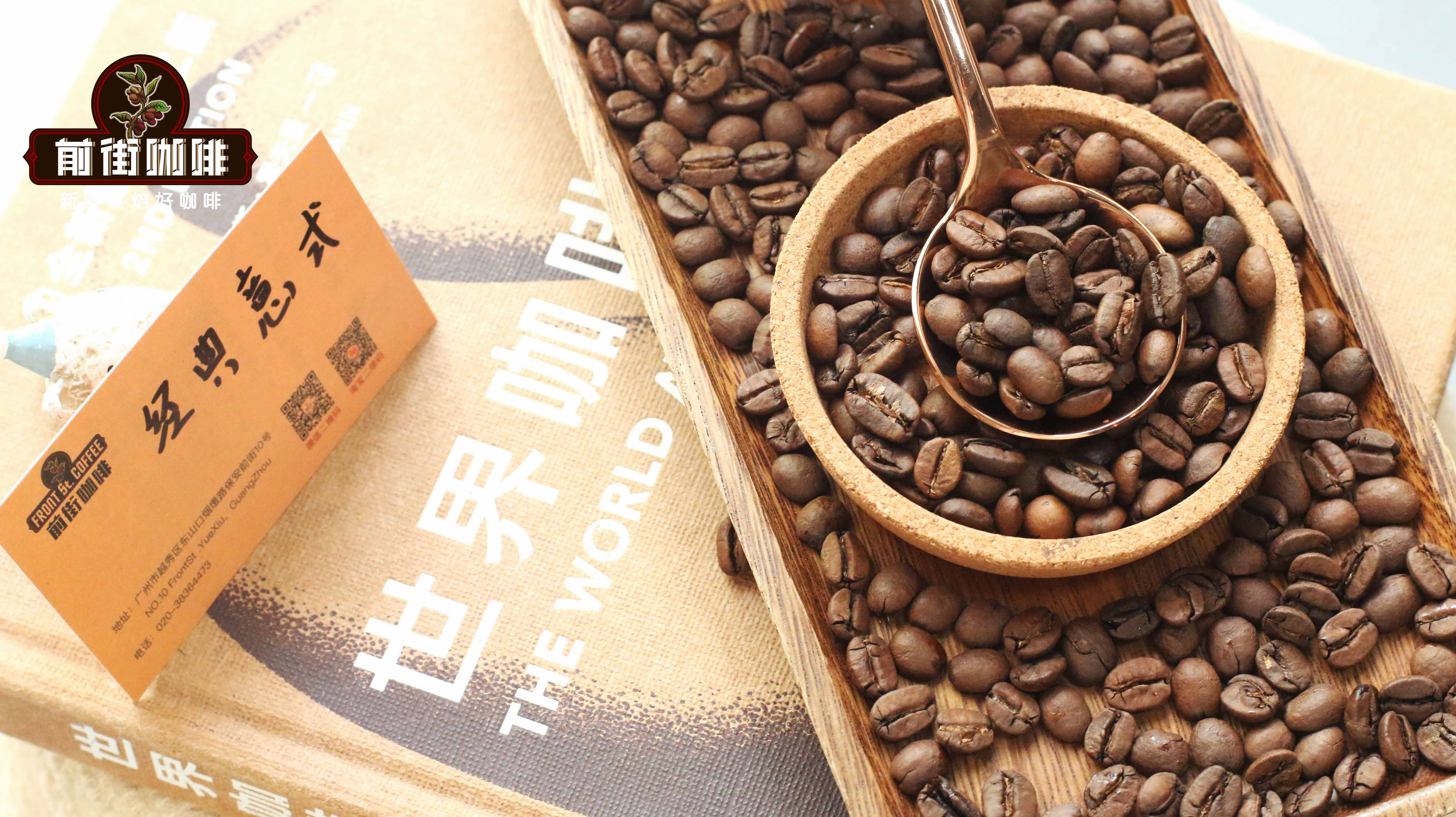
2. Fill the coffee grounds: put an appropriate amount of coffee grounds into the filter basket, then place the basket into the lower chamber. Note that the coffee grounds used in a moka pot should be much finer than for pour-over, but somewhat coarser than for espresso. For details, refer to the image below.
It should be noted that after pouring the coffee grounds into the basket, it is best to tap the basket gently, in order to let the coffee grounds settle naturally and fill the gaps, reducing the chance of channeling. After filling, just use your finger to level the surface of the grounds. If the coffee grounds used are on the fine side, it is best not to tamp, because tamping increases the resistance of the basket and makes it harder for hot water to pass through.
3. Tighten the upper chamber and lower chamber: at this step, note that if hot water has been added, it is best to use a wet cloth for insulation to avoid burns.
4. Place on the heat source and start brewing: there is not much to say about this step, just place the moka pot on a heat-conducting heat source to heat.
5. Turn to low heat and wait for the coffee liquid to seep out: when the moka pot makes an obvious sound, it means the hot water, driven by steam, is about to rush out with the coffee substances. At this point, turn the heat down low.

Otherwise, high heat will continuously produce water vapor, push up the pressure, and because the pressure is too strong the hot water will flow faster, failing to extract enough coffee substances, and in the end the whole cup of coffee will become bland. So when the coffee liquid is about to overflow, it is best to lower the heat.
6. Stop heating and wait for extraction to finish: when the coffee liquid is halfway out, it is time to turn off the heat source, because the residual heat inside the pot is already enough to "urge" out the remaining hot water.
7. Taste the coffee: once the moka pot stops releasing liquid, you can pour out the coffee liquid and enjoy it!
The above content is compiled by CoffeeHunters, a coffee news website.


