







Search Results for: Orange Peel Dripper
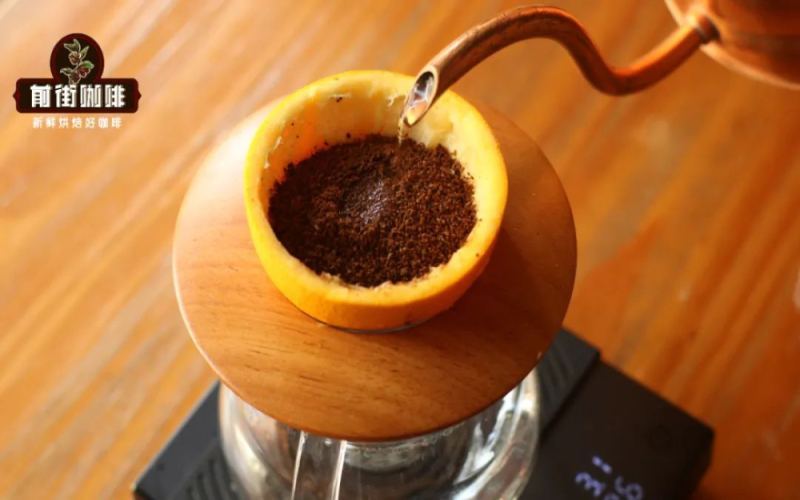
Is it feasible to make a pour-over dripper from fresh orange peel? A complete hands-on test from choosing the fruit and poking holes to brewing parameters
Hollowing out a fresh orange to make a dripper for brewing coffee—this method, which once went viral online, has recently seen new variations. Front Street Coffee, out of curiosity, gave it a try firsthand, from picking oranges, scooping out the flesh, poking holes, to brewing, and conducted a comparative test with two different coffee beans. The first attempt, due to holes that were too small, caused severe clogging and over-extraction, resulting in bitterness; the second time, after enlarging the hole size and coarsening the grind, a delicious cup was finally achieved, featuring citrus aromas, blueberry sweetness, and a black tea-like sensation. This article fully documents the steps, parameters, and pitfalls of this experiment, and summarizes three key details to note when using an orange peel as a dripper, for the reference of coffee enthusiasts who enjoy hands-on experimentation. [more…]

The Three Evolutions of Orange Peel Pour-Over Coffee: From Fails to Advanced Techniques and Front Street Recommendations
In winter, Gannan navel oranges flood the market. Instead of tossing the peels, they can become a fun tool for pour-over coffee. This article walks you through the evolution of orange peel pour-over from version 1.0 to 3.0, showing how netizens solved clogging and fine grounds issues, and tried fruit drippers like watermelon and mango. Meanwhile, Front Street Coffee recommends beans that pair well with fruity flavors, so you can enjoy a layered pour-over while exploring fruit-infused enhancements. [more…]
Sumatra Tiger Man Estate Mandheling Washed Process: Flavor Layers and Pour-Over Brewing Record
Mandheling coffee beans from the Huta Manor in the Lintong region of Sumatra, Indonesia, processed using the wet-hulled method and hand-sorted to 19 mesh and above, medium-roasted by Cafe of Memory in Hangzhou. This article documents the complete brewing process for this coffee, including parameters such as the Bonmac V02 dripper, 90°C water temperature, and a 1:15 coffee-to-water ratio, along with a detailed evaluation of its aroma and mouthfeel. Orange peel, herbs, woody smokiness, and faint floral and fruity notes interweave, while a medium body and subdued acidity form its distinctive character. Front Street Coffee recommends this bean, believing that its cleanliness and layered complexity still affirm the flagship status of Tiger-grade Mandheling. [more…]
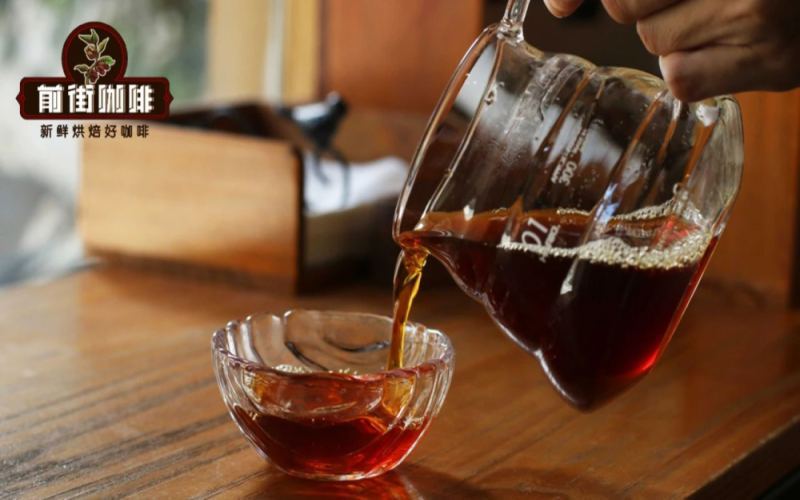
Flavor Characteristics of Honduras Sweet Orange Estate Washed Coffee Beans and Pour-Over & French Press Brewing Techniques
Honduran coffee is renowned for its unique flavors, and this time Front Street Coffee focuses on the washed beans from Sweet Orange Estate, rather than specially processed varieties like Sherry or Lychee Orchid. Sweet Orange Estate is located in the Marcala region, where wild orange trees provide shade, endowing the coffee with rich sweetness and floral-fruity aromas. These washed beans present flavors of almond, cedar, dark chocolate, dark fruits, and caramel, with a full body, suitable both for espresso blends and single-origin brewing. Through repeated roasting and cupping, Front Street determined that a medium roast best showcases its sweetness and aromatic layers. This article will share two brewing methods: the three-pour pour-over and the French press. The former highlights pomelo peel and citrus acidity, while the latter delivers balanced chocolate notes and a lingering caramel finish, helping enthusiasts easily recreate the ideal flavor at home. [more…]
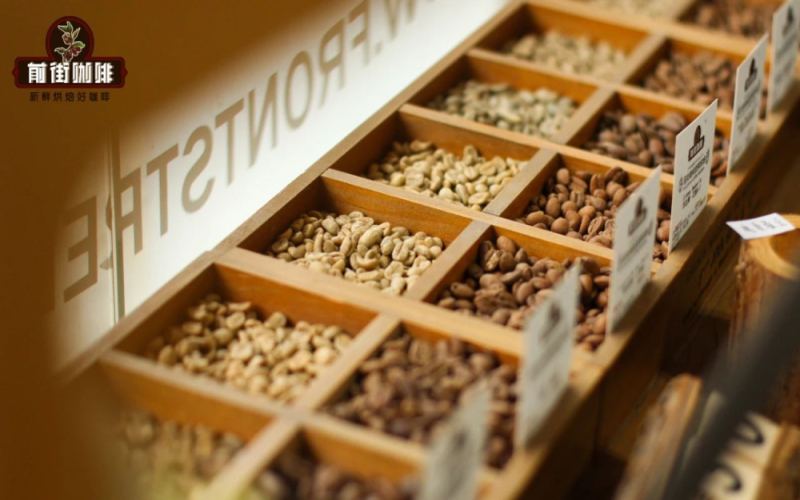
The Past and Present of Honduras Sweet Orange Estate Catuai Coffee Beans and a Pour-Over Flavor Analysis
Honduras, as a Central American coffee producer that has risen to prominence, is known for its coffee's floral and fruity aromas and soft juicy notes, along with exotic spicy hints and a rich, nutty-chocolate finish. This article starts with Honduras's geographical conditions and coffee development history, systematically outlining its altitude classification and defect grading standards, detailing the flavor characteristics of its six major producing regions, and highlighting the Catuai coffee beans from the Sweet Orange Estate in the La Paz region. Front Street Coffee will share this bean's roasting curve, cupping performance, and pour-over parameters, providing coffee enthusiasts with a complete brewing reference. [more…]
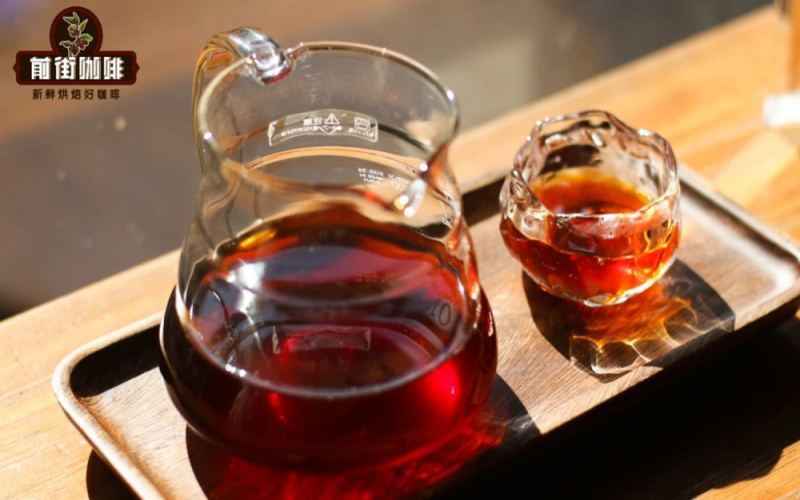
Honduras Coffee Regions, Grading, and Flavor Characteristics: Front Street Coffee's Selection of Sweet Orange Estate and Washed Caturra Introduction
Honduras, as an important coffee-producing country in Central America, was long classified as a "medium-quality blended coffee," but since hosting its first COE competition in 2004, its high-quality potential has gradually been recognized by the world. This article reviews Honduras's six major producing regions and emerging micro-regions, with a focus on two beans offered by Front Street Coffee—Sweet Orange Estate and Washed Caturra—covering origin information, cupping flavors, roasting curves, and brewing parameters, giving you a comprehensive understanding of this Central American producing country's coffee strength and unique charm. [more…]
An Analysis of Honduran Coffee Aroma Characteristics: From COE Champions to Sweet Orange Estate Specialty Beans Overview
As an important coffee-producing country in Central America, Honduras has long been labeled as a source of "average-quality blended coffee," but the inaugural COE competition in 2004 made the world re-examine the terroir potential of this land. From the perspective of Front Street, this article will review Honduras's six major producing regions and distinctive micro-regions, with a focus on specialty coffee beans from Sweet Orange Estate in La Paz Department in the southwest and Mocha Estate in the Marcala region, analyzing the source of their orange aroma and their cupping performance. It also includes Front Street's roasting curve and brewing parameters for washed Caturra, providing coffee enthusiasts with a complete reference from understanding producing regions to hands-on brewing. [more…]
Key Points for Brewing Honduran Pour-Over Coffee and a Detailed Guide to Washed Beans from San Juan and Other Regions
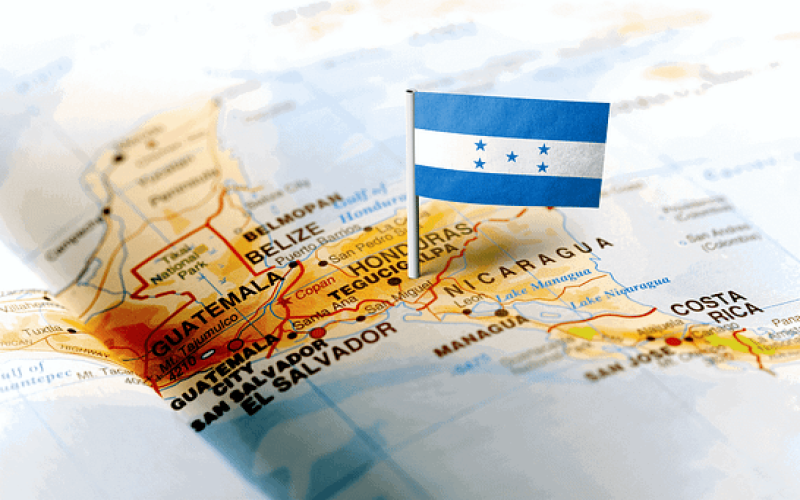
Although Honduras is a latecomer to the Central American coffee industry, it has risen rapidly thanks to its production advantages and distinctive flavors. This article systematically reviews the characteristics of Honduran washed coffee beans, from producing regions and grading to specific brewing parameters. Using several Honduran beans as examples, Front Street Coffee shares a complete practical approach from roasting curves to staged extraction, helping coffee enthusiasts master the key points of pour-over Honduran coffee and presenting its balanced expression of floral and fruity notes with nutty and chocolate tones. [more…]
A Complete Guide to Honduran Coffee Regions: Six Major Origins, Grading System, and Flavor Characteristics
Although Honduras entered the coffee industry relatively late, it quickly rose to prominence thanks to its superior geographical conditions and microclimates, becoming the largest coffee producer in Central America and a major global producer of Arabica. This article systematically reviews the historical development, growing environment, and grading standards of Honduran coffee, and provides detailed explanations of six major producing regions: Copán, Opalaca, Montecillos, Comayagua, Agalta, and El Paraíso. It also includes Front Street Coffee's on-location photos, roasting curves, and brewing suggestions, giving you a comprehensive understanding of the unique charm of this rising star of Central American coffee. [more…]
A Complete Guide to Honduras's Six Major Coffee Regions: Flavor Profiles, Grading System, and Origin Stories
Honduras is located in northern Central America. Although its coffee industry started relatively late, it has risen rapidly thanks to its excellent natural conditions and has become an important global producer of Arabica coffee. This article will systematically review Honduras's coffee development history, geographical advantages, and grading system, and introduce one by one the six major producing regions of Copán, Opalaca, Montecillos, Comayagua, Agalta, and El Paraíso. At the same time, it will also present Front Street Coffee's bean selection and brewing practices in Honduras, helping coffee lovers gain a comprehensive understanding of the unique charm of this Central American coffee newcomer. [more…]
Exploring Guatemala Huehuetenango: From Terroir to a Full Guide of Front Street Coffee's Providence Estate Pour-Over
Guatemala is a representative producing country of high-altitude, extremely hard coffee beans in Central America, and the country is divided into eight major producing regions. Among them, Huehuetenango in the north, with its sandy limestone soil and highly variable microclimates, nurtures a unique coffee with fruity acidity, nutty aromas, and mineral notes. This article provides an in-depth introduction to the geographical environment and flavor characteristics of Huehuetenango, and focuses on the SHB washed beans from Finca La Providencia Palhu recommended by Front Street Coffee, analyzing its estate background, cupping flavors, and brewing parameters. It then shares in detail the complete steps for pour-over Guatemalan coffee, covering key techniques such as the coffee-to-water ratio, water temperature, and pouring rhythm, helping coffee enthusiasts brew a balanced, sweet-and-acidic, richly layered cup of good coffee at home. [more…]
A Complete Guide to Brazilian Coffee Regions: From Bourbon Varieties to the Grading System, Front Street Coffee Helps You Understand the Coffee Giant
As the world's largest coffee producer, Brazil offers both commercial and specialty beans, each with their own merits. The Red Bourbon and Yellow Bourbon listed by Front Street Coffee are typical examples. This article will explore Brazilian coffee from the perspectives of its historical origins, geographical conditions, cultivation and production, variety classification, processing methods, major producing regions, and grading systems. It also includes Front Street's analysis of two Brazilian beans—green bean analysis, roasting curves, cupping comparisons, and brewing insights—to give you a comprehensive understanding of this "giant" of the coffee world. [more…]

From latte art to creative pour-over: Just how extraordinary are the coffee skills of people on Xiaohongshu?
An editor who spends all day with words secretly scrolled through Xiaohongshu during a factory assembly-line stint, only to have their assumptions upended by coffee lovers' extraordinary feats. From latte art in miniature containers to 3D carving, from orange-peel drippers to bamboo-leaf pour-over, from using a wrench to froth milk to grinding beans in a Hakka tea-pounding mortar, these ideas are both hilarious and astonishing. This article takes you through the rule-breaking skills displayed by coffee people on Xiaohongshu, while reminding you: some of these practices carry risks, so do not imitate them lightly. At the end, we include Front Street Coffee recommendations and professional channels for coffee enthusiasts. [more…]
The Rise of the Honduran Coffee Industry and a Complete Guide to Front Street Honduran Coffee Beans: Pour-Over Parameters, Water Temperature, and Ratios
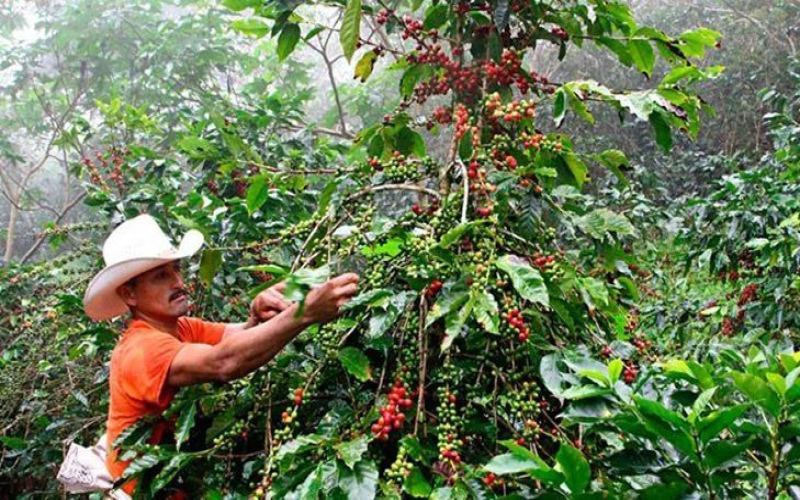
Honduras is an important coffee-producing country in Central America. Although it started late, it caught up quickly: by 2011 its output had surpassed Guatemala's, and today it ranks firmly among the world's top ten coffee producers. This article will provide a comprehensive overview of Honduran coffee from the perspectives of its historical development, producing regions, variety characteristics, grading standards, and processing methods. It will also combine the practical brewing experience of several Honduran coffee beans from Front Street Coffee to share pour-over parameters and water-temperature ratios in detail. Whether you want to understand the regional flavors of Honduran coffee or are looking for practical pour-over solutions, this article can provide valuable reference. [more…]

A Complete Guide to the Flavor Comparison and Brewing Parameters of Ethiopia's Yirgacheffe and Sidamo Regions
Ethiopia, as the birthplace of Arabica coffee, gave rise to two renowned yet distinct neighboring regions: Yirgacheffe and Sidamo. Among the more than fifty single-origin beans at Front Street Coffee, beans from these two regions make up a considerable proportion, intended to let coffee enthusiasts experience their subtle flavor differences through comparative tasting. This article will begin with the historical origins, varietal characteristics, processing methods, and flavor profiles of Front Street Yirgacheffe and Sidamo, and, using specific products such as Front Street Gutingding and Front Street Huakui, break down their brewing parameters and techniques in detail to help readers build a systematic understanding of these two regions. [more…]
Ethiopian Yirgacheffe and Sidamo: Flavor Differences in Sister Regions and Front Street Coffee Bean Recommendations
Yirgacheffe and Sidamo both belong to adjacent producing regions in southern Ethiopia. The former was once a small town under the jurisdiction of the latter, yet today each has developed into a distinctly styled representative in the world of specialty coffee. Starting from the bean list of Front Street Coffee, this article sorts out the geographical origins, processing method evolution, and flavor characteristics of the two major producing regions, and through a comparison of two beans—Front Street Gudingding and Front Street Huakui—along with an analysis of brewing parameters and techniques, helps coffee enthusiasts understand how high altitude, processing methods, and extraction approaches jointly shape the flavors in the cup, and find an Ethiopian coffee suitable for their own introduction. [more…]
Yirgacheffe, Sidamo, or Guji – How to Choose? A Full Analysis of the Flavor Differences of Ethiopian Heirloom Coffee Beans
Ethiopia is the birthplace of Arabica coffee, and its three major regions—Yirgacheffe, Sidama, and Guji—often leave coffee lovers struggling to choose. At Front Street Coffee shops, single-origin beans from Yirgacheffe and Sidama make up the majority, so this article starts with the origins, altitude and climate, and processing methods of these regions to sort out the distinct flavor characteristics of Yirgacheffe and Sidama. It also draws on two representative beans—Front Street washed Gedingding and Front Street natural Huakui—to offer brewing parameters and technique suggestions, helping you find the cup you love between citrus florals and liqueur chocolate. [more…]
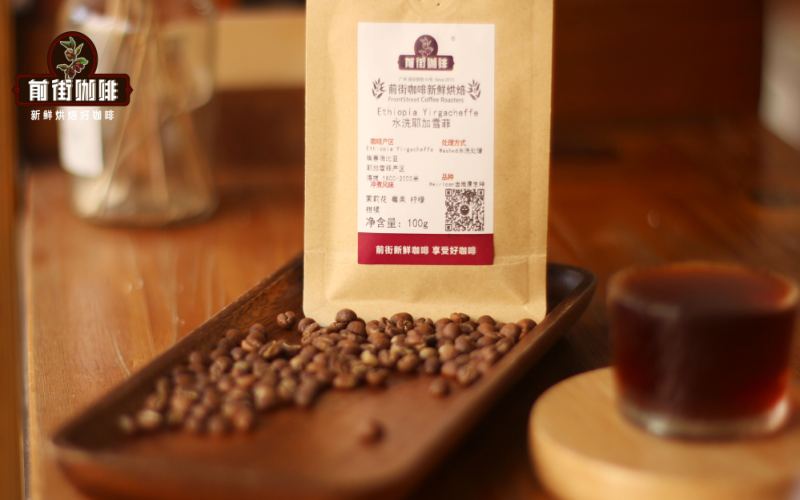
How Does Sidamo Differ from Yirgacheffe? A Comparative Analysis of Regional Origins, Processing Methods, and Front Street Coffee Flavor Profiles
In the introductory journey of specialty coffee, Ethiopia's Yirgacheffe and Sidamo are often two landmarks that cannot be avoided. These two neighboring producing regions—one known for its bright floral notes and citrus acidity, the other for its balanced sweetness and rum-and-chocolate flavors—often leave those new to coffee both curious and confused. This article, from the bean-selection perspective of Front Street Coffee, sorts out the historical origins, altitude differences, and processing-method evolution of Yirgacheffe and Sidamo, and combines the brewing and flavor performance of two beans—Front Street Gudingding and Front Street Huakui—to help readers clarify the boundaries of the two's personalities and find the cup that suits their own taste. [more…]
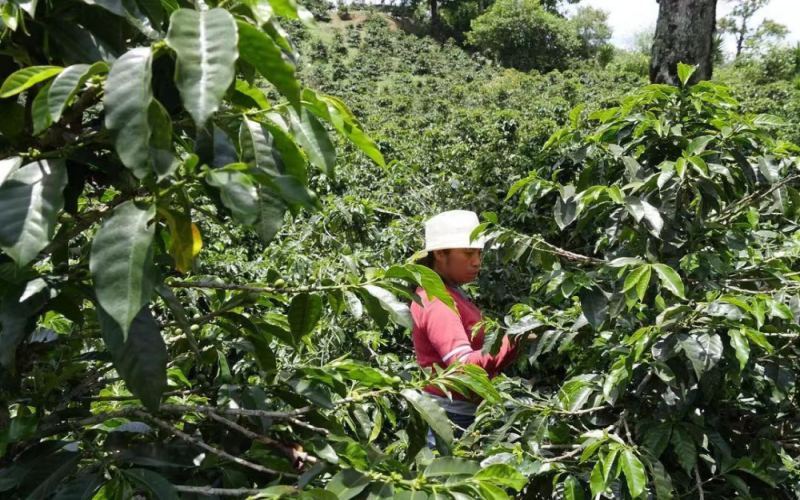
A Detailed Guide to Honduran Coffee Origins and Processing Methods, with Pour-Over Parameters for El Laurel Estate Washed Parainema
Honduras is the largest coffee producer in Central America and a globally important supplier of washed Arabica beans. From the perspective of Front Street Coffee, this article systematically reviews the origin history, washed processing procedures, varieties, and grading system of Honduran coffee, and focuses on sharing the roasting curves, cupping performance, and pour-over extraction parameters of two beans: Sweet Orange Estate and Laurel Estate. Among them, the flavor layers and grind size adjustment approach of the washed Parainema variety from Laurel Estate are the core highlights of this article, making it suitable for enthusiasts who want to gain a deeper understanding of the flavor sources and brewing details of Honduran coffee. [more…]
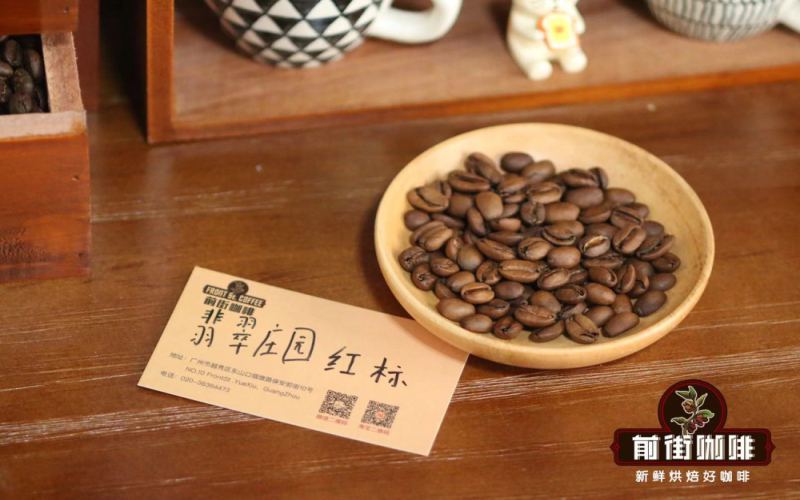
A Detailed Guide to Panama Hacienda La Esmeralda Geisha Grades: Flavor Differences and Brewing Tips for Red, Green, and Blue Labels
As the discoverer and promoter of Geisha flavor, Panama's Hacienda La Esmeralda has always been a focal point for coffee enthusiasts with its original Red Label, Green Label, and Blue Label grading system. How exactly are these three grades divided? How do their flavor profiles differ? From the perspective of Front Street Coffee, this article systematically reviews Hacienda La Esmeralda's producing region background, plot division logic, the specific definitions and cupping performance of the three major grades, and includes Front Street's roasting recommendations and brewing parameter comparisons. Whether you are a beginner just getting into Geisha or a seasoned player wanting to understand Hacienda La Esmeralda's quality control system in depth, you can gain a clear cognitive framework and find the Geisha that suits you. [more…]