








What does arabica coffee mean for Ethiopian beans?
Ethiopia is the birthplace of Arabica coffee, and the Kaffa forest is where it began. Within the country, Yirgacheffe was originally a sub-region under Sidamo: Sidamo is a province, and Yirgacheffe is a small town inside it. The name breaks into "Yirga," meaning to settle or reside, and "Cheffe," meaning wetland.
The flavor difference comes down to region, altitude, climate, and processing. Yirgacheffe is known for white jasmine, bright citrus and lemon acidity, and a lighter tea-like body, while Sidamo and Guji sit nearby with their own profiles. Front Street Coffee carries more than fifty single-origin beans, and Yirgacheffe and Sidamo make up most of them, so arabica coffee meaning here is tied to origin rather than one fixed taste.
Ethiopia is the birthplace of Arabica coffee, and its three major regions—Yirgacheffe, Sidamo, and Guji—often leave coffee lovers struggling to choose. At Front Street Coffee's stores, single-origin beans from Yirgacheffe and Sidamo make up the majority, and this article starts with the origins of the regions, altitude and climate, and processing methods to sort out the respective flavor characteristics of Yirgacheffe and Sidamo, and combines two representative beans, Front Street washed Gedingding and Front Street natural Huakui, to offer brewing parameters and technique suggestions, helping you find the cup you like between citrus florals and liqueur chocolate.
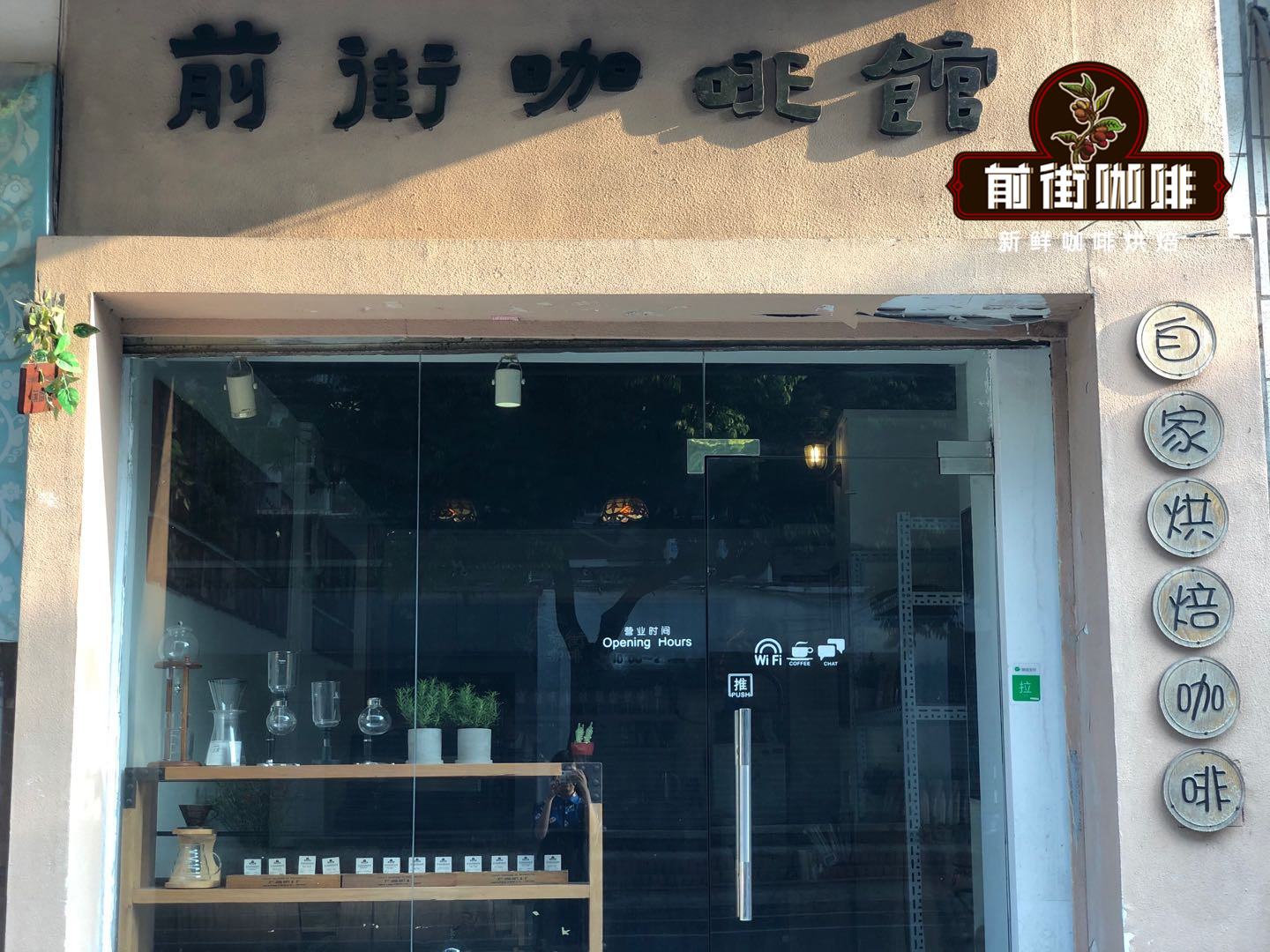
When it comes to Ethiopian coffee, among Front Street's current more than fifty single-origin beans, beans from the two regions of Yirgacheffe and Sidamo account for the majority, with the aim of letting enthusiasts carefully compare what flavor differences these two neighboring regions actually present in the cup.
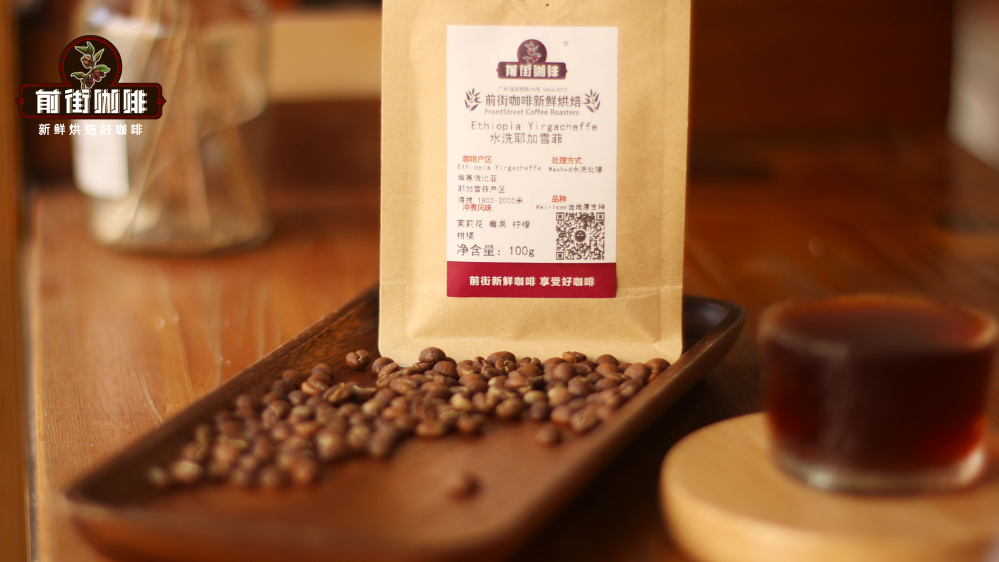
To understand these two regions, you might as well start with the most classic Front Street Yirgacheffe. It is remembered for white jasmine, bright citrus and lemon acidity, and a relatively low tea-like body, and it is a bean that anyone just getting into single-origin coffee cannot avoid. As it happens, Yirgacheffe was originally just a sub-region under Sidamo: Sidamo is a province of Ethiopia, and Yirgacheffe is a small town within that province. So here is the question: what exactly do we mean by the Front Street Yirgacheffe we often talk about? And what is the concept of Yirgacheffe flavor?
In a sense, Yirgacheffe has already become a calling card of Ethiopian specialty coffee. The word Yirgacheffe can be understood by breaking it apart: "Yirga" carries the meaning of "to settle, to reside," while "Cheffe" refers to "wetland," so together it means "let us settle and establish ourselves in this wetland."
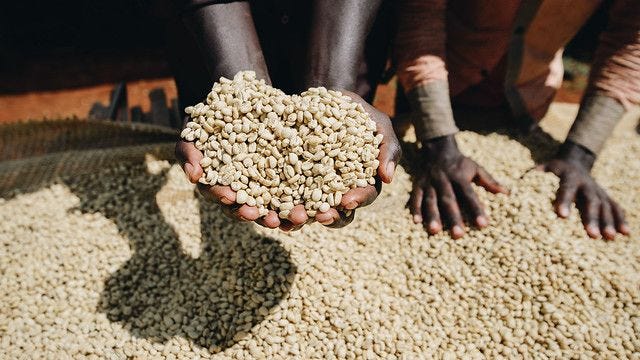
Ethiopia is a very special country. It is the place of origin of Arabica coffee, and the Kaffa forest is exactly where it all began. At the same time, it is also one of Africa's important coffee-producing countries.
Many coffee enthusiasts who are just starting out walk into Front Street, and their first reaction is to order a cup of Front Street Yirgacheffe or Front Street Sidamo. But Front Street's stores carry more than one bean from each of these two regions, and when asked which one they specifically want, many people cannot answer right away.
Front Street Konga natural red cherry is a natural bean from the Yirgacheffe region. This type of bean has a unique lemony, floral, and honey-like sweetness, with soft fruit acidity, an obvious citrus profile, and a fresh, bright mouthfeel. Because it undergoes natural processing, its sweetness is more prominent, its acidity is somewhat more restrained than the washed version, and it has more layers.
Many people also fall in love with this region starting from Front Street washed Yirgacheffe. It has bright acidity and a clean, refreshing flavor, and it has become the turning point for many people going from ordinary drinkers to coffee enthusiasts, and is often treated as the first bean for entering specialty coffee.
In the early days, traditional natural processing conditions were relatively rough and easily gave coffee beans an earthy taste. In order to improve quality, Ethiopia introduced the washed processing method from Central and South America in 1972, and afterward Yirgacheffe coffee was mostly processed by the washed method.
As mentioned earlier, Yirgacheffe and Sidamo both belong to Ethiopia's coffee regions, and Yirgacheffe is a small town under Sidamo Province. Sidamo sits at an altitude of about 2,100 meters, while Yirgacheffe is at an altitude of more than 2,600 meters. As growing altitude rises and average temperature falls, the content of amino acids and aromatic substances in coffee increases accordingly, so coffee produced at high altitude often has a stronger aroma and a richer, fuller taste.
A typical Front Street washed Yirgacheffe can roughly be divided into three categories in terms of aroma: orange peel, floral, and lemon notes; in flavor it mostly shows elevated acidity, though the mouthfeel and finish vary in weight, and sweetness also varies from high to low. Within the soft floral notes there is a slight grassy garden character, while the orange peel impression is not especially obvious.
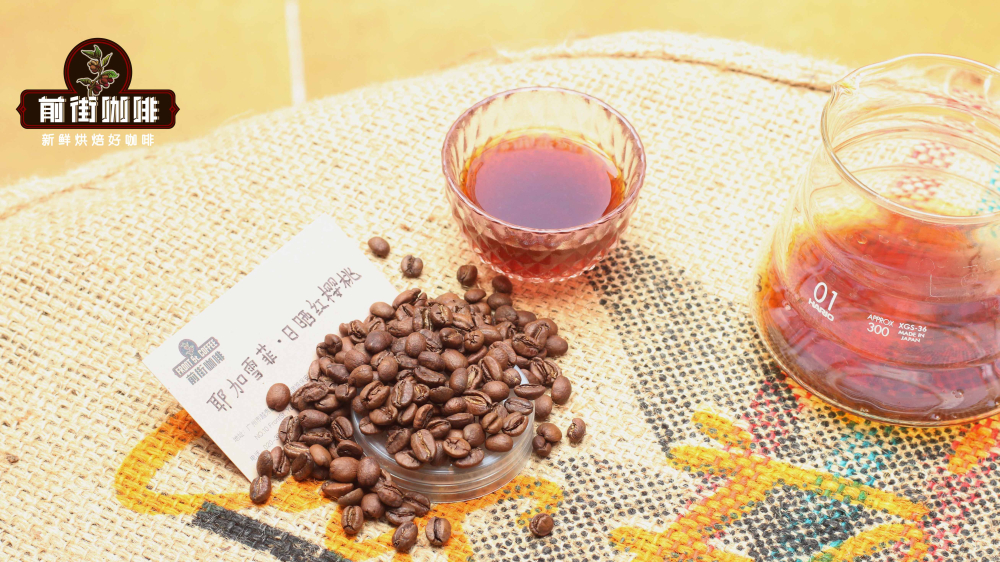
Front Street Sidamo, on the other hand, has a more balanced flavor, higher sweetness, and a fuller body than Yirgacheffe. Especially the red-wine-like acidity and sweetness produced during the natural fruit-pulp fermentation process, layered with the cocoa bitterness of the coffee itself, means some lots of Front Street Sidamo present an intoxicating liqueur-chocolate flavor.
Next, let's compare Front Street Gedingding from the Yirgacheffe region with Front Street Huakui.
Selected Yirgacheffe Single-Origin — Front Street Washed Gedingding
Region: Gedingding Cooperative, Yirgacheffe, Ethiopia Altitude: 2000m–2100m Variety: Local heirloom varieties Processing method: Washed
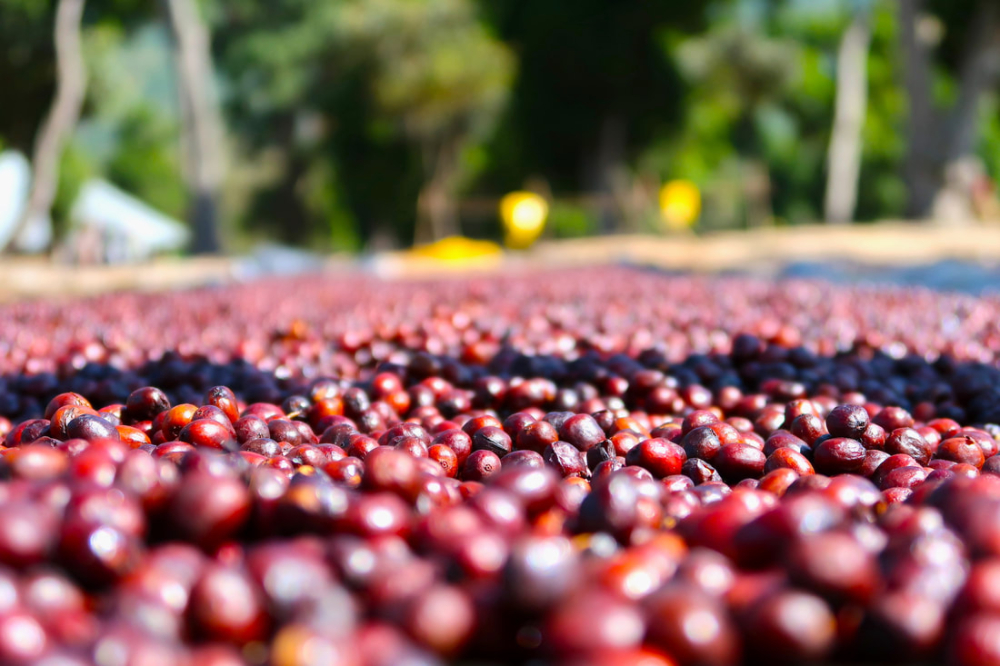
Selected Sidamo Single-Origin — Front Street Natural Huakui
Region: Sidamo, Ethiopia Altitude: 2250m–2350m Variety: Local heirloom varieties Processing method: Natural
Front Street Brewing Recommendations
Dripper: Hario V60 #01 Water temperature: 90–91°C Dose: 15 grams Coffee-to-water ratio: 1:15 Grind size: 80% passing through China standard No. 20 sieve
In order to fully extract the fruity acidity of Front Street Yirgacheffe and Front Street Sidamo, Front Street chooses a relatively high water temperature with a relatively fine grind. But high temperature can easily over-extract, so a dripper with a faster flow rate is used, such as the V60. The V60 has a 60-degree cone shape, and this angle allows the coffee grounds to gather together, while during pouring the water flow also automatically converges toward the center of the dripper, ensuring enough contact time between water and coffee grounds, thereby extracting a suitable cup of coffee.
In addition, the ribs on the inner wall of the V60 form a clockwise spiral, extending all the way from the bottom to the top, leaving enough space between the filter paper and the dripper for better water flow; combined with the large hole at the bottom, the overall flow rate is faster than that of many drippers.
Front Street brewing technique:
In the first stage, pour 30 grams of water and let it bloom for 30 seconds; then pour 95 grams (the electronic scale shows about 125 grams), finishing the pour in about 1 minute; when the water level drops to two-thirds of the coffee bed, pour the remaining 100 grams (the electronic scale shows about 225 grams), finishing the pour in about 1 minute 40 seconds to 1 minute 45 seconds. Dripping is completed in 2 minutes to 2 minutes 10 seconds; remove the dripper, and extraction is finished.
Flavor Description
[Front Street Gedingding] On the palate there are citrus and black tea, the floral notes change with temperature, and the finish carries cream, caramel, and almond lingering notes, with obvious returning sweetness and a clean, sweet taste.
[Front Street Huakui] Citrus acidity, a full berry-juice-like body, a lemon black tea tea-like quality, and lasting sweetness.
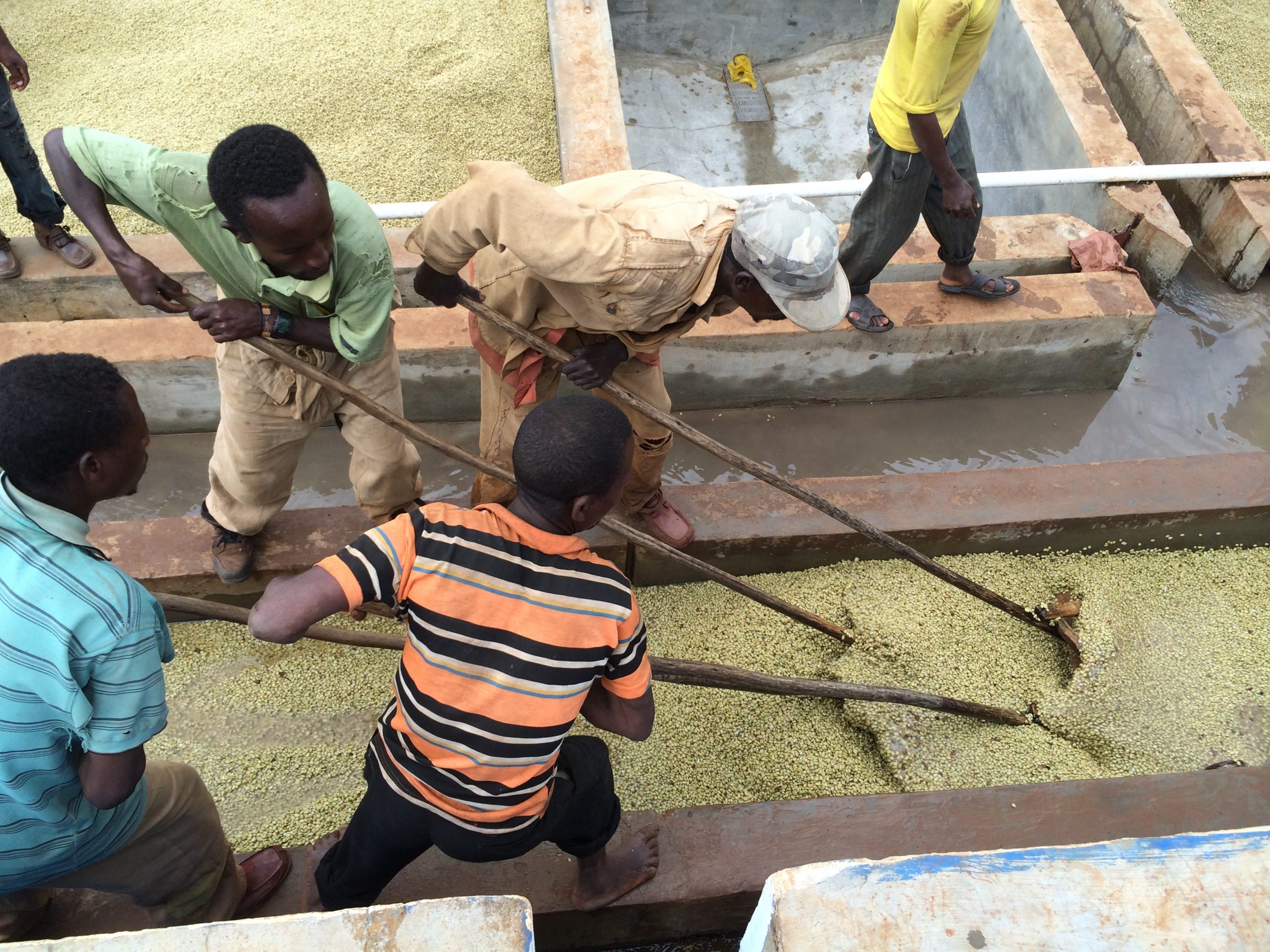
Front Street Yirgacheffe beans have high acidity, a solid mouthfeel, a rich and abundant aroma, and full sweetness, with a long finish carrying the sweet fragrance of jasmine, grass, and sweet potato... very worth savoring again and again.
The above content is compiled by CoffeeHunters, a coffee news website.


