







Search Results for: Olympic marketing
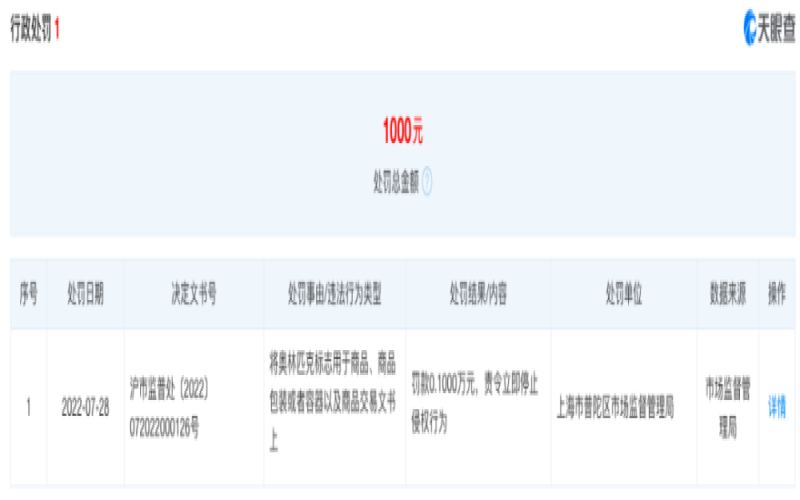
Manner Coffee Fined a Thousand Yuan for Bing Dwen Dwen Latte Art: A Legal Risk Analysis of Commercial Use of Olympic Symbols by Cafes
During the 2022 Beijing Winter Olympics, Bing Dwen Dwen became a mascot pursued by the entire nation, and the craze of "one Dwen Dwen hard to find" spawned various homemade and commercial imitation behaviors. A Manner coffee shop in Shanghai was fined a thousand yuan by market regulators for making latte art coffee resembling Bing Dwen Dwen, sparking industry attention to the boundaries of commercial use of Olympic symbols. This article reviews the penalty details of the incident, the legal basis, and typical cases from the same period, helping coffee practitioners clarify the line between creative latte art and infringement, and avoid inadvertently crossing intellectual property red lines. [more…]
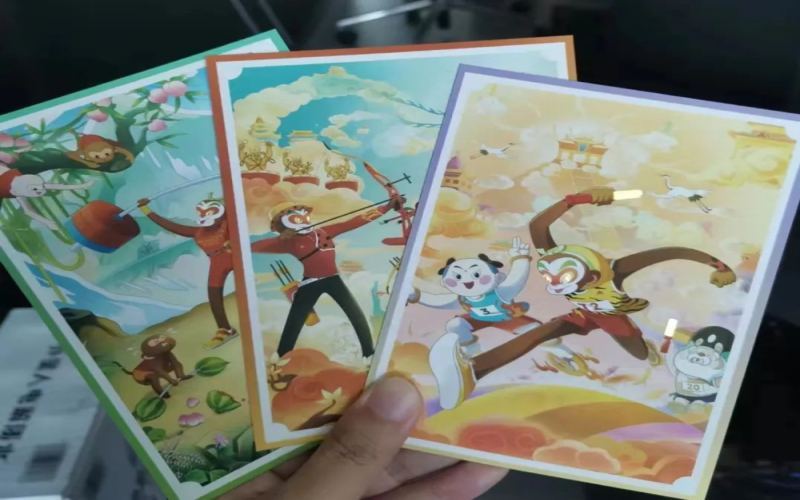
Luckin Coffee's co-branded merchandise with Havoc in Heaven sees a cold reception, postcards' value for money called into question, staff say only single digits given out per day
Luckin Coffee recently collaborated with the "Havoc in Heaven" IP to launch Olympic-themed limited-edition merchandise, but the co-branding campaign that was initially highly anticipated unexpectedly fell flat. Although many consumers frequently placed orders to collect the merchandise in the early days of the campaign, the subsequently released gold-stamped postcards failed to sustain the momentum. Staff at many locations reported that very few postcards were given out, in stark contrast to the previous week's frenzy when cup sleeves and stickers sold out. Consumers generally felt that the merchandise offered poor value for money, with nearly ten yuan of a two-cup combo going toward six pieces of paper, lacking practicality and appeal. This article will analyze in detail the reasons behind the co-branding campaign's cold reception, compare it with the earlier successful collaboration with "The Tale of Rose," and explore the timing, conditions, and human factors required for successful co-branding marketing. [more…]

A Chengdu coffee shop launches Zheng Qinwen-themed latte art, drawing attention with over a hundred cups served in a single day.
The 2024 China Open kicked off in Beijing, with Paris Olympic women's singles champion Zheng Qinwen competing as the tournament's No. 5 seed, igniting a nationwide tennis craze. Meanwhile, a cafe owner in Chengdu went viral online for creating a "Queen Ka" Zheng Qinwen latte art coffee, making over a hundred cups a day at peak times and drawing numerous tennis fans and coffee lovers to visit. This creative latte art not only became a hot topic on social media but also showed people the sparks flying when coffee meets sports passion. [more…]

During Jay Chou's Nanjing concert, the "Love Before the Common Era" themed coffee shop opened simultaneously at Xinjiekou Golden Eagle.
Jay Chou's 2024 Carnival concert tour Nanjing stop will be held from September 26 to 29 at Nanjing Olympic Sports Center Stadium, with four consecutive days of performances expected to attract 120,000 spectators. At the same time, a Jay Chou-themed coffee shop called "Love in Coffee" has officially opened at Nanjing Xinjiekou Golden Eagle, making its debut alongside the concert. This coffee shop focuses on estate-grade coffee beans and Michelin three-star desserts, with an interior design infused with the poetic fantasy of "Love in Coffee," where greenery and stone intertwine, and mirrored light and shadow create a dreamy atmosphere. Many product names are taken from Jay Chou's classic songs, allowing fans to taste "lyric" drinks while listening to their idol's music. The first Beijing Sanlitun store had previously attracted a large number of fans to check in, and the operator, Star Plus, has close ties with Jay Chou. This article takes you through the features, prices, and fan experience of this celebrity coffee shop. [more…]

Starbucks teams up with YONEX to invite Lin Dan for an appearance—why are reviews so polarized on the new sports season drinks and co-branded merchandise?
Amid the Paris Olympics hype, Starbucks has teamed up with renowned badminton brand YONEX for a collaboration, launching limited-edition rackets, playful cup sleeves, and a range of sports-themed merchandise. They also invited badminton legend Lin Dan to appear at the Beijing Sanlitun store for the promotion, where he interacted with fans by swinging rackets and signing autographs. Meanwhile, the brand introduced an alcohol-free cold brew inspired by French sparkling wine and two sports-limited-edition cakes. However, reviews of the new products have been notably polarized: the cold brew was praised by some consumers as refreshing and sweet, while others criticized it for having an odd flavor; the cupcakes received more negative reviews for their dry and hard texture. Despite the massive hype of the collaboration, the controversy over the quality control of the drinks and pastries has led some netizens to question whether the brand is 'putting the cart before the horse'. [more…]

The Rabbit Zodiac IP Becomes a New Battleground for Coffee Marketing: A Review of New Year Limited-Edition Strategies from Luckin, Starbucks, Nestlé, and Other Brands
As the Lunar Year of the Rabbit approaches, the New Year marketing battle in the coffee beverage industry has quietly begun. Major brands are launching creative campaigns around the zodiac "rabbit," from puns and auspicious sayings to limited-edition new products, from co-branded designs to merchandise, all trying to capture consumer mindshare in the fierce market competition. Luckin has teamed up with artist Han Meilin to launch the "Double Rabbit" series, Starbucks offers three limited-edition drinks paired with cute rabbit merchandise, and Nestle Nespresso has collaborated with designer Angel Chen to create an eco-themed gift box. This article reviews the Chinese New Year marketing moves of major coffee brands, analyzes how zodiac IPs help brands build emotional connections with consumers, and explores that, amid the trend, product quality and creative output are the key to standing out. [more…]
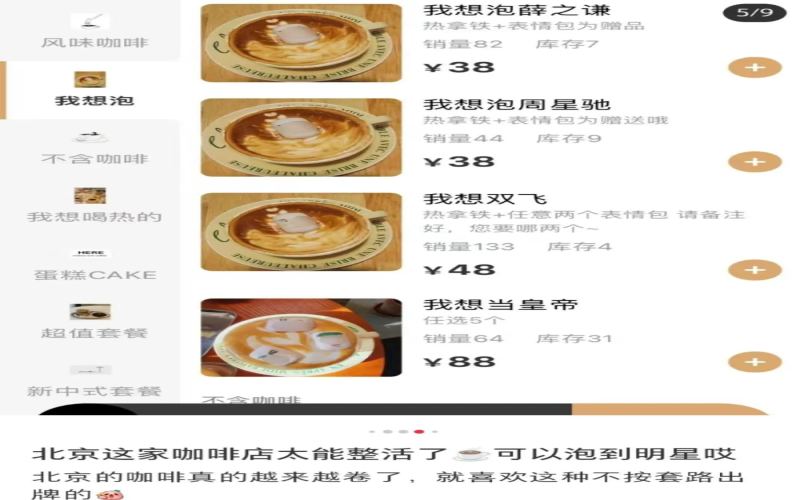
38-yuan latte paired with celebrity-face marshmallows: coffee shop's creative marketing goes viral, portrait rights risk sparks heated debate
Recently, a "I Want to Soak" latte series launched by a coffee shop in Beijing has drawn attention on social media. The series features marshmallows printed with the faces of male celebrities, priced at 38 yuan each, with the option to add more marshmallows for an extra charge, and even offers a 48-yuan two-person option and an 88-yuan five-person option. This novel format has attracted many fans to visit and post about it, but it has also sparked controversy: some consumers find the face-printed marshmallows unappetizing, and more people question whether the shop's use of celebrity likenesses as a promotional selling point without authorization may constitute infringement. Innovation in the coffee industry is worth encouraging, but it must be done within the legal framework. [more…]
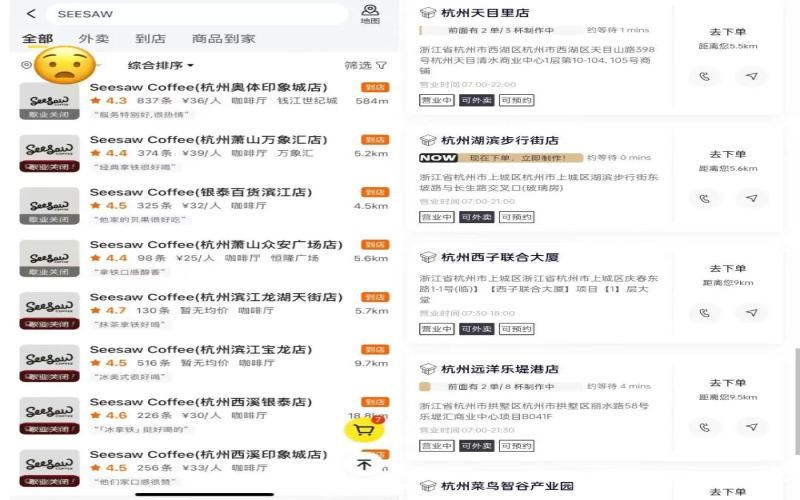
Within six months, the number of stores has shrunk by fifty, as the specialty coffee brand Seesaw once again shuts down on a large scale.
Seesaw Coffee, once regarded as one of the representatives of domestic specialty coffee, has seen a sharp shrinkage in its number of stores within just half a year. From the end of last year to June this year, a total of 50 stores across the country quietly disappeared, with store closures reported one after another in places such as Hangzhou and Suzhou, drawing attention from consumers and the industry. At the same time, Seesaw has not stopped expanding, but instead has turned its sights to smaller cities with relatively less intense competition, such as Guiyang and Luoyang, attempting to find a new way out through a franchise model. Against the backdrop of an increasingly fierce price war in the coffee market, the adjustments and struggles of this specialty coffee brand reflect the survival pressure facing the entire industry. [more…]

Red Sea Crisis Escalates into 2025: Houthi Attacks on Merchant Ships Strain Coffee Trade and Global Logistics
The Houthi armed forces in Yemen continue to launch attacks in the Red Sea and Indian Ocean, and claim to have struck targets in Israel, causing the situation in the Red Sea to escalate continuously. Multiple international shipping giants have judged that the region will still be unsafe in 2025 and decided to continue diverting around the Cape of Good Hope. Longer voyages and port congestion are driving up global logistics costs. As an industry highly dependent on maritime shipping, the coffee trade is bearing the brunt. Freight rates on Europe-Asia routes have soared, and combined with production cuts in many countries, international coffee prices have continued to surge. This article will review the attack incidents, the shipping impact, and coffee market developments, and also pay attention to the challenges facing brands such as Front Street Coffee. [more…]
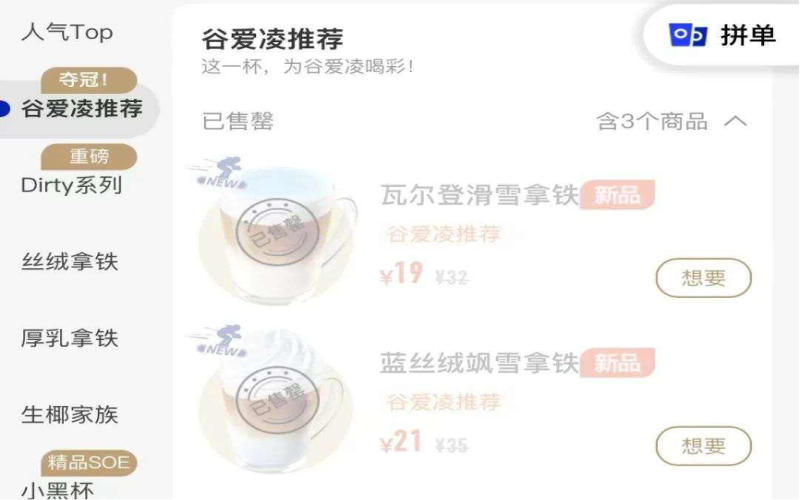
After Eileen Gu Endorsed Luckin Coffee: Brand Comeback and Traffic Frenzy Under the Shadow of a 1.2 Billion Fine
Luckin Coffee once landed on the US stock market with lightning speed, but was brought to the brink of collapse after a Muddy Waters short-sell report exposed its financial fraud. However, through management reshuffling, a settlement with the SEC, and then signing Eileen Gu and leveraging the Winter Olympics traffic, Luckin staged a textbook turnaround. On the day Eileen Gu won the championship, Luckin's custom drinks quickly sold out, and the brand's voice skyrocketed. Although the championship discount was mocked by netizens as "stingy," the traffic dividend and positive image had already brought Luckin out of the gloom. This article will review Luckin's turbulent journey, analyze how it leveraged a sports star to rebuild its brand, and explore its real situation after the 1.2 billion fine. [more…]

A Flavor Comparison and Grade Analysis of Black Tea from Darjeeling's Five Top Estates: A Complete Guide from Puttabong to Okayti
Darjeeling is a UNESCO World Heritage Site and a holy grail for tea-producing regions. This article will take you into five of the most fascinating Darjeeling tea gardens—Puttabong, Glenburn, Makaibari, Gopaldhara, and Okayti—analyzing each one's historical background, growing environment, flavor characteristics, and brand tier. Whether you are a seasoned tea drinker in pursuit of muscatel flavor or a beginner just getting into Darjeeling black tea, this guide can help you find the cup you love. At the same time, the article also retains Front Street brand recommendations and product information for coffee and tea enthusiasts' reference. [more…]

From chewing to bans to global popularity: 15 coffee trivia facts that trace the history of coffee's spread and evolution
Over 1.3 billion people worldwide start their morning with a cup of coffee every day, but the history of coffee's spread is far less straightforward than one might imagine. Originally, people did not treat it as a beverage; instead, they mixed coffee cherries with animal fat to make energy balls to chew on. In the Middle Ages, it was used as a medicinal herb, and later on the Arabian Peninsula, it evolved into a stimulating drink called Gahwa. Upon entering Europe, coffee was once boycotted or even banned for religious and political reasons—Sweden once prohibited the sale of coffee along with cups and saucers, and the Ottoman Empire imposed capital punishment on those who drank it publicly. Meanwhile, anecdotes such as the predecessor of instant coffee and Brazil sending athletes to competitions with coffee beans abound. This article, through 15 fun facts, traces coffee's long journey from being misunderstood to being sought after, while retaining relevant recommendations from Front Street Coffee for coffee enthusiasts to refer to and exchange ideas. [more…]
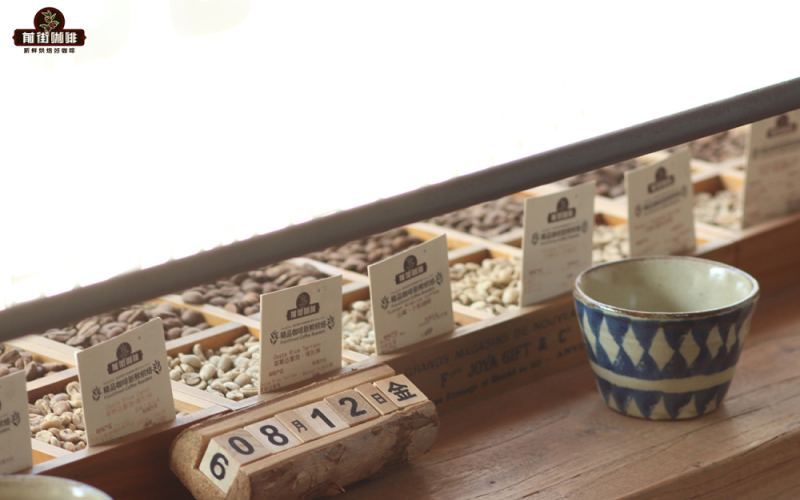
What grind size is standard for cupping? An analysis of how to determine the grind size and water temperature for pour-over black coffee
When you get an unfamiliar single-origin coffee bean, how do you accurately judge its flavor performance? Cupping is the industry-standard method. Front Street Coffee conducts cupping on every coffee bean it acquires, whether or not it goes on the shelves. This article uses the SCA cupping system as its benchmark and provides a detailed introduction to the equipment and parameters required for cupping, including sample bean processing, grind size calibration, coffee-to-water ratio, water quality and temperature requirements, as well as the operating procedures for dry aroma, wet aroma, breaking the crust, and skimming. After cupping is completed, the pour-over grind size and brewing water temperature must also be determined according to the roast level. Light-roast and medium-roast coffee beans each have different standards for sieve pass-through rate and water temperature selection. [more…]
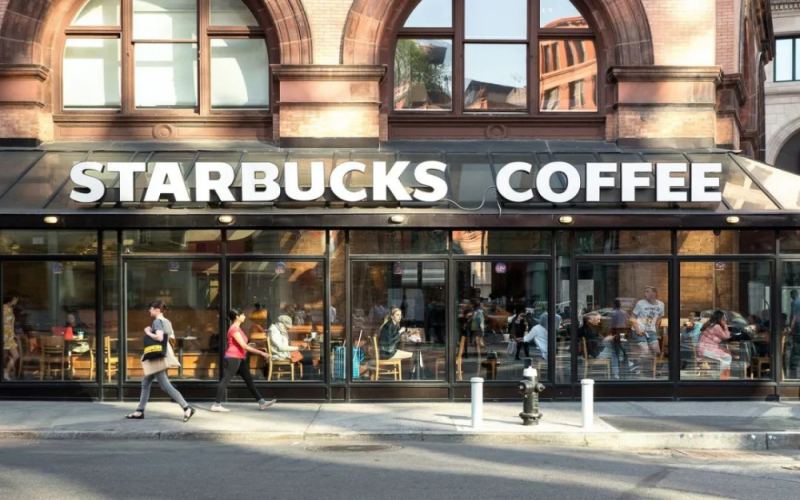
Starbucks in the Vegetable Market: Can Traditional Markets Become a New Scene for Coffee Consumption?
In recent years, Starbucks has continued to adjust its store layout strategy, gradually extending from core commercial districts to surrounding communities, and even setting its sights on traditional wet markets. A newly opened wet market in Minhang District, Shanghai, has brought in a Starbucks, and a Starbucks store has also appeared in a long-established comprehensive wholesale market in Seoul, South Korea. The heavy foot traffic, relatively low rents, and considerable repeat-purchase potential of wet markets have prompted coffee brands to re-examine the commercial value of traditional bazaars. This article focuses on the phenomenon of Starbucks choosing wet market locations, analyzing the logic behind this strategy, the feasibility of selling coffee in wet markets, and the significance of affordable pricing for the expansion of the coffee market. [more…]

How did the coffee market move from a slump to prosperity? An in-depth analysis of the 2020 industry transformation and future prospects
In 2020, the pandemic and financial scandals plunged the coffee industry into a wave of store closures, with brands like Starbucks, Luckin Coffee, and Coffee Box scaling back their offline operations. Yet amid the doubts, the coffee market quietly grew stronger, as an expanding consumer base, an influx of new brands, and innovative sales channels together pushed the industry into the spotlight. This article reviews the ups and downs of the past year, analyzes how the coffee market gradually won attention, and explores its future prospects. [more…]
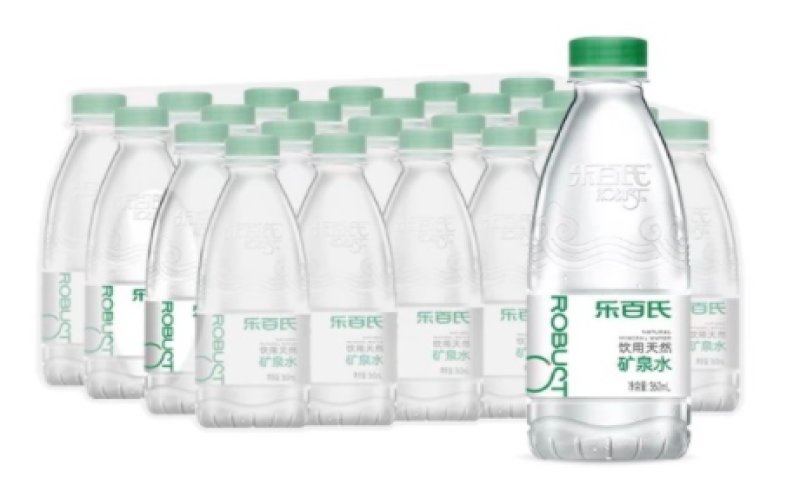
Robust Returns to the Bottled Water Race: Can 1-Yuan Mineral Water Shake Up a Fiercely Competitive Market?
Robust, once part of a "three-way split" in the drinking water market alongside Wahaha and Nongfu Spring, has recently re-entered the bottled water race with 1-yuan mineral water, drawing market attention. This veteran company, founded in 1989, has seen its presence dwindle after going through twists and turns such as being acquired by Danone and having its brand change hands. Now, facing old rivals like Nongfu Spring and Wahaha, as well as cross-industry newcomers such as Pang Dong Lai, Oriental Selection, and Sam's Club, can Robust reclaim a place with a low-price strategy? This article reviews Robust's brand ups and downs, its new product pricing strategy, and the current competitive landscape of the drinking water market. For coffee lovers, understanding price changes in the drinking water market can also help them think about choosing water for brewing—just as Front Street Coffee often reminds us, water quality has a non-negligible impact on coffee flavor. [more…]
Can Tims China Catch Up? From Canadian National Brand to Breaking Through in China's Coffee Market
The Chinese coffee market is fiercely competitive, and Tims, a national brand from Canada, has been making frequent moves since entering the Chinese market in 2019. From its initial goal of 1,500 stores in ten years, to securing successive rounds of financing and forming strategic partnerships with Metro and Sinopec EasyJoy, Tims China is accelerating its expansion with a "coffee + bakery" combination and a pricing strategy of 15 to 30 yuan. At the same time, its process of listing in the United States has also attracted much attention. Will Tims ultimately move toward Luckin's internet-driven path, or Starbucks' third-space model? This article sorts out Tims China's development trajectory and strategic layout, taking you to explore the path of this young brand breaking through in China's coffee market. [more…]
The oat milk coffee craze fades: cafes turn away, Oatly's cumulative losses exceed 4.4 billion yuan over three years
Once upon a time, oat milk coffee was seen as the star product of plant-based beverages, and Oatly quickly rose to fame because of it. However, as the market environment changes and consumer enthusiasm wanes, the status of oat milk in coffee shops is quietly declining. This article sorts out the reasons behind Oatly's cumulative losses of more than US$641 million (about RMB 4.41 billion) from 2019 to 2022: over-reliance on the B2B market, the impact of the pandemic, weak expansion into the consumer market, and a series of controversial marketing moves. At the same time, the article also explores the health controversy surrounding plant milk and future strategies for the Asian market. To follow developments in the coffee industry, you are welcome to add Front Street Coffee's private WeChat (WeChat ID: qjcoffeex) for more specialty coffee bean information. [more…]
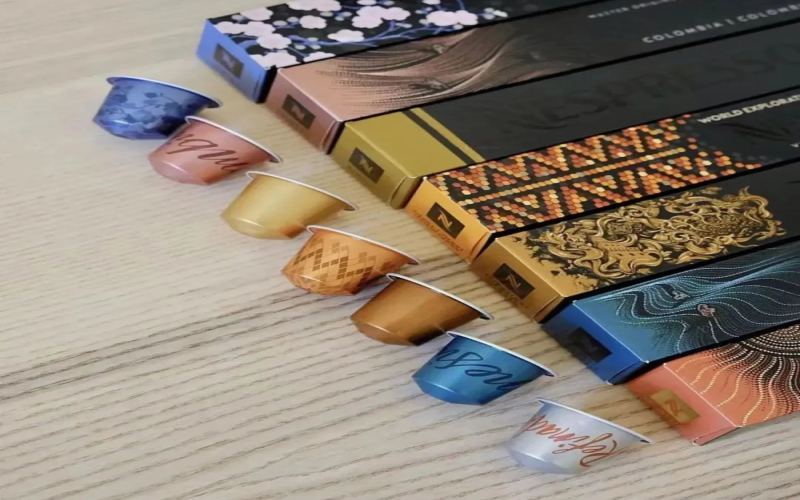
The capsule coffee market continues to expand: combining convenience and quality, giants like Nestlé and Starbucks are racing to stake their claim.
In today's world, where specialty coffee is increasingly popular, capsule coffee still occupies an important market with its convenience and consistent quality. Affected by the pandemic, sales of capsule coffee machines and capsule products have grown significantly, and the global market size is expected to exceed 9.8 billion USD by 2032. From Nestlé Nespresso to Starbucks, illy, Sumida River, and JDE Peet's, major brands have all stepped up their efforts in this field. Capsule coffee is not only cost-effective, averaging only 4 to 6 yuan per cup, but its technology also keeps improving, allowing you to enjoy it in just 30 seconds. However, environmental issues have also followed, and Nestlé has already launched paper-shell capsules in response. This article will guide you through the development history, current market situation, and future challenges of capsule coffee. [more…]
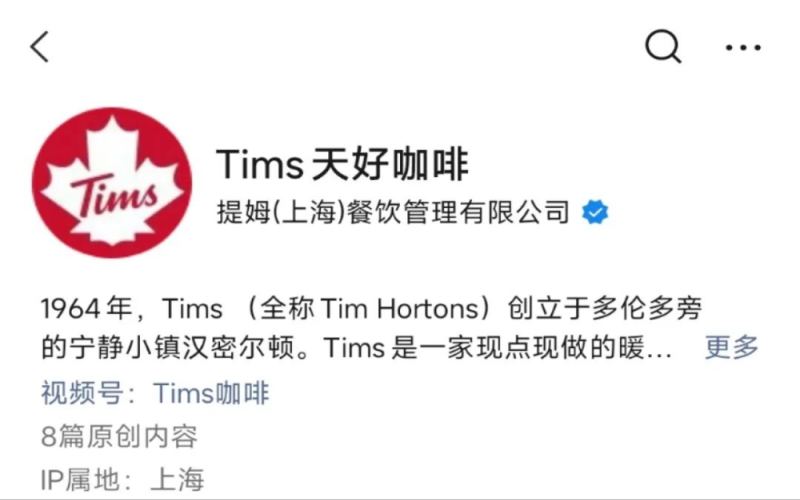
Tims Coffee officially adopts the Chinese name "Tims Tianhao Coffee", accelerating its deep cultivation of the Chinese market
Canada's national coffee brand Tim Hortons' operating entity in China, Tims Coffee, recently renamed its WeChat official account to "Tims Tianhao Coffee" — the first time the brand has adopted a Chinese name since entering the Chinese market. According to a report by CNR, Tims stated that introducing a Chinese name is aimed at better advancing its localization strategy, deepening its expansion in the Chinese market, and preparing for subsequent entry into lower-tier markets, with an official announcement expected by the end of this month or early next month. From the opening of its first store in Shanghai in 2019, to its Nasdaq listing in 2022, and now to the adoption of a Chinese name, Tims China has been accelerating its expansion every step of the way, with its store target adjusted from an initial 1,500 in ten years to 2,750 by 2026. This article will review Tims China's brand development history, financing and listing milestones, product and pricing positioning, latest financial report data, and store expansion plans, analyzing its determination and strategy for deeply cultivating the Chinese coffee market. [more…]