







Do coffee growing nations share anything with Darjeeling tea estates?
Darjeeling tea comes from five estates worth knowing: Puttabong, Glenburn, Makaibari, Gopaldhara, and Okayti. Each sits in the Himalayan foothills of West Bengal and produces muscatel-leaning black tea from Chinary bushes and clonal plants bred for the local climate. Puttabong, one of the largest gardens, spans roughly 1,500 to 6,500 feet and was the first estate in the area to trade commercially.
The estates differ in method and terrain. Puttabong runs a vermicomposting plant, a cattle farm, and a herb-based liquid fertilizer center. Darjeeling itself holds UNESCO World Heritage status, and its gardens draw visitors for colonial-era bungalows and local wildlife. As with coffee growing nations that trade on a single named origin, Darjeeling's name carries weight in the cup.
Darjeeling is a UNESCO World Heritage Site and a holy grail for tea-producing regions. This article will take you through the five most enchanting Darjeeling tea gardens—Puttabong, Glenburn, Makaibari, Gopaldhara, and Okayti—analyzing each one's historical background, growing environment, flavor characteristics, and brand tier. Whether you're a seasoned tea drinker in pursuit of muscatel flavor or a newcomer to Darjeeling black tea, this guide can help you find the cup you'll love. At the same time, the article also retains Front Street brand recommendations and product information for coffee and tea enthusiasts to refer to.
Among all the desirable places in India, Darjeeling can be called the country's most exquisite. It is inscribed on the UNESCO World Heritage List and is also a holy grail for tea-producing regions. The enchanting aroma and irresistible taste of a cup of Darjeeling tea are enough to make anyone fall under its spell. In addition, the green pastures dotted with colonial-era bungalows, along with countless local flora and fauna, make Darjeeling's tea gardens one of travelers' favorite destinations.
As an important part of the local tourism industry, Darjeeling's tea gardens are flourishing. These estates are not only renowned for producing the world's finest teas, but also celebrated for the unforgettable and marvelous experiences they offer.
Visiting every tea garden one by one is not realistic, so we have compiled the following five most enchanting and beautiful Darjeeling tea gardens, which are worth visiting at least once in a lifetime.
1. Puttabong Tea Garden
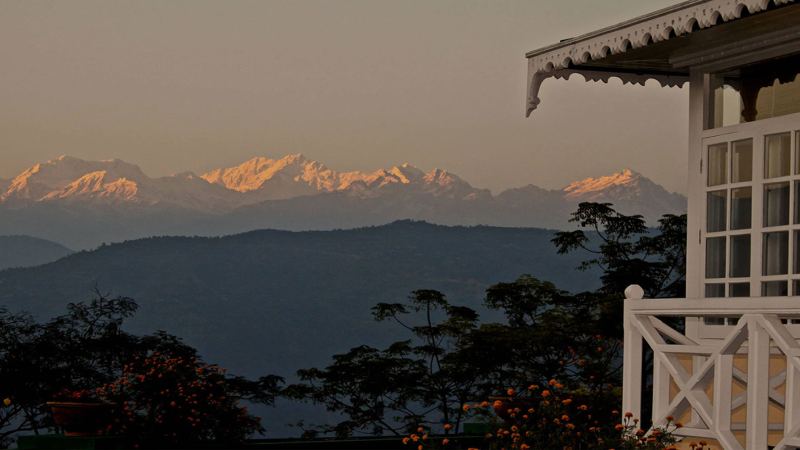
Puttabong Tea Garden is one of the largest tea gardens in Darjeeling, and this magnificent garden overlooks views of the Kanchenjunga snow peaks. It is distributed between 1,500 and 6,500 feet above sea level and is also considered the first tea garden in Darjeeling's complex tea history. At the same time, it was also the first tea estate to use mechanical trimmers and engage in commercial trade. The garden cultivates Darjeeling clones, Chinary bushes, and clonal tea plants, all specially bred to adapt to the local agroclimatic conditions. What sets this estate apart from other tea gardens is its sustainable production methods. It has a large vermicomposting plant, a cattle farm, and a center that makes liquid fertilizer from local herbs. Puttabong is famous for its light muscatel hand-blended tea and silver tips, making it a true paradise for any tea lover.
2. Glenburn Tea Garden
Glenburn Tea Garden is a heavenly small plantation nestled on a hillock on the banks of the Ranjit River, founded by Scots in 1859. Later, management was handed over to a pioneering tea family—the Prakash family. For visitors, this tea garden is no less than visiting a European vineyard. The owners insist on providing visitors with a full sensory experience, allowing them not only to drink tea in the embrace of nature but also to stay in their luxury villas. It also offers rich historical tours, delicious food, and quiet walks. In addition, visitors can witness the entire tea processing process with their own eyes and better understand how tea becomes the most perfect cup. Glenburn Estate is known for producing some of the finest black and green Darjeeling teas, which have natural floral aromas and malty aftertastes.
3. Makaibari Tea Garden
Makaibari Tea Garden has the best tea in the world and is a representative of Darjeeling's quintessential organic tea gardens. Since it was founded by the Banerjee family in 1859, this tea garden has been managed by the Banerjee family for more than four generations, and it is also famous for having the world's first tea factory. In addition to organically grown tea, Makaibari Tea Garden is also known for its value in creating a sustainable environment. The operating family has devoted its life to protecting and improving the soil and improving the lives of the people who work there. This is the only organic tea garden where tea plants coexist harmoniously with the pristine subtropical rainforest. This is thanks to the estate's biodynamic/permaculture practices. If you are an organic tea lover and a believer in sustainable practices, then visit this Darjeeling tea garden and taste their famous organic pearl white tea.
4. Gopaldhara Tea Garden
Gopaldhara Tea Garden, established in 1955, represents the pinnacle of the best Darjeeling tea. This Darjeeling tea garden not only produces premium tea but is also responsible for selling and distributing premium tea. The tea garden covers 320 hectares, of which 172 hectares have been planted with premium tea plants. Gopaldhara Tea Garden is also known for producing high-quality handmade teas, such as pearl tea, stupa, Olympic flame, silver needles, and more. The estate is located in the heart of the Mirik Valley and is one of the highest tea gardens, at an altitude between 5,500 and 7,000 feet. This Darjeeling tea garden is a must-visit for those who enjoy innovation in tea production. Their most popular are the first and second flush teas, and the best first flush tea is Darjeeling's Maharani.
5. Okayti Tea Garden
Okayti Tea Garden was established in the 1870s and is also one of the oldest tea production factories in the region. It is also known as the Rangdoo Tea Estate and is located in the Mirik Valley. To the northeast, this estate is flanked by Gopaldhara Tea Garden, and to the east is Seeyok Estate. It covers about 648 hectares, with a planted area of about 209 hectares, making it one of the largest tea gardens in the Mirik Valley. Okayti Estate is a popular place where forests thrive together with local flora and fauna, situated near the Indian border along Mechi's winding river, with tea plants growing at an altitude of 4,000 to 6,800 feet. Okayti tea is known for its perfectly balanced astringency and full body, with notes of dried fruit and nuts. This Darjeeling tea garden is famous for orthodox black tea (first and second flush), specialty green tea, and white tea. savoring a cup of authentic Darjeeling tea in a Darjeeling tea garden while enjoying the snow views of the Kanchenjunga range is itself another kind of charm. Seventy percent of India's tea production is enjoyed by our consumers. Therefore, visiting Darjeeling's vast green valleys is a must for every tea lover. This beautiful hill station not only has Darjeeling tea but also rich local culture, massive monuments, historical attractions, and lovely small markets. Your mountain trip will be a satisfying journey of enjoyment. So, book your tickets, bring your essentials, and head to these aromatic mountains for a visit.
Front Street brand recommendation: If you also want to explore the world of coffee while enjoying Darjeeling black tea, Front Street Coffee offers a variety of selected beans, suitable for pour-over and espresso, and you are welcome to learn more.
The above content is compiled by CoffeeHunters, a coffee news website.


