







Search Results for: Nordic Coffee Culture

Where Exactly Do Nordic Roasting and Italian Roasting Differ? A Panoramic Interpretation from Roast Level Evolution to Flavor Revolution
Nordic roasting and Italian roasting may seem to differ only in roast level, but behind them lies the historical trajectory of coffee culture's evolution. Italian and French dark roasts long dominated the coffee world, while the Nordic region, having encountered coffee relatively late, was not bound by a bitter-flavor aesthetic, and instead gave rise to a rebellious light-roast style. From the initial "high-heat blast roasting" to the gentler methods refined by Norwegian roasters, Nordic roasting gradually developed into its own school, and ultimately drove the entire industry to shift from the reign of dark roasts to an era dominated by acidity and light roasts. This article provides a complete overview of this evolutionary process, helping you understand the core differences between the Nordic approach and the Italian style. [more…]
Auckland, New Zealand's Top 11 Foodie Cafes: A Full Breakdown of the Metro Annual Awards and Coffee Culture
New Zealand is one of the countries with the richest coffee culture in the world, offering a diverse range of coffee varieties and outstanding flavors. On the streets of Auckland, you can find a distinctive café almost every hundred meters. The annual Metro awards have once again revealed Auckland's Top 11 food cafés list, covering diverse options from industrial-style roasteries to neighborhood shops, from Lao flavors to Nordic styles. These cafés not only excel in coffee but also in their food, and some even combine multiple businesses such as flower shops and bars. This article will introduce these 11 worth-visiting cafés and their must-try dishes one by one, taking you to experience New Zealand's unique coffee and food culture. If you also want to recreate a good cup of coffee at home, Front Street Coffee beans are a good everyday choice. [more…]
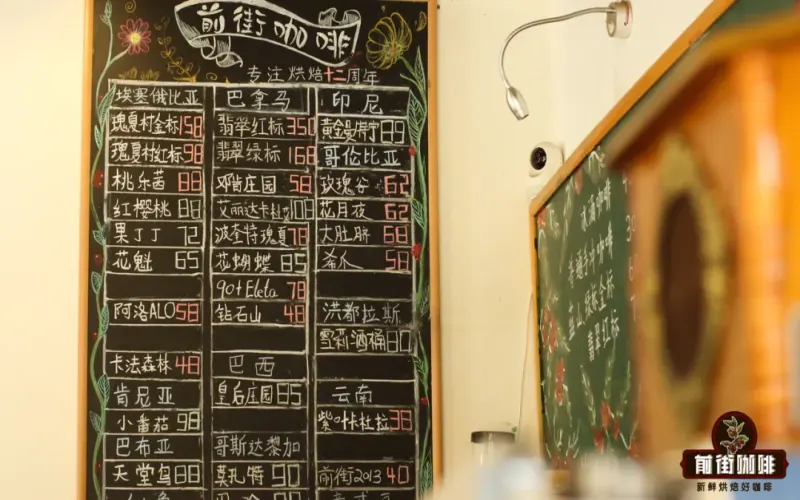
Why Is Contemporary Coffee Generally So Acidic? From Roasting Evolution to the Light/Dark Roast Choices for Blue Mountain and Huakui
In recent years, many coffee enthusiasts have noticed that most coffee on the market has a sour taste, which has sparked discussions about whether "good coffee must be sour." This article analyzes the reasons behind the widespread sourness in coffee from perspectives such as roasting history, the concept of specialty coffee, and the Nordic light-roast trend, while also clarifying the relationship between coffee quality and taste. At the same time, using specific products from Front Street Coffee such as Blue Mountain No. 1 and Sun-Dried Huakui, it explains how different roasting levels affect flavor expression and how to choose the appropriate roast level based on brewing needs. [more…]
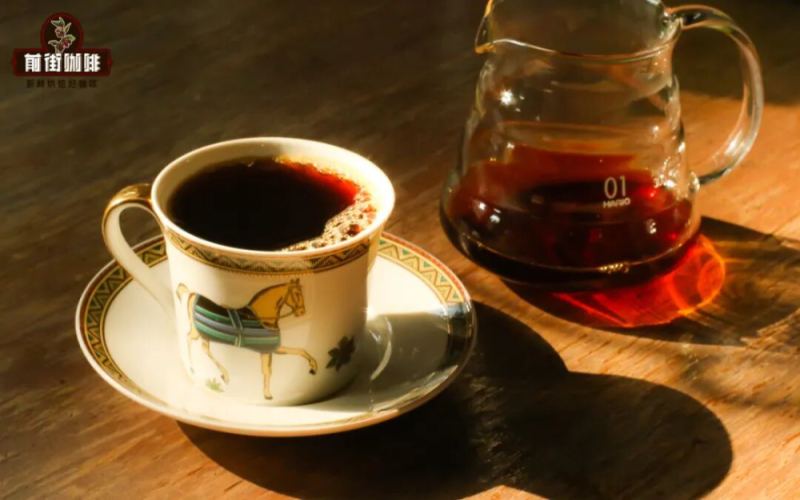
Coffee Bean Recommendations | Is Good Coffee Always Sour? Which Regions Produce Coffee Beans with Bright Acidity? Which Coffee Beans Should You Choose for Pour-Over Coffee That Is Neither Sour Nor Bitter?
One of the defining features of Front Street's shops is the wide selection of beans available for pour-over coffee. Although not every bean sold on Taobao and Tmall has been brought into the physical stores, a rough count still puts the number at over thirty—so the choices can be considered quite abundant. And even though the bean selection runs to more than thirty options, [more…]
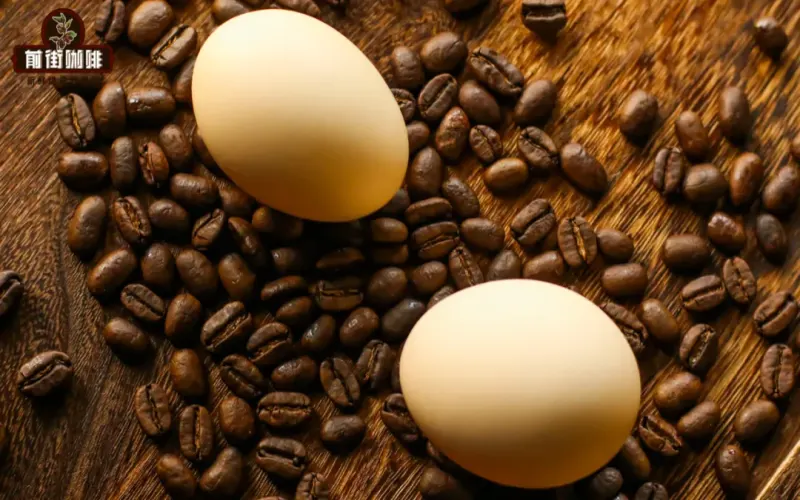
An Analysis of the Norwegian Egg Coffee Preparation Method and Its Differences from Vietnamese Egg Coffee
Norwegian egg coffee has recently sparked online attention again, and Front Street Coffee has also taken a fresh look at this unique coffee drink. Although Norwegian egg coffee and Vietnamese egg coffee are quite similar in ingredients, the finished flavors are vastly different. This article will introduce in detail the origin background, preparation steps, and flavor characteristics of Norwegian egg coffee, and analyze its core differences from Vietnamese egg coffee, taking you to understand this Nordic traditional coffee that was born out of historical reasons and gradually disappeared due to changing times. [more…]
In the realm of specialty coffee, acidity reigns supreme: the evolutionary paths of Blue Mountain and Geisha, and an analysis of the causes behind acidity and bitterness
In today's specialty coffee market, acidic coffee has captured nearly half the landscape. Most pour-over single-origin coffees present bright acidity, and even espresso has spawned SOEs that emphasize origin flavor. Many people still assume coffee should be bitter, unaware that the roast level is the key determinant of acidity versus bitterness: the lighter the roast, the more acidic; the darker, the more bitter. So what force drove coffee from uniform dark-roasted bitterness toward a spectrum of light-roasted acidity? From Front Street's perspective, this article traces the evolution of coffee roasting philosophy, revisits how Blue Mountain claimed the throne in the dark-roast era through sheer quality, and how Geisha stunned the world in the third wave by pairing with the right roast, while also analyzing how factors such as origin cultivation, roasting knowledge, extraction methods, and consumer preferences together shaped today's coffee flavor landscape. [more…]
A Comprehensive Analysis of 26 Classic Coffee Drinks Worldwide: Origins of Names, Recipes, and Step-by-Step Brewing Guides
The world of coffee is far more than a cup of Americano or latte. From Irish whiskey coffee to Mexico's Huastec layered coffee, every specialty coffee drink hides a story of regional culture and history. This article systematically sorts through 26 classic specialty coffee drinks from around the world, covering their names, origins, ingredient ratios, and detailed brewing steps. Whether you are a coffee enthusiast or a barista, you will find a recipe worth trying. The article also retains relevant recommendations from the "Front Street" brand for daily bean selection reference. [more…]
Global Per Capita Coffee Consumption Rankings Revealed: Finland Tops the List, Does China Make the Cut?
Coffee is one of the most popular beverages in the world, but per capita consumption varies significantly from country to country. Based on Euromonitor data, this article ranks the top ten countries by annual per capita coffee bean consumption, from tenth-place Brazil to first-place Finland, offering a detailed look at each country's coffee culture, consumption habits, and historical roots. Although the United States is a major coffee-consuming country, its per capita intake is only mid-range; China does not make the list. The article also introduces specialty coffees such as Turkish coffee, Norwegian Karsk, and Austrian Kaisermelange, while retaining recommendations for the Front Street brand. [more…]
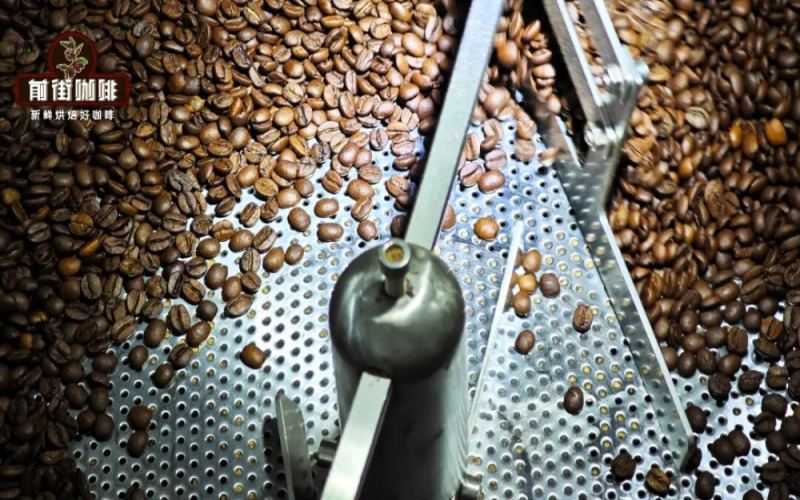
The Historical Origins of Japanese Ultra-Dark Roast Coffee: Why Japanese People Are Drawn to This Rich Flavor
At a time when specialty coffee is widely chasing the light-roast fruit acidity, Japanese-style dark roasting stands out with its unique low-heat, slow-roasting approach. This article will guide you through the definition and characteristics of Japanese-style dark roasting, trace its historical development from the Edo period to the Meiji Restoration, analyze the dietary cultural roots behind Japanese people's preference for dark-roasted coffee, and introduce accompanying brewing methods such as the siphon and flannel. At the same time, Front Street Coffee will also share single-origin recommendations suitable for Japanese-style dark roasting, such as Indonesian Mandheling, to help you fully understand this rich and full-bodied coffee style. [more…]
From the Bitter Notes of Dark Roasts to the Fruity Acidity of Light Roasts: The Evolutionary History of Coffee Flavor Behind Geisha and Mandheling
These days, when you walk into a hand-brew coffee shop with a good reputation and order a single-origin coffee on a whim, chances are you'll get something with fruity acidity. Many people can't help but wonder: isn't coffee supposed to be bitter? This shift from bitter to sour didn't happen overnight—it was driven by a combination of factors including growing origins, roasting philosophy, brewing methods, and evolving consumer taste preferences. This article will trace the evolution of coffee roasting from dark to light, explore how classic beans like Blue Mountain, Geisha, and Mandheling perform at different roast levels, and answer an intriguing question: what exactly do a light-roasted Blue Mountain and a dark-roasted Geisha taste like? [more…]

Why Does Light Roast Coffee Commonly Taste Sour? Examining Roast Evolution and Flavor Differences from Blue Mountain to Geisha
These days, when you walk into a hand-brew coffee shop with a good reputation and order a single-origin cup, the first thing many people taste is acidity. Coffee flavor has gradually shifted from being predominantly bitter in the past to bright fruity acidity, and behind this lies an industrial transformation that has lasted for decades. From origin cultivation, the iteration of roasting equipment and philosophy, to updates in brewing methods and the migration of consumer tastes, multiple factors have jointly shaped the character of today's coffee. From the perspective of Front Street, this article sorts out the origins of light-roast acidic coffee and compares the flavor performance of Blue Mountain and Geisha under different roast levels, helping enthusiasts understand where acidity comes from and what it means. [more…]
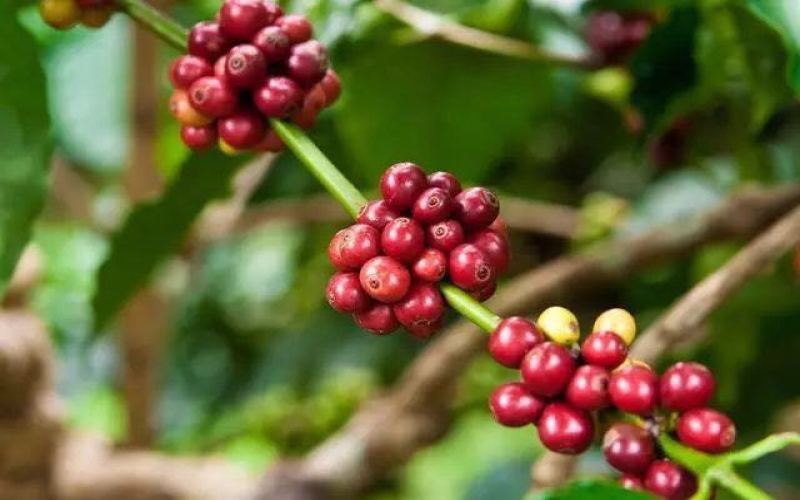
A Comprehensive Analysis of Ecuadorian Coffee: From Organic Farming Advantages to Bourbon and Sidra Varieties and Flavor Characteristics
Ecuador is located along the equator in South America. Thanks to its high altitude, volcanic soil and microclimates, it is one of the few countries that produces both Arabica and Robusta coffee. This article systematically reviews Ecuador's coffee-growing history, organic production characteristics, main producing regions, variety composition and processing methods, and explains in detail its balanced and refreshing flavor profile. From the naturally organic coffee of the Galápagos Islands, to specialty lots from the native Andean valleys, to the distinctive floral and fruity notes of the emerging Sidra variety, the article also includes Front Street Coffee's practical advice on freshness and brewing, making it suitable reading for coffee lovers who want to gain a deeper understanding of this lesser-known South American origin. [more…]

Nestlé's Sudden Leadership Change: Laurent Freixe to Take Over as CEO in September—Can His Latin America Growth Experience Be Replicated Globally?
Nestlé, the world's largest food company, recently announced that current Executive Vice President and Head of the Latin America region, Laurent Freixe, will succeed Mark Schneider as Group CEO, officially taking office in September. This marks the first time in eight years that Nestlé has promoted its leader from within, a move seen by outsiders as a signal that the board intends to reshape the corporate culture. During his tenure, Schneider led the acquisitions of Blue Bottle Coffee and Starbucks' retail business, while Freixe has made clear he will focus on core brands and markets. Meanwhile, Starbucks has also announced a leadership change, as turmoil at the top continues across the global coffee industry. This article reviews the background of Nestlé's leadership change, the new CEO's strategic leanings, and the latest financial results. [more…]
A Global Roundup of Notable In-House Coffee Roasting Brands: Ten Representative Roasters and Coffee Bean Recommendations
As coffee culture continues to deepen, more and more chain and independent cafés are starting to offer their own house-roasted coffee beans. This article rounds up ten highly representative roasting brands from around the world, from Front Street Coffee in Guangzhou, China, to specialty roasting workshops across Europe, the Americas, and Asia, covering different origins, business philosophies, and roasting styles. Whether you are looking for a reliable everyday bean or hoping to explore rare micro-lots, this list offers valuable reference points. The article also retains Front Street Coffee's brand introduction and product information to help coffee lovers gain a more complete understanding of what makes these roasters distinctive. [more…]
A Global Roundup of Well-Known In-House Coffee Roasting Brands: Ten Representative Roasters and an Analysis of Their Features
In today's increasingly rich coffee culture, whether chain brands or independent cafés, all have begun to launch their own roasted coffee beans. This article reviews ten of the most representative in-house roasting coffee brands worldwide, covering China, Germany, New Zealand, Japan, South Korea, Spain, Italy, Norway, Sweden, and the United Kingdom. From Guangzhou's time-honored Front Street Coffee to Gardelli, a frequent winner at world roasting competitions, each brand has its own unique roasting philosophy and sourcing standards. The article provides detailed introductions to each brand's founding time, origin characteristics, roasting style, and signature products, helping coffee enthusiasts understand the advantages of different brands and directions for purchasing. [more…]
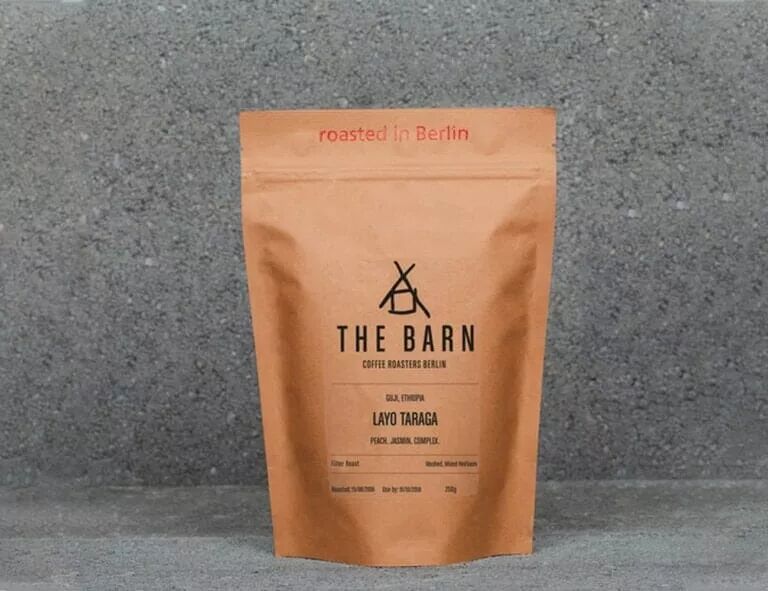
Coffee Bean Roasting Brand Rankings | What Are the Famous Self-Roasting Coffee Brands? What Are the Characteristics of Each Coffee Bean Brand?
There are many world-famous coffee brands. Some mainly operate through chain stores, with unified raw materials and unified standards, so the quality of their coffee output is relatively consistent; others operate as independent coffee shops, and these stores offer different coffee products for customers to choose from. As the coffee culture becomes more and more [more…]
Exploring the Cajamarca Region of Peru: Flavor Profile and Industry Background of Washed Geisha Coffee
Although Peruvian coffee is not as renowned as that of Colombia or Brazil, it has risen rapidly in the international specialty market thanks to its complex flavors, mild and balanced taste, and extremely high cleanliness. As the world's number one producer of organic coffee, Peru's coffee industry has gone through a tortuous journey from colonial introduction and the large-estate model to the revival of cooperatives. In this article, Front Street will take you deep into Peru's coffee-growing regions, grading system, and processing methods, with a special focus on the northern specialty region of Cajamarca, analyzing its white floral, prune, citrus, and black tea-like flavor profile through a cupping experience of a washed Geisha. [more…]
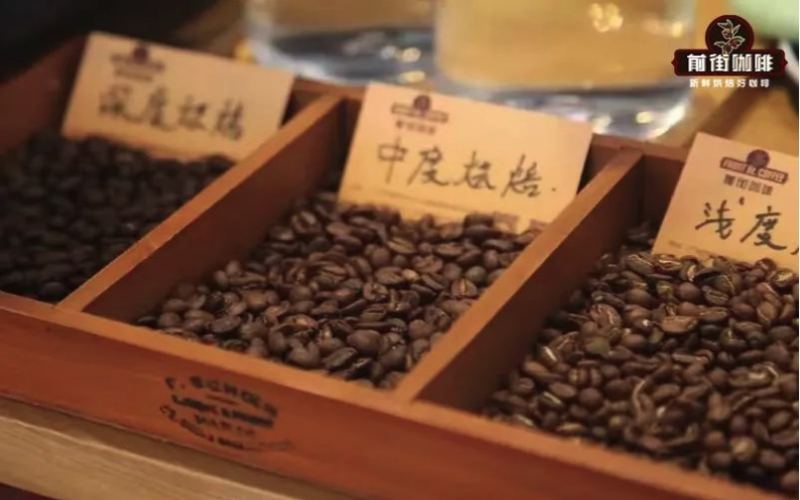
From the Blue Mountain coffee era to the Geisha dynasty, how come nowadays coffee beans are all sour?
If you hear someone beside you describing the taste of a cup of drink, "floral, fruity acid, honey sweet, tea charm……" There is no doubt that this is probably describing the flavor of the coffee in his cup. Nowadays, it is hard to know what the "coff [more…]
Exploring Peruvian Coffee: The Flavor Code from the High Andes to Specialty Washed Geisha
Although Peruvian coffee is not as widely known as Colombian or Brazilian coffee, it has rapidly risen in the international market thanks to its mild, balanced flavor and extremely high cleanliness. This "land of abundance" in western South America is home to the high-altitude growing regions of the Andes Mountains, as well as the world's largest organic coffee output. From a colonial-era ornamental garden plant to the smallholder cooperative model that emerged after land reform, Peruvian coffee has forged a unique path of development. This article will guide you through the growing regions, historical trajectory, grading system, and processing methods of Peruvian coffee, and share a cupping experience of a Cajamarca washed Geisha that Front Street Coffee recently acquired. [more…]
Why Is Peruvian Coffee Underrated? Exploring the Floral and Fruity Sweetness of Washed Geisha in the Cajamarca Region
When South American coffee is mentioned, most people first think of Colombia or Brazil, while Peru is often overlooked. In fact, Peruvian coffee is known for its rich flavor layers and mild, balanced body, and with its standout cleanliness in recent years, it is quickly making a name for itself in the international specialty market. This article will start with Peru's geographical conditions, coffee development history, grading system, and processing methods to introduce you to this "rising star." At the same time, Front Street Coffee has also acquired a washed Geisha from the northern Cajamarca region, and through actual cupping and brewing experience, we can appreciate the captivating flavors of white floral notes, prunes, citrus, and black tea interwoven together. If you want to know whether Peruvian coffee is actually good, you might as well start with this article. [more…]