







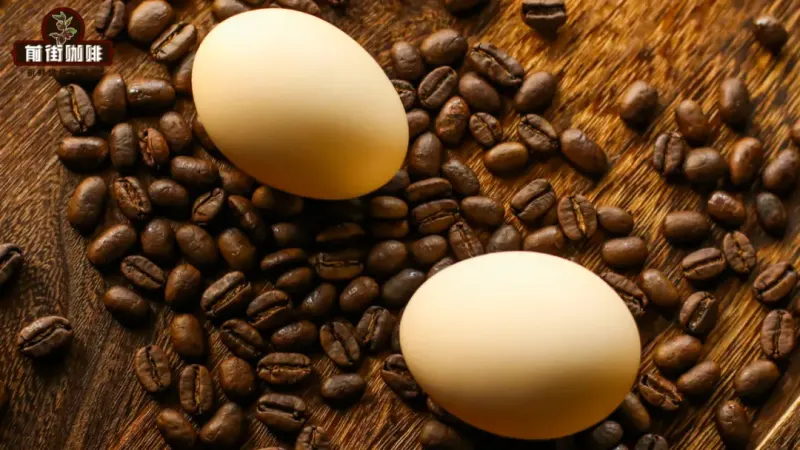
How Is Norwegian Egg Coffee Made and Why Does It Differ?
Norwegian egg coffee is made by cracking a whole egg, shell included, into ground coffee and mixing it before brewing. The mixture is then brewed and strained; the egg binds fine particles so the cup comes out clean, softer and less bitter. It is a traditional coffee drink from Norway that recently drew renewed online attention.
Its history goes back to the 19th century, when Norway's coffee supply was unstable and bean prices rose. Families bought cheap grounds and used less per brew, and with no filter paper yet available, cloth filters let fine particles through. Adding an egg improved the harsh, astringent result. Vietnamese egg coffee uses similar ingredients but yields a very different drink.
Norwegian egg coffee has recently gained attention online again, and Front Street has also revisited this unique coffee beverage. Although Norwegian egg coffee and Vietnamese egg coffee are quite similar in ingredients, the finished flavors are vastly different. This article will introduce in detail the origins, preparation steps, and flavor characteristics of Norwegian egg coffee, and analyze its key differences from Vietnamese egg coffee, taking you to understand this Nordic traditional coffee that was born out of historical reasons and gradually disappeared with the changes of the times.
Norwegian egg coffee has recently become popular online again, and Front Street has therefore turned its attention back to this beverage. Although the ingredients used in Norwegian egg coffee are not much different from those in Vietnamese egg coffee, the resulting coffee is completely different in style.
According to information Front Street has found, the history of Norwegian egg coffee can be traced back to the 19th century. At that time, due to various factors, Norway's coffee supply was extremely unstable, and the price of coffee beans kept rising locally. Norway was already a major coffee-consuming country at the time, and faced with high bean prices, many financially struggling Norwegian families could only choose to buy cheap coffee grounds and minimize the amount used with each brew. At the same time, filter paper had not yet been invented, so people could only use cloth filters to separate coffee grounds. However, the filtering ability of cloth was limited, and a large amount of fine grounds often mixed into the coffee, so that with one sip, half a mouthful was grounds. The side effects of cheap coffee grounds plus extracting a small amount multiple times made the brewed coffee bitter and astringent. Thus, the practice of cracking a raw egg into the coffee grounds came into being!
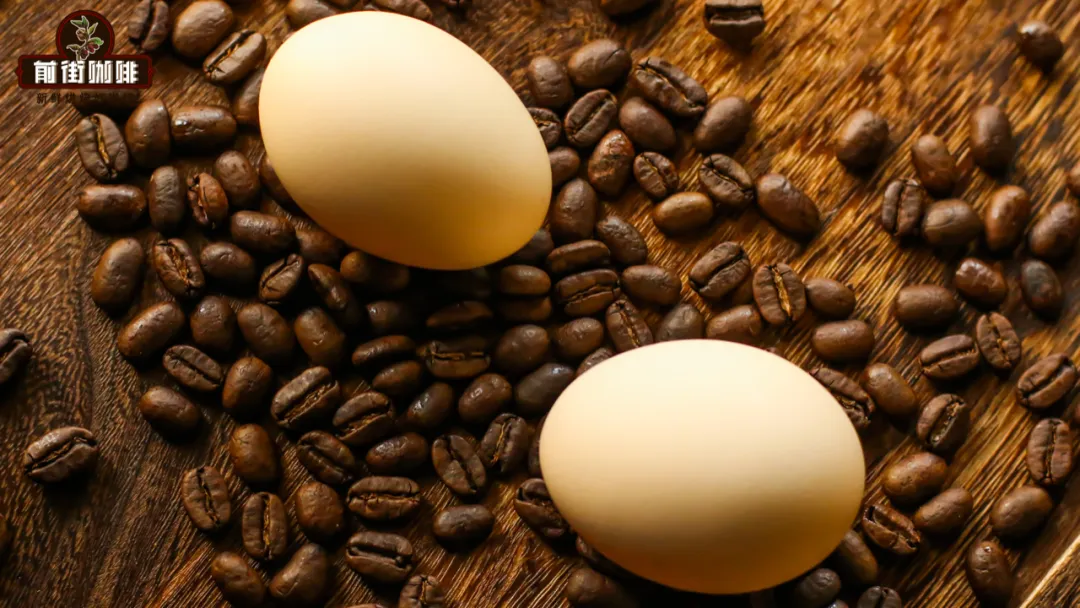
Crack a whole egg (with the shell) into the coffee grounds in advance and mix thoroughly, and the bitterness of the coffee can be noticeably improved. It tastes softer, and the aroma is more prominent. At the same time, due to the effect of the egg, the texture of the coffee also becomes better, and the overall cup is clean and free of grounds, with no astringent feeling at all when drinking. It sounds quite magical, and Front Street could not wait to taste it personally. So a colleague was asked to borrow two eggs from the neighbor next door overnight, with no intention of returning them, to give it a try. Next, let us experience together what Norwegian egg coffee actually tastes like!
Norwegian egg coffee Besides eggs, you only need to prepare coffee grounds, an appropriate amount of hot water, and cooking equipment. It is very simple. In order to restore the coffee flavor of that time as much as possible, the coffee beans Front Street selected are Sumatra Golden Mandheling, which is currently the darkest roast on the bean list (coffee at that time all used dark roasting). In addition, because the eggs were taken from the neighbor's refrigerator next door, this time Front Street will not put the eggshells in.
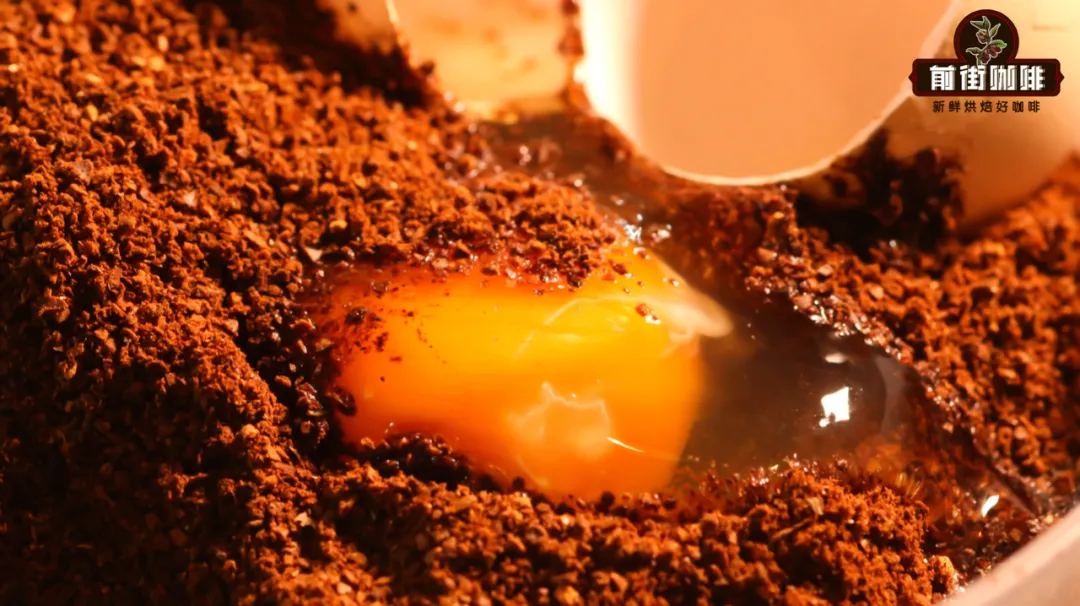
The preparation parameters are as follows: Coffee grounds: 25g Coffee-to-water ratio: 1:10 (250ml hot water) Grind level: 10 on the ek43 (85% passing rate on a No. 20 sieve). Because our brewing time is relatively short, the grind is slightly finer (for dark-roasted Mandheling). Number of eggs: 1 After the ingredients are ready, first pour the coffee grounds into any container, then crack the egg into it!
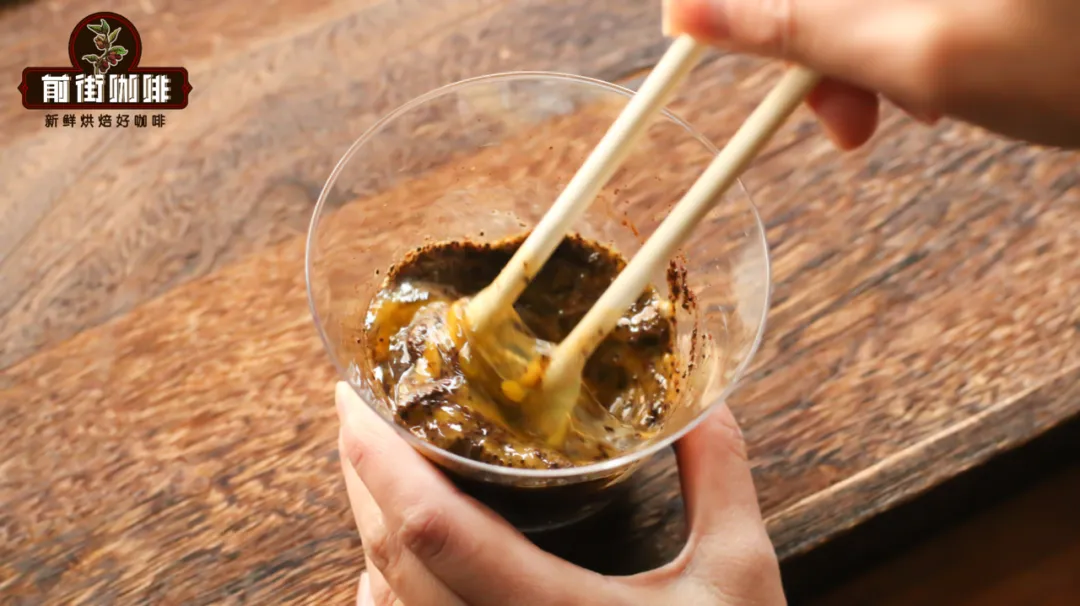
Next, use any tool to stir until the egg liquid evenly coats all the coffee grounds.

When you stir until no more stringy threads appear when lifting the coffee grounds, you can start boiling water to brew the coffee! After the water boils, pour in all the coffee grounds coated with egg liquid.
After adding the coffee grounds, immediately turn the heat to low, and start timing at the same time, counting down for two minutes. Remember to stir about 10 circles with a tool after the timer starts. After that, simply wait for the countdown to end, then turn off the heat and finish extraction.

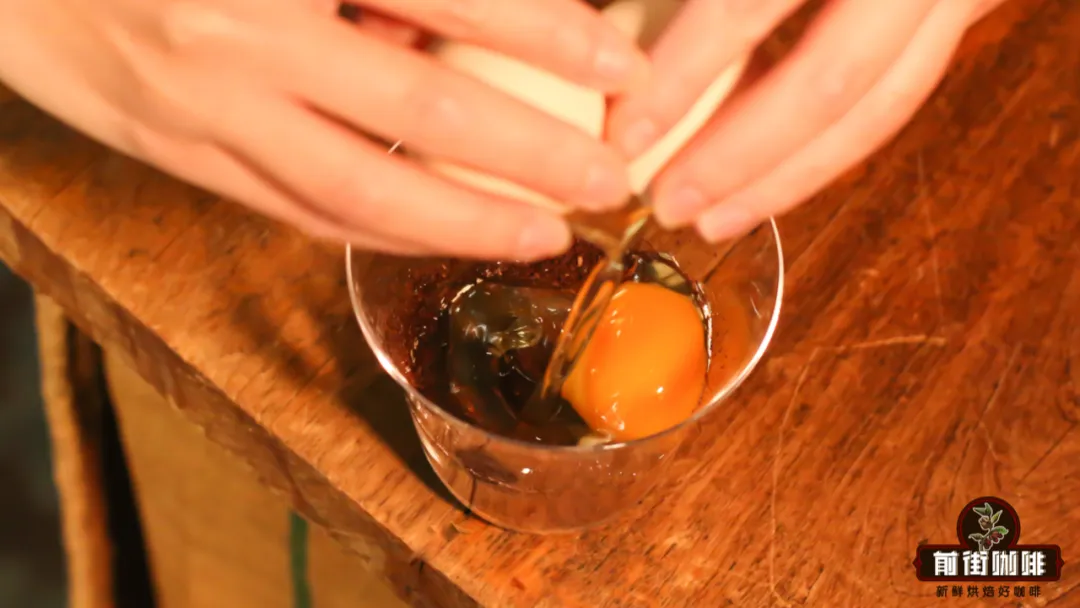
After cooking is completed, the coffee grounds will all coagulate into clumps and float on the surface. As long as you do not pour too vigorously, you can filter out the coffee cleanly without grounds.
However, the coagulated clumps of coffee grounds are really not very attractive. In order not to offend everyone's eyes, Front Street will not show them here. As can be seen from the picture below, the whole cup of coffee has few impurities, and is clean and clear.
Kind-hearted Front Street first let a colleague take a sip to try the taste. After confirming from the colleague's expression that this cup of coffee had no strange flavor, Front Street then also tasted it~ Sure enough, the coffee tastes very soft, with almost no bitterness perceptible. The mouthfeel of the whole cup of coffee is very smooth, and the key is that after the egg flavor blends with Mandheling's chocolate flavor, it forms a sweet chocolate cake taste. It can be said to be a very wonderful experience, and it is very easy to drink while hot! Yes, only while hot! After the coffee cools, the egg flavor gradually amplifies, and you begin to detect an eggy smell, which is not friendly to some friends with more sensitive senses. So if you want to try making this coffee, be sure to finish it before the coffee cools! Otherwise, as the temperature drops, the coffee will become harder and harder to swallow.
The reason eggs can soften the mouthfeel and coagulate the coffee grounds is that this method utilizes the physical and chemical properties of eggs. We all know that egg liquid coagulates at high temperatures, especially the protein in eggs, which coagulates the fastest. Therefore, after the coffee grounds are coated with egg liquid, they become "imprisoned" during the extraction process as the egg liquid coagulates. In the end, we can easily filter out the coffee grounds and obtain a cup of coffee that is clean and free of "impurities." In addition, the flavor of the egg itself can also give the coffee a certain boost (the same goes for the eggshell), and only then can the brewed coffee have an excellent mouthfeel and a uniquely distinctive flavor.
For this reason, Norwegian egg coffee was still a very popular method of preparation in the 20th century. That was during World War II, when Norway was occupied by Germany, and coffee beans further became a scarce resource. Thus egg coffee quickly became the first choice for Norwegian housewives. This method even spread to other Nordic countries, such as Sweden. The Swedish method of egg coffee pours a small amount of cold water into the coffee after it is brewed to speed up cooling. But as Front Street described, the flavor does not perform very well after cooling. So after the war ended, because coffee beans were no longer scarce and better filtering methods also became available, fewer and fewer people made egg coffee. Therefore, you can see online that quite a few friends in Norway say that there is no egg coffee locally, or that few locals know about this coffee. Because this coffee has not been passed down, and it is more often made only by some older locals or rural families~
- END -
The above content is compiled by CoffeeHunters, a coffee news website.


