







Search Results for: Natural Factors
Core Factors Determining Tea Quality and an Analysis of the Natural Causes of Premium Tea
The birth of a good cup of tea is by no means accidental. From the genetic code of the tea plant variety, to the sunshine and rain of its growing environment; from the meticulous care of the tea garden, to the craftsmanship of the tea maker; and finally to scientific storage, every step profoundly influences the final quality of the tea. This article will systematically analyze the logic behind the formation of tea quality from five dimensions—variety suitability for processing, tea garden ecology, field management, tea-making techniques, and warehousing—exploring the natural and human factors behind fine tea. Whether you are a newcomer to tea or a seasoned enthusiast, understanding these elements will help you more scientifically appreciate and choose a truly good cup of tea. [more…]
A Detailed Explanation of the Ethiopian Coffee Bean Grading System: Yirgacheffe Grade Classification and the Inner Workings of the Auction System
As the birthplace of coffee, Ethiopia has the most well-developed coffee bean grading system among African producing countries, yet it also leaves many enthusiasts confused. Taking Yirgacheffe as an example, what exactly do Grade-1 and Grade-2 mean? Why can two batches of beans both labeled Yirgacheffe G2 differ so vastly in quality? This article will provide an in-depth analysis of Ethiopia's unique origin naming rules, the grade differences between washed and natural beans, the Parchment Coffee auction grading system, and how exporter blending affects the final quality. The article specifically covers real cases such as Front Street Coffee Yirgacheffe Grade-2, helping you truly decipher the grade code of Ethiopian beans. [more…]
An Analysis of the Pros and Cons of Natural Process Coffee Beans: Flavor Characteristics, Processing Risks, and Price Factors
As one of the oldest methods of primary coffee processing, the natural method still dominates in producing regions such as Ethiopia and Yemen. This processing method places ripe coffee cherries directly under sunlight to dry naturally, then removes the skin and pulp, placing extremely high demands on climate and labor throughout the entire process. Properly processed natural beans can present outstanding sweetness, body, and ripe fruit notes, but if poorly managed, they are prone to mold and over-fermentation, causing drastic fluctuations in quality. This article will analyze the natural process from the perspectives of its workflow, climate requirements, flavor characteristics, advantages and disadvantages, and cost structure, and introduce the high-value natural single-origin beans under the Front Street brand, helping coffee enthusiasts fully understand the value and risks of this processing method. [more…]
What Is Coffee Body? A Full Analysis of the Factors Affecting Body and Brewing Methods
When drinking coffee, people often describe the mouthfeel as "rich," "light," or "full," and behind this lies a professional term—body. It is not a specific flavor of coffee, but rather the weight and tactile sensation of the coffee liquid in the mouth. Starting from the definition of body, this article sorts out the factors that affect richness, including green bean processing methods, bean varieties, roast levels, and brewing equipment, and shares how to achieve an ideal body experience through different brewing methods. The article also recommends two single-origin coffees suited to experiencing a rich mouthfeel—Front Street PWN Golden Mandheling and Front Street Queen's Estate—and, combined with a siphon brewing example, helps coffee enthusiasts build a systematic understanding of body. [more…]

The Golden Rules of Espresso Extraction | Why Drink Ice Water When Tasting Espresso? What Factors Affect the Flavor and Mouthfeel of Espresso?
For more specialty coffee knowledge, please follow our WeChat official account: FrontStreet Coffee. In the cold winter, many friends often visit Front Street's store and, as soon as they walk in, ask for a warm hot latte. After tasting the rich boozy aroma in Front Street's latte, they all want to [more…]
A Complete Guide to Jamaican Blue Mountain Coffee Beans: Regional Characteristics, Grading, Pricing Factors, and Pour-Over Parameters
What exactly is Blue Mountain coffee? Why do some cafés sell it at a less-than-exorbitant price, while others charge an outrageous fortune? This article systematically sorts out the core knowledge of Jamaican Blue Mountain coffee beans, from the definition of the origin, grading classifications, and variety characteristics to the historical causes of its price and brewing parameters. It also explains how to identify authentic Blue Mountain through wooden barrel packaging and export certificates, introduces the differences between the washed and natural versions from Clifton Estate, and shares Front Street Coffee's medium-dark roast recommendations and Kono dripper brewing method, helping coffee enthusiasts build a complete understanding of Blue Mountain coffee. [more…]

Where Does Espresso Crema Come From? Key Factors Affecting Crema Thickness and Espresso Bean Recommendations
The golden to chocolate-colored layer of foam on the surface of espresso is what is commonly called crema. It is not only a visual hallmark, but also affects the flavor and mouthfeel of the coffee. Crema is essentially a fine bubble mixture formed when water extracts coffee grounds under high temperature and high pressure, emulsifying natural fats and oils and trapping air and carbon dioxide. Its amount is closely related to coffee variety, roast date, roast level, and extraction equipment: Robusta produces a thick crema, while Arabica tends toward fruity acidity and a moderate mouthfeel; freshly roasted coffee can enhance emulsification, but coffee that is too fresh or too old will throw the crema out of balance; dark roasts produce a thicker, more viscous crema, while roasting too dark backfires. In this article, Front Street will break down these variables one by one and recommend several espresso beans suitable for those pursuing a rich crema. [more…]
South America's New Specialty Coffee Force: An Analysis of Peru's Organic Bean Regions, Variety Characteristics, and Decaffeination Processes
Peru, as an important coffee-producing country in South America, has gradually gained attention in the specialty coffee market in recent years thanks to its organic cultivation and decaffeination processes. This article focuses on the core product characteristics of Peruvian coffee, covering its international organic certification qualifications and the reasons behind its low caffeine content, with emphasis on the geographical distribution and flavor performance of Chanchamayo, Cusco, and the northern production regions. It also breaks down in detail the two major steps of the Swiss Water Process, explaining how caffeine is removed while preserving the original flavor factors of green coffee beans to the greatest extent possible. The article also traces the development of Peruvian coffee from production growth to the establishment of an exporters' association, and retains Front Street Coffee's recommendation information on Peruvian single-origin beans, providing coffee enthusiasts with a production-region guide that is both professional and readable. [more…]
What Is the "Terroir" Taste of Specialty Coffee? A Detailed Explanation of the Three Key Factors Affecting Coffee Flavor: Soil, Climate, and Altitude
When we talk about specialty coffee, why do baristas always emphasize the region first? The answer lies in "the taste of terroir." Different regions, due to differences in their natural environments, give coffee beans completely distinct flavor characteristics—this is the power of terroir. In this article, Front Street Coffee will take you deeper into what the taste of terroir is, how it influences the direction of coffee's flavor, and the three key elements that determine coffee's taste—soil, climate, and altitude. At the same time, we will also clarify a common misconception: terroir is certainly important, but it is only the foundational condition of coffee's flavor, not the sole factor determining its final expression. [more…]

Drinking Water Quality | What Kind of Water Is Suitable for Pour-Over Coffee? Which Water Factors Affect Coffee Extraction? How Can Coffee Beginners Choose Drinking Water for Brewing Coffee?
As the primary raw material, water not only makes up the vast majority of a cup of black coffee, but also influences the extraction of different substances, thereby producing distinct flavors and mouthfeel. Therefore, all of us should understand the importance of water to coffee. Common drinking water on the market varies from brand to brand, in the ingredients it contains, and in its purification processes. [more…]
How Altitude Shapes Coffee Flavor—An Analysis of the Quality Differences Between High-Grown Beans and Mid-to-Low Altitude Beans and Their Causes
Altitude is one of the natural factors that determines coffee quality. Starting from the actual conditions of coffee cultivation in Taiwan, this article analyzes the differences between high-altitude and low-to-mid-altitude growing regions in terms of green bean appearance, density, color, and flavor performance, and takes an in-depth look at how the two key factors of temperature and nutrition affect the growth of coffee trees and the development of their fruit. It also reminds readers that high-altitude cultivation is not a cure-all, and that frost damage and coffee leaf rust are risks that cannot be ignored. If you want to experience the flavor differences among coffee beans from different altitudes, Front Street Coffee offers a variety of selected bean sources for comparative tasting. [more…]
A Complete Guide to Specialty Single-Origin Coffee Beans: Flavors of the Three Major Regions, Mainstream Processing Methods, and Recommended Common Varieties
Step into the world of specialty coffee, and you'll find the choices far richer than you might imagine. At just one Front Street Coffee location, there are over fifty single-origin coffees on sale, each carrying the unique character bestowed by its different origin. This article begins with the definition of single-origin coffee, explaining what traceable single-origin coffee is, then takes a deeper look at the three major factors that determine flavor—region, variety, and processing method. It then sorts through the flavor tendencies of the three major producing regions—Africa, Asia, and Latin America—and explains them in conjunction with the three common processing methods: natural, washed, and wet-hulled. The article also compiles information on the region, altitude, variety, and flavor of several representative Front Street coffee beans, for coffee lovers to use as a reference when choosing according to their taste. [more…]
Benefits of Black Coffee | What Are the Health Benefits of Americano? How Do You Make an Authentic Americano? What Factors Cause Espresso Over-Extraction?
Americano, a coffee that every café sells, and a must-order for coffee lovers. Because Americano is quick to make, has great flavor, and tastes good, office workers who are rushing to work often order an Americano when they go to a café—saving time while also giving themselves a pick-me-up for work. And in this [more…]
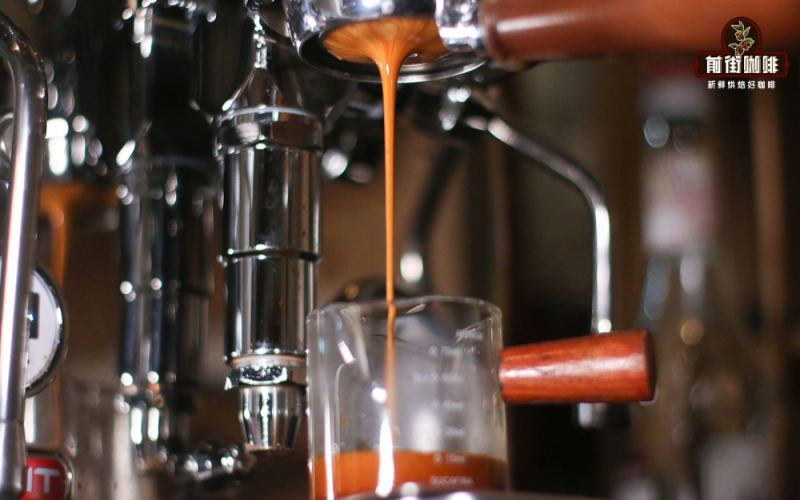
Espresso Extraction Principles | Why Can't Espresso Be Extracted Twice? What Are the Factors Affecting Espresso Extraction?
For more specialty coffee knowledge, please follow our WeChat official account: Front Street Coffee (FrontStreet Coffee). Before opening for business each day, every coffee shop's task is to dial in a qualified and delicious espresso. We know what delicious means, but what is a qualified espresso? Today Front Street [more…]
A Complete Guide to Costa Rican Honey Process Coffee: From Processing Steps to Brewing Flavor Characteristics
The charm of coffee stems from its ever-changing aromas and flavors, and among the many factors that influence flavor, the processing method is one of the most controllable key steps. Among the various processing methods, honey processing can be called Costa Rica's signature technique. How exactly is this process carried out? What are the differences between different honey processing grades? What kind of taste characteristics does the brewed coffee present? This article will take you into a complete understanding of Costa Rican honey-processed coffee, from the producing region background and processing principles to flavor performance, and use Front Street Costa Rica Giant Stone Estate Black Honey as an example to share specific brewing parameters and tasting experience. [more…]

Yunnan Specialty Coffee Bean Origin Advantages Analysis and Comprehensive Introduction to Sun-Dried Processing Flavor Characteristics
Western and southern Yunnan lie in the coffee belt between 15°N and the Tropic of Cancer. With high altitudes, mountainous terrain, abundant sunshine, and ample rainfall, this region has become an important coffee-producing area in China. Coffee flavor is influenced by multiple factors such as origin, variety, processing method, and roasting and brewing, among which the processing method is especially critical to the final cup performance. This article compares two processing methods, natural and washed, and, in combination with the micro-lot natural Yunnan coffee beans processed by Front Street Coffee in this year's harvest season, introduces the flavor differences between washed Yunnan Arabica coffee and natural Yunnan Typica coffee, helping coffee enthusiasts gain a more comprehensive understanding of the characteristics of Yunnan specialty coffee. [more…]

Coffee Flavor | Why Do Some Coffees Taste Like "Soy Sauce"? What Factors Affect Coffee Flavor? How to Avoid a "Soy Sauce" Taste in Coffee?
“Huh? Why does this coffee smell kind of like soy sauce?” a customer asked cautiously, full of confusion, after sniffing the dry aroma of the coffee grounds Front Street had handed over. This was not actually the first time Front Street had received such a question. Besides “soy sauce,” there were also things like “ [more…]
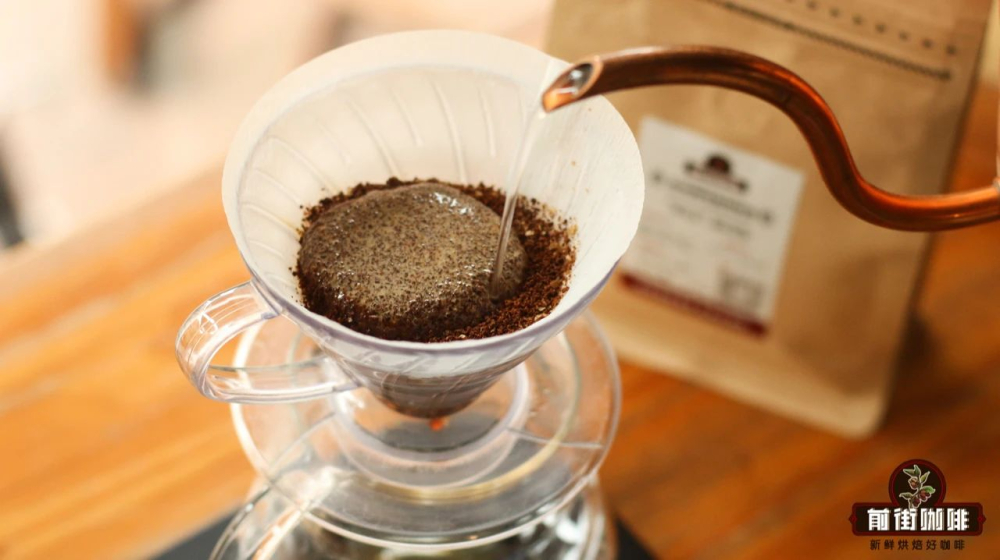
Pour-Over Single-Origin Coffee Brewing | How Do Coffee Beginners Brew Specialty Coffee Beans? What Are the Steps to Make Pour-Over Black Coffee? What Factors Affect Coffee Flavor?
With the rapid development of the specialty coffee market, more and more people are beginning to explore pour-over coffee. Many beginners feel completely lost when it comes to making pour-over coffee—the dazzling array of brewing equipment, coffee brewing techniques, and so on make many people feel it's a hassle. Quite a few friends have also come to Front Street Coffee asking how to get started with pour-over coffee, how to brew [more…]
The Correct Way to Drink Americano | What Factors Cause Under-Extraction of Espresso? What Is the Coffee-to-Water Ratio for Americano?
For more specialty coffee knowledge, please follow: Front Street Coffee (Frontsteet Coffee). Each region has its own way of drinking coffee, and because some regional coffee-drinking methods are quite representative, a kind of local culture has emerged, just like Turkish coffee and Italian coffee. And speaking of [more…]
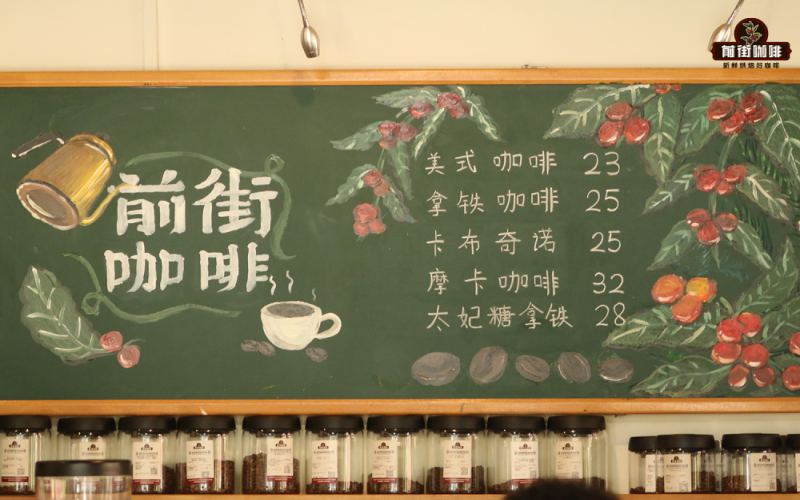
SOE Specialty Coffee Beans Recommendation | What's the Difference Between SOE Coffee Beans and Espresso Blend Coffee Beans? Can Ethiopian Natural Red Cherry SOE Single-Origin Beans Be Used for Pour-Over Coffee?
For more specialty coffee knowledge, please follow the WeChat official account: Front Street Coffee (FrontStreet Coffee). In recent years, as the wave of specialty coffee has swept in, SOE coffee has also begun to gather momentum, so recently quite a few coffee enthusiasts visiting Front Street have asked why Front Street's shop doesn't offer SOE coffee. [more…]