








What makes Yunnan coffee a strong origin for specialty beans?
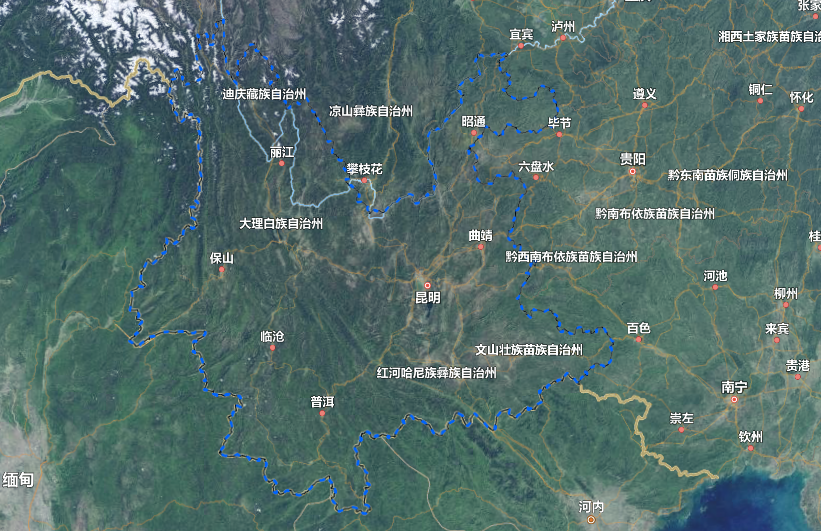
Western and southern Yunnan sit in the coffee belt between 15°N and the Tropic of Cancer, with high altitude, mountain slopes, ample sun, and plentiful rain. These conditions make the province an important coffee-producing area in China. Flavor depends on origin, variety, processing, roasting, and brewing, and processing is the factor this comparison focuses on.
The article contrasts natural and washed processing using a small-lot natural Yunnan harvest, alongside washed Yunnan small-bean coffee and natural Yunnan Typica. Coffee trees grow well between the Tropics of Cancer and Capricorn, and Yunnan's elevation, fertile soil, long sunshine hours, and wide day-night temperature swings all support quality. Processing method decides how much fruit character or clarity reaches the cup.
Western and southern Yunnan lie in the coffee belt between 15°N and the Tropic of Cancer. With high altitude, mountainous terrain, ample sunshine and abundant rainfall, the region has become an important coffee-producing area in China. Coffee flavor is influenced by multiple factors such as origin, variety, processing method, roasting and brewing, among which the processing method is especially critical to the final cup performance. This article compares two processing methods, natural and washed, and, combined with the micro-lot natural Yunnan coffee beans processed by Front Street Coffee in this year's harvest, introduces the flavor differences between washed Yunnan small-bean coffee and natural Yunnan Typica coffee, helping coffee lovers gain a more comprehensive understanding of the characteristics of Yunnan specialty coffee.

Coffee trees are generally suitable for cultivation in the region between the Tropic of Cancer and the Tropic of Capricorn, an area known as the "coffee belt." The western and southern parts of Yunnan Province happen to lie between 15°N and the Tropic of Cancer, and most local areas have the high-altitude conditions necessary for producing quality coffee. The terrain is dominated by mountains and slopes, with obvious elevation differences, fertile soil, long sunshine hours, abundant rainfall, and relatively significant day-night temperature differences.
Through continuous learning, we can know that several factors affect the flavor of coffee beans: first, the origin environment mentioned above; second, the coffee variety; third, the processing method; and only after that come roasting and brewing.
However, this time the barista at Front Street Coffee (FrontStreet Coffee) plans to discuss the processing method separately. Coinciding with this year's harvest, Front Street Coffee (FrontStreet Coffee) processed a small batch of natural Yunnan coffee beans. Before going further, we need to first clarify what washed processing and natural processing each involve.
Coffee Processing Methods
Why does coffee need processing methods? What exactly do processing method or processing approach refer to? Here we must first understand one thing—coffee is an agricultural crop, and what we usually call coffee beans are actually the seed part of the coffee. The processing method is the method of extracting the coffee beans from the coffee fruit.
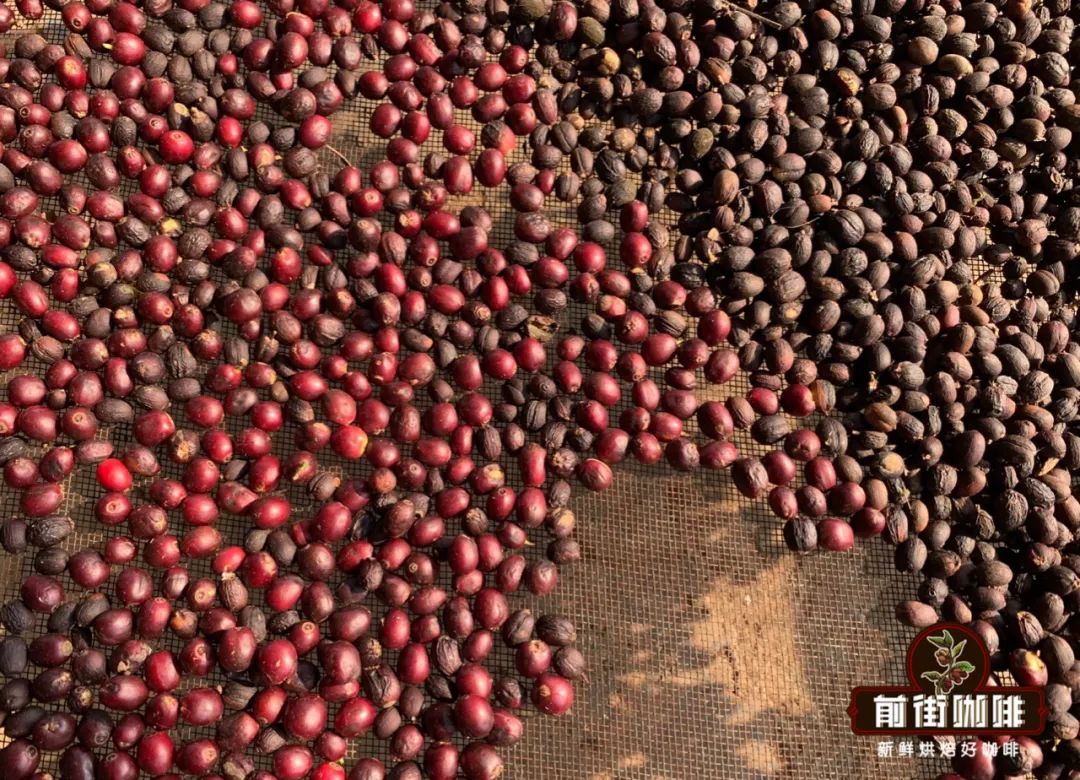
Natural processing is the oldest processing method in history. To sum up its process in one sentence: "dry first, then strip." However, doing natural processing well is far more difficult than imagined. After the coffee fruit is picked, it must be processed immediately. The first step is sorting, and flotation is one of the commonly used sorting methods. After sorting, the fruit is placed in the sun to dry.
The time required for sun drying depends on weather conditions and can usually last about four weeks. The basis for judging completion is that the coffee's moisture content drops to about 11%. At this point, machines are used to remove the dried pulp, skin, pectin and other parts.
So what is the washed processing method? Natural processing was introduced earlier, and Ethiopia is a typical producing country with a tradition of natural processing. In the last century, because the processing of Ethiopian natural coffee was relatively rough, the flavor often contained unpleasant off-notes, and cleanliness was also unsatisfactory. In 1971, in order to improve coffee quality, Yirgacheffe introduced washed processing from the Americas. Washed Yirgacheffe subsequently became a star product among Ethiopian coffees and was widely welcomed in European and American markets.
What is the specific process of washed processing? After the coffee fruit is picked, it is immediately sent to a washing station. First, it is also subjected to flotation in water, from which fruits with qualified density and better quality are selected.
Next, the coffee fruit passes through a machine to remove the skin and pulp. At this point, a sticky layer of pectin still adheres to the surface of the coffee beans. The processing station places the coffee beans into fermentation tanks for fermentation, using microorganisms to break down the pectin layer. The fermentation time varies from 24 to 48 hours. After fermentation ends, the coffee beans must be rinsed multiple times with clean water in order to remove the decomposed and detached pectin layer and residual pulp.
The cleaned coffee beans finally enter the drying stage. Unlike natural processing, which retains all the pulp and pectin layer, washed processing has already removed the skin, pulp and pectin, and the moisture content is significantly lower than that of naturally processed coffee fruit. Therefore, the drying time can be shortened by more than half, generally taking about two weeks depending on weather conditions.
Given that Yunnan coffee has not yet developed distinct acidity or bitterness characteristics, using a medium roast helps maintain its balance. Among them, Front Street washed Yunnan small-bean coffee shows a clear nutty note when slurped, accompanied by citrus acidity, medium acidity, medium-low sweetness, and medium bitterness. In the middle section, a brown sugar note emerges. The overall performance is balanced, and the aftertaste carries slight roasted almond and dark cocoa flavors.
Front Street 2013 natural Yunnan Typica coffee also has nutty notes, while the mouthfeel is fuller. Its acidity is slightly lower than that of washed Typica Yunnan coffee, but its sweetness is a bit higher, and its balance is more prominent. It presents berry-like acidity, mingled with brown sugar notes, and is accompanied by a slight tea-like sensation.
The above content is compiled by CoffeeHunters, a coffee news website.


