







Search Results for: Monsoon Coffee
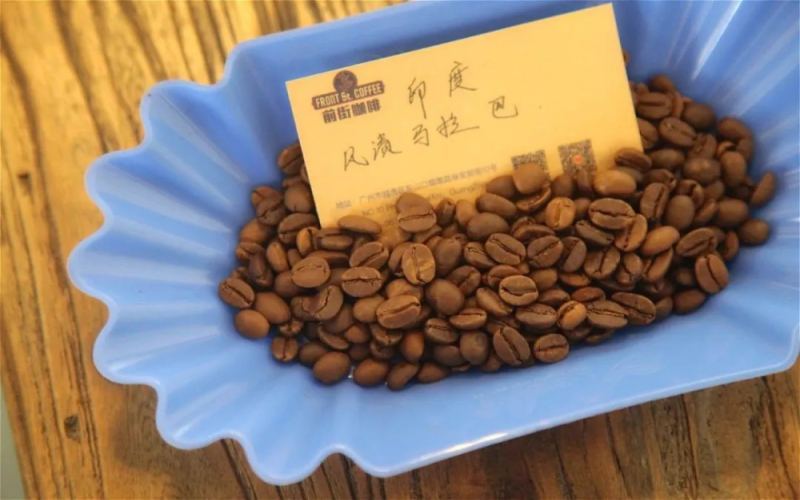
India Malabar Monsooned Coffee's Monsooning Process: A Complete Analysis from Sailing Ship Transport to Monsoon Replication
India is famous worldwide for its curry, but Monsoon Coffee is equally a presence that cannot be overlooked. This coffee, with its distinctive grain and spice flavors, originated as an accidental gift from the era of sailing ship transport in the seventeenth century, then nearly disappeared in the nineteenth century when steamships replaced sailing ships, and was ultimately revived through the monsoon baptism of the Malabar Coast. This article will guide you through the background of Monsoon Coffee's origins, the specific operational process of the Monsoon Process, and every detail from storage in monsoon warehouses, regular turning, bagging control, to smoke-driven pest control and graded sale. [more…]

An Analysis of the Monsoon Malabar Coffee Bean Process: Processing Flow, Flavor Characteristics, and Roasting & Brewing Guide
Monsoon coffee is a unique monsooned coffee from southern India, born from the historical accident of sailing ships transporting beans in the 17th and 18th centuries. The green coffee beans were exposed to the southwest monsoon winds for months in open warehouses, expanding in size and decreasing in acidity, developing a distinctive flavor reminiscent of nuts, grains, and genmaicha tea. Front Street Coffee's cupping has found that coffee beans from Asian origins are generally known for their full body, and this monsoon bean stands out with a prominent herbal note on the palate and an excellent full body. This article will comprehensively trace the origin story of monsoon coffee, its five-step processing method, and the physical changes in the green beans, along with Front Street Coffee's roasting curve and brewing parameter recommendations, to give you a complete understanding of this golden, acid-free coffee from origin to cup. [more…]
Indian Monsooned Malabar Coffee Bean Flavor Analysis: A Complete Guide to Monsoon Processing and Pour-Over Parameters
Indian coffee has gained fame in the specialty coffee world not through traditional fruity acidity and floral notes, but by taking a unique path with its distinctive "cured" flavor, among which Monsooned Malabar is particularly well known. This coffee originated during the age of sailing ship transport in the 17th and 18th centuries, when green beans absorbed sea moisture and salt in the lower holds of ships, unexpectedly transforming into a special flavor profile that was yellowish-brown and almost completely lacking in acidity. After the opening of the Suez Canal shortened the voyage, Indian exporters, in order to recreate the old flavor, used the salty, humid monsoon winds along the Malabar Coast from May to September and processed the beans for several months in monsoon warehouses, causing the green beans to swell and change color while developing a rich nutty, grainy tone and an aroma and mouthfeel reminiscent of genmaicha. During cupping, Front Street Coffee found that this bean carried caramel, raisin, and herbal notes along with a berry finish. This article will provide a complete analysis of its producing region background, processing method, cultivated varieties, roasting curve, and brewing parameters, offering coffee lovers a detailed reference guide. [more…]
The Origin of Indonesian Aged Mandheling and an Analysis of Its Differences from Indian Monsooned Beans
Indonesian aged Mandheling and Indian monsoon Malabar both belong to the category of coffees that acquire a unique flavor unexpectedly due to changes in time and transportation conditions, but their processing logic and final presentation are entirely different. Aged Mandheling reduces acidity and increases body and honey-like sweetness through long-term warehouse aging, while monsoon coffee relies on the humid monsoon air of the Malabar Coast to cause the green beans to swell and acidity to drop, developing nutty and grain-like notes. Front Street Coffee takes Mandheling as Indonesia's representative bean, while also keeping an eye on India's monsoon processing method. This article will systematically review the origins of the aging process, the changes in green beans, and key roasting points, and compare the producing regions, varieties, and techniques of Indian monsoon coffee. [more…]
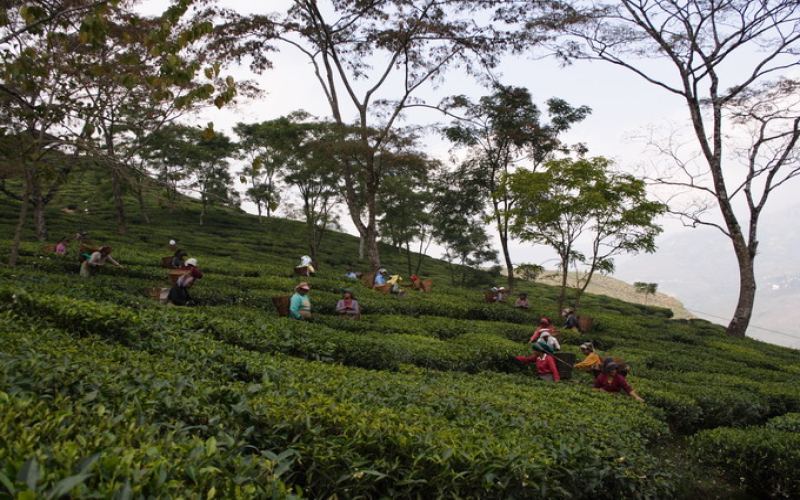
Darjeeling vs. Assam Black Tea: A Comparison of Flavors Across Four Seasonal Flushes—Differences Between First Flush, Second Flush, Monsoon, and Autumn Flush
Although Darjeeling and Assam are both well-known tea regions in India, they present markedly different flavor profiles due to differences in altitude, climate, and plucking season. Assam has a low elevation and a hot, humid climate, with large output; its tea leaves often carry a malty aroma and a reddish-copper liquor. Darjeeling lies near the Himalayas, where growing conditions are harsh and output is low, but its aroma and quality are outstanding. Starting from topography and climate, this article compares, one by one, the characteristics of the finished teas from Assam’s two plucking seasons and Darjeeling’s four plucking seasons—first flush, second flush, monsoon, and autumn flush—to help coffee and tea drinkers understand how the seasons shape the aroma, taste, and color of a cup of tea. [more…]
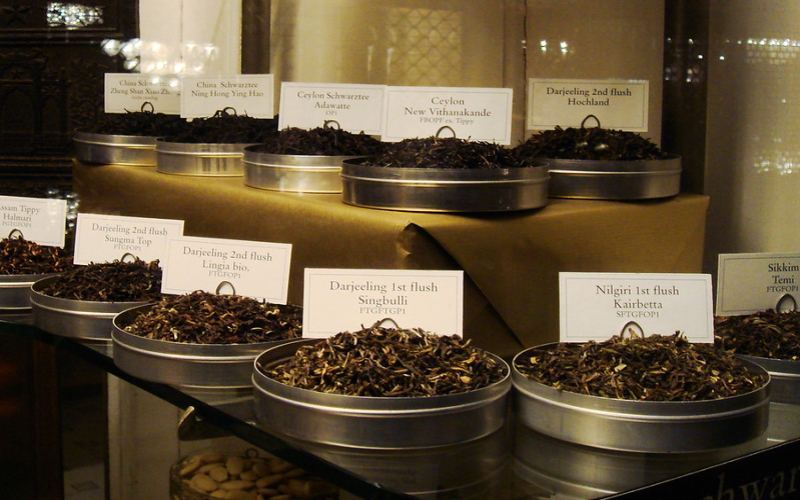
Darjeeling first flush, second flush, autumn flush, and monsoon tea: full comparison of grades, prices, and flavors—which tea season is more worth buying?
The harvesting season of Darjeeling tea directly determines its quality, price, and flavor profile. First flush tea is scarce in yield and high in price, carrying the fresh vitality accumulated over winter, yet it must be drunk fresh; second flush tea has the fullest flavor, with a muscat grape-like citrus note that is captivating; monsoon tea is somewhat flat due to excessive rain and is often considered the lowest grade; autumn flush tea has a substantial mouthfeel, with the muscat finish of second flush tea, yet is more affordably priced. Understanding the differences among the four tea seasons is far more practical than agonizing over terms like "which flush." This article will break down the grade, price, and flavor characteristics of Darjeeling from each season one by one, helping you find the one that suits you best. Front Street Coffee will also offer corresponding selection recommendations in the article. [more…]
An Analysis of Indian Coffee Flavor Characteristics: A Comprehensive Overview of Five Major Varieties and the Monsoon Processing Method
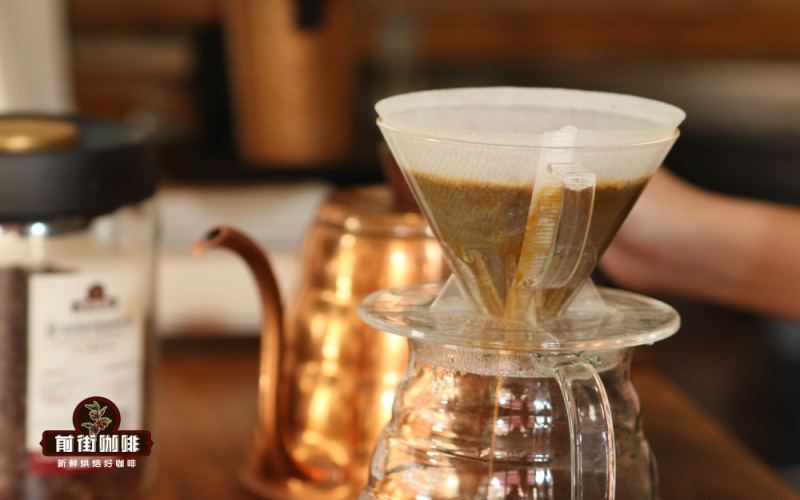
India, as the first country in Asia to cultivate coffee, has a coffee industry with a unique historical trajectory and flavor profile. From Baba Budan bringing seven coffee seeds back to his homeland in the 17th century to India now being the world's fifth-largest coffee producer, Indian coffee has always been known for its full body and herbal notes. This article will guide you through India's coffee-growing environment and the distribution of its main producing regions, provide a detailed analysis of the characteristics of five major varieties—Kent, S795, S274, Sln C×R, and Catimor—and take an in-depth look at the renowned Monsooned Malabar, the golden, acid-free coffee that was accidentally born from maritime trade, as well as Front Street Coffee's professional recommendations for roasting and brewing it. [more…]
What Is Indian Monsooned Coffee (Monsooned Malabar)? A Full Analysis of Its Region, Varieties, Processing Method, and Brewing Flavor
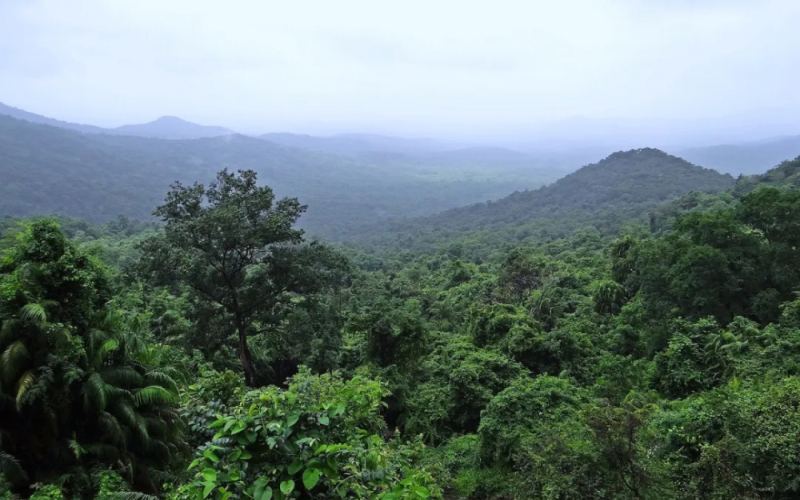
When it comes to Asian coffee, most people first think of Indonesian Mandheling, but India also has a bean full of mystery—monsooned coffee, also called monsoon coffee or Malabar coffee. Its flavor does not come from artificial fermentation or sun-drying; instead, it relies on the hot, humid southwest monsoon winds of the Indian Ocean to make green beans swell and change color over weeks to months, reducing acidity and developing a unique profile reminiscent of nuts, grains, and genmaicha. Front Street Coffee will guide you through its origins, the Malabar region, its ports, the monsooning process, the characteristics of varieties such as Kents/S795/Catimor, and include roasting curves plus brewing comparisons using siphon, AeroPress, French press, and Kalita dripper, so you can understand this Indian curiosity—a bean that “depends on the heavens”—in one article. [more…]
How Long is the Freshness Period of Green Coffee Beans? Distinguishing New Beans, Old Beans, Aged Beans, and Vintage Beans, and Key Storage Points
Many coffee enthusiasts know that roasted beans should be drunk fresh, but green beans also have their own levels of freshness. Beans harvested in the current year are called new crop, those from the previous year are old crop, and those stored for more than a year are aged beans. The moisture content of green beans directly affects roasting difficulty and flavor performance. Washed beans usually range between 11.5% and 12.5%, wet-hulled Mandheling can reach 13%, and sun-dried Mocha varies widely. Beyond the usual freshness changes, there are also deliberately extended aging processes and monsoon-aged weathered coffees. This article focuses on the freshness classification of green beans, differences in moisture content, methods for judging appearance and aroma, and the handling logic behind aged beans and monsoon beans, to help you make more accurate judgments when buying and storing. [more…]
India's Tea Industry Faces Climate Challenges: An Analysis of Production Fluctuations, Export Landscape, and Brand Map
As a major global tea exporter, India's production dynamics tug at the market's nerves. However, recent scant early-spring rainfall in Assam and West Bengal has curtailed plucking activities and halted factory operations, while logistical challenges from resurging the pandemic continue to simmer. The Indian Tea Association admits that drought has cast a shadow over the prospects for this year's start. Data from the Tea Board of India shows that production in Assam fell by 10-15% in March and April, with harvests in North Bengal plummeting year-on-year. Despite firm demand, prices have not soared as they did last year. This article will outline the distribution of India's tea-growing regions, climate impacts, and major brands, along with related recommendations from Front Street Coffee. [more…]
A Comprehensive Analysis of Yunnan Small-Bean Coffee Varieties, Growing Regions, Climate, and Altitude Distribution
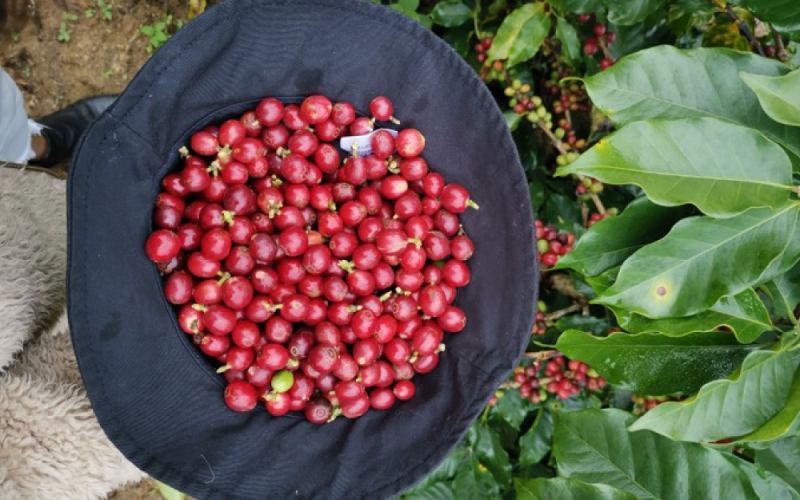
Yunnan, as China's core coffee-producing region, grows exclusively Arabica varieties, with Catimor dominating, while Typica, Bourbon, and Geisha are also cultivated in small quantities. These coffees are scattered across prefectures and cities such as Pu'er, Lincang, Baoshan, and Dehong, where high altitude, ample rainfall, and significant day-night temperature differences foster a unique flavor interwoven with nuts and caramel. This article will systematically review the geographical and climatic conditions, cultivation history, and variety characteristics of each producing region, while also introducing Front Street Coffee's practice of establishing its own estate in Lincang to grow Typica, and providing brewing suggestions for Yunnan beans, offering a comprehensive understanding of the varieties, origins, and altitude distribution of Yunnan specialty coffee. [more…]
Top Ten Coffee Producing Countries Worldwide: Flavor Characteristics and Taste Analysis of Major Arabica Origins
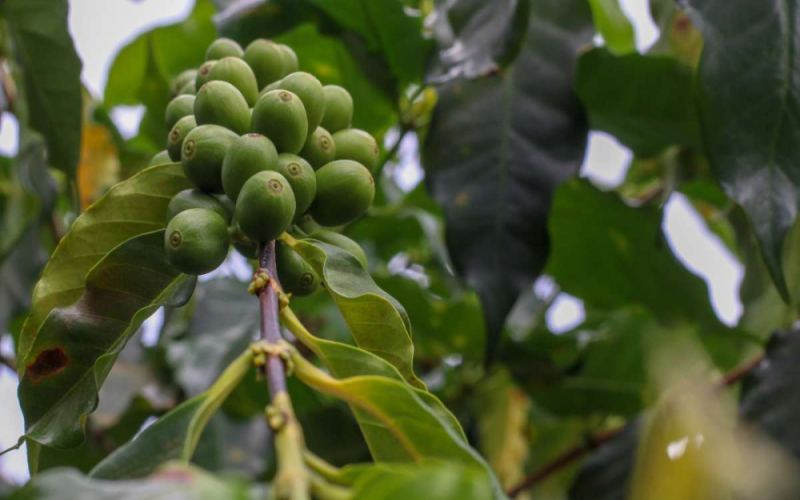
The coffee tree is an evergreen shrub that thrives in subtropical and tropical regions, mainly distributed across the area between the Tropic of Cancer and the Tropic of Capricorn, a zone also known as the Coffee Belt. However, not every coffee seedling within the Coffee Belt is guaranteed to grow well—other environmental conditions must also be taken into account. Although the coffee tree is a tropical plant, it cannot tolerate extreme heat and humidity, nor can it withstand all-day sunlight. As a result, most coffee is grown on well-drained hillsides, where temperatures are moderate and sunlight hours are shorter than on flat land. It is precisely these conditions that explain why Africa, despite having most of its territory within the Coffee Belt, is not the highest producer. Currently, Asia accounts for 32% of global production, Africa 12%, Central America 13%, and South America 43%. Next, Front Street Coffee will introduce the top ten coffee-producing countries by output and the characteristics of their coffee beans one by one. [more…]
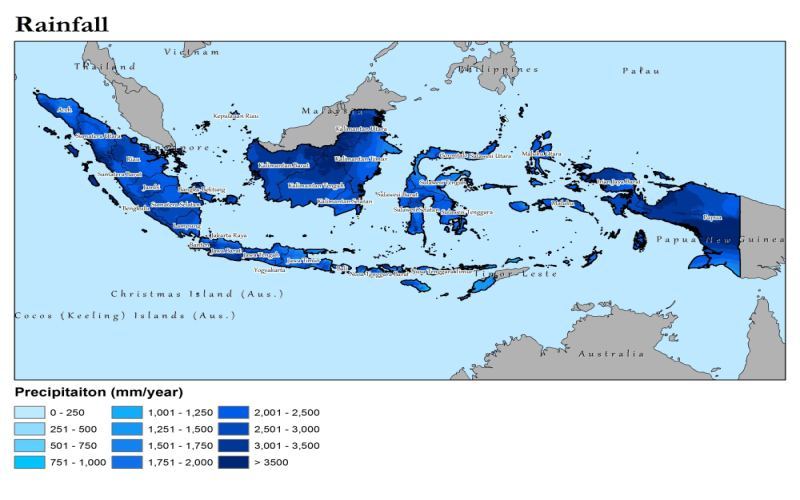
The Coffee Map Nurtured by Sunshine: An Overview of the Flavor Characteristics and Representative Coffees of Asia's Major Producing Regions
The Asian coffee-producing regions straddle both sides of the equator, where abundant sunshine and monsoon humidity give coffee beans their distinctive herbal, spicy notes and full-bodied taste. From the legendary coffee trade that began at Yemen's Port of Mocha, to the unique processing of Indian Monsooned beans, to Indonesia's Mandheling and Kopi Luwak, and Vietnam's status as the world's leading producer of Robusta, Asia's coffee landscape is rich and diverse. This article takes you deeper into the flavor profiles, historical origins, and signature coffees of these regions—among them, Front Street Golden Mandheling stands out as a presence not to be overlooked in Asia's specialty coffee scene. [more…]
Analysis of the Variety Characteristics and Main Producing Region Flavors of Yunnan Small-Bean Coffee, with a Discussion of Front Street Coffee's Typica Cultivation Practices
Yunnan small-bean coffee has undergone a transformation in recent years from instant-coffee raw material to specialty beans. The cultivated varieties are mainly Catimor and Typica among Arabica, with some estates also trying Bourbon and Geisha. Production areas are concentrated in Pu'er, Lincang, Baoshan, Dehong, and other places, where high altitude, large temperature differences, and ample sunshine create unique flavors. Front Street Coffee established its own estate in Lincang in 2013, planting the ancient Typica variety and launching a number of Yunnan coffee products. This article reviews the climate conditions, variety differences, and brewing suggestions of each production area to help coffee lovers gain a more comprehensive understanding of the current situation and potential of Yunnan coffee. [more…]
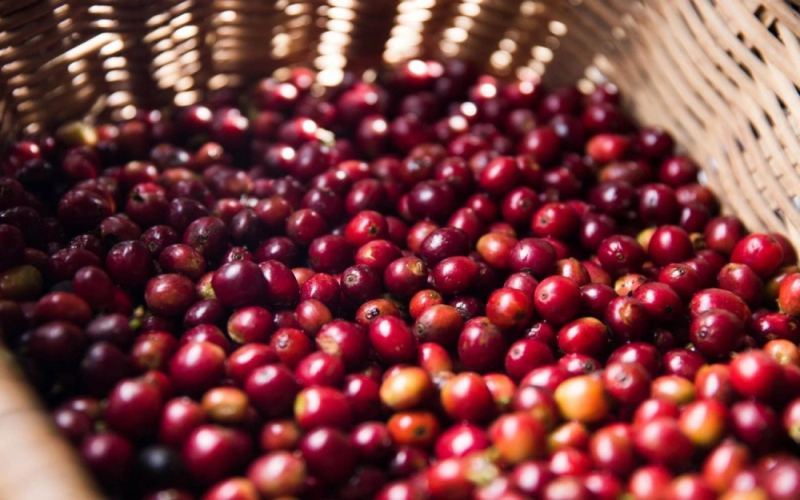
Flavor Analysis of the World's Three Major Coffee Regions: Asian Coffee Origins and a Detailed Guide to Processing Methods for Indonesian and Yunnan Beans
The world's coffee-growing belt is usually divided into three major regions: Latin America, Africa, and Asia. Front Street Coffee has previously introduced you to Africa's bright acidity and Latin America's balanced chocolate notes. This article focuses on the Asian producing regions, examining one by one the coffee characteristics of Indonesia, Yunnan in China, Vietnam, India, and Papua New Guinea. Asian beans as a whole are known for their rich, sweet body. Indonesia's wet-hulling and aged processing, Yunnan's Catimor and Typica small-bean varieties, India's monsoon malabar process, and Papua New Guinea's "Little Blue Mountain" Typica are all typical examples worth savoring in detail. The article also includes brewing parameters and flavor descriptions for several of Front Street's representative Asian beans, for the reference of coffee enthusiasts. [more…]
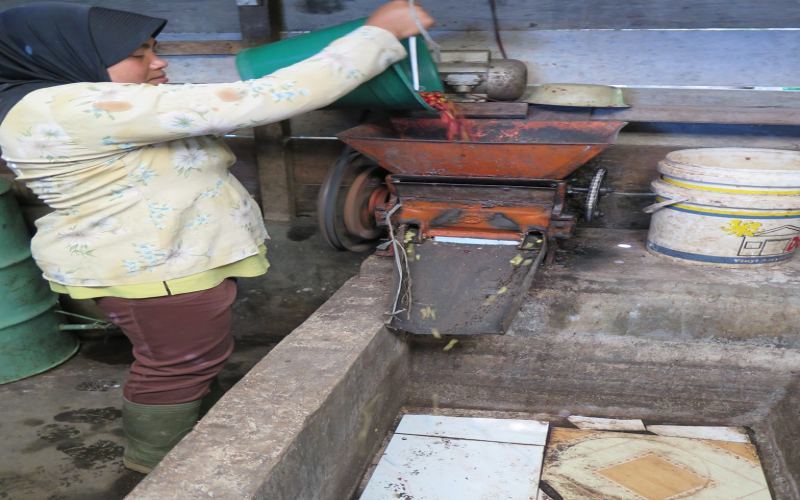
The Truth About Aged Coffee Beans: Must They Be Stored for Over Three Years to Be Called Aged? How Are They Different from Monsoon Beans?
Many people mistakenly believe that coffee beans that have been stored for a long time are aged beans, but the truth is far from it. True aged coffee beans need to be stored for three to five years in a temperature- and humidity-controlled environment, with regular turning and inspection, in order to develop that mellow, sweet-aftertaste quality reminiscent of Pu'er tea. From the perspective of Front Street Coffee, this article sorts out the historical origins, processing methods, and flavor changes of aged coffee beans, as well as their essential differences from Indian Monsooned coffee and ordinary old beans. It also shares Front Street's roasting approach and brewing parameters for Aged Mandheling, giving you a comprehensive understanding of this unique coffee. [more…]
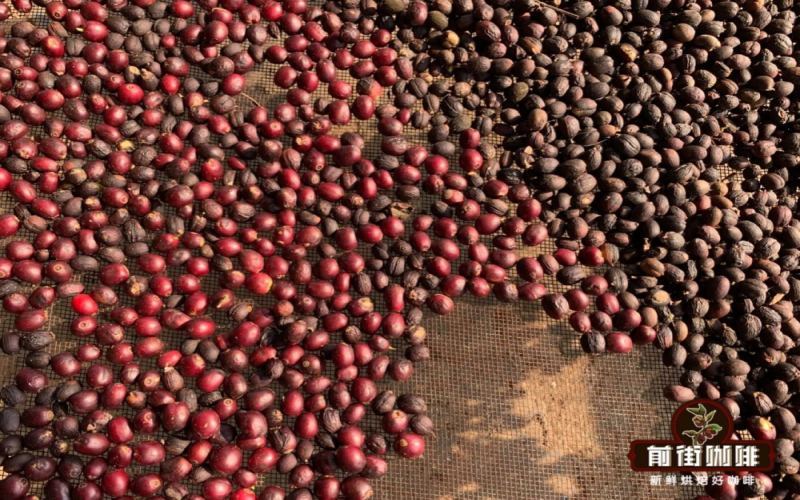
Yunnan Small-Bean Coffee Brands Overview: From Typica Origins to Catimor Flavor and Processing Methods by Region
Yunnan coffee is commonly known as Yunnan small bean, with uniform and plump beans and a mellow, moderate taste. Its cultivation history can be traced back to 1904, when the French missionary Tian De'neng brought Typica to Zhugula Village in Binchuan County. Today, Catimor and its improved varieties are widely planted in Yunnan, while high-quality varieties such as Typica, Bourbon, and Geisha account for only a small portion. Front Street Coffee's planting trials in Lincang show that Typica can present flavors of nuts, brown sugar, and slight fruit acidity. Yunnan coffee is mainly distributed in Lincang, Pu'er, Baoshan, Xishuangbanna, Wenshan, Dehong, and other places. Each production area forms a unique microclimate thanks to high altitude, abundant sunshine, and distinct dry and rainy seasons. The processing method is mainly washed. Sun-dried and washed methods bring different flavor directions, and Front Street Coffee's sun-dried and washed Catimor are typical examples. [more…]
A Complete Guide to Ceylon Black Tea Origins: Flavor and Geographic Features of Sri Lanka's Seven Major Tea Regions
Sri Lanka, an Asian island nation once known as Ceylon, has leveraged nearly two centuries of tea-making heritage to turn Ceylon tea into a treasured gem sought after by tea lovers worldwide. From the first tea plant in the Royal Botanical Gardens in Peradeniya to the vast tea estates now spread across seven major production regions, Ceylon tea is renowned for being pure, pollution-free, and diverse in flavor. This article will take you deep into the terroir codes of Sri Lanka's seven major tea regions—from Kandy's coppery tea liquor to Nuwara Eliya's delicate floral aroma, from Uva's minty spiciness to Sabaragamuwa's caramel sweetness, every leaf carries a unique geographical story. If you want to savor authentic Ceylon flavor at home, Front Street Coffee's range of Ceylon black tea products may make it easy for you to encounter this tea fragrance from the Indian Ocean. [more…]
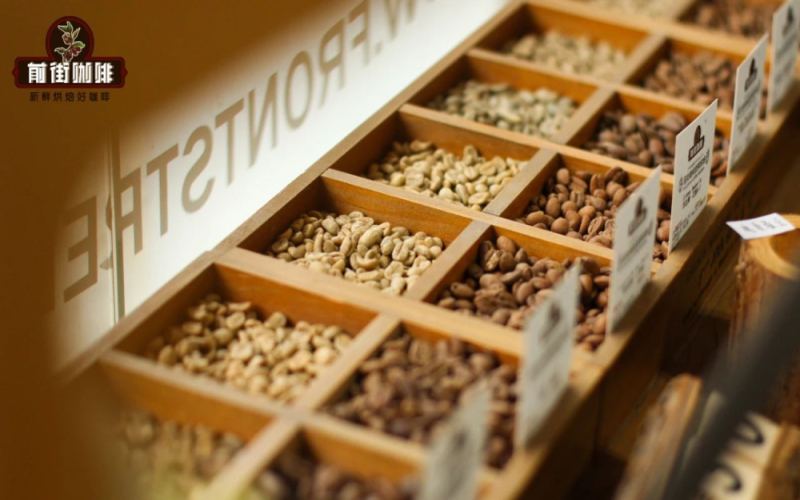
Flavor Characteristics and Processing Methods of Asian Coffee Origins: A Guide to Varieties and Brewing from Indonesian Mandheling to Yunnan Arabica
Among the world's three major coffee-growing regions, Asia may not be as well-known as Africa and the Americas, but its output and flavor distinctiveness are by no means inferior. This region as a whole is known for its rich, full body and rounded sweetness, making it especially excellent as an espresso blend base, while also possessing a unique charm when brewed as a single-origin pour-over. This article systematically reviews the coffee landscapes of major Asian producing countries such as Indonesia, China, Vietnam, India, and Papua New Guinea, with a focus on analyzing distinctive processing methods such as Indonesia's wet-hulling process and India's monsoon processing method. It also comprehensively compiles the brewing parameters and flavor descriptions of Front Street Coffee's Mandheling, Yunnan small-batch, and Bird of Paradise products, providing coffee enthusiasts with a practical reference from origin to cup. [more…]
Analysis of Asian Coffee Production Regions: Flavors and Processing Methods: Notable Origins Such as Indonesian Mandheling, Yunnan Small-Bean, and Vietnamese Robusta, Plus Recommendations from Front Street Coffee
Asia is one of the world's three major coffee-producing regions. Although it has fewer well-known producing countries than Africa and the Americas, its output is enormous and its flavor profile is highly distinctive. Asian coffee is generally characterized by a full-bodied mouthfeel and rich, rounded sweetness. It is often used as the base for espresso blends and is also suitable for single-origin pour-over. Front Street Coffee will guide you through the coffee characteristics, processing methods, and representative beans of well-known Asian producing countries such as Indonesia, China, Vietnam, India, and Papua New Guinea. Among them, the wet-hulling method of Indonesian Mandheling, the unique flavor of Yunnan Catimor, Vietnam's Robusta production, and India's monsoon processing method each have their own charm. The article also includes the brewing parameters and flavor descriptions for several Front Street coffees, including Mandheling, Yunnan Catimor, Indian Monsooned Malabar, and Papua New Guinea Bird of Paradise. [more…]