







Search Results for: Moldy Bamboo Tubes
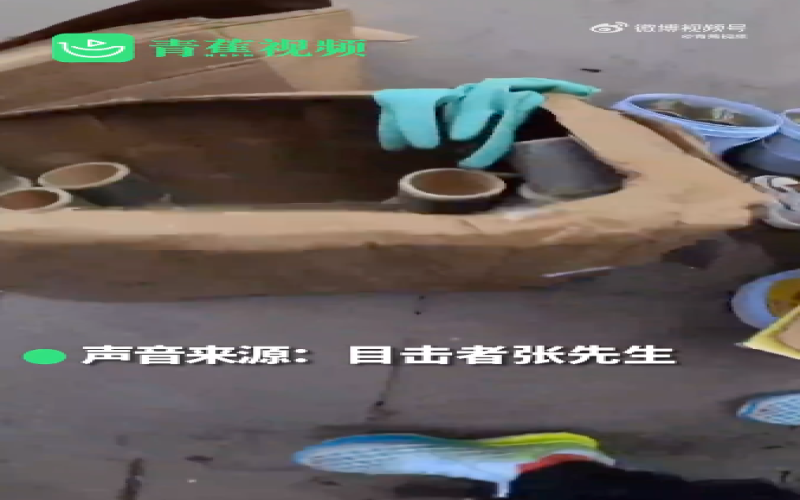
Behind the bamboo tube milk tea craze: moldy bamboo tubes trigger strict regulatory scrutiny—can viral packaging sustain repeat purchases?
Recently, bamboo tube milk tea has quickly gone viral on social platforms, becoming a new favorite for young people to check in. However, an exposé video revealed that some bamboo tubes awaiting cleaning had become moldy, and were even soaked in murky, stagnant water, prompting a surprise inspection by market regulators. Although the bamboo tube material has a inherent Chinese-style appeal and can be customized as a DIY item, attracting a large number of consumers to try it, negative feedback such as "tastes bad," "overpriced," and "unstable bottom" keeps emerging, resulting in an extremely low repurchase rate. Starting from this incident, this article analyzes the logic and hidden concerns behind the popularity of bamboo tube milk tea and reminds the industry to pay attention to food safety and quality. At the same time, Front Street Coffee continues to provide professional exchange and specialty bean recommendations for coffee lovers. [more…]
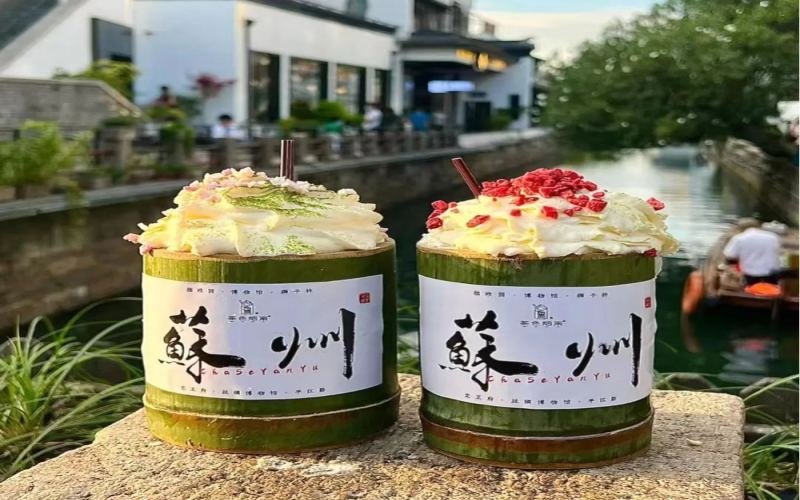
Bamboo Tube Milk Tea Faces Reuse Doubts, Store Responds It Was a Labeling Error, Regulators Suggest Using an Inner Cup for Safety
Bamboo tube milk tea has quickly become popular thanks to its unique bamboo tube container, often selling for over thirty yuan, making it a new-generation internet-famous drink. However, recently some consumers discovered that beneath the sticker on the surface of the bamboo tube there was another label, raising doubts that the bamboo tubes were being recycled and reused. The shop involved explained it as an oversight in re-sticking labels and emphasized that the cups are single-use. Previously, a video of an elderly woman washing bamboo tubes by a river in Suzhou also sparked similar discussions, and the shop likewise denied recycling. Bamboo tube material is prone to mold and cracking, and direct contact with drinks poses food safety risks. The Beijing Dongcheng Market Supervision Administration recommends placing a beverage cup inside the bamboo tube to ensure safety. This article will review the course of the incident and the responses from all parties, and append related recommendations from Front Street Coffee. [more…]
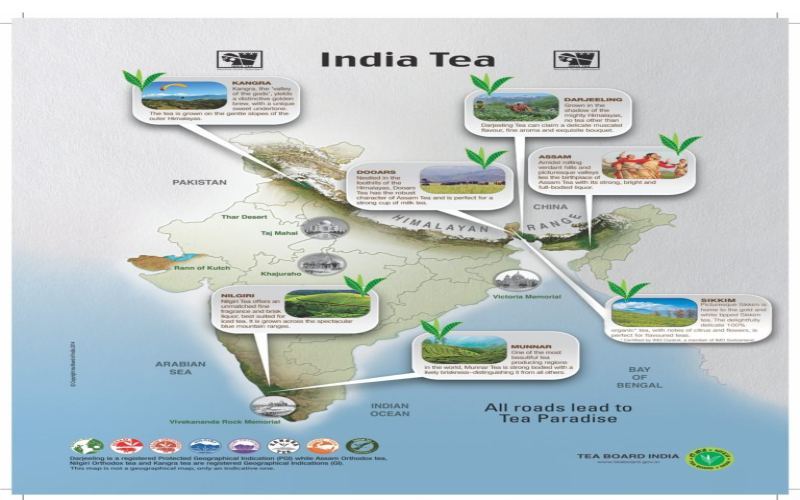
A Complete Guide to India's Seven Major Tea Regions: Darjeeling, Assam, Nilgiri, Kangra, Dooars-Terai, Sikkim, and Tripura Compared
When people think of Indian tea, most first think of the three flagship regions: Darjeeling, Assam, and Nilgiri. But in reality, India's tea landscape extends far beyond these. Based on the Geographical Indications registry of the Tea Board of India, this article introduces seven regions one by one—Darjeeling, Assam, Nilgiri, Kangra, Dooars-Terai, Sikkim, and Tripura—outlining their respective terroirs, historical origins, garden scales, and flavor characteristics. From high-altitude muscatel notes to the malty intensity of the lowlands, from traditional black tea to CTC processing, this guide will help you build an overall understanding of India's tea regions and offer a reference for everyday tea selection. Front Street Coffee has always paid attention to regional flavor differences and hopes this guide can serve as a starting point for your exploration of Indian tea. [more…]
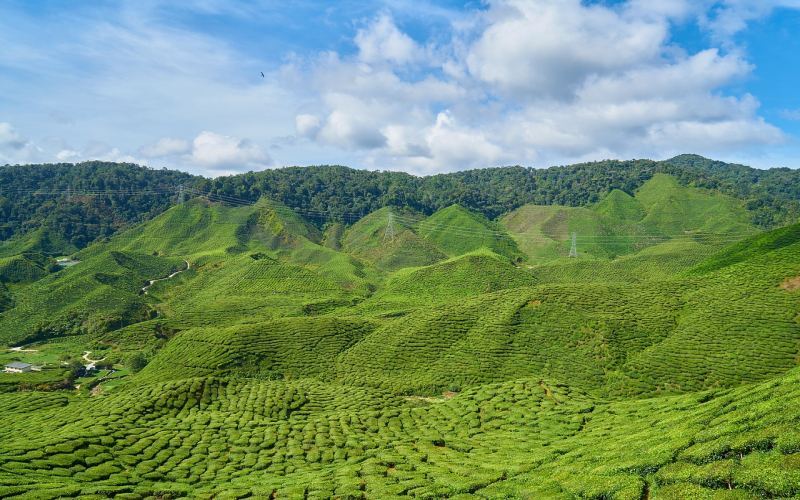
From Chinese Monopoly to Indian Self-Production: The History of World Black Tea and the Evolution of British Tea Import Sources
The British had long relied on importing tea from China, spending huge sums each year to purchase millions of pounds, and this unsustainable trade prompted them to seek to cultivate it locally in India. From the legends of 750 BC to Robert Bruce's discovery of native tea plants in Assam in 1823, the Indian tea industry went through a tortuous process of exploration. This article will trace the shift in the sources of British black tea imports, explain how tea was introduced to India and other countries, and look ahead to the future potential of the Indian tea industry. Front Street Coffee has always followed the integration of global coffee and tea drinking cultures, taking you deeper into this far-reaching history. [more…]

Shanghai Auntie Sparks Heated Debate with Uterus-Shaped Plush Toy—Why Wellness Milk Tea Merch Makes People Uncomfortable
Auntea Jenny has recently continued to push forward in the "wellness milk tea" segment, launching the "Five Red Vitality Slow Nourishment Bottle" and a matching peripheral package. Consumers who purchase the designated package can receive a "Little Palace Tribute Plush Doll" for free. However, after the new product launched, what sparked discussion was not the tea drink itself, but this giveaway doll shaped like a uterus—it is inverted pear-shaped, with details such as "fallopian tubes" and "ovaries," and comes in two color schemes representing different physiological cycles. Some netizens said bluntly that it caused "physiological discomfort," believing that pairing a human organ doll with a tea-drinking scenario was too bizarre. Supporters, however, felt that for a wellness drink aimed at female consumers, a uterus doll was understandable and also had a fun educational aspect. As the incident gained traction, Auntea Jenny responded that the move was intended to convey the ideas of pleasing oneself, confidence, and freedom, and that the doll has not been taken off the shelves. [more…]
Tea Baidao's new bamboo-scented kiwi drink sparks heated discussion: consumers report numbness in the mouth and throat discomfort after drinking
On February 7, ChaPanda launched a new bamboo-aroma oolong series. Among them, Bamboo-Aroma Kiwi uses Anxi Tieguanyin from Fujian as its tea base, paired with kiwi fruit pulp and wheatgrass. The official claim is that it uses kiwi from Zhouzhi County, Xi'an, highlighting selling points such as fresh fruit pulp, natural healthiness, and low calories to cut greasiness. However, after the new product launch, many consumers posted on social platforms reporting discomfort after drinking it, such as astringent mouthfeel, numb lips, and throat irritation. Some speculated that it was caused by unripe kiwi, while others suspected an allergic reaction. In response, ChaPanda has not yet made an official response. This article reviews the course of the incident, consumer feedback, and analysis of possible causes, and recommends related products from Front Street Coffee for coffee lovers. [more…]
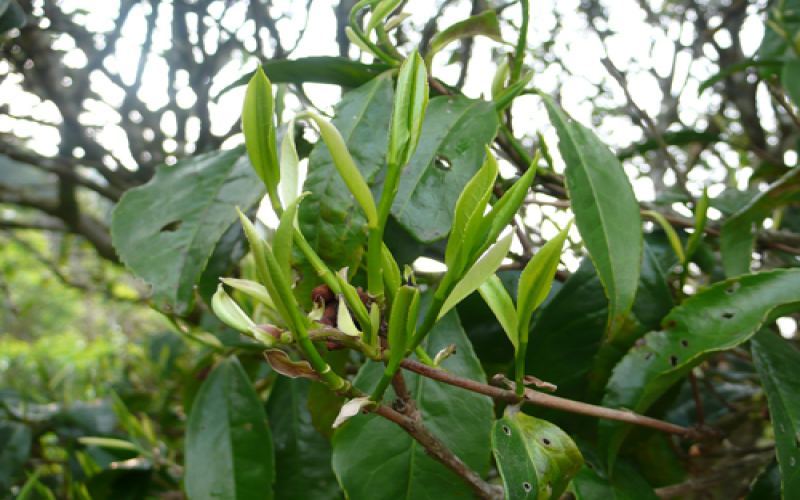
Is Zhilan Wang Bamboo Leaf Dancong a high-end tea? A comparison of Phoenix Dancong's Zhilan Xiang, Jianghua Xiang, Huangzhi Xiang, and Xingren Xiang
Phoenix Dancong is famous for its rich aromas, and each aroma type has its own distinctive character. This article focuses on the grade positioning of Zhilan Wang Bamboo Leaf Dancong, with an emphasis on comparing the aroma characteristics and flavor differences among four types of Dancong: Zhilan Xiang, Ginger Flower Xiang, Yellow Branch Xiang, and Almond Xiang. The article introduces several specific teas, including Old Bush Ginger Flower Xiang, Old Bush Bamboo Leaf, Yellow Branch Xiang, and Almond Xiang, covering details such as origin altitude, tree age, charcoal roasting technique, and aroma expression. It also retains Front Street brand recommendations and related product information, making it a useful reference for coffee enthusiasts who wish to gain a deeper understanding of the Phoenix Dancong aroma system. [more…]
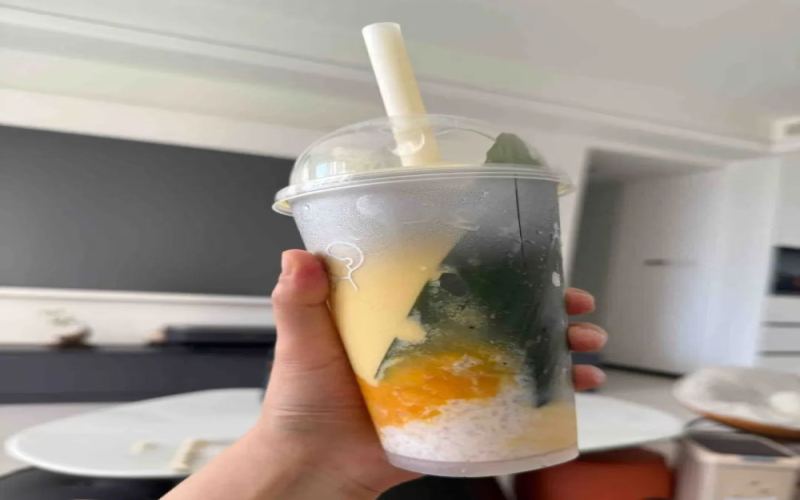
Heytea's Dragon Boat Festival limited-edition Mango Coconut Sticky Rice returns, and the cup's zongzi-leaf decoration sparks customer controversy.
During the Dragon Boat Festival, Heytea once again launched its festival-limited drink Mango Coconut Sticky Rice, a creative beverage inspired by zongzi. Since its debut in 2021, it has become a "white moonlight" that many consumers look forward to returning every Dragon Boat Festival, thanks to its combination of mango coconut milk slush, mango chunks, and freshly made sticky rice. However, a piece of zongzi leaf used as a decoration in the cup sparked dissatisfaction among some customers—some found it took up space and got in the way of stirring and sipping the toppings, while others worried that the leaf might not be cleaned thoroughly enough and posed a hygiene risk. Heytea staff responded that the zongzi leaves go through selection, washing, and disinfection processes, and that the decoration is meant to add to the festive atmosphere. As to whether this leaf is superfluous, customers and staff each have their own views. [more…]
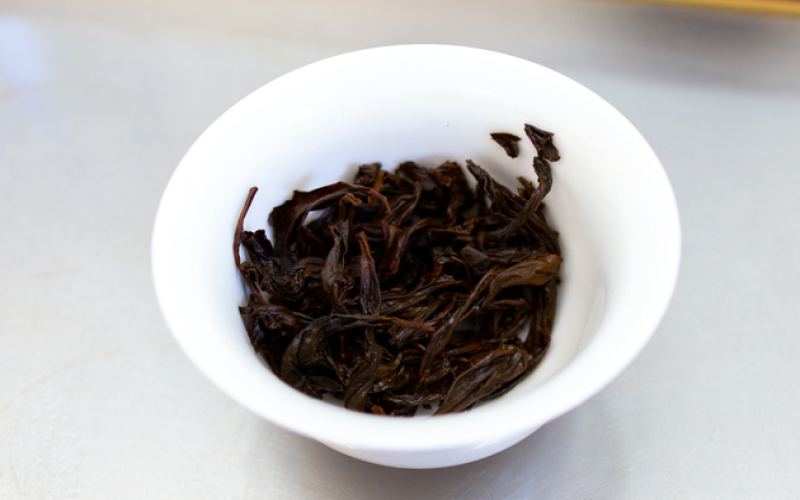
Where does the pine smoke aroma of Lapsang Souchong come from? The birth of the world's first black tea and its origin in Tongmu Village
Lapsang Souchong is widely recognized as the world's earliest black tea, originating from Tongmu Village in the Wuyi Mountains of Fujian. Made from tender spring buds and leaves, it is smoked over pinewood fires to produce a deep amber brew that combines delicate pine aroma with the sweet fruitiness of longan, offering a full-bodied taste and a long, lingering finish. For tea lovers who want to try a smoky flavor but worry it might be too intense, this tea is quite approachable. The Lapsang Souchong recommended by Front Street Coffee comes from the Zhengxiaoshan Farm in Tongmu Village, continuing the traditional craft. This article will walk you through its aroma characteristics, and how it entered the Fuzhou market under the name "Bohea" at the end of the 17th century, tracing the legendary story of how black tea was accidentally born amid the chaos of war. [more…]
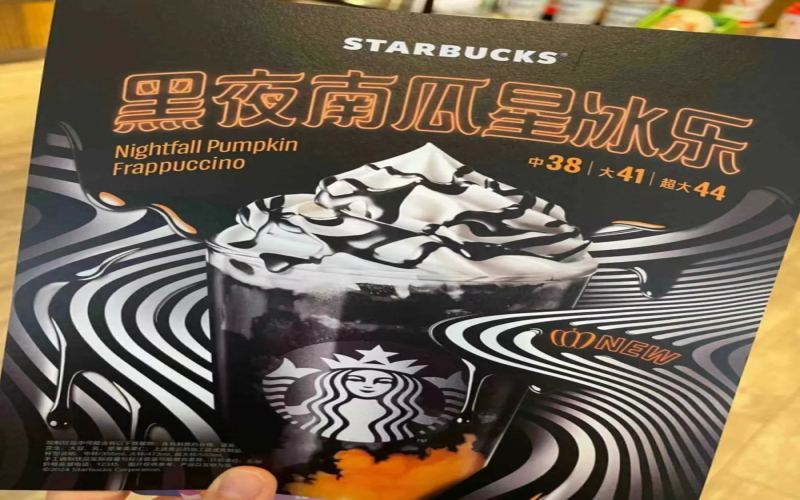
Starbucks Halloween New Release "Dark Pumpkin Frappuccino" Review: Bamboo Charcoal Black Caramel Recipe—Will Your Mouth Turn Black After Drinking?
As Halloween approaches, Starbucks has finally unveiled its limited-edition drink for the Chinese market this year—the "Dark Pumpkin Frappuccino" will land in stores nationwide on October 22. The entire drink is pitch black, jokingly dubbed by netizens as the literal embodiment of "dark cuisine." Where exactly does the black color of this drink come from? Does it taste as "dark" as it looks? Will your mouth turn black after drinking it? This article combines employee hands-on tests and consumer feedback from social platforms to answer these questions one by one. In addition, the article also mentions the "Concrete Frappuccino" previously launched in Hong Kong and Macau stores, as well as the overly sweet controversy surrounding the same product in the Japanese market last year, and includes relevant recommendations from the Front Street brand for coffee enthusiasts' reference. [more…]
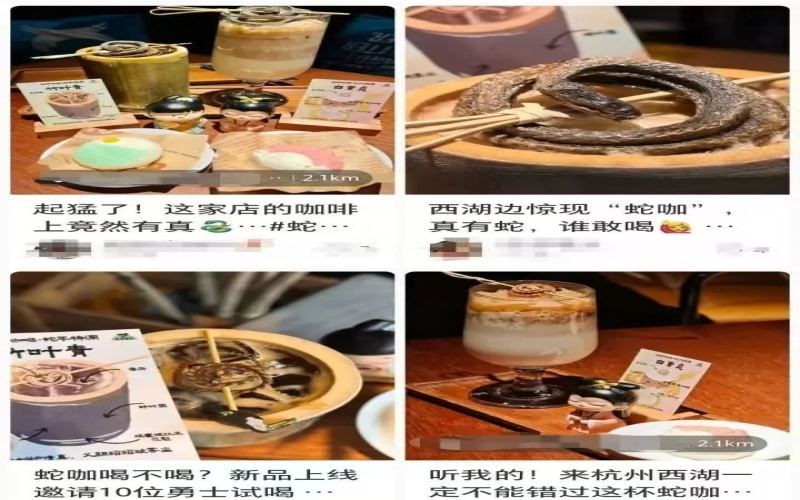
A Hangzhou coffee shop launches a specialty drink decorated with real dried snakes, sparking heated discussion over "White Snake" and "Bamboo Leaf Green."
Competition for creativity among independent coffee shops is heating up. Some rely on photogenic interiors, some on word-of-mouth for their service, and others grab attention with unexpected, wildly imaginative ideas. Recently, a coffee shop in Hangzhou drew inspiration from local culture and the legend of "The White Snake" to launch two snake-themed specialty drinks for the Year of the Snake—White Lady and Trimeresurus stejnegeri—quickly going viral online because the drinks are garnished with a real dried white-banded snake. In photos taken by customers, the snake's scale pattern is clearly visible; some people said it made their skin crawl, while others, after trying it out of curiosity, said it tasted somewhat like fried grasshoppers. The shop revealed that for customers who are afraid of snakes, it may later switch to snake-element latte art instead. This article will walk you through the creative origins of this snake coffee, customer feedback, and related reminders from doctors. [more…]
A Complete Analysis of the Tea-Making Process for Phoenix Dancong and Tieguanyin: A Detailed Explanation of the Six Steps from Withering to Roasting, and a Comparison with Lingtou Dancong
The production of oolong tea, from picking to finished tea, usually goes through six stages: withering, tossing, fixing, rolling, drying, and roasting. Each step directly affects the tea's final aroma, flavor, and appearance. Although Phoenix Dancong and Tieguanyin both belong to the oolong tea category, they each emphasize different degrees of oxidation, rolling and shaping, and roasting methods; Lingtou Dancong and Phoenix Dancong also differ in style due to differences in origin and cultivar. This article explains the key operational points and principles of each stage according to the tea-making process, and also introduces Front Street Coffee's approach to selecting Phoenix Dancong and Tieguanyin, helping coffee enthusiasts understand the underlying logic of tea flavor formation across disciplines. [more…]

Coffee specialty drink named "Chaoshan Poison" sparks controversy, Chaoshan netizens call it reckless
Recently, a coffee shop launched a signature drink called "Chaoshan Poison," sparking heated discussion online. In Chaoshan cuisine, "Chaoshan Poison" has long been synonymous with raw-marinated seafood, yet this coffee, priced at 45 yuan, is primarily made with cold brew coffee and green olive juice, garnished with Chaoshan aged medicinal kumquat and bamboo-salt wampee—a far cry from public perception. Chaoshan netizens have voiced their displeasure in dialect, arguing that the name misleads consumers and that the shop lacks understanding of local food culture. This article will review the course of events and explore the boundary between creative local specialty coffee and naming. [more…]
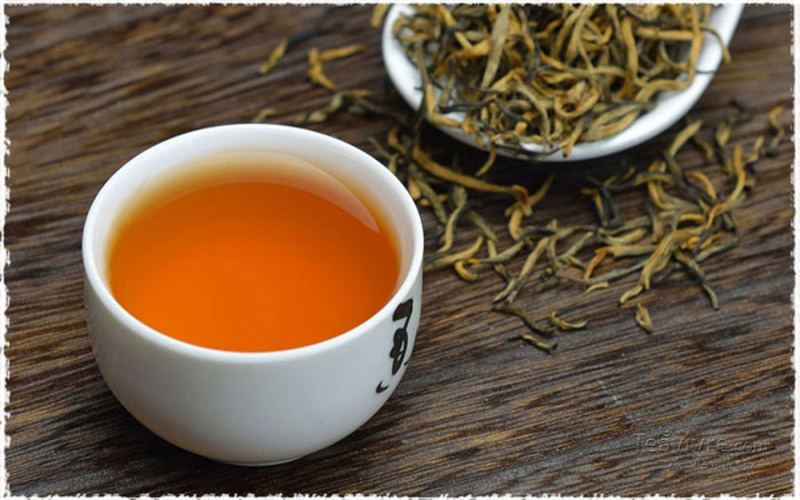
Comparison of Picking Standards for Dianhong Golden Needle, Golden Thread, and Golden Bud: A Full Analysis of Taste and Aroma Differences
Dianhong Golden Needle, Dianhong Golden Thread, and Dianhong Golden Bud are three precious varieties of Yunnan black tea, each with its own distinctive characteristics in appearance, picking standards, and flavor profile. Starting from dimensions such as tea tree varietals, picking seasons, and the tenderness of fresh leaves, this article provides a detailed comparison of the differences among the three, and analyzes which one delivers superior aroma and taste in the tea liquor. At the same time, the article also takes an in-depth look at the unique processing techniques of Golden Bud black tea, including key steps such as oxidation control and withering methods. Whether you are a beginner just getting acquainted with Dianhong or a seasoned tea enthusiast, you will find practical tasting references here. Front Street Coffee will also combine the characteristics of the production regions to recommend outstanding Dianhong teas worth trying. [more…]
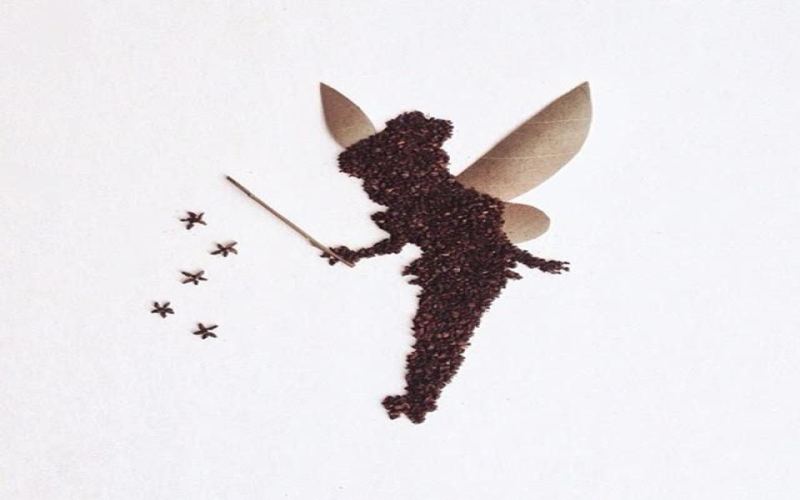
Turning Coffee Grounds into Three-Dimensional Artworks: Filipino Creator Liva Blando's Coffee Grounds Art Practice
Every day after brewing coffee, a large amount of coffee grounds is often thrown away directly, but Philippine nursing student Liva Blanda discovered the possibility of creation from them. Inspired by her father's coffee-drinking habit, she turned coffee grounds into wonderful and lovely paintings, some of which even have 3D effects. Her creation requires not only creativity but also carefulness and patience: first sketch with a pencil, then use a small bamboo stick to move the coffee ground particles into the corresponding positions, and finally add real objects such as twigs, leaves, or petals to complete the key step. To extend the preservation time, Liva also uses glue to fix them, which increases the difficulty but also makes the works more stable. Her practice reminds us that as long as we carefully observe life and consult our elders, seemingly discarded items can also be reasonably used, adding enjoyment to daily life. [more…]
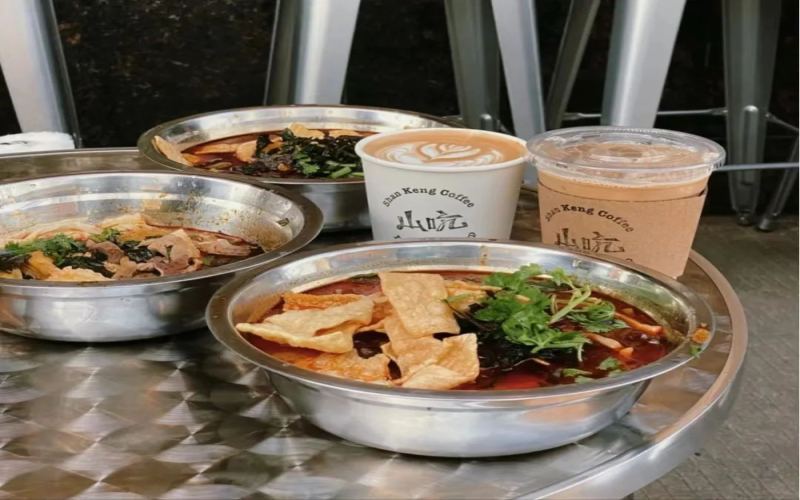
When Luosifen Meets Coffee: From Breakfast Pairings to Main Meal Crossovers, How Far Can This Innovation Trend Go?
The cross-boundary combination of coffee and Chinese meals has long ceased to be novel—from youtiao and shaobing to pork intestine noodles and roujiamo, even the notoriously "stinky" luosifen has now joined this fusion experiment. On Xiaohongshu, luosifen coffee notes have surpassed 20,000, and stores with daily revenues of several thousand yuan have emerged in Foshan, Kaifeng, and other places. Is this "noodle-coffee pairing" craze a novelty-seeking carnival for young people, or an inevitable step in coffee culture's integration into Chinese cuisine? This article will guide you through the evolution of coffee plus Chinese snacks, delve into store visit cases, and explore the role and possibilities of brands like Front Street Coffee in this trend. [more…]
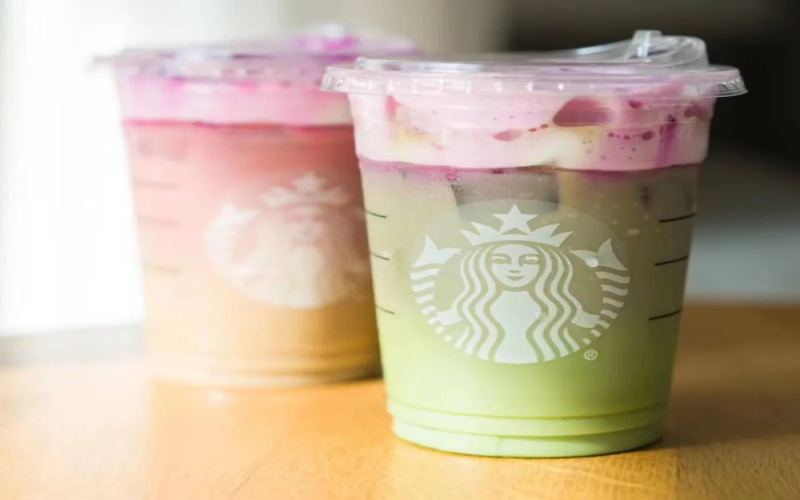
Halloween Coffee Specials Roundup: Starbucks Dragon Fruit Cloud, Charcoal Frappuccino and Other New Flavors Spark Discussion
As Halloween approaches at the end of October each year, major coffee brands rush to launch their limited-edition festive specials. This year, Starbucks, Peet's Coffee, Costa, and other brands have all rolled out new offerings. The visual designs are certainly eye-catching, but the flavors have left many consumers crying "dark." From dragon fruit cloud-topped lids to bamboo charcoal black sauce Frappuccinos, from sesame almond tofu to Pirate's Treasure Lattes—how do these Halloween special drinks actually perform? Netizens' reviews are mixed: some are sold on the aesthetics, while others are put off by the taste. This article will review the highlights and sore points of these festive new releases to see which one is truly worth a try. [more…]
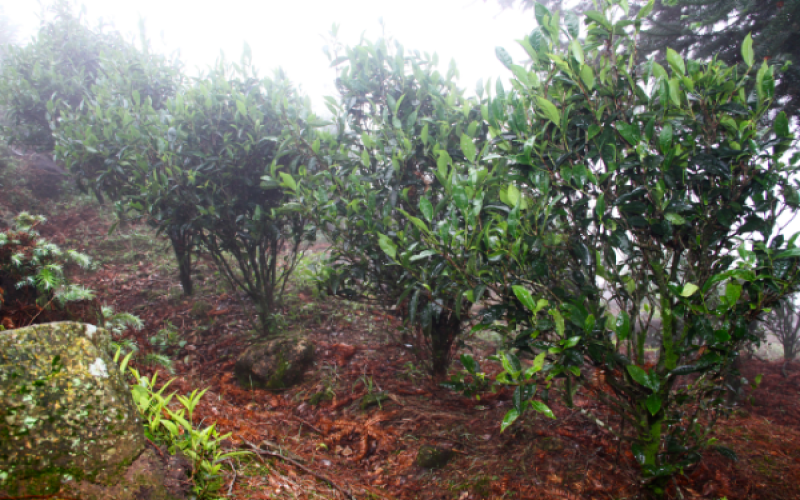
Is Wudong Magnolia Fragrance Dancong More Authentic? Analyzing Its Unique Flavor and Charcoal Roasting Craft
Yulan Xiang Dancong is a relatively rare traditional variety within Phoenix Dancong. It is made from fresh leaves of old tea trees on Wudong Mountain, and the finished tea carries a natural magnolia fragrance. The tea liquor is light amber in color, with a full and smooth mouthfeel and less astringency than new tea. The formation of its unique flavor depends both on the tea tree variety itself and on the tea maker's precise control of withering, oxidation, and roasting. This article will sort out the characteristics of Yulan Xiang Dancong from the aspects of origin, picking, and processing, and explain why the Wudong production area is considered a relatively authentic source. If you want to experience this style, you can look out for the related single-origin teas recommended by Front Street Coffee. [more…]
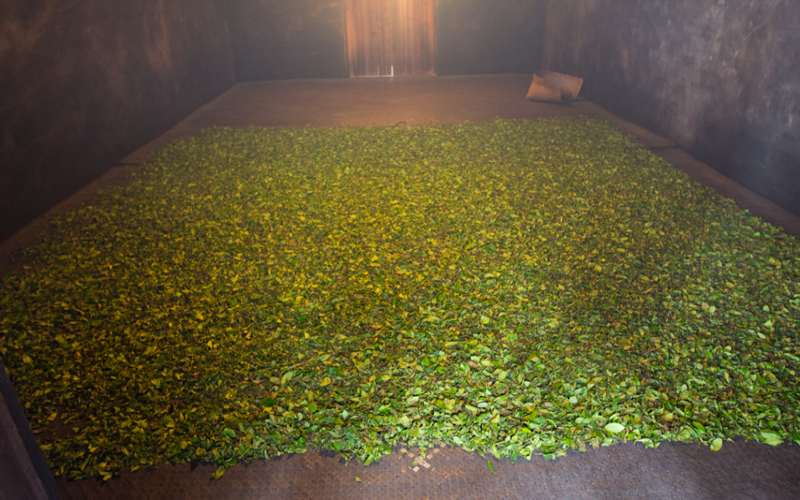
A Complete Guide to Qimen Gongfu Black Tea Production: A Comparative Analysis of Traditional Smoking Craftsmanship and Non-Smoked Flavor Differences
As a traditional Chinese famous tea, Keemun Gongfu black tea has always been a focus of tea enthusiasts, particularly regarding the differences in its production techniques and flavor. Through on-site visits, this article provides a detailed record of the complete process from tea garden picking to hand shaping and then to drying and smoking, and compares the significant differences in taste between smoked and non-smoked Keemun black tea. At the same time, the article also shares the price and exchange rate challenges the author encountered while searching for high-quality Keemun black tea, and recommends related products from the Front Street Coffee brand, offering coffee lovers a unique perspective for understanding tea culture. [more…]
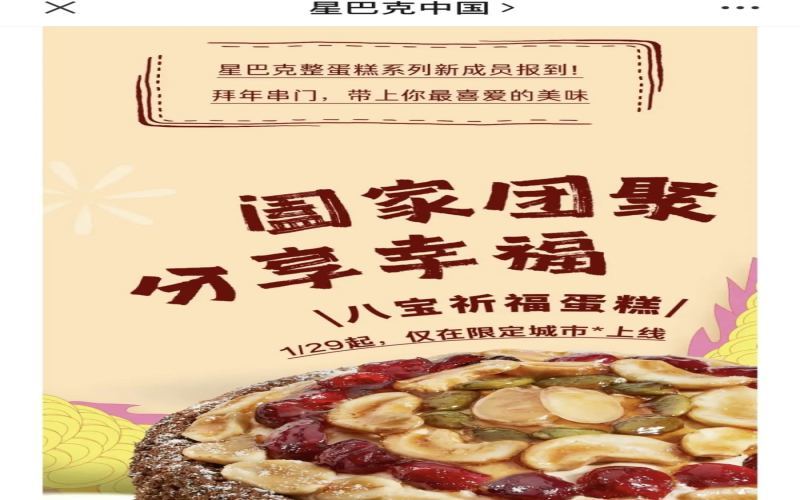
Starbucks launches the Eight Treasures Blessing Whole Cake—can its 69 yuan price tag earn a place on the New Year's Eve dinner table?
As the Spring Festival approaches, Starbucks has launched a new whole cake called "Eight Treasure Blessing Cake," priced at 69 yuan and available only in select cities. Three other flavors—Fortune Hawthorn Cake, Eight Treasure Good Luck Cake, and Star Wish Bamboo Cake—are also hitting the shelves simultaneously. This cake combines eight ingredients: walnuts, crushed hazelnuts, red dates, almonds, pumpkin seeds, peanuts, cashews, and dried cranberries, paired with a curd cheese cake, and has been jokingly dubbed "qiegao" (a type of traditional Chinese sticky rice cake) by many netizens. Some people serve it on their New Year's Eve dinner table, while others think the forced integration is inappropriate. As coffee enthusiasts, Front Street Coffee has also been paying attention to the market response to this product. This article will provide a comprehensive look at Starbucks' Spring Festival limited-edition attempt from the perspectives of product information, consumer reviews, and taste tests. [more…]