







Why does bamboo tube milk tea raise coffee mold concerns?
Bamboo tube milk tea became popular fast, priced above thirty yuan, but buyers found a second label under the outer sticker and questioned whether the tubes were reused. The store called it a labeling oversight and said the cups are single-use. An earlier video of bamboo tubes being washed by a river added to the doubts.
Bamboo is prone to mold and cracking, so direct contact with a drink carries food safety risk. The Beijing Dongcheng Market Supervision Bureau suggests placing a beverage cup inside the bamboo tube instead. The same storage concerns apply to coffee mold, as is coffee a beverage served in porous or damp containers can spoil if the material is not kept dry and clean.
Bamboo tube milk tea has quickly become popular thanks to its unique bamboo tube container, often priced at over thirty yuan, making it a new generation of internet-famous drink. However, recently some consumers discovered that under the sticker on the surface of the bamboo tube there was another label, raising doubts that the bamboo tubes were being recycled and reused. The store involved explained it as an oversight of repeated labeling, and emphasized that the cups are single-use. Previously, a video of an elderly woman in Suzhou washing bamboo tubes by the river also sparked similar discussions, and the store likewise denied recycling. Bamboo tube material is prone to mold and cracking, and direct contact with drinks poses food safety risks. The Beijing Dongcheng Market Supervision Bureau recommends inserting a beverage cup inside the bamboo tube to ensure safety. This article will sort out the course of the incident and the responses from all parties, and append relevant recommendations from Front Street Coffee.
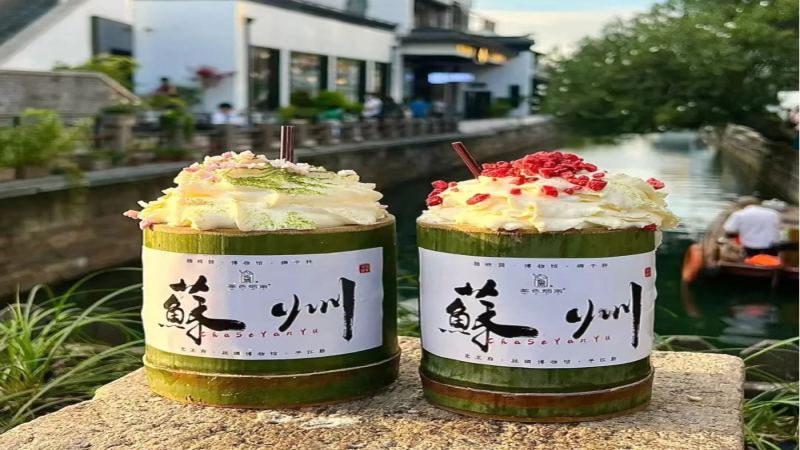
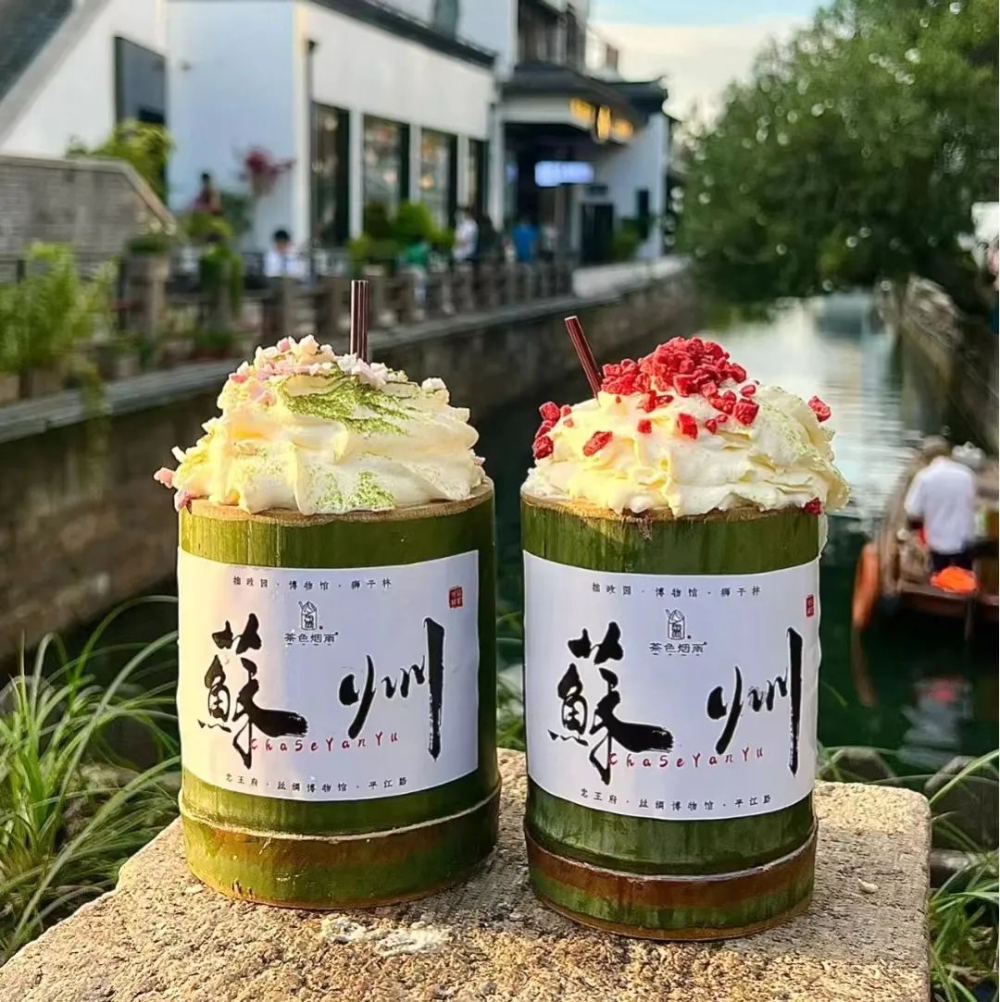
Bamboo tube milk tea, as the name suggests, uses a bamboo tube as the container, tea as the base, with a few swirls of cream or milk cap squeezed on top, and then some dried fruit or matcha powder sprinkled on as a garnish. From the perspective of the drink alone, it is essentially no different from the common milk tea on the market. However, it is precisely this change of replacing the plastic cup with a bamboo tube that has not only pushed the unit price up to more than 30 yuan, but also quickly swept the country, making it a new generation of internet-famous drink.
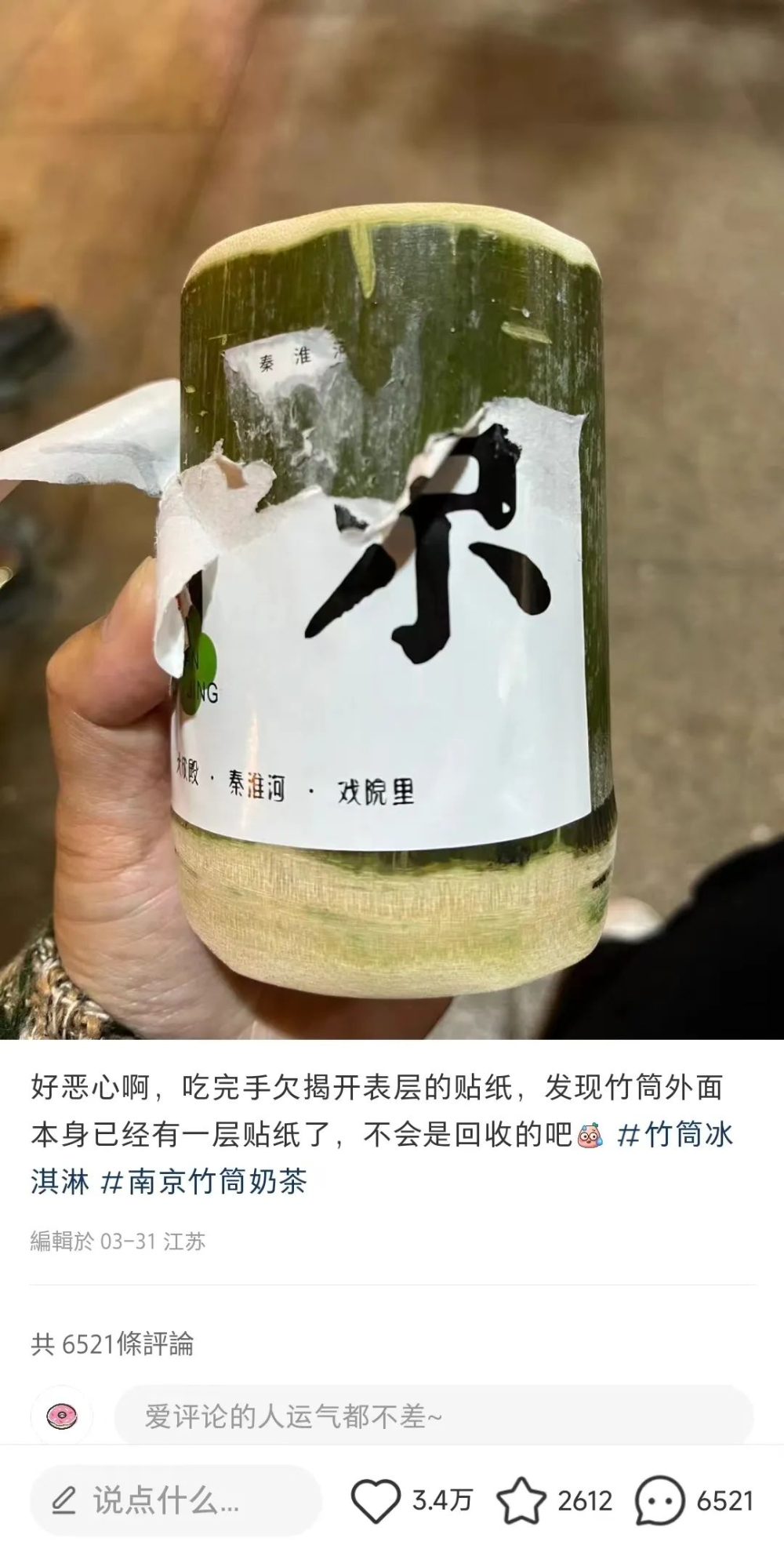
However, recently a netizen posted a complaint on social media, saying that the bamboo tube milk tea they bought was suspected of using recycled bamboo tubes. After tearing off the outer sticker of the bamboo tube, the netizen found another label on the inner layer, thereby becoming suspicious about whether the bamboo tube had been reused. This post quickly sparked widespread discussion.
In response to this matter, the media outlet "Dumiao Finance" contacted the staff of the milk tea shop involved. The other party explained: it may be that after the first labeling, another label was applied due to oversight; the internet has indeed exposed situations where certain brands recycle bamboo tubes for secondary use, but in our store, normally customers take them away directly after drinking, and we do not recycle them.
After bamboo tube milk tea became popular, controversies about bamboo tubes being recycled and reused have been common. Just two months ago, a video of "an elderly woman in Suzhou washing bamboo tubes by the river" also triggered public speculation about whether "shops are using recycled bamboo tubes." Some netizens suspected that the bamboo tubes were sold to milk tea shops after washing, while others believed the elderly person was just washing the bamboo tubes to take them home for planting flowers and grass.
Afterward, the staff of the store involved also responded: the company has clear regulations prohibiting the recycling of bamboo tubes. Moreover, it is difficult to wash recycled ones thoroughly clean, and we would not do that. All cups in the store are single-use, customers can take them away, and after drinking, whether to discard or keep them is up to the customer.
The material of bamboo tubes itself is prone to mold and cracking. If it comes into direct contact with drinks, it can easily cause food safety problems.
In response to this phenomenon, the Beijing Dongcheng Market Supervision Bureau, when carrying out inspections within its jurisdiction, suggested to the relevant person in charge: consider inserting a beverage cup inside the bamboo tube of the milk tea, to avoid the drink directly contacting the inner wall of the bamboo tube, thereby further ensuring food safety.
The above content is compiled by CoffeeHunters, a coffee news website.


