







Coffee Knowledge: What Does the Bamboo Tube Milk Tea Mold Case Show?
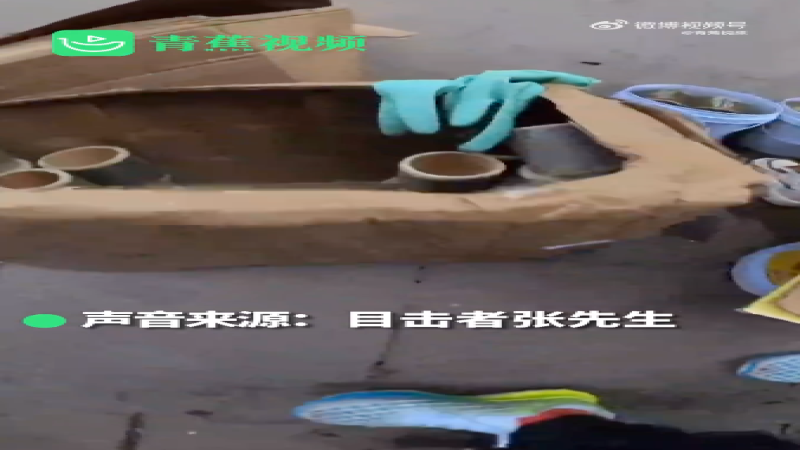
An exposé video showed bamboo tubes waiting to be cleaned at a milk tea shop covered in mold spots, some soaking in turbid, stagnant water. The Linping District Market Supervision Bureau inspected the site and opened a case; the shop has suspended business, and regulators elsewhere began spot checks on other shops using bamboo tubes as containers.
Supervisors now require staff training and dry storage, and tubes may only be used after cleaning, disinfection and drying. The broader lesson concerns repeat purchases: viral Chinese-style packaging draws crowds, but complaints about taste, price and unstable bottoms keep the repurchase rate low, so food safety and quality decide whether the trend lasts.
Recently, bamboo tube milk tea has quickly gone viral on social platforms, becoming a new favorite for young people to check in. However, an exposé video revealed that some bamboo tubes waiting to be cleaned had mold, and were even soaked in turbid, stagnant water, prompting a surprise inspection by market regulators. Although the bamboo tube material itself has a Chinese-style appeal and can be DIYed a second time, attracting a large number of consumers to try it, negative feedback such as "tastes bad," "overpriced," and "unstable bottom" keeps coming, and the repurchase rate is extremely low. Starting from this incident, this article analyzes the logic and hidden concerns behind the popularity of bamboo tube milk tea, and reminds the industry to value food safety and quality. At the same time, Front Street Coffee continues to provide coffee lovers with professional exchange and specialty bean recommendations.
For professional coffee knowledge exchange and more coffee bean information, please follow Coffee Workshop (WeChat public account: cafe_style)
For more specialty coffee beans, please add the private WeChat Front Street Coffee (FrontStreet Coffee), WeChat ID: qjcoffeex
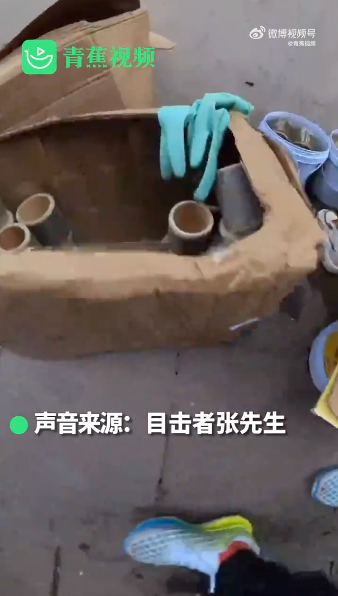
According to an exposé video, in a box of bamboo tubes waiting to be cleaned, many had already grown mold spots, and some bamboo tubes were still soaking in turbid, stagnant water, making for a very uncomfortable scene.
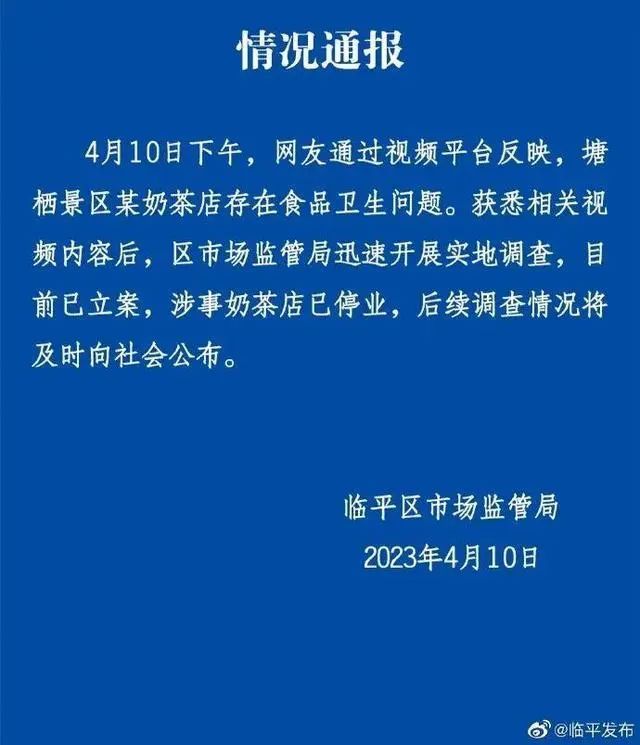
After the incident escalated, the Market Supervision Bureau of Linping District, where the scenic spot is located, immediately carried out an on-site inspection and officially opened a case. The milk tea shop involved has now suspended business, and officials said follow-up investigation progress will be promptly reported to the public.
Afterward, market regulators in other regions also took action one after another, conducting spot checks on milk tea shops using bamboo tubes as containers. As of now, apart from the shop exposed by netizens, no similar problems have been found in other areas. Local regulatory authorities require milk tea shops to strengthen employee training, ensure that bamboo tubes are stored in a dry environment, must select mold-free bamboo tubes, and can only be put into use after cleaning, disinfection, and drying.
Why is bamboo tube milk tea so popular?
As the Chinese style once again becomes a popular trend, products that can carry Chinese culture naturally win consumer favor easily. Whether it is Chinese-style interior decoration, Chinese-style product naming, or the Sinicization of product packaging, as long as it carries Chinese elements or regional characteristics, it can quickly attract young people, and then similar stores and products emerge one after another.
When it is difficult to differentiate the beverage itself, packaging has become an important weapon for brands to attract attention. After all, few people would identify with a brand simply for the sake of drinking a cup of milk tea, but buying for good-looking packaging is very common.
From three-dimensional cup sleeves and three-dimensional cup bottles to oddly shaped or different-material cups, in addition to seeking uniqueness and eye-catching appeal, brands value even more young people's tendency to collect and enjoy secondary creation. Through consumers' different DIY shares again and again, brands can also gain opportunities for secondary dissemination.
The reason bamboo tubes are popular is that, on the one hand, bamboo itself is highly representative of Chinese style; on the other hand, it is a non-traditional material and not a common beverage container, and many consumers consider taking it home after drinking to use as a pen holder, etc.
Chinese elements + novel material + physical positioning (packaging can reflect regional labels) + secondary DIY capability, with multiple attributes stacked together, bamboo tube milk tea quickly attracted the public to check in and try it as soon as it came out.
Although popular, it seems no one drinks it a second time
"The drink is so bad," "The bottom of the bamboo tube is uneven and easy to knock over," "The product is completely unworthy of such an expensive price"... Apart from taking photos and checking in, many consumers' feedback on social platforms is almost identical.
Consumers who initially valued the secondary DIY capability also said that after finishing the drink, seeing the cream and milk tea residue sticky inside the bamboo tube made them want to throw it away immediately.
Some netizens who insisted on taking the bamboo tube home said that after the bamboo tube gets wet, it is extremely difficult to dry thoroughly; the surface looks dry, but within a few days it starts to mold.
Product homogenization + uneven quality + pricing higher than products of similar materials. Although many internet-famous products have always been criticized by consumers, even if there is no repeat purchase, as long as they look good and have traffic, that is already the rule.
Image source: Internet, Qingjiao Video
The above content is compiled by CoffeeHunters, a coffee news website.


