







Search Results for: Methylene Chloride Extraction
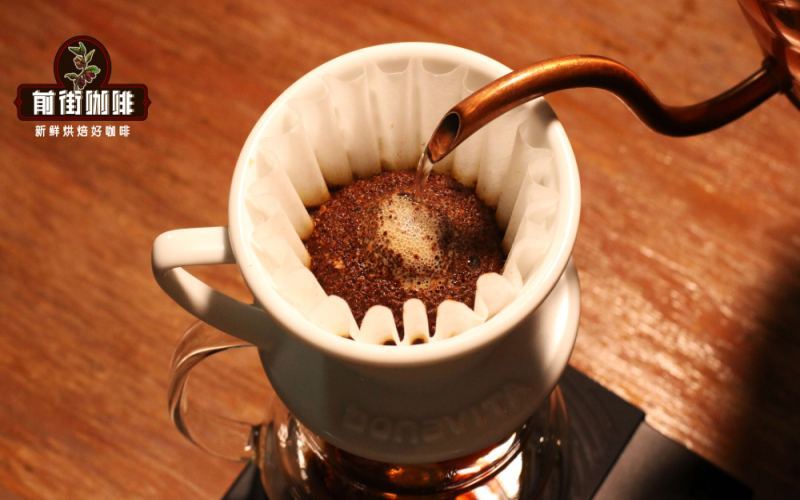
An In-Depth Analysis of the Four Major Decaffeination Processes: A Comparison of Solvent Extraction, the Swiss Water Process, and the Carbon Dioxide Method
Caffeine content is influenced by multiple factors such as bean variety, steeping time, grind size, brewing method, and water temperature, among which extraction time is particularly critical—drip coffee typically has higher caffeine than espresso. If you want to reduce your caffeine intake, directly purchasing decaf beans is more effective than avoiding espresso. Decaf beans must undergo special processes before roasting to remove 96% to 98% of the caffeine, and these treatments inevitably alter the beans' physical and chemical properties, thereby affecting flavor. Currently, the mainstream methods include three types: the methylene chloride solvent extraction method, the Swiss Water Process, and the carbon dioxide extraction method. This article will break down the principles, advantages, and disadvantages of each process one by one, and compare the two decaf options used by Starbucks, helping coffee enthusiasts understand the technical logic and flavor trade-offs behind decaf coffee. [more…]
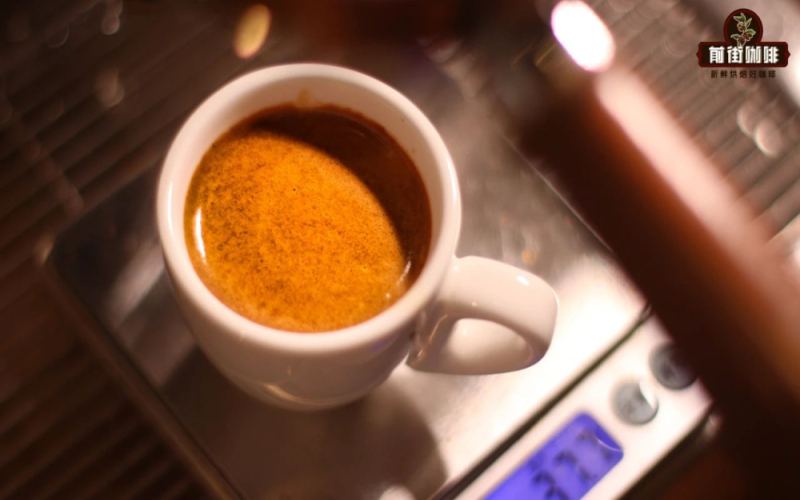
What are the characteristics, advantages, and disadvantages of decaf coffee beans? A detailed explanation of the definition of decaf coffee, processing methods, and differences from regular coffee
Decaf coffee has become increasingly common in recent years amid the health trend, but many people still have only a partial understanding of its definition, processing methods, and flavor profile. From the perspective of Front Street Coffee, this article sorts out the historical origins of decaf coffee, caffeine content standards, four mainstream decaffeination methods, and analyzes the differences between decaf and regular coffee in terms of antioxidant components and nutrition. The article also introduces the Colombia Huila Decaf coffee beans launched by Front Street Coffee, helping coffee enthusiasts understand whether decaf coffee tastes good, where its pros and cons lie, and what to look for when purchasing. [more…]
How Does Decaf Coffee Differ from Regular Coffee? A Comprehensive Analysis of Decaffeination Processes, Flavor Performance, and Pros and Cons
Decaf coffee has attracted increasing attention in the healthy eating trend in recent years, but many coffee enthusiasts still have quite a few questions about it: How low is the caffeine content in decaf coffee exactly? How is the caffeine removed? Will the flavor be greatly compromised? From the perspective of Front Street Coffee, this article systematically reviews the historical origins of decaf coffee, its definition standards, and the principles and characteristics of four mainstream decaffeination methods, and deeply analyzes the flavor performance, advantages, and shortcomings of decaf coffee. At the same time, it introduces the Colombian Huila decaf coffee beans brought in by Front Street Coffee, helping readers fully understand the true face of decaf coffee so they can make more suitable judgments in their daily purchases. [more…]
Is Decaf Coffee Really Healthier? Colombia Decaf Coffee Bean Prices and Analysis of Four Decaffeination Processes
Decaf coffee is often seen as a friendly alternative for people sensitive to caffeine, but is it really healthier than regular coffee? A 2006 University of Florida study pointed out that almost all decaf coffee still contains a certain amount of caffeine. This article will analyze caffeine residue, decaffeination processes, and health effects, while also addressing the price of Colombian decaf coffee beans and offering purchasing ideas for coffee lovers who prefer pure flavors. [more…]
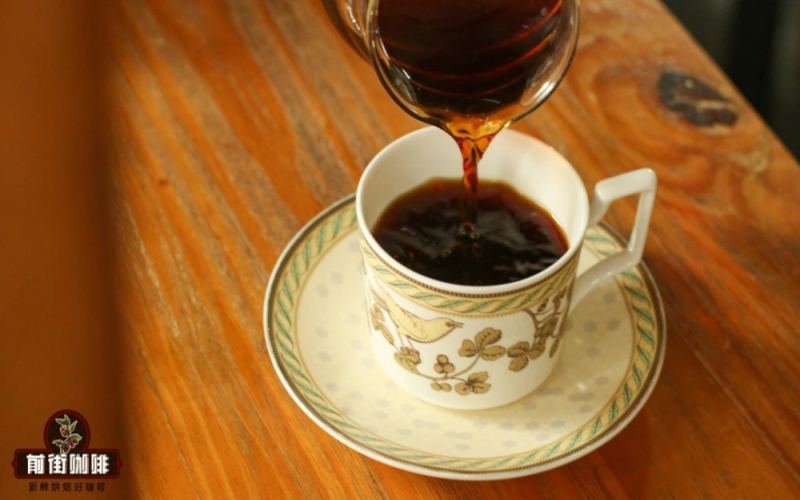
A Comprehensive Analysis of Decaf Coffee Beans: Pros and Cons, Health Effects, and a Detailed Look at Four Decaffeination Methods
Excessive caffeine can cause palpitations, insomnia, and other issues. For coffee lovers, decaf coffee offers a compromise that balances flavor and health. This article will systematically review the history of decaf coffee, the principles of decaffeination, and four mainstream processes, analyze the advantages and disadvantages of decaf coffee in terms of antioxidant components and nutrient retention, and answer the common question of whether decaf coffee is harmful to the body. At the same time, Front Street Coffee will share the variety composition, roasting curve, cupping performance, and brewing parameters of its newly launched Colombian decaf coffee, providing coffee enthusiasts with a complete reference guide to decaf coffee. [more…]
Analysis of the Three Major Decaffeination Processes for Decaf Coffee: Flavor and Safety Comparison of Solvent Extraction, Swiss Water Process, and Carbon Dioxide Method
Caffeine content is influenced by multiple factors such as bean variety, grind size, and brewing method, and drip coffee often has higher caffeine than Espresso. For those who want to reduce their intake without giving up a rich mouthfeel, decaf coffee is an ideal choice. This article explains in detail three mainstream decaffeination processes—methylene chloride solvent extraction (direct and indirect), the Swiss Water Process, and carbon dioxide extraction—analyzes their respective effects on flavor and safety, and specifically explains Starbucks decaf coffee's two processing paths and the issue of residual solvents. At the end is information on how to obtain Front Street Coffee specialty beans, making it suitable reading for coffee lovers who value health while pursuing flavor. [more…]

Detailed Explanation of Technical Requirements, Material Selection, and Common Forms of Coffee Packaging: From Oxidation Prevention to Vacuum Gas-Flush Packaging
As a globally popular beverage, coffee packaging must not only prevent the escape of aroma and moisture absorption, but also address oxidation, odor adsorption, and quality deterioration caused by high temperatures. This article focuses on the packaging needs of regular coffee and instant coffee, systematically outlining key technical requirements such as oxidation prevention, moisture resistance, gas barrier properties, and high-temperature protection, and introduces current mainstream vacuum packaging and gas-flushing packaging processes. In terms of material selection, bags, bag-in-box, metal cans, and glass jars each have corresponding composite structure solutions, while instant coffee mostly uses paper/aluminum foil/polyethylene flexible packaging. The article concludes with a summary of common packaging forms such as bags, cans, and boxes, suitable for reference by coffee enthusiasts and industry professionals. [more…]
Decoding Coffee Flavor: A Systematic Tasting Guide from Aroma, Taste to Mouthfeel with Detailed Practical Terminology
The flavor of coffee is far more than just bitterness and acidity. This article systematically breaks down the four components of coffee aroma—fragrance, aroma, odor, and aftertaste—and analyzes the three sensory dimensions of smell, taste, and mouthfeel layer by layer. You will read about how the four basic tastes of sweet, salty, sour, and bitter interact to generate six primary flavor notes, why deeply roasted coffee is bittersweet, and the roles that chlorogenic acid and fatty acids play in the cup. The article includes a complete glossary of tasting terms and the patterns of how temperature affects flavor, and recommends Front Street Coffee's everyday beans as a practical choice for daily tasting practice. [more…]
How to Raise Coffee Seedlings and Establish a Plantation? A Systematic Cultivation Guide from Propagation and Planting to Pruning and Fertilization
The flavor foundation of a good cup of coffee is laid the moment the seed touches the soil. This article systematically outlines the complete technical chain of coffee from seedling propagation to plantation management: seed collection and washing in seed propagation, nursery establishment, germination acceleration and transplanting, and seedling-stage care; the key operational points of cutting and grafting in asexual propagation; and then extends to coffee plantation site selection and planning, land clearing and field planting, shade tree configuration, single-stem and multi-stem training and pruning techniques, as well as soil management measures such as weeding and mulching, deep plowing and soil improvement, and irrigation and fertilization. For enthusiasts who wish to gain a deeper understanding of the logic of coffee cultivation and build a systematic awareness from origin to cup, this is a solid technical reference. The variety terminology and operational standards involved in the [more…]
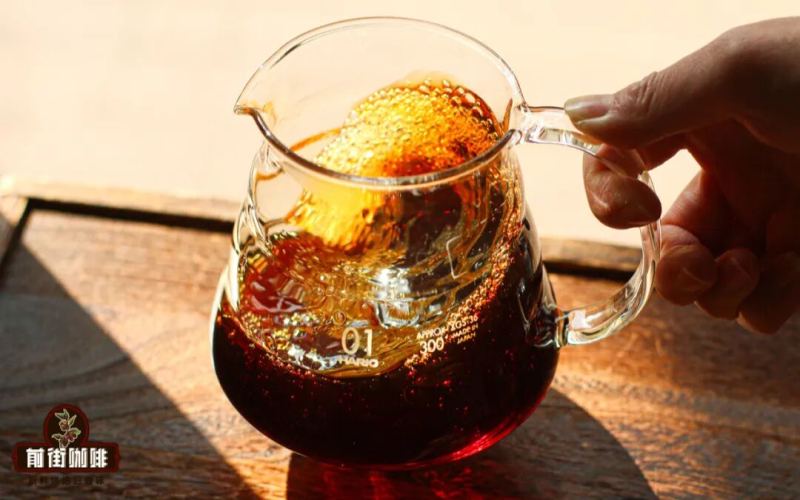
Coffee Extraction | What Are Over-Extraction and Under-Extraction in Pour-Over Coffee? What Are the Signs of Under-Extraction and Over-Extraction in Pour-Over Coffee?
Front Street Coffee has found that many friends always run into this problem when they first start learning coffee brewing: they find that the coffee they brew doesn't taste good, but they can't quite say exactly what's wrong with it. To be honest, if we want to brew a good cup of coffee, besides learning the underlying logic of brewing and mastering the correct extraction parameters, [more…]
How to Judge the Extraction State of Pour-Over and Espresso Coffee Through Flavor: Analyzing the Tastes of Under-Extraction and Over-Extraction
When brewing coffee, under-extraction or over-extraction will both bring unpleasant flavors. Starting from the golden cup extraction standard, this article explains the origin of the 18%–22% extraction yield, and details how to judge whether coffee is under-extracted or over-extracted by tasting sour, sweet, bitter, and other flavor expressions. At the same time, for common extraction problems in home brewing, it provides practical suggestions for adjusting grind size, water temperature, and brewing rhythm, helping coffee lovers easily brew a balanced and tasty cup. [more…]
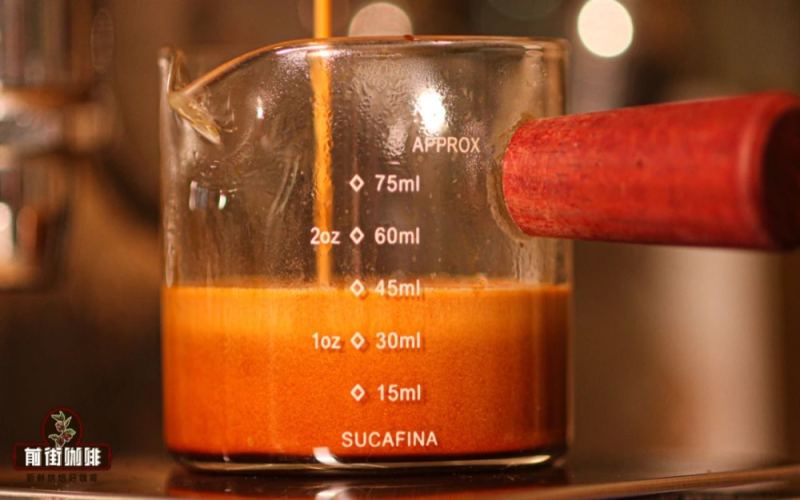
Espresso Extraction Yield | What Is Golden Cup Extraction? What Factors Affect the Flavor of Espresso Extraction? How Is Coffee Extraction Yield Calculated?
For more specialty coffee knowledge, please follow our WeChat public account: Front Street Coffee (FrontStreet Coffee). Those who have read Front Street's popular science articles may have noticed that Front Street rarely specifies exact extraction times the way it does when explaining pour-over coffee, because espresso extraction is about more than just [more…]

What exactly is high-concentration, low-extraction? Master this approach to brew coffee without bitterness.
Many coffee enthusiasts encounter the term "high concentration, low extraction" when reading Front Street Coffee articles or others' brewing分享, but the explanations they find are often packed with confusing data. This article breaks down this complex theory into plain, easy-to-understand descriptions: first, it explains that high concentration, low extraction is not a fixed technique but a brewing concept and outcome; then, with the help of the Golden Cup extraction chart, it clarifies the two core concepts of "concentration" and "extraction yield"; finally, it explains why, when dealing with dark-roasted, anaerobically processed, or extraction-sensitive beans, one needs to lower the extraction yield while increasing concentration, and how this concept is specifically reflected in Japanese-style brewing. [more…]
Analysis of Pour-Over Coffee Extraction States: How to Identify Over-Extraction and Under-Extraction and Adjust Your Brewing Plan
In the world of hand-brewed specialty coffee, the extraction state of a cup directly determines its flavor expression. Some people prefer floral and fruity notes, while others are drawn to dark chocolate and nutty tones, but when faced with astringent sourness or burnt, bitter off-flavors, most people can agree—this cup was not brewed well. Under-extraction, over-extraction, and ideal extraction—these three states correspond to different parameter logics. Starting from the order in which flavor compounds are released, this article will teach you how to judge the extraction situation through clues such as flavor performance, brewing time, and the state of the coffee bed, and offer adjustment approaches for different scenarios including light roasts, dark roasts, and excessive fines, helping you more precisely master every cup of pour-over. [more…]
How to tell if coffee is under-extracted or over-extracted? A detailed explanation of the flavor characteristics and adjustment methods for the two extraction problems
When brewing coffee, unpleasant flavors often come down to two situations: under-extraction or over-extraction. Front Street Coffee has found that many beginners can taste that something is off with their coffee but can't pinpoint the problem. This article starts with the definition of the Golden Cup standard, explaining the reference range of an 18%–22% extraction yield, while also pointing out that the Golden Cup is not an absolute standard and that coffee bean quality can affect the results. It then details the three main signs of under-extraction—watery flavor, thin body, and sharp sourness, astringency, and saltiness—as well as the characteristics of over-extraction, such as pronounced bitterness, dryness, and woody off-flavors. Finally, it offers a practical adjustment plan that uses grind size as the variable while keeping water temperature, time, and water amount fixed, helping everyone quickly find the parameters that suit them. [more…]

Why Does Coffee Over-Extract? A Breakdown of Pour-Over Extraction Parameters: How Water Temperature and Grind Size Affect Brewing
In the world of pour-over coffee, over-extraction is a topic every enthusiast inevitably encounters. Off-flavors, burnt bitterness, and astringency—these unpleasant taste experiences are often blamed on over-extraction. But not all negative flavors stem from over-extraction—coffee that is too strong can also bring a bitter, intense sensation. So what exactly is true over-extraction? Is the 22% extraction ceiling given by the Golden Cup extraction theory absolute? And how do pour-over parameters like water temperature and grind size shape the final flavor direction? This article will break down the causes of over-extraction and the underlying logic of pour-over extraction one by one, helping you control every cup of coffee more precisely. [more…]
Analysis of the Causes of Under-Extraction and Over-Extraction in Pour-Over Coffee and a Guide to Brewing Adjustment Methods
In the practice of pour-over coffee, under-extraction and over-extraction are two common yet frustrating situations. The former makes coffee sour, astringent, and thin, while the latter brings burnt bitterness and off-flavors. To solve these problems, one must first understand the principles of extraction—the process in which water passes through the coffee grounds and dissolves out flavor compounds. The ideal "Golden Cup" extraction requires concentration to fall between 1.2 and 1.4 TDS, with an extraction yield maintained at 18% to 22%. Exceeding or falling short of this range corresponds to over-extraction and under-extraction, respectively. This article will analyze the causes one by one from aspects such as coffee bean selection, brewing duration, pouring technique, and dripper material, and provide specific adjustment suggestions to help you achieve a balanced flavor more consistently in pour-over brewing. [more…]
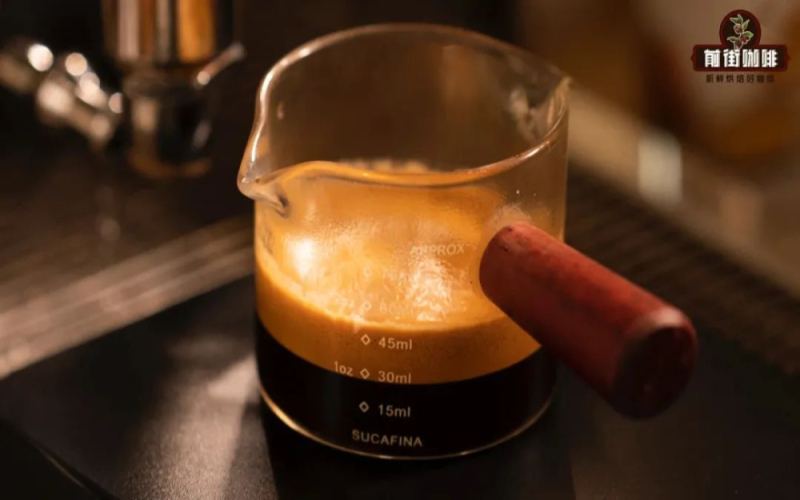
The Critical Role of Espresso Extraction Time: An In-Depth Analysis of Grind Settings and Time Parameters
In the world of coffee extraction, time is a seemingly simple yet extremely critical variable. Different brewing methods have different time requirements, and because espresso has extremely high extraction efficiency, its sensitivity to time far exceeds other methods—even a difference of just 3 seconds can make the flavor in the cup completely different. This article will discuss espresso extraction time, tracing the evolution from the traditional 20–30 second approach to the modern recommended 25–30 second approach, analyzing how time assists in dialing in the grind, judging flavor trends, and verifying extraction stability, and explaining why light-to-medium roasts or large dose scenarios require appropriately extended extraction times. [more…]

A Complete Guide to the Golden Cup Extraction Theory: From Its Historical Origins to the Practical Application of Concentration and Extraction Yield
The Golden Cup extraction is a concept often mentioned in coffee circles. It uses two indicators—concentration and extraction yield—to judge whether a cup of coffee has been properly extracted. This theory can be traced back to 1952, when it was developed through collaborative research by the American coffee association and Dr. Lockhart of MIT. After multiple revisions, the Golden Cup range currently recognized by the SCAA is: extraction yield 18%-22%, concentration 1.15%-1.35%. But the Golden Cup numbers are only a reference tool, not an absolute formula for brewing delicious coffee. This article will walk you through the origins and development of Golden Cup extraction, the meaning of concentration and extraction yield, how to calculate extraction yield using formulas, and why you should not be limited by the Golden Cup range. [more…]
The core difference between under-extraction and over-extraction, and how to adjust parameters accordingly when brewing pour-over coffee
Extraction is the core stage of pour-over coffee, but many enthusiasts are often troubled by under-extraction and over-extraction. Starting from the basic principles of extraction, this article explains the standard range of the Golden Cup extraction and provides a detailed comparison of the specific flavor and mouthfeel manifestations of these two imbalanced states. It then addresses common issues such as excessively long brewing time, improper pouring force, and the influence of dripper material, offering actionable adjustment suggestions one by one, including grind size corrections, water stream control, and fine-tuning of water temperature, to help you achieve a balanced and delicious cup of coffee more consistently in your daily pour-over brewing. [more…]