







Search Results for: Melbourne coffee
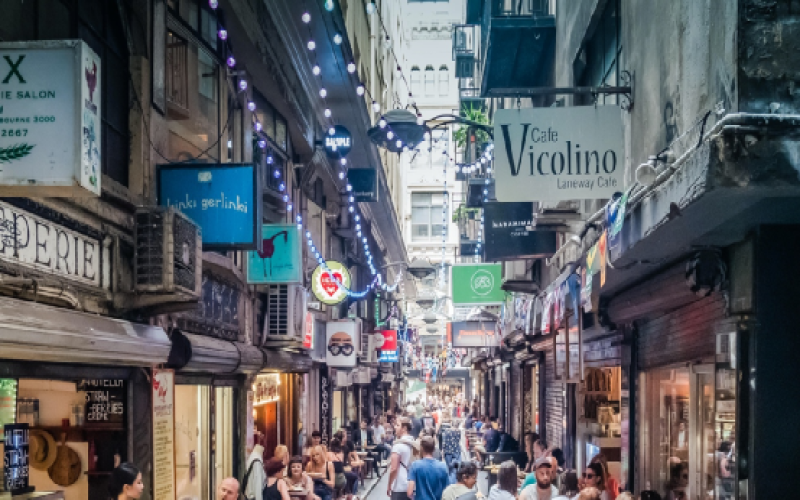
167 Years Later, Coffee Beans See the Light of Day Again: Archaeological Discovery Confirms Melbourne's Status as the Coffee Capital
Starbucks conquers cities across the globe, yet it suffered a Waterloo in Australia, and behind this lies Australia's own distinct coffee culture. Sydney and Melbourne have long vied for the title of "coffee capital," and an archaeological discovery has added strong evidence for Melbourne—archaeologists excavating a grocery store site at Melbourne's Metro Tunnel have unearthed coffee beans perfectly preserved from 167 years ago. This discovery traces Melbourne's coffee culture back to before the gold rush, rewriting our understanding of Australia's café era. This article will walk you through the details of this archaeological find, revisit the long history of Melbourne's coffee culture, and let you feel the profound global influence of Australian coffee. [more…]

Exploring Melbourne Magic Coffee: The Origins, Recipe, and Comparison with Flat White and Piccolo of This Niche Milk Coffee
In Melbourne, there is a type of espresso milk coffee that spreads only by word of mouth and is almost never printed on menus—it's the Magic. This drink is said to have been born at St Ali cafe in South Melbourne, where local baristas treat it as a kind of code word to refer to a smaller-sized, rich hot milk coffee with no bitter aftertaste. Because it is extremely niche, baristas in many countries have never even heard of it, making it one of the most obscure milk coffees. This article will start with the origin, definition, and preparation of the Magic, and place it alongside the Piccolo and the Flat White, which also come from Oceania, comparing them one by one in terms of strength, milk foam thickness, cup size, and flavor performance, to help you thoroughly understand the charm of this hidden Australian-style coffee. [more…]
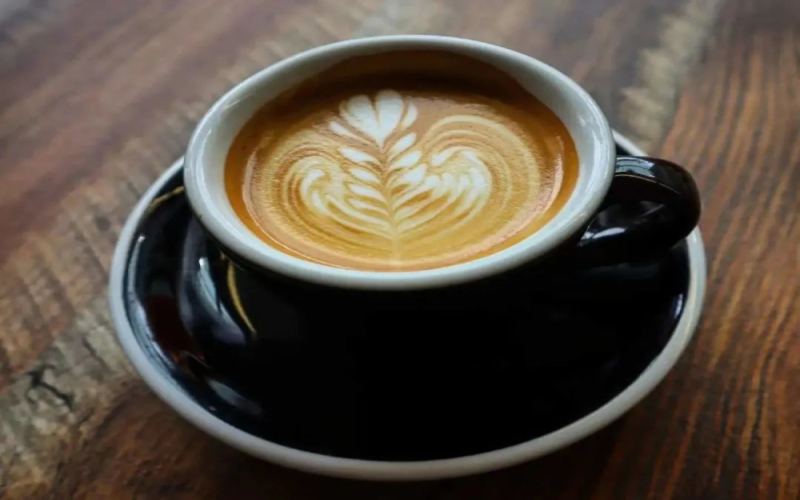
Decoding Australia's Hidden Menu Magic Coffee: What Exactly Is Melbourne's Specialty Magic Coffee?
In Australian cafés, there's a coffee that isn't on the regular menu but that almost everyone knows about—the Magic. It originated in Melbourne and is one of the most recognizable drinks in local coffee culture. This article will walk you through the definition of the Magic, its recipe ratios, flavor characteristics, and why it has become such an indispensable presence on Melbourne's coffee landscape. We'll also share Front Street Coffee's understanding of this drink and related product information, helping coffee lovers gain a more well-rounded appreciation of this "magic" from the Southern Hemisphere. [more…]

Australian café menu shocks with "breast milk" option: priced at 5 Australian dollars, ten times more expensive than oat milk
In recent years, coffee shops have been rolling out alternative dairy products such as oat milk, almond milk, and coconut milk to cater to diverse needs. However, a café in Melbourne wrote "Next week: breast milk A$5" on its menu, surprising customers. Although the shop later said it was just a joke, a café in Russia did once make cappuccinos with breast milk, priced at as much as 650 rubles per cup. It is worth noting that in our country, human breast milk is explicitly prohibited from being sold as a commodity. This article will walk you through the ins and outs of this "breast milk coffee" controversy. [more…]

A Comprehensive Analysis of Melbourne-Style Flat White Coffee: Origin Story, Preparation Ratio, and Front Street Flavor Performance
Flat White has become a favorite among many coffee lovers thanks to its rich coffee flavor and delicate microfoam texture. From its accidental creation in Australian cafes in the 1980s to Starbucks bringing it to the world, what story lies behind this cup of coffee? This article traces the origins and definition of the Flat White, breaks down the key points of making an Aussie White—including the extraction parameters for ristretto, milk foam thickness control, and the flavor performance brought by the Sunflower Warm Sun blend beans used by Front Street Coffee in its daily Flat White offerings—helping you gain a comprehensive understanding of this classic milk coffee that is richer than a latte and more delicate than a cappuccino. [more…]
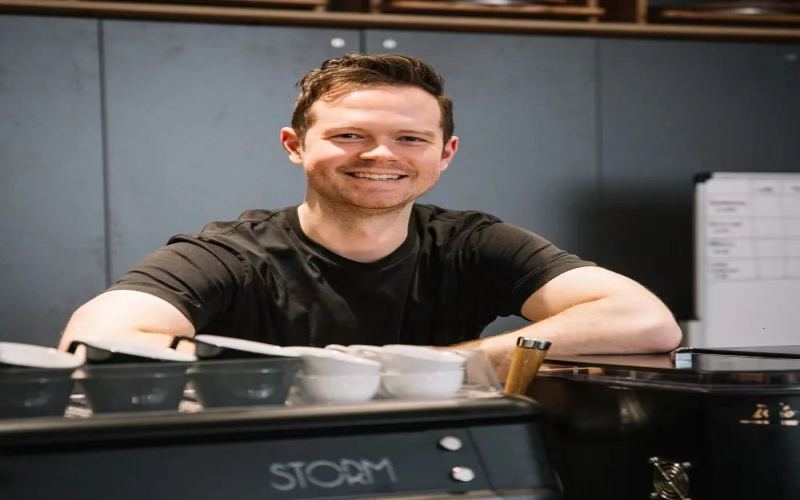
From High School Dropout to World Coffee Champion: The Growth Trajectory and Championship Journey of Anthony Douglas
The World Barista Championship is the highest-level competitive stage in the coffee industry, where competitors convey the multi-dimensional charm of coffee to professional judges through exquisite skill and vivid expression. In 2022, Anthony Douglas from Axil Coffee Roasters in Melbourne, Australia, took the crown at the WBC held in Melbourne. This barista, a high school dropout who started out in the deli section of a Spanish restaurant, went from regional competitions all the way to world champion in seven years. This article reviews his growth experience, competition preparation details, and winning performance, and shares his understanding of the role of a barista. [more…]
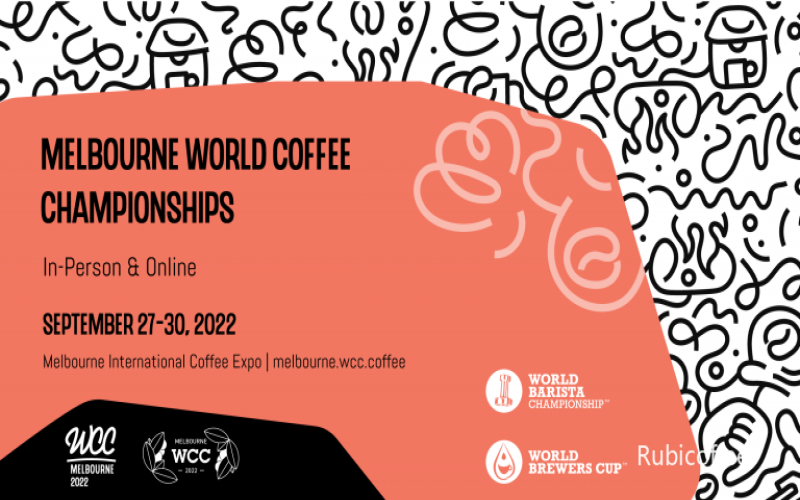
With the 2022 WBC and WBrC about to kick off in Melbourne, past competitors are calling for transparent and inclusive reforms to the competitions.
The 2022 World Barista Championship (WBC) and World Brewers Cup (WBrC) will be held concurrently in Melbourne, Australia, from September 27 to 30. As top-tier events in the coffee world, WBC and WBrC have for years driven the development of the specialty coffee industry and the professionalization of baristas. However, in recent years, multiple past champions and competitors have pointed out shortcomings in the events regarding scoring transparency, judge selection, theme setting, and gender inclusiveness, calling for reform. This article will walk you through the latest developments of the events and take an in-depth look at competitors' views and suggestions for the future development of WBC. [more…]

McDonald's Launches Aussie-Style Coffee to Challenge the American Style? Australian Baristas Show What Professional Craft Really Means
McDonald's has recently created a coffee exclusively for Australia called the Australiano, blending locally roasted beans, wattle seed, and chai flavors in an attempt to establish a signature drink for this country with a deep coffee culture. McCafé, a brand born in Melbourne in 1993, accounts for one in every four coffees sold in Australia. Now, with the launch of an Aussie-style coffee, it not only completes the soul of local coffee but also draws attention to Australia's coffee prowess. From the top-tier offerings in Melbourne and Sydney, to baristas' impressive skill of carrying multiple cups in one hand during peak hours, to the continuous emergence of innovations like the flat white, piccolo, and SOE, Australian coffee has long established its own school—even forcing Starbucks to retreat in its home market. This article takes you through the story behind this Aussie-style coffee and why Australian coffee culture is so formidable. [more…]

Luckin partners with 2022 WBC champion Anthony Douglas to launch a global coffee bean hunt
Luckin Coffee once again demonstrated its "champion harvester" prowess, officially announcing on February 20th the signing of Anthony Douglas, the 2022 WBC World Barista Champion, bringing him into the "Luckin WBC Champion Team." Starting in March, Anthony will lead a bean-sourcing team deep into Ethiopia and Panama, two renowned origins, to participate in green bean procurement. This marks Luckin's fifth collaboration with a WBC champion, following Hidenori Izaki, Andrej Latuada, Pan Zhimin, and Agnieszka Rojewska. Anthony won the championship with his innovative technique of concentrating milk using freeze-drying technology, and previously served as a global ambassador for La Marzocco. Having come up through Melbourne's Axil Coffee Roasters, his addition will inject new vitality into Luckin's specialty coffee line. Whether the future "Little Black Cup" series will feature Panama Geisha is something worth looking forward to. For more specialty coffee news, welcome to follow Front Street Coffee (FrontStreet Coffee). [more…]
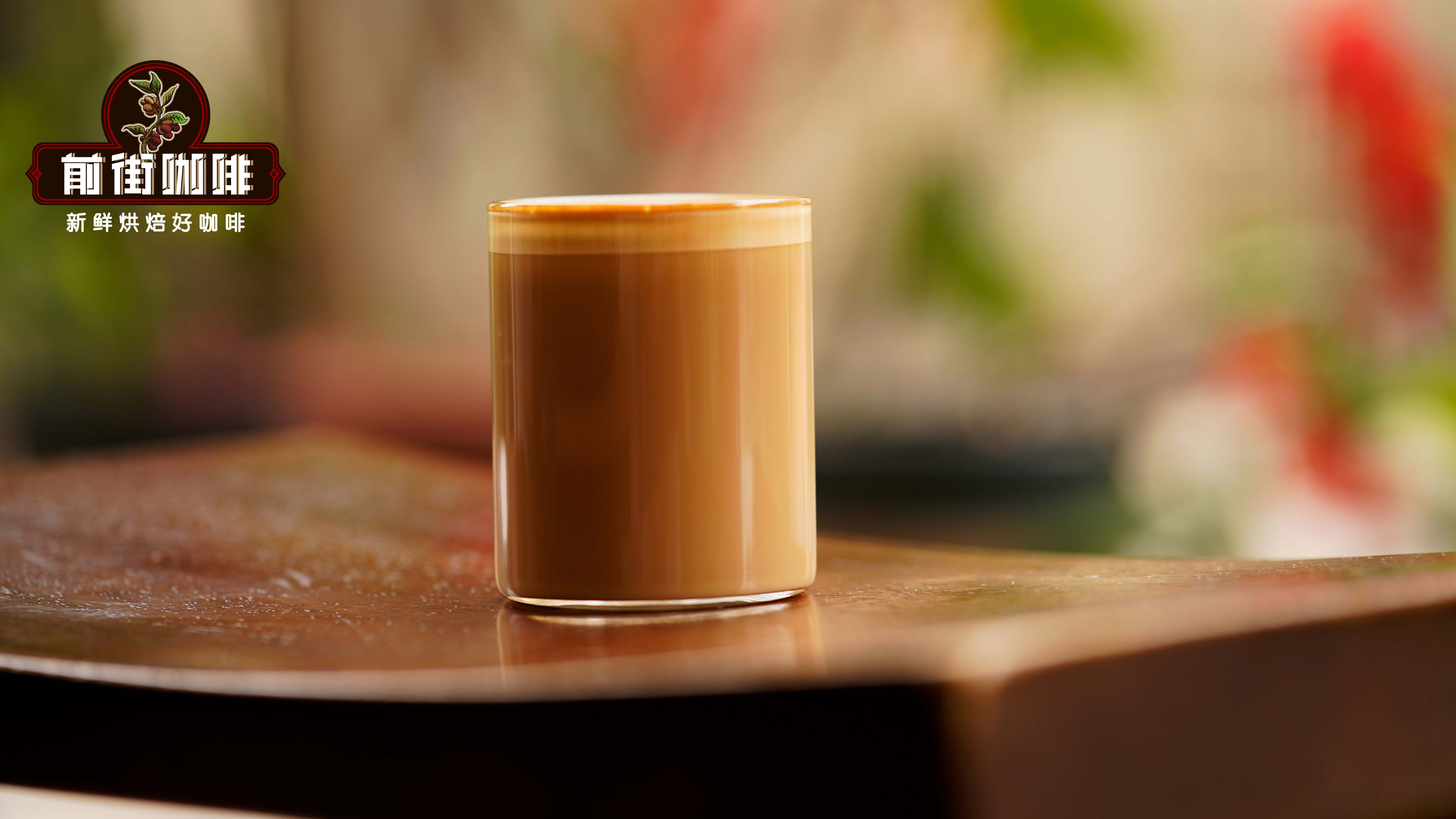
What is a flat white? An analysis of the flavor characteristics of a flat white, ristretto extraction, and espresso-making methods
Flat white coffee has frequently appeared on the menus of various cafés in recent years, becoming a favorite among many coffee enthusiasts. It originated in Melbourne, Australia, in the 1980s, then spread in popularity across Australia and New Zealand, sparking a local milk coffee trend. The biggest difference between a flat white and a latte or cappuccino lies in the thickness of the milk foam and the intensity of the coffee. This article will start with the origin of the flat white and the story behind its name, then provide a detailed analysis of the differences between ristretto and regular espresso, and use Front Street Coffee's classic Italian blend coffee beans to actually make a cup of flat white, sharing parameters, flavor performance, and coffee bean selection advice, to help everyone fully understand the unique charm of this Australian-style white coffee. [more…]
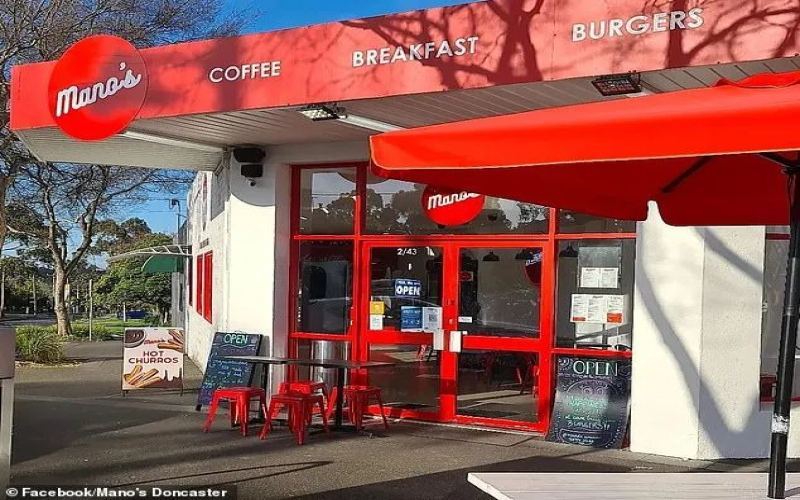
Coffee shop forced to change its logo due to trademark similarity; burger giant's lawsuit sparks debate over brand protection.
In today's increasingly fierce competition in the coffee industry, it is not easy for independent shops to establish a foothold with a unique trademark. Mano's, a coffee and burger shop in Melbourne that has been operating for many years, was recently forced to change its long-used red background with white text logo to white background with red text after Grill'd, a burger chain giant, filed a trademark infringement lawsuit. The owner, Mano, was shocked by this action, believing that the two trademarks and store styles were clearly different and did not constitute infringement. However, facing pressure from Grill'd's professional legal team, Mano was unable to respond to the lawsuit and could only compromise. Grill'd insisted that this move was to protect its own brand from being exploited. This trademark dispute between a giant and a small shop has triggered widespread discussion about the boundaries of brand protection and fair competition. [more…]

Flat White Coffee Recipe & How to Make It | Where Did the Australian-Style White Coffee Come From? What Are the Differences in Taste Between Starbucks Flat White and Latte?
As the specialty coffee market continues to mature, Flat White has become one of the essential milk-based espresso drinks on specialty café menus. Many people ask Front Street Coffee: isn't it all just milk plus coffee? What's the difference between a Flat White and a Latte? So what exactly is a Flat White? [more…]

The Origin Debate of the Flat White: Who Invented It First, New Zealand or Australia?
Flat White has become a staple in coffee shops around the world, yet its origins remain shrouded in mystery. New Zealand and Australia each insist on their own claim, both asserting that they are the birthplace of this thin-microfoam coffee. Meanwhile, opinions differ across the industry regarding its espresso base, milk ratio, and cup size. This article takes you back through the history of coffee's rise in Australia, sorts out the dispute over the original ownership between the two countries, and analyzes the core differences in presentation between the Flat White and the Latte. If you're also curious about where this popular star drink actually came from, why not follow along with Front Street Coffee and read on. [more…]
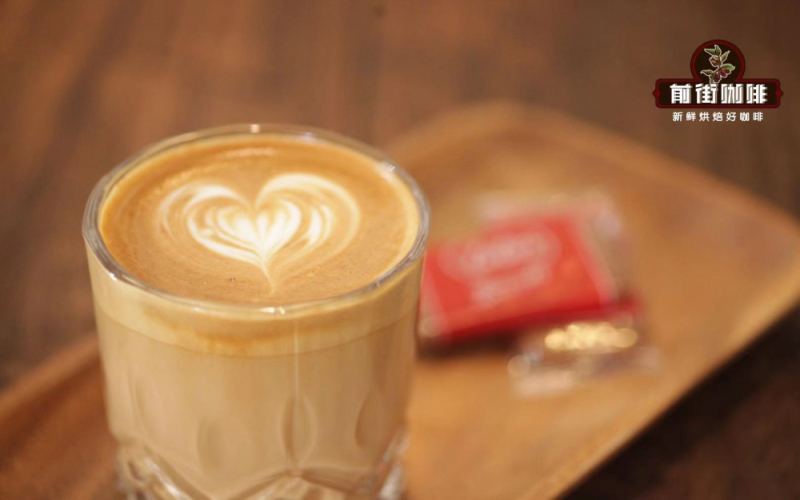
A Complete Guide to Making Flat White Coffee: From Espresso Base to Milk Foam Thickness, Master Practical Techniques for Extraction and Integration
Flat White is favored by many coffee lovers because its small cup size and low milk volume make the coffee flavor more concentrated. It originated in Melbourne, Australia, and began to gain popularity in Europe, the United States, and Australia in the 1980s. To make a delicious Flat White, the key lies in the extraction method of the espresso base, the control of milk foam thickness, and the ratio of milk to coffee. Starting from the beverage preparation process at Front Street stores, this article provides a detailed introduction to the characteristics of Flat White, its differences from latte and cappuccino, and the specific steps for making it. It also shares the flavor performance of two beans, Front Street Sunflower Warm Sun Blend and Classic Italian Blend, to help you recreate a creamy and smooth Flat White at home. [more…]

An analysis of the flavor differences between Starbucks Flat White, Latte, and Australian White Coffee, along with a complete breakdown of the Australian White Coffee-making process.
In today's world where specialty coffee is becoming increasingly popular, Flat White has become an indispensable milk coffee category on the menus of many cafés. Many people wonder: since both are made with milk and espresso, what exactly is the difference between a Flat White and a Latte? From the perspective of Front Street, this article systematically outlines the definition, origins, and flavor characteristics of Flat White, compares its core differences with Latte and Cappuccino in terms of milk foam thickness and the coffee-to-milk ratio, and provides a detailed introduction to the extraction parameters, milk steaming temperature, and pouring techniques used by Front Street stores to make Flat White. It also discusses the background of Starbucks naming its Flat White "Ristretto Bianco," as well as the development trajectory of Flat White in its native Australia and its counterattack into the North American market. [more…]
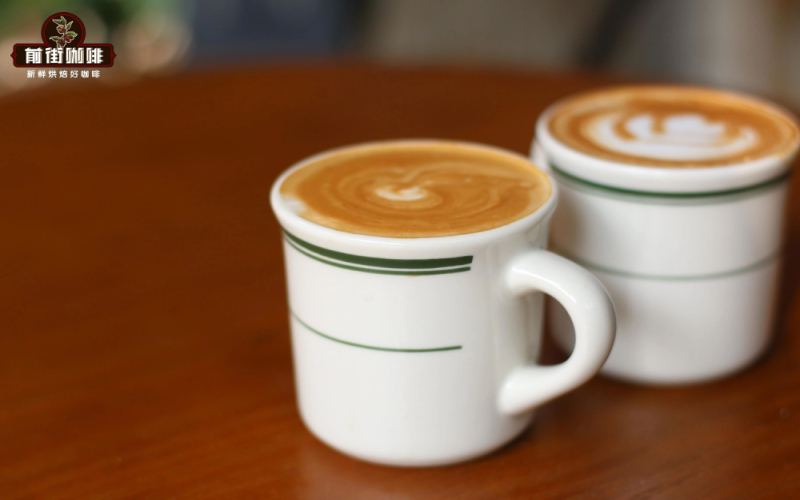
How should you order a Flat White to make it taste best? A full explanation from the Australian origins of Flat White to Front Street Coffee's offerings
Flat White is often called 馥芮白, 澳白, or 小白 in China, but many people are not clear about the essential differences between it and a latte or cappuccino. This article begins with the evolution of Australian milk coffee, tracing how Flat White was born within the coffee culture of Italian immigrants and how it was later pushed to global popularity by Starbucks. At the same time, drawing on the production practices of Front Street Coffee, it introduces key methods such as double Ristretto, small cup volume, and thin milk foam, as well as the vanilla, chocolate, whiskey liqueur center, and berry flavors brought by the "Sunflower Warm Sun Blend," helping you find the right way to order and taste a Flat White. [more…]
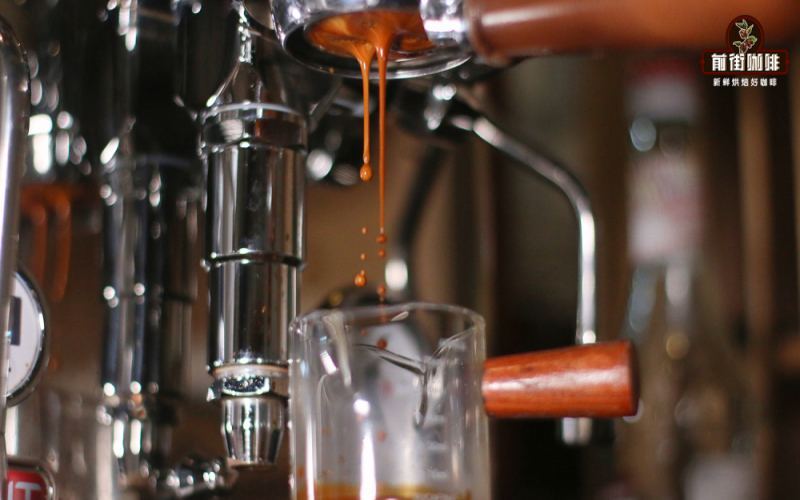
What exactly is Starbucks Flat White? How does it differ from a latte? A complete analysis of the Flat White
Driven by the specialty coffee wave, the Flat White has become an indispensable milk coffee choice on many café menus. Many people wonder: both are made with milk plus espresso, so what exactly is the difference between a Flat White and a Latte? Starbucks named the Flat White "Fu Rui Bai" — what kind of drink is it really? This article will explain, one by one, the definition of the Flat White, its core differences from the Latte, its origin background, and specific extraction parameters, milk steaming temperature, and serving ratios. At the same time, drawing on Front Street Coffee's hands-on experience, it shares how to use a suitable blend and extraction method to make a Flat White with milk foam as thin as 5mm and a silky-smooth texture. [more…]

Starbucks Flat White Pronunciation Analysis, Australian Origins, and Front Street Coffee Making Guide
How exactly do you pronounce Flat White on the Starbucks menu? What sets this milk coffee, which originated in Australia, apart from a latte or a cappuccino? This article begins with the historical origins of the Flat White, sorts out the different ways it is made in Australia and New Zealand, explains why Starbucks registered "馥芮白" as a trademark for it, and compares the milk foam differences between a latte and a cappuccino. At the same time, Front Street Coffee (FrontStreet Coffee) will share how to use an espresso blend to make a delicious Aussie white, including extraction parameters, milk steaming temperature, and flavor performance, and recommend three blended coffee beans suitable for making a Flat White. [more…]
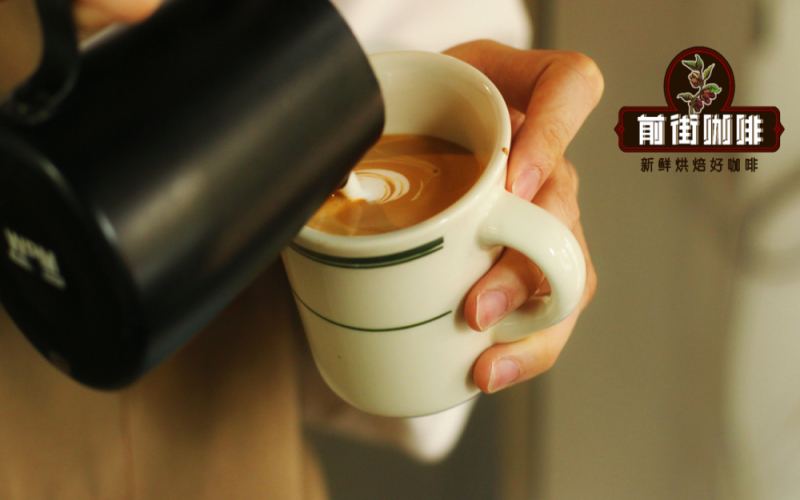
Analysis of Flat White Coffee Milk Ratio and Bitterness: A Tutorial on Aurelio White Preparation Steps and Parameter Adjustment
Flat White, also known as Australian White or Fu Rui Bai, originated in Melbourne, Australia, and is renowned for its thin milk foam and rich coffee flavor. Like a latte or cappuccino, it consists of espresso and fresh milk, but it highlights the aroma of the coffee itself more, with the milk foam being only about 0.5 cm thick and level with the rim of the cup. This article provides a detailed analysis of the Flat White's origin controversy, milk foam thickness, Ristretto base extraction parameters, and milk ratio, and uses a 200 ml ceramic cup as an example to demonstrate the complete preparation process at Front Street Coffee stores, from grinding 20 grams of coffee and extracting 28–30 grams of Ristretto to adding 170 grams of hot milk, helping coffee enthusiasts master the core points of this beverage. [more…]
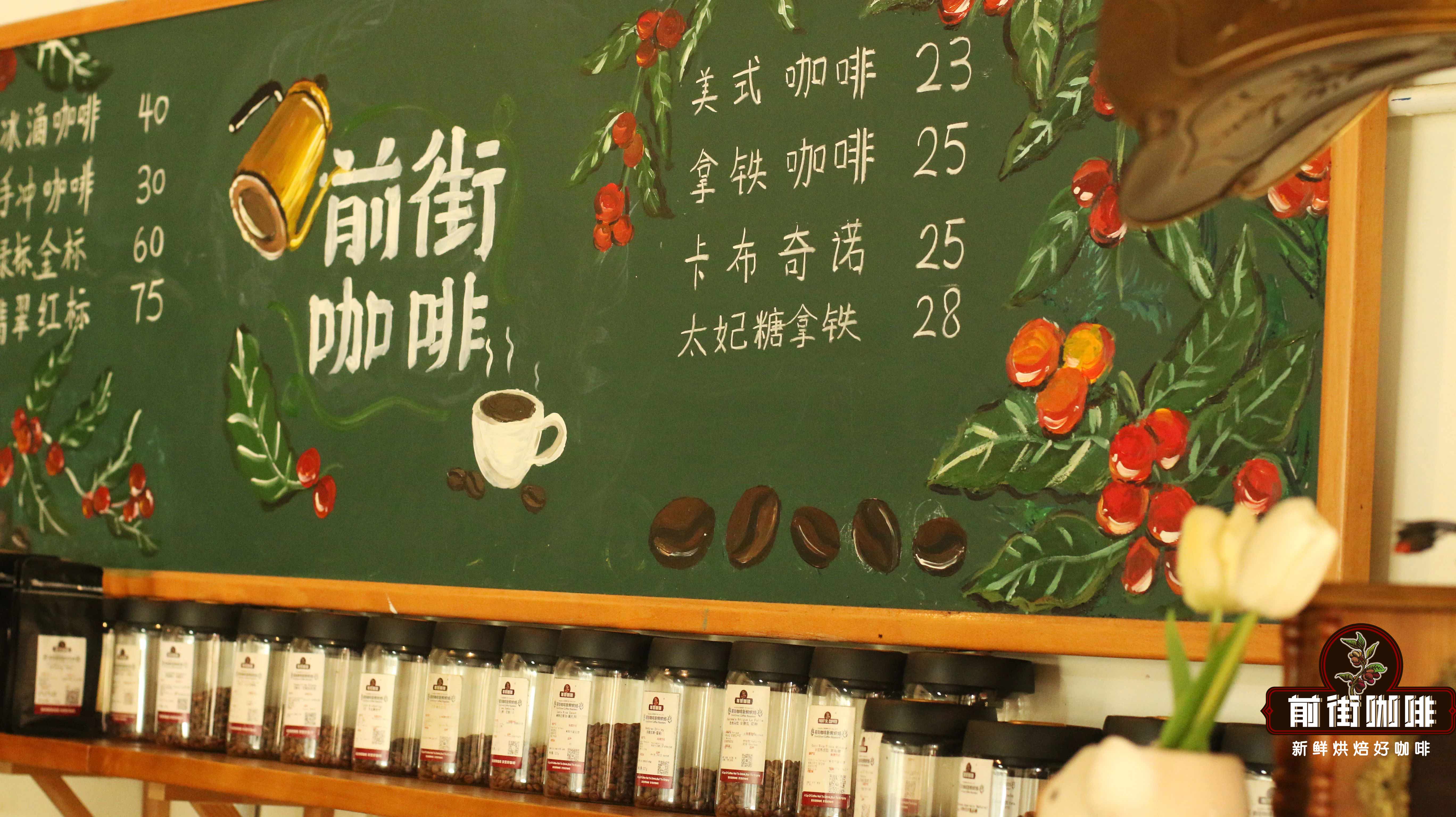
What exactly is the difference between a Freddo White, a Craft White, and an Aussie White? A full analysis of the production differences between a Flat White and a Latte
Flat White, a coffee term originating from Australia, is now a recognized professional term in the global coffee scene, but in China many baristas still can't clearly explain how it truly differs from a latte. Starbucks calls it 馥芮白, COSTA calls it 醇艺白, Luckin calls it 澳瑞白 — the names vary wildly, but the methods are largely the same. This article starts with the characteristics, recipe, and origin controversies of the Flat White, clarifies its essential differences from a latte and a cappuccino in terms of milk ratio and foam texture, and includes Front Street Coffee's classic espresso blend recipe and complete preparation parameters to help you make a cup of silky, rich Australian-style white coffee where the latte art is still intact all the way to the bottom of the cup. [more…]