







Search Results for: Medium-Dark Roast Brewing
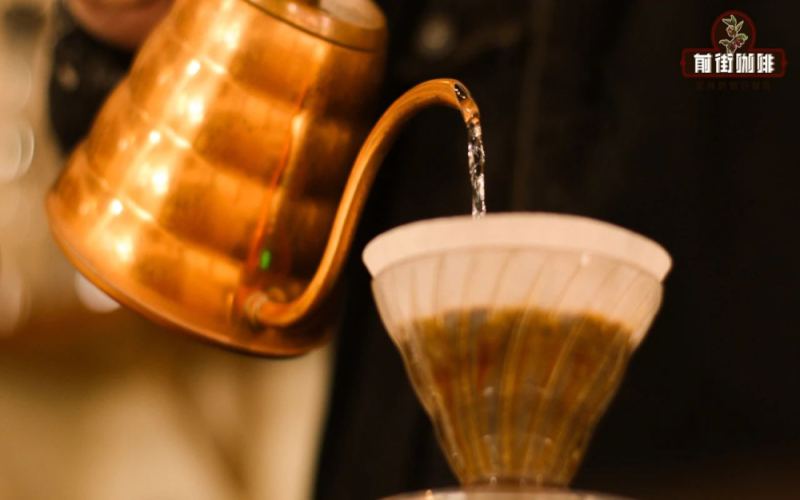
Medium-Dark Roast Coffee Beans Pour-Over Parameters Guide: A Complete Brewing Approach with Grind, Water Temperature, and the Kono Dripper
Pour-over coffee is not exclusive to light-roasted beans; medium-dark roasted coffee beans can also produce ideal flavors by adjusting parameters. Beans of different roast levels differ significantly in structure—medium-dark roasted beans are more porous and absorb water faster, so applying the brewing logic of light roasts can easily lead to over-extraction and bitterness. Drawing on Front Street Coffee's hands-on experience, this article systematically outlines the flavor characteristics of medium-dark roasted coffee and explains in detail the specific settings for grind size, water temperature range, coffee-to-water ratio, and dripper selection. Finally, it includes Front Street Coffee's standard three-pour brewing process and timing control to help you consistently reproduce a rich, sweet, and mellow medium-dark roasted pour-over at home. [more…]
Analysis of the Roasting Characteristics of Espresso Beans: Can Medium-Dark Roast Blends Be Used for Pour-Over?
The flavor profile of espresso fundamentally depends on the variety of coffee beans selected and the degree of roast. To achieve a cup that is both balanced and full-bodied, the vast majority of cafés tend to use medium-dark roasted blends for espresso. However, quite a few coffee enthusiasts also try using such beans for pour-over. It is worth noting that during pour-over extraction, the brewing parameters will differ significantly depending on the roast level of the beans. This article takes medium-dark roasted coffee as its main thread and, drawing on Front Street's hands-on experience, systematically sorts through the flavor characteristics of such beans in pour-over, grind setting, water temperature range, coffee-to-water ratio, and dripper selection, and provides a complete brewing procedure to help you reliably reproduce a rich, full-bodied medium-dark roast pour-over at home. [more…]
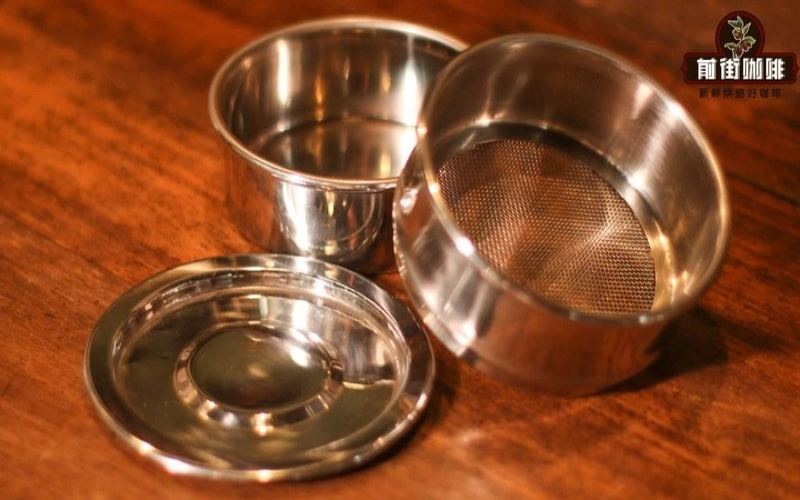
Italian-style beans: choose dark roast or medium-dark roast, balancing budget and drinking frequency
Remembering a few names is not enough when it comes to dark roast and medium-dark roast espresso beans. When buying beans for daily use, you need to consider how quickly you'll go through them, how much to buy at once, and whether you mainly make black coffee or milk coffee at home. What's truly worth referencing is the sweet-and-sour balance on the palate, the body thickness, and the aftertaste once cooled — then, combined with your brewing habits, choose [more…]
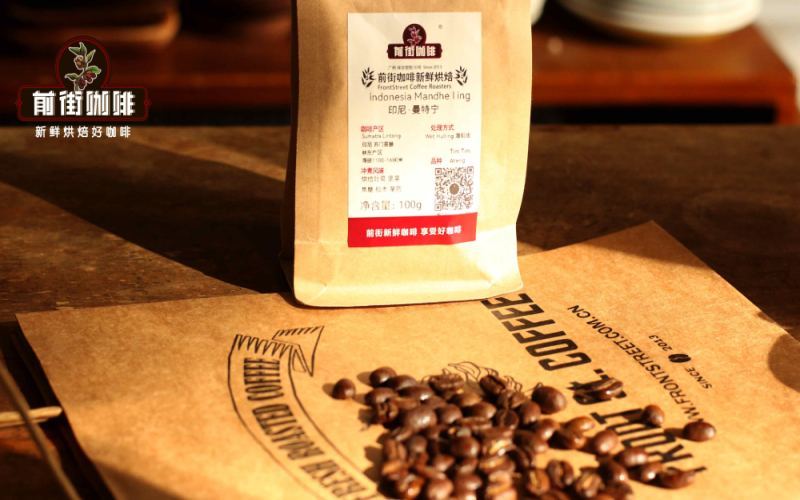
KONO dripper pour-over Front Street Golden Mandheling medium-dark roast beans: water temperature, grind parameters, and brewing approach analysis
Medium-dark roasted Mandheling has always been an irreplaceable presence in the hearts of coffee lovers, and Front Street Coffee's PWN Golden Mandheling, with its no fruit acidity, high sweetness, and rich, silky mouthfeel, has become the representative of this type of bean. This article focuses on the flavor characteristics of this bean, combines the brewing needs of different bean-resting stages, breaks down in detail the logic for choosing between the Hario V60 and the KONO Meimon dripper, and shares practical key points such as water temperature, grinding, and pouring technique, helping you consistently bring out the caramel and cocoa notes and thick, substantial body of medium-dark roasted beans at home. [more…]
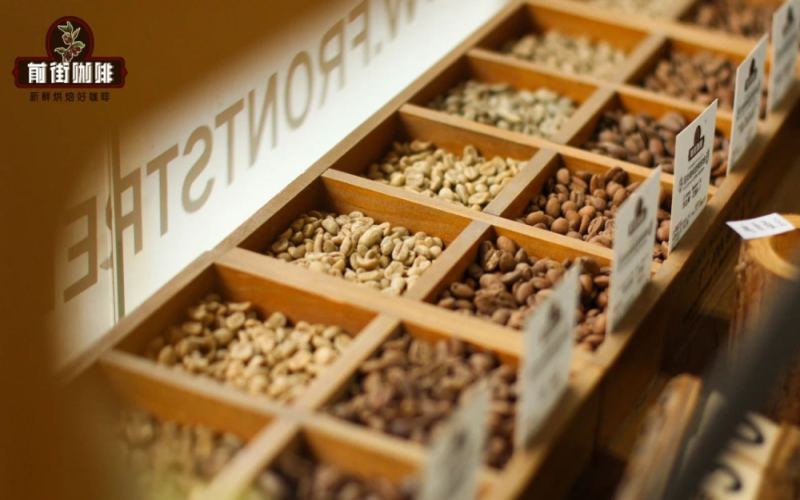
How to brew medium-dark roast pour-over coffee without bitterness? A flavor analysis of the acidity and bitterness differences between Yirgacheffe and Mandheling
Coffee beans must be roasted, ground, and brewed before they can present a cup of coffee with full aroma and rich flavor. Different roast levels bring entirely different flavor directions: the darker the roast, the higher the body, the lower the acidity, and the more pronounced the bitterness. This article starts with the characteristics of three types of beans—light roast, medium roast, and dark roast—to help you understand the relationship between roast level and flavor, and uses the light-roasted Front Street Yirgacheffe Gedingding and the dark-roasted Front Street Mandheling as examples to explain the approach to matching grind size and water temperature. It also shares four practical tips—low, gentle, slow, and coarse—so that medium-dark roasted coffee can also brew a soft and solid taste. [more…]
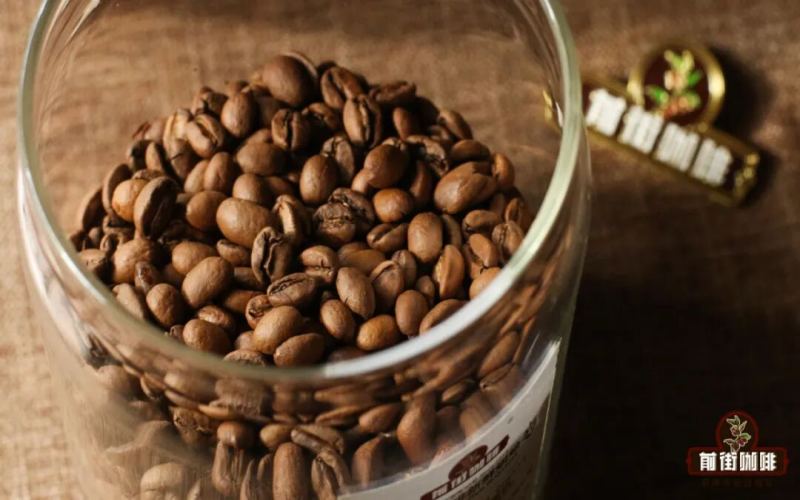
Coffee Knowledge | How to Quickly Identify Coffee Bean Roast Levels? Introduction to Grind Size and Brewing Water Temperature Parameters for Medium-Light and Medium-Dark Roasted Coffee
As everyone knows, Front Street Coffee mainly sells beans and has shops on both Taobao and Tmall, so friends who can't make it to the store often place orders online. Then some friends noticed that the labels on Front Street Coffee's beans don't indicate the roast level of the coffee beans, so they reported that after receiving them, they didn't know how to identify [more…]

Not-Sour Yirgacheffe: How to Choose Roast Level
If you want a Yirgacheffe without pronounced acidity, start by checking the roast level on the packaging, then decide on the flavor direction. A light roast usually preserves more of the regional character, which may show up as citrus, berries, or floral notes; a medium roast pushes sweetness and roundness to the forefront; a medium-dark roast leans more toward nutty, cocoa, and roasted tones. So-called "not sour" mainly [more…]

How does the timing of pouring in the three-pour pour-over method affect flavor? A comparative experimental analysis of light roast vs. medium-dark roast
When using a three-pour method for pour-over coffee, should the third pour wait until the water has fully drained, or should it be added before the water level reaches the bottom? Front Street answers this through two sets of comparative experiments. First, lightly roasted Yirgacheffe Geddid was brewed with continuous and interrupted pouring respectively, and the total time differed by 10 seconds, with slight differences in aroma and acidity, but the overall difference was not significant. Then the test was repeated with medium-dark roasted Papua New Guinea Bird of Paradise, but the interrupted-pour cup showed obvious bitterness. The reason is that medium-dark roasted beans are loose in texture and have a low margin for error, so bitterness-prone compounds are easily over-extracted when the time is prolonged. The article ultimately points out that interrupted pouring is not unworkable; the key is to pair it with corresponding parameters, such as the coarse-grind 46 brewing method. [more…]
What are the characteristics of espresso blend coffee recipes? Can specialty blend beans be used for pour-over brewing?
Blending coffee is not simply mixing different beans together; rather, it relies on the blender's understanding of flavor to let coffee beans from various regions complement each other's strengths and weaknesses, presenting a more balanced and enchanting taste. Based on the four goals of balanced taste, cost reduction, showcasing characteristics, and stable flavor, Front Street Coffee has launched four Italian-style medium-dark roast blends. So, can these blends designed for espresso also be used for pour-over? This article will analyze the formulation approach of blended coffee, the specific composition of the four Front Street products, and explain in detail how grind size, water temperature, and pouring method should be adjusted when using medium-dark roast blends for pour-over. [more…]
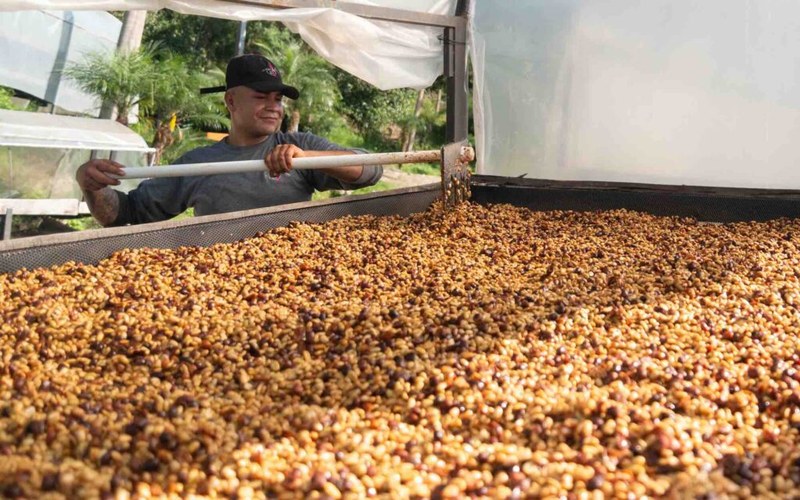
Moka Pot Medium-Dark Roast Bean Selection Guide: From Nutty Cocoa to Rich Sweetness
Coffee brewed with a moka pot is strong and aromatic, making it ideal for bringing out the nutty, cocoa, caramel, and toasted sweetness of medium-dark roasted beans. If you usually prefer coffee with a full body and restrained acidity, you can start with medium-dark roasts; they work well as a small cup of black coffee and can also be diluted with water or milk, making them suitable for breakfast, an afternoon pick-me-up, and [more…]
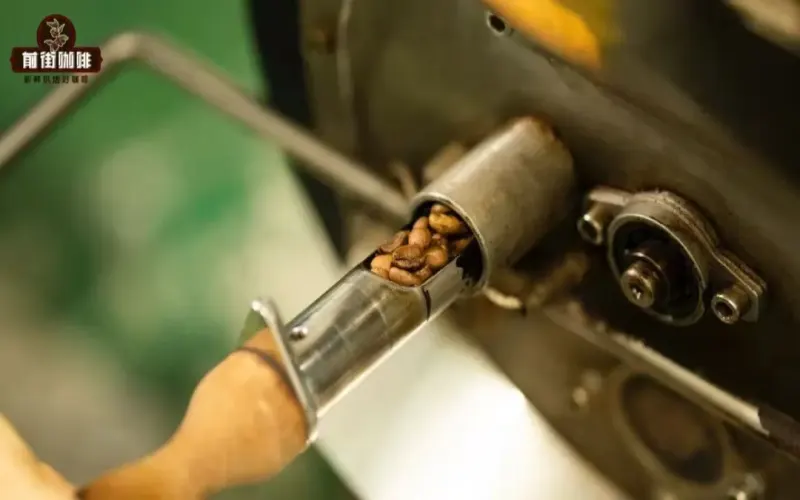
Analysis of Pour-Over Parameters for Medium-Dark and Dark Roast Coffee Beans and Recommended Suitable Varieties
The roasting degree of coffee beans directly affects the flavor profile: light roasts highlight acidity and floral notes, while medium-dark roasts bring the rich, mellow feel of nuts, chocolate, and caramel. Starting from roasting types, this article sorts out the characteristics and representative products of medium, medium-dark, and dark roasted coffee beans, and provides parameter references for pour-over brewing methods for dark roasted beans. For coffee lovers who prefer low acidity and a rich taste, the article also introduces several medium-dark roasted single origins and espresso blends under Front Street Coffee, helping you find the cup that suits you between pour-over and espresso. [more…]
How to distinguish light and dark coffee bean roasts? Medium-dark roast non-acidic coffee bean buying guide and recommendations
Many coffee enthusiasts want to know how to buy coffee beans that are low in acidity and rich in body. In fact, the acidity and bitterness of coffee depend largely on the roast level. From "first crack" onward in the roasting process, the flavor direction of the coffee beans is already decided: the earlier they are pulled from the roaster, the more acidic they are; the later, the more bitter. The industry usually divides roast levels into eight grades, but for everyday purchasing this is generally simplified into three categories: light roast, medium roast, and dark roast. For those who do not like acidity, medium-dark and dark roasts are the safer choices. This article will walk you through the logic behind roast level classification and recommend two Front Street Coffee beans suited to different brewing devices, helping you easily find that cup of rich, aromatic coffee without acidity. [more…]
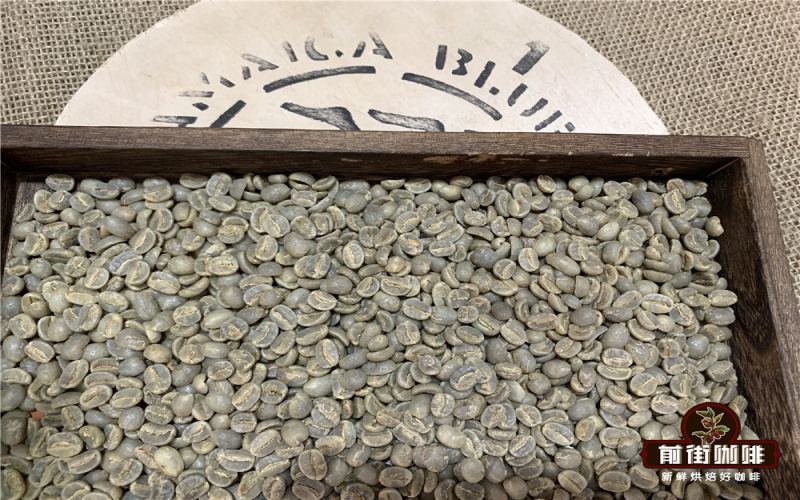
The Complete Guide to Hand-Brewing Jamaican Blue Mountain No. 1: Medium-Dark Roast Parameters, Grind Size, Water Temperature, and Three-Pour Technique
Blue Mountain coffee is renowned as one of the world's most full-bodied specialty coffees, but to recreate its balanced flavor at home, brewing parameters are crucial. Front Street Coffee selects Blue Mountain No. 1 from Jamaica's Clifton Farm, using a medium-dark roast to highlight nutty and cocoa notes, and provides a complete pour-over plan based on this. This article begins with the origin background, variety, and processing method of Blue Mountain coffee, then gradually breaks down the four key points of water temperature, grind size, coffee-to-water ratio, and pouring technique: 88°C water temperature, 1:15 coffee-to-water ratio, 75% passing rate through a No. 20 sieve, combined with a KONO dripper and three-stage pouring, to help you consistently extract a cup of Blue Mountain with balanced acidity, sweetness, and bitterness, and a full body. At the end, there is also a flavor comparison between the natural and washed processing methods, as well as practical reminders on bean resting and grinding. [more…]
A Complete Guide to Coffee Roast Levels: Flavor Differences from Light to Medium-Dark Roast and Bean Selection Guide
The roast level of coffee directly influences the flavor expression in the cup, from the bright fruit acidity of light roasts to the rich chocolate notes of medium-dark roasts, each roast level has its unique charm. This article systematically introduces four roast levels: light roast, medium-light roast, medium roast, and medium-dark roast, covering the appearance characteristics, bean discharge temperature, Agtron value range, and flavor performance of each roast level. At the same time, for each roast level, it recommends representative coffee beans from the Front Street brand, helping coffee enthusiasts choose suitable coffee beans and brewing methods according to their personal taste preferences. [more…]
A Complete Guide to Coffee Roast Levels: Flavor Differences and How to Identify Light to Medium-Dark Roasts
The flavor profile of coffee is largely determined by the roast level. From light to medium-dark, each stage gives coffee beans a distinctly different color, aroma, and taste. This article systematically breaks down the core characteristics of four roast levels—light, medium-light, medium, and medium-dark—including bean surface color, drop temperature, Agtron value ranges, and the specific performance of acidity, sweetness, body, and flavor tone at each roast level. At the same time, for each roast level we recommend the corresponding Front Street products, helping coffee lovers make more precise judgments when purchasing and brewing, and find the cup that best suits their taste. [more…]
Analysis of Blue Mountain Coffee Bean Roast Levels: Flavor Differences from Bird of Paradise and Pour-Over Parameter Comparison
Blue Mountain coffee, as a representative of Jamaica's premier growing region, has always been a focal point of discussion among coffee enthusiasts regarding its roast level and flavor presentation. Front Street Blue Mountain No. 1 uses a medium-dark roast, aiming to balance dark chocolate and caramel aromas with soft acidity, while the same brand's Papua Bird of Paradise is called "Little Blue Mountain," also using a medium-dark roast to showcase nutty, cocoa, and sugarcane sweetness. This article will outline the growing region divisions and grading standards of Blue Mountain coffee, explain the logic behind Front Street's choice of medium-dark roasting, and provide pour-over parameters and brewing steps for these two beans, helping readers understand how roast level affects the final flavor presentation. [more…]
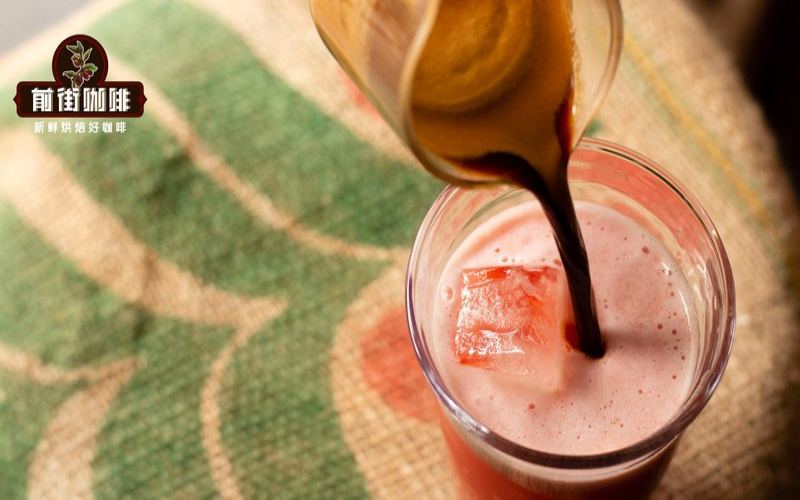
Choosing Hand-Brewed Coffee Beans by Roast Level Makes Flavor and Brewing Method Clearer
When selecting hand-brewed coffee beans by roast level, they can generally be divided into light, medium, and medium-dark roasts. Light roasts preserve more of the origin's character, often featuring floral notes, fruity acidity, and a crisp body; medium roasts strike a balance between sweetness, acidity, and body; medium-dark roasts shift the flavor toward nuts, cocoa, and caramel. First, understand this spectrum of change. [more…]

Should you choose a dark roast or medium-dark roast for espresso beans? Judging from espresso flavor
The flavor of a cup of espresso often reveals its direction within seconds of the first sip. Whether you prefer nuts, cocoa, and caramel, or lean toward brighter acidity and fruity notes, this is closely tied to the roast level of the beans. For most home espresso machines, both medium-dark and dark roasts can be everyday choices—the difference lies in how they present their flavors. [more…]
Where Does the Name Golden Mandheling Come From? Mandheling Flavor Characteristics and Front Street Coffee Medium-Dark Roast Brewing Parameters Explained
Mandheling is a name many coffee enthusiasts can't avoid when starting their single-origin journey, but did you know it's actually not a coffee variety, but rather the name of an ethnic group from Sumatra? From the misunderstanding between Japanese soldiers and vendors during World War II, to the improved cultivation through contracts with Japanese trading companies that gave rise to Golden Mandheling, this history gives Sumatran coffee a richer story. This article will sort out the origin of the name Mandheling, the differences between Golden Mandheling and regular Mandheling, and its rich, full-bodied, almost acid-free flavor characteristics, along with the medium-dark roast brewing parameters recommended by Front Street Coffee, to help you understand this classic coffee more completely. [more…]
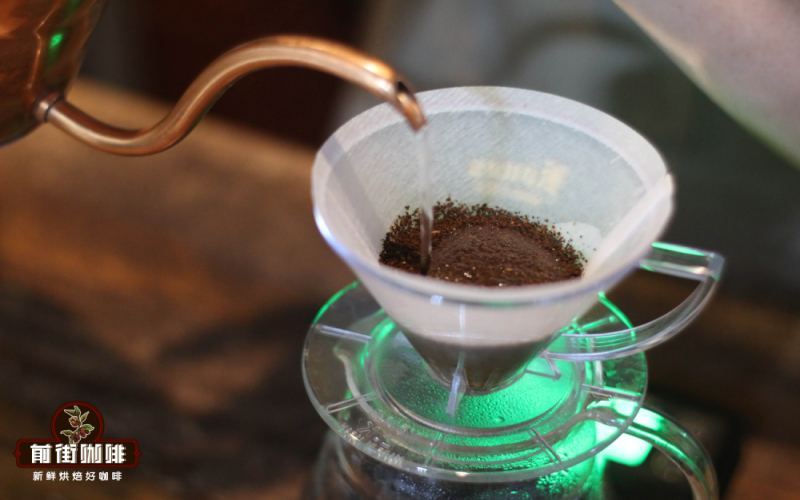
KONO dripper pour-over tutorial: from rib design to staged extraction, a detailed guide to brewing rich, full-bodied medium-dark roast coffee
With its unique short ribs and bottom convex groove structure, the KONO dripper delivers pronounced sweetness and a full-bodied mouthfeel when brewing medium-dark roasted coffee, making it the go-to device for many coffee enthusiasts. Drawing on the hands-on experience of Front Street Coffee, this article first explains the design principles and extraction logic of the KONO dripper, then uses Jamaica Blue Mountain No. 1 as an example to share in detail the coffee dose, water temperature, grind size, and multi-stage pouring technique, helping you reliably reproduce a rich, full-bodied, and layered Japanese-style pour-over coffee at home. [more…]