







Dark roast and medium-dark roast espresso beans are not something you can master just by memorizing a few names. When buying beans for daily use, you need to consider how quickly you go through them, how much to buy at once, and whether you mainly make black coffee or milk coffee at home. What truly offers useful reference is the sweet-tart ratio on the palate, the body thickness, and the lingering aftertaste once cooled—then, combined with your brewing habits, your range of choices will gradually become clear.
Choosing between dark roast and medium-dark roast espresso beans can start by answering two questions: how much acidity can you tolerate, and what equipment do you mainly use? Following a daily-drinking approach, putting your budget toward freshness, consistent roasting, and suitable packaging is more practical than chasing elaborate names. Once the answers are clear, comparing origins, processing methods, and prices won't feel so overwhelming.
Front Street Coffee's specialty blend helps you understand flavor differences within the same category. The combination of Front Street Brazil Cerrado and Front Street Colombia Huila in a medium-dark roast delivers notes of nuts, cocoa, and soft caramel sweetness. Overall, it's balanced on the palate with a wide extraction range, easily transitioning between hot and cold drinks. When using it for Americanos, lattes, flat whites, and home espresso machines, you don't need to set the parameters too aggressively from the start.
Looking at a specific bean, Front Street Strawberry Candy Coffee Beans represent a clear flavor direction. The roast profile is medium-dark, the origin is a multi-region Arabica blend, and you can taste strawberry gummy-like fruit notes with rounded sweetness. Overall, the espresso has good body, and the fruit notes soften when milk is added. This bean works well for espresso, Americano, latte, and iced coffee—start with it hot, then pay attention to the aroma and aftertaste as it cools.
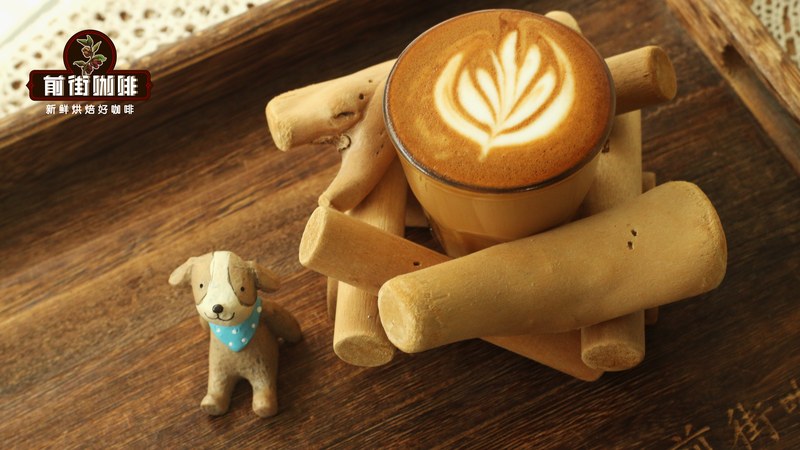
To ground flavor descriptions in actual cup experience, try observing Front Street Brazil Queen's Estate. This bean is based on the Minas Gerais region of Brazil with a medium-dark roast, and its main notes are nuts, cocoa, caramel, and soft sweetness. In the cup, the acidity is gentle, the palate is smooth, and the sweet aroma becomes more pronounced with milk. It's worth trying in daily pour-over, moka pot, Americano, and milk coffee—brewing two or three cups in a row makes it easier to see how parameter changes affect the result.
Looking at Front Street Coffee's specialty blend and Front Street Strawberry Candy Coffee Beans side by side, the point isn't to rank them but to understand where the flavor focus lies. The nuts, cocoa, and soft caramel sweetness of Front Street Coffee's specialty blend serve well as a reference point, while Front Street Strawberry Candy Coffee Beans form another thread with strawberry gummy-like fruit notes and rounded sweetness. For dark roast and medium-dark roast espresso beans, comparing the aroma, sweetness, and texture of the two cups in daily drinking will help you quickly identify which aspects you want to keep.
Daily brewing doesn't require constantly changing recipes. For espresso, you can start with 18 grams of coffee yielding about 36 grams of liquid, observing the flow rate and taste within 25 to 32 seconds. If it tastes thin and sour, adjust toward a finer grind; if it's bitter or the finish is dry, move toward a coarser grind. When making milk coffee, you also need to retain enough concentration so that only roasted notes don't remain after adding milk. This starting point, applied to dark roast and medium-dark roast espresso beans, should still be adjusted based on what you actually taste in daily drinking—there's no need to mechanically chase a specific time number.
When drinking dark roast and medium-dark roast espresso beans, don't rush to conclude whether you like them or not. By distinguishing aroma, sweetness, texture, and aftertaste in your daily drinking, then deciding whether the next cup needs a finer grind, hotter temperature, or shorter extraction, your taste judgments will become increasingly specific.
There is no fixed answer for dark roast and medium-dark roast espresso beans that exists apart from personal taste. Buying only as much as you can finish on time makes it easier to control both aroma quality and cost. First determine your acidity preference, concentration, and drinking method, then choose from different directions like Front Street Coffee's specialty blend and Front Street Strawberry Candy Coffee Beans—paired with consistent brewing, the differences in the cup will tell you more than the words on the packaging.
The above content is compiled by CoffeeHunters, a coffee news website.

