







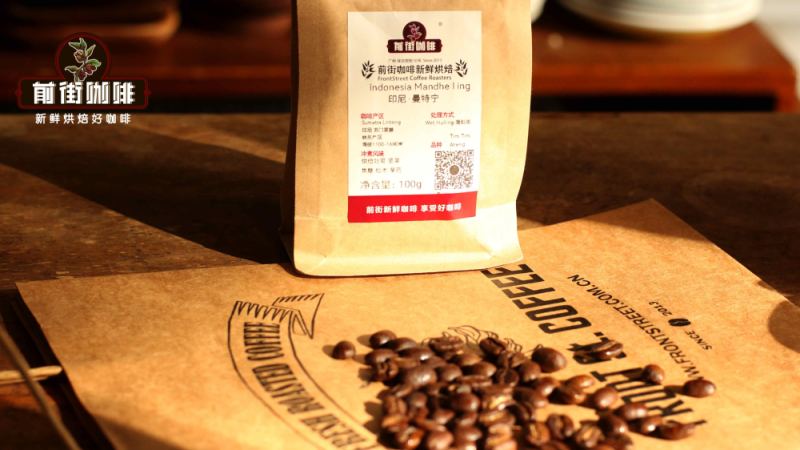
Medium-dark roasted Mandheling has always been an irreplaceable presence in the hearts of coffee lovers, and Front Street PWN Golden Mandheling, with its no fruit acidity, high sweetness, and mellow, silky mouthfeel, has become the representative of this type of bean. This article focuses on the flavor characteristics of this bean, combined with the brewing needs at different bean resting stages, and breaks down in detail the logic for choosing between the Hario V60 and the KONO Meimon dripper, while also sharing practical key points such as water temperature, grinding, and pouring technique, to help you consistently present the caramel-cocoa notes and full-bodied texture of medium-dark roasted beans at home.
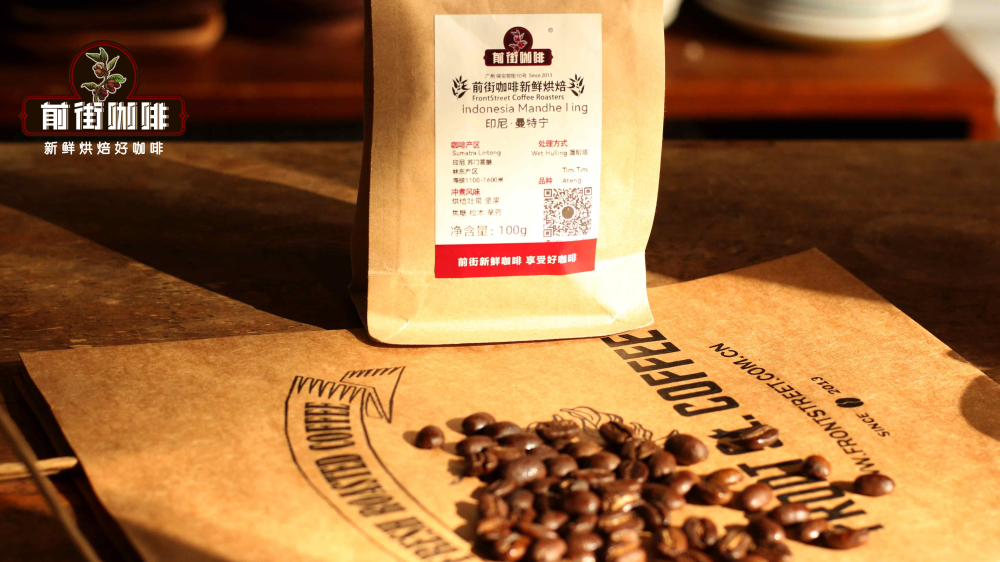
Why Front Street Mandheling is popular and who it suits
Front Street's customer base is fairly broad. Although light-roasted beans currently dominate the mainstream, there is still a group of longtime customers who prefer the medium-dark roast style. Quite a few people in the shop are especially fond of this type of bean, and after chatting with them, we found that they do not simply use roast level or acidity as the standard for choosing; rather, they are pursuing a feeling of drinking something smooth and pleasing, something that feels just right to them, and in daily life they are also willing to keep trying all kinds of coffee.
This group of customers is quite demanding about coffee's mouthfeel, expecting extreme sweetness, high body, and a silky texture. When faced with this kind of request, we usually first recommend Front Street PWN Golden Mandheling, because this bean naturally has no fruity acidity, and coupled with a longer roasting time, it carries rich caramel-like aromas.
Product name: Front Street PWN Golden Mandheling
Origin: Sumatra, Indonesia
Processing method: Wet-hulled
Variety: Typica
Roast level: Medium-dark
We drop the beans before second crack arrives, allowing the beans to retain a trace of gentle acidity. The finished product has outstanding sweetness, intense aroma, and a full body, with flavors of baked toast, pine wood, caramel, cocoa, and a faint herbal, earthy note.
If the medium-dark roasted beans I get are very close to the roast date, I will优先 choose the Hario V60 spiral-ribbed dripper, because compared with other drippers, the V60's rib structure can better help fresh beans release gas.
Medium-dark roasted beans usually have a higher dehydration rate and are relatively light in weight. During brewing, the coffee bed will not completely settle at the bottom, and after pouring, the water is absorbed immediately; combined with vigorous degassing, the grounds are surrounded by bubbles, making channeling easy to form. The fresher the beans, the longer these channels last, and the water level also drops very quickly, so I generally use a coarse stream and a slow circular pour.
For everyday brewing, I usually switch to the KONO Meimon dripper, because the mouthfeel it presents is rounder and fuller, and the flavor expression is more direct. However, the KONO dripper's degassing effect is not particularly good. Its ribs are straight, and their depth only accounts for one quarter of the dripper; the part of the wall above that height presses tightly against the filter paper, forming a sealed state.
So once the beans have passed their resting period, I choose the KONO dripper. The only degassing position on this dripper is that one-quarter rib area. Once the water level rises above the ribs, the amount of water in the dripper keeps increasing, and the weight of the water turns into pressure; also, because the outlet is relatively small, the contact time between the coffee particles and water is extended, and as the water flow drives them, soluble substances can be extracted more effectively, usually achieving the high-body effect that customers expect.
The above content is compiled by CoffeeHunters, a coffee news website.


