







Search Results for: Los Suyates Farm
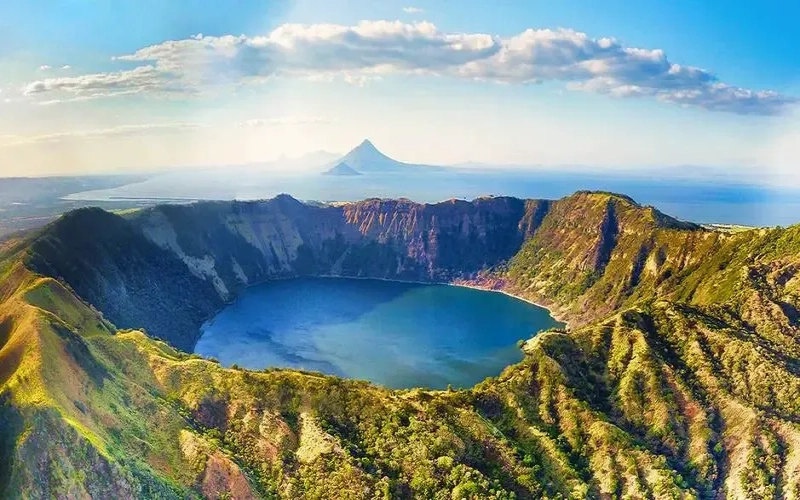
Nicaragua Nueva Segovia Coffee Region: High-Altitude Volcanic Soil and Emerging Prominence at COE
Central America has agriculture as its economic backbone, and its volcanic ash-rich soil and diverse climates have nurtured the coffee industries of countries such as Nicaragua. Although Nicaragua is not as renowned as Costa Rica or Panama, its growing conditions are by no means inferior. This article focuses on Nueva Segovia, one of the three major producing regions in the country's north—adjacent to Honduras, with the highest altitude and relatively low humidity, where concentrated sugars bring high sweetness and complex flavors. This region regularly appears on Nicaragua's COE list, and Los Suyates farm even won first place in 2022 and took second place in 2024. Front Street Coffee will also walk you through this coffee history, from the colonial period to the rebuilding of cooperatives. [more…]
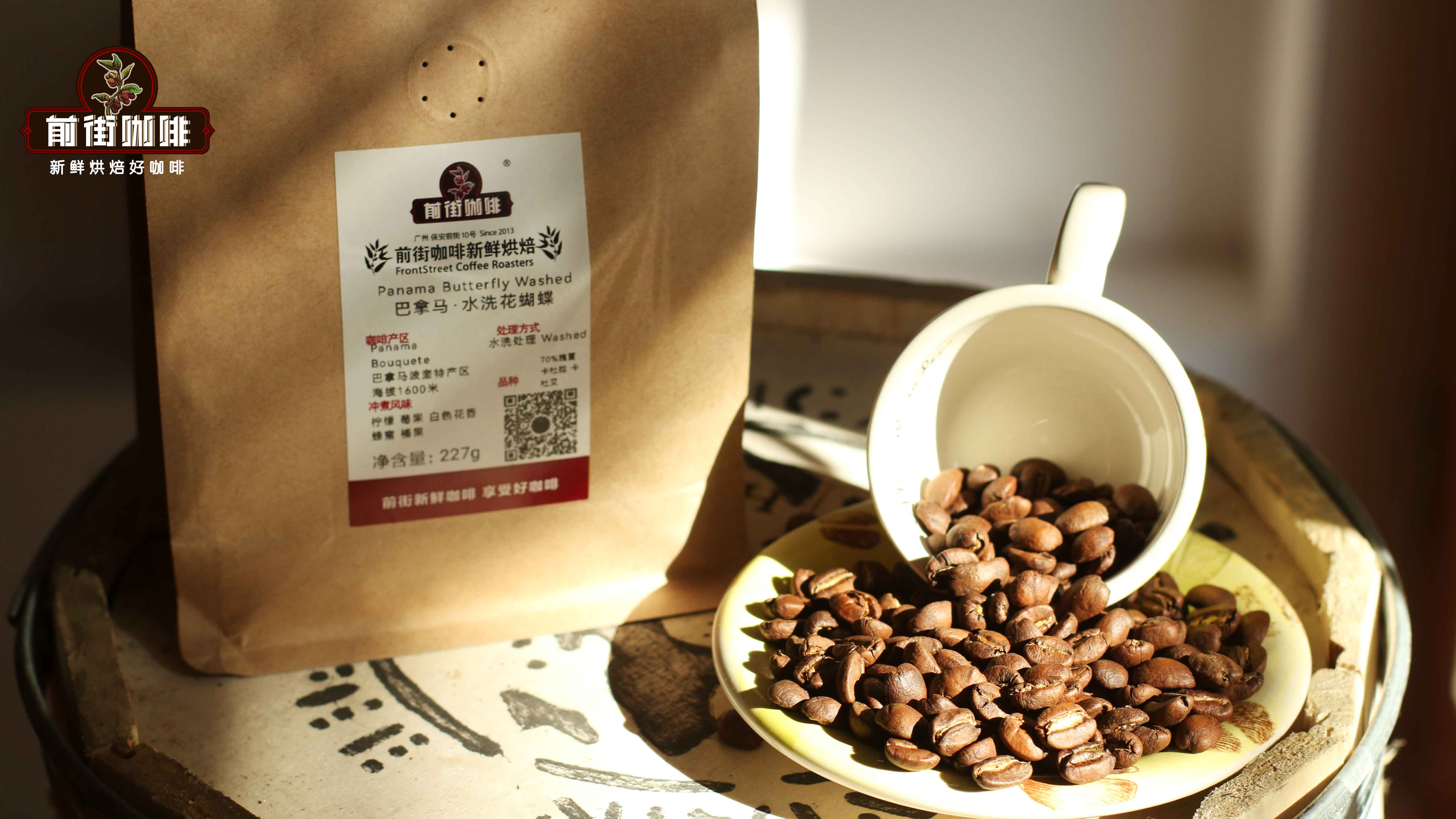
Panama Los Lajones Estate Honey Process Coffee Analysis: A Guide to Recommended Pour-Over Single-Origin Beans from the Boquete Region
Panamanian coffee was long undervalued on the international stage, until the Best of Panama cupping competition and the rise of Hacienda La Esmeralda completely turned things around. Beyond the Geisha variety, Panama has many outstanding estates worth attention, and Los Lajones Estate is one of them. This century-old small farm in the Boquete region is renowned for its honey processing method, and estate owner Graciano Cruz is a pioneer in advancing honey processing technology. This article provides a comprehensive analysis of the unique charm of this honey-processed coffee, from the region's background and the principles of the processing method to its flavor characteristics, and recommends several of Front Street Coffee's Panamanian single-origin beans, including the Geisha series and Elida Estate's sun-dried Typica, offering coffee enthusiasts a purchasing reference from beginner to advanced. [more…]
Costa Rica Cloud Estate Geisha Coffee: A Full Analysis of the Washed Process Flavor and the Los Santos Region
Located in the Los Santos region of Costa Rica, Cloud Mist Estate sits at an altitude of over 2,000 meters. With a century of history and a dedication to quality, it cultivates Geisha coffee with a uniquely distinctive flavor. This article provides an in-depth analysis of the terroir advantages of the Los Santos region, the cultivation philosophy and processing methods of Cloud Mist Estate, and focuses on the jasmine, mango, yellow apricot, coconut, and lactic flavors presented by the washed Geisha. At the same time, Front Street Coffee shares pour-over parameters and a three-stage pouring technique, taking you through the full experience of this high-altitude Geisha's vibrant acidity and sweet, lingering finish. [more…]
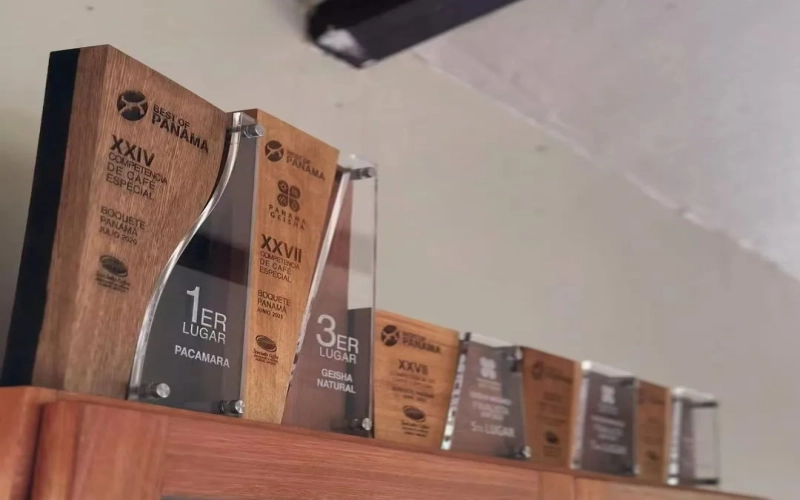
A Complete Guide to Panama Hacienda La Esmeralda Geisha: From Family Legacy to the Sun-Dried Flavors of the Alpine Plot
On the map of Panamanian specialty coffee, Hacienda Jason is a name that cannot be overlooked. Since making its debut at the Best of Panama competition in 2013 and appearing on the list year after year, this three-generation family farm has won the favor of many professional competitors with its refined Geisha flavor profile, frequently appearing on international exhibition stages. Today, Front Street Coffee takes you deep into this famous estate: from the dairy business of Swedish immigrants in 1926, to formally entering the coffee field in 1989; from the microclimates of the two high-altitude plots, the Lagoon and the Alps, to environmental practices such as enzyme-microbial soil care and solar circulating-water processing; and then to the natural-process Geisha lot#364 that Front Street Coffee acquired this year, which in cupping presents grape juice, berries, fermented wine aromas, and elegant floral notes. Whether you want to understand the estate's history or explore the terroir code behind Geisha's flavor, this article will present it all to you one by one. [more…]
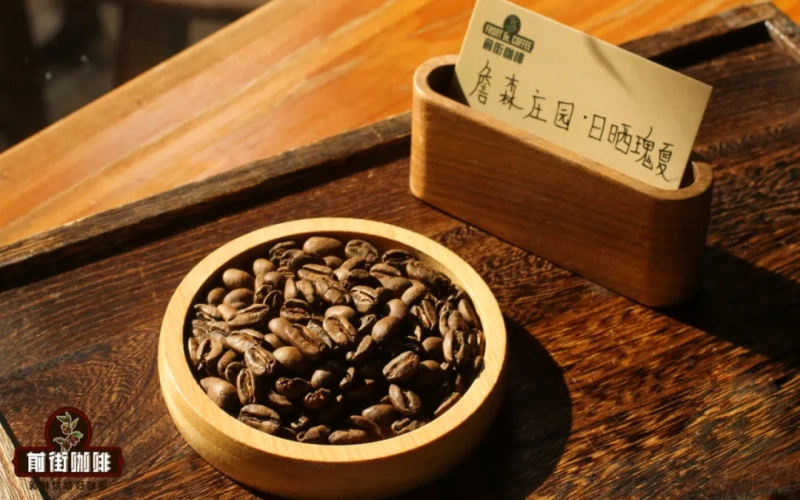
Panama Hacienda La Esmeralda Geisha: Flavor Differences Between Natural and Washed Processing Methods and the Estate's Story
Hacienda La Esmeralda's Panama Janson Estate is a regular on the BOP award list, and its Geisha coffee is renowned for its delicate and complex floral and fruity aromas. This article starts with a Janson natural Geisha #364 batch sourced by Front Street Coffee, and through cupping evaluation, provides a detailed comparison of the flavor differences brought by natural and washed processing methods. At the same time, it delves into the Janson Estate's century-old family history of transitioning from the dairy business to coffee cultivation, analyzes the terroir characteristics of the two major plots, Lagoon and Alpine, and explores the estate's unique approaches to ecological protection and meticulous management. Whether you are a Geisha enthusiast or a coffee professional, you can gain comprehensive knowledge and brewing suggestions about this top-tier Panamanian Geisha. [more…]
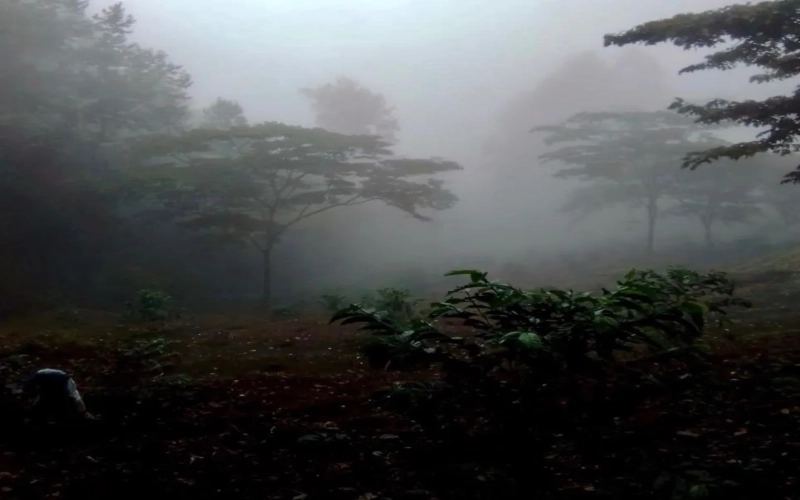
2024 Nicaragua COE Champion Alpine Estate: The Road to Consecutive Wins in the Nueva Segovia Region
The 2024 Nicaragua Cup of Excellence (COE) has concluded, with a sun-dried Geisha from Finca Los Alpes in the Nueva Segovia region winning the championship with a score of 91.1, successfully defending its title. This article will guide you through Nicaragua's coffee-growing environment and the distribution of its main production regions, and take a deeper look at this champion estate that has won the COE for two consecutive years. From the two farms owned by estate owner Olman Balladares, to the planting layout of varieties such as Caturra, Catuai, Bourbon, and Geisha, and to the coffee research and quality control team behind them, we will explore the origins of their excellent results. At the same time, Front Street Coffee will also recommend related products for you. [more…]
Colombia 2011 COE Champion Estate: Full Analysis of Spring Estate Coffee Flavor and Origin
Colombia, as the world's third-largest coffee-producing country, nurtures countless specialty coffees thanks to the diverse microclimates and high altitudes of the Andes. In 2011, a tiny 2.8-hectare farm—Finca La Primavera—claimed the COE championship with a record-breaking price of $45 per pound. It belongs to the Los Naranjos Coffee Association and is carefully managed by farm owner Arnulfo. This article takes you deep into the industrial background of Colombian coffee, the ecological processing innovation, and the cultivation details, cupping flavors, and judge comments of Finca La Primavera. Front Street Coffee especially recommends this champion farm bean, with rich layers from almond and longan flower tea to grapefruit acidity—worth savoring slowly by coffee lovers. [more…]
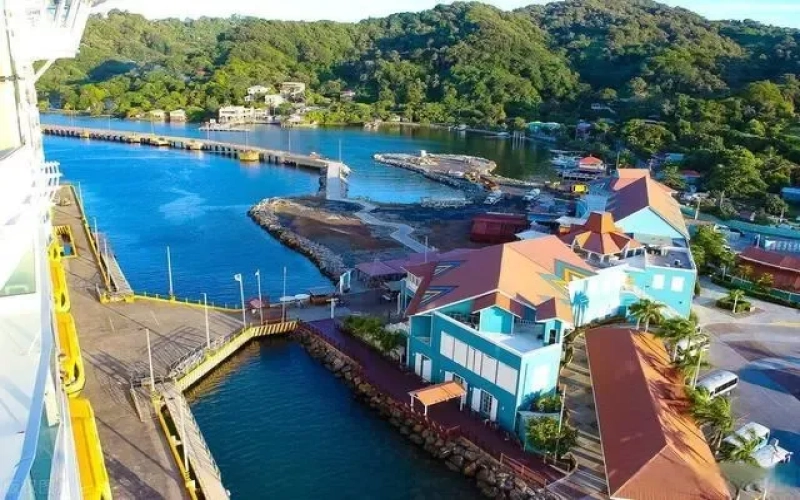
Exploring Honduras Coffee Regions: The Rise of Montecillos and Los Pinos Estates
Honduras, as the second-largest coffee exporter in Central America, nurtures exceptional coffee beans thanks to its diverse climates and high-altitude mountains. This article will guide you through the historical development of Honduran coffee, the distribution of its six major regions, with a special focus on the terroir characteristics of the Montecillos region, as well as the outstanding performance of Los Pinos Estate in Intibucá Province, which secured third place in this year's COE competition. Whether you are a coffee enthusiast or a professional in the industry, you will be able to appreciate the unique charm of Honduran coffee. Front Street Coffee also keeps a close eye on this region, bringing you the latest updates. [more…]
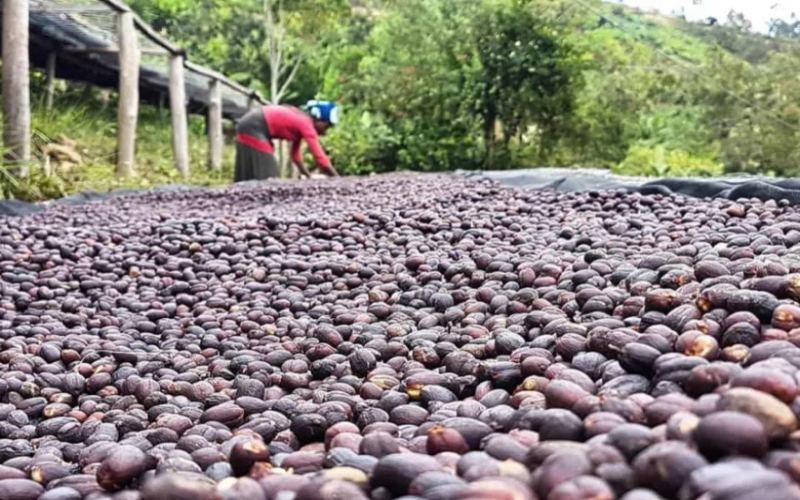
Finca El Fuego: Naturally Processed Geisha Grown in Volcanic Ash Soil
In the 2025 Best of Panama Natural Geisha category, Finca Los Cenizos placed second with 96.25 points, behind only Hacienda La Esmeralda's 97-point lot. The estate's name, Cenizos, literally translates to "ashes," evoking [more…]
Hacienda La Esmeralda: Geographic Location and Sun-Dried Flavor Analysis of Panama BOP's Perennial Geisha Champion Estate
Hacienda La Esmeralda? No — Janson Coffee Farm is a name that cannot be overlooked on Panama's specialty coffee map. Since its debut at the Best of Panama (BOP) in 2013, it has repeatedly appeared on the winners' list. This family farm, now in its third generation, has become the showcase choice of many professional competitors thanks to its exquisite Geisha flavors. In this article, Front Street Coffee will provide a complete overview of Janson Coffee Farm, covering its history, geographical location, growing plots, processing methods, and the cupping performance of its natural Geisha, introducing you to this famous Panamanian estate located near the Talamanca Mountains and bordering a nature reserve. [more…]

Overview of El Salvador's Six Major Specialty Coffee Regions: Bean Varieties, Flavor Characteristics, Grading Standards, and Brewing Notes from Representative Estates
Although El Salvador is a small country, it was once the fourth-largest coffee producer in the world. The civil war once left the industry in decline, and although it has gradually recovered today, production has struggled to return to its former peak. After recently cupping several Salvadoran coffees, Front Street found that regardless of which producing region they come from, a delicate and soft acidity along with a sweet, balanced mouthfeel are always common characteristics of the country's coffee. This article reviews the geographical and flavor differences of six specialty producing regions, explains the SHG and CS grading system based on altitude, and records the roasting, cupping, and brewing performance of the Bourbon from Chocolate Lover Estate and the Black Honey Pacamara from Posido Estate that Front Street acquired, for the reference of coffee enthusiasts. [more…]
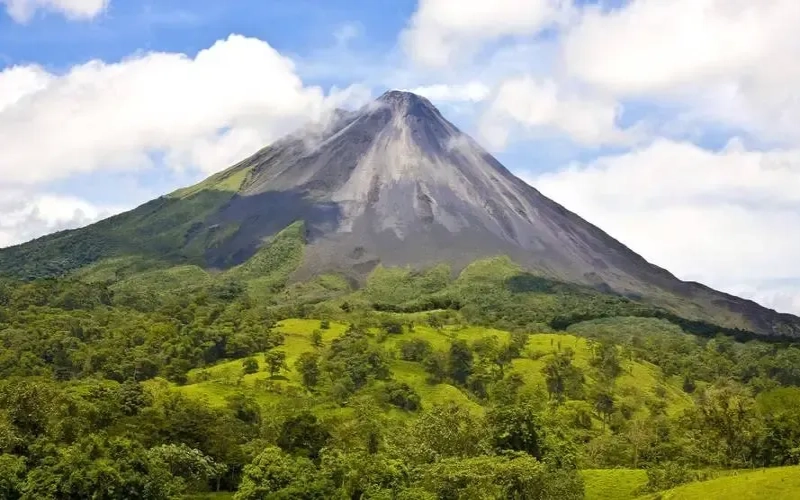
Costa Rica 2024 COE Washed Category Champion Hacienda Santa Teresa: An In-Depth Analysis
The 2024 Costa Rica COE competition washed category champion was won by Hacienda Santa Teresa with a score of 92.04. What exactly makes this estate, located in the Tarrazú production region, so unique? As a major coffee powerhouse in Central America, Costa Rica has seven distinctive production regions, among which the Los Santos area attracts much attention because of Tarrazú's fame. Hacienda Santa Teresa is situated in the high-altitude zone of the Cordillera Central at 1,900-2,050 meters, cultivating varieties such as Geisha, Sudan Rume, and Pacamara, and has long participated in the Blue Flag environmental certification program. This article will guide you through Costa Rica's coffee terroir, its production region divisions, and Hacienda Santa Teresa's progression from eighth place in the 2022 COE to champion in the 2024 washed category. Front Street Coffee will also recommend related products for you. [more…]
A Complete Analysis of El Salvador's Coffee Regions, Flavors, and Varieties: Aida Batlle and Her Bourbon Cultivation Legacy
Salvadoran coffee is renowned for its steady, mellow body paired with a lively, complex aroma. In the late 19th century, coffee cultivation took root in this land, and the upheavals of civil war paradoxically allowed many old varieties to survive. This article will guide you through the flavor characteristics of Salvadoran coffee, its main varieties, and the moving story of the legendary female coffee farmer Aida Batlle—returning from the United States to her homeland, winning the COE and setting a price record, and her commitment to organic farming and low-yield, high-quality Bourbon. At the same time, Front Street Coffee also recommends related products for you, so you can experience the unique charm of Central American coffee together. [more…]
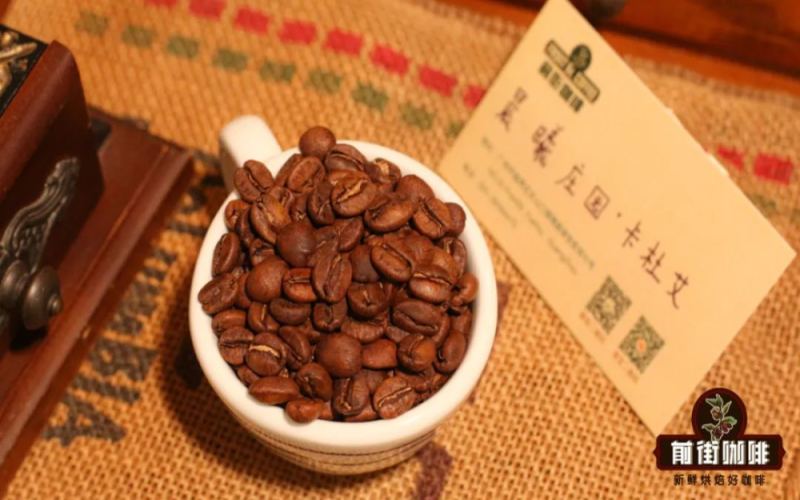
How to drink Costa Rican Red Honey coffee beans? Hand-brew parameters and flavor analysis of Hacienda El Mirador Catuai
Costa Rica is renowned for its honey-processed coffee, and Hacienda El Mirador in the Tarrazú region is a prime example. This Front Street Coffee Costa Rica Hacienda El Mirador Red Honey Catuai comes from the Tarrazú region at an altitude of 1,750 meters, employs the red honey process, and showcases rich flavors of sweet orange, cream, grapefruit, honey, and black tea. This article will guide you through Hacienda El Mirador's growing background, the characteristics of the Catuai variety, and the features of the red honey process, while sharing Front Street's cupping experience and pour-over parameter recommendations to help you better brew this exceptionally sweet coffee. [more…]
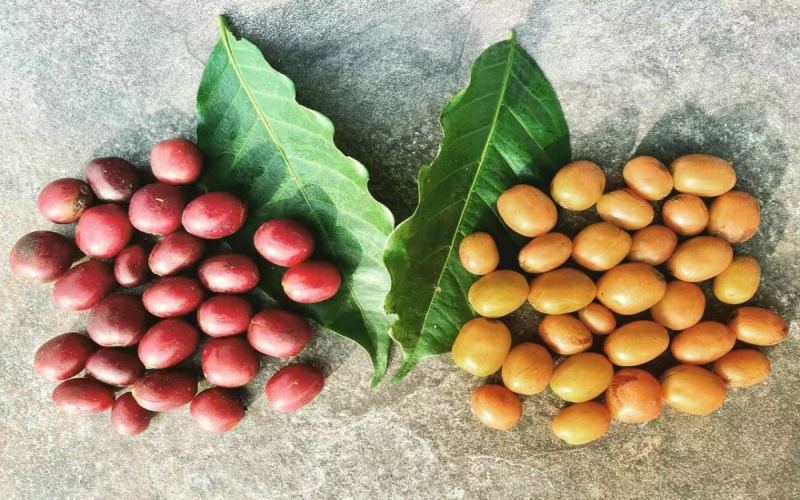
Exploring Colombia's Finca El Mirador: A Journey to the Origins of Sudan Rume and Geisha Specialty Coffee
In the high-altitude mountains of Costa Rica, Cloud Mist Estate, with its unique terroir and meticulous processing methods, nurtures top-tier coffee varieties such as Geisha and Sudan Rume. This article will take you deep into the natural advantages of the Los Santos region, analyze the varietal origins of Geisha and Sudan Rume, and share brewing suggestions from Front Street Coffee. From historical context to processing techniques, from varietal characteristics to pour-over parameters, it presents the fascinating world of specialty coffee in every aspect. [more…]
Finca Cantera: A Family Farm Run by the Garrido Sisters
On the 2025 BOP Traditional Variety Group podium, standing behind Hacienda La Esmeralda and Dark Moon Estate, was Cantera Farm—92.25 points, third place. This result belongs to the Garrido family, to the then-estate manager Gis [more…]
Costa Rica Dawn Estate Red Honey Catuai: Tarrazu Origin Flavor and Variety Analysis
In coffee cupping, sweetness is often the key to a higher score, and Costa Rica, with its diverse honey processing methods, has become a representative origin for high-quality sweetness. In this article, Front Street will focus on a red honey processed Catuai from Dawn Estate in the Tarrazu region of Costa Rica, breaking down everything from the estate's story, the terroir of Tarrazu, and the characteristics of the Catuai variety to the details of red honey processing. The estate is located at an altitude of 1,750 meters, surrounded by pristine green belts, and practices ecological principles through meticulous plot management. Through cupping records, we will present the sweet orange, cream, grapefruit, honey, and black tea flavors this bean displays in dry aroma and slurping, and share its flavor performance under a medium-light roast. [more…]
An In-Depth Analysis of Costa Rican Tarrazú Los Santos Black Honey Process SHB Specialty Coffee
Specialty coffee refers to coffee made from raw beans with outstanding flavor grown in a few ideal geographical environments, strictly selected and graded, hard in texture and rich in taste. This article focuses on the Costa Rica Tarrazu Black Honey Process Strictly Hard Bean recommended by Front Street Coffee, and provides an in-depth introduction to the terroir conditions of the Los Santos producing region, planting and harvesting details, as well as the differences between black honey, red honey, and yellow honey in honey processing. Thanks to the basin topography, warm humid air currents, and fertile volcanic ash soil, this producing region nurtures coffee that combines high body, clean high acidity, and rich aroma, with flavors presenting a tropical fruit bomb of cantaloupe, durian, cranberry, and grape juice along with rich jujube tea notes. [more…]

A Detailed Explanation of Costa Rica's Red Honey Processing Method and a Full Analysis of Hacienda El Mirador's Cultivated Varieties
Costa Rican honey-processed coffee has long been famous for its outstanding sweetness, and Hacienda El Mirador is one of the representatives of this style. This micro-estate, located in the Tarrazú region, sits in a valley at an altitude of 1,750 meters and mainly cultivates three varieties: Catuai, Ethíopia 47, and Geisha. The red honey-processed Catuai from Hacienda El Mirador that Front Street Coffee has acquired this time is presented as a medium-light roast and, in cupping, displays rich layers of sweet orange, cream, grapefruit, honey, and black tea. This article will guide you through the specific steps of red honey processing, as well as the cultivated varieties and estate story of Hacienda El Mirador, to explore the mystery of honey-processed sweetness together. [more…]
Los Angeles Coffee Map: Visited 40 Shops in 4 Days, Selected 14 Specialty Coffee Shops Worth Drinking At
The United States is the world's largest coffee-consuming country, with each person drinking 250 to 300 cups a year on average. For a long time, the weak flavor of American drip coffee and the burnt bitterness of dark roasts led Europeans to mock it as "sock juice," but the third-wave specialty coffee movement has made the United States a leader. The author went deep into Los Angeles, a major coffee hub on the West Coast, drank at forty shops in four days, and selected fourteen reliable, comfortable, and worthwhile cafes, including the award-winning Portola, Bar Nine, which uses ModBar, and Go get em tiger, owned by barista competition champion Charles Babinski. The article also includes his experience of unexpectedly meeting an idol and his observations on the polarization of American coffee during this trip. This article is recommended for reading by Front Street Coffee. [more…]