







How Does Coffee Development Shape Panama's Honey Process Beans?
Panama specialty coffee was long underrated until a reliable of Panama cupping competition and Hacienda La Esmeralda changed how the world viewed the country's beans. Los Lajones Estate, a century-old farm in the Boquete region, stands out for its honey processing method, and owner Graciano Cruz helped promote that technique. The estate's honey-processed beans show how coffee development in Panama moved beyond Geisha alone.
The farm sits in Chiriqui Province, near western Costa Rica, where most Panamanian coffee is grown. Typica and Caturra are the main planted varieties, and the country's intense floral aromas and clean fruit tones often cup above higher-priced coffees. For contrast, what is puerto rican coffee reflects a different Caribbean profile, while Panama remains known for bright, floral single-origin lots from Boquete.
Panama coffee has long been underrated on the international stage, until the Best of Panama cupping competition and the rise of Hacienda La Esmeralda completely reversed the situation. Besides the Geisha variety, Panama has many outstanding estates worth attention, and Los Lajones Estate is one of them. This century-old small farm in the Boquete region is famous for its honey processing method, and its owner Graciano Cruz is a pioneer in promoting honey processing technology. This article will comprehensively analyze the unique charm of this honey-processed coffee from the region's background and processing principles to flavor characteristics, and recommend several Panama single-origin beans from Front Street Coffee, including the Geisha series and Elida Estate sun-dried Typica, providing coffee lovers with purchasing references from beginner to advanced levels.
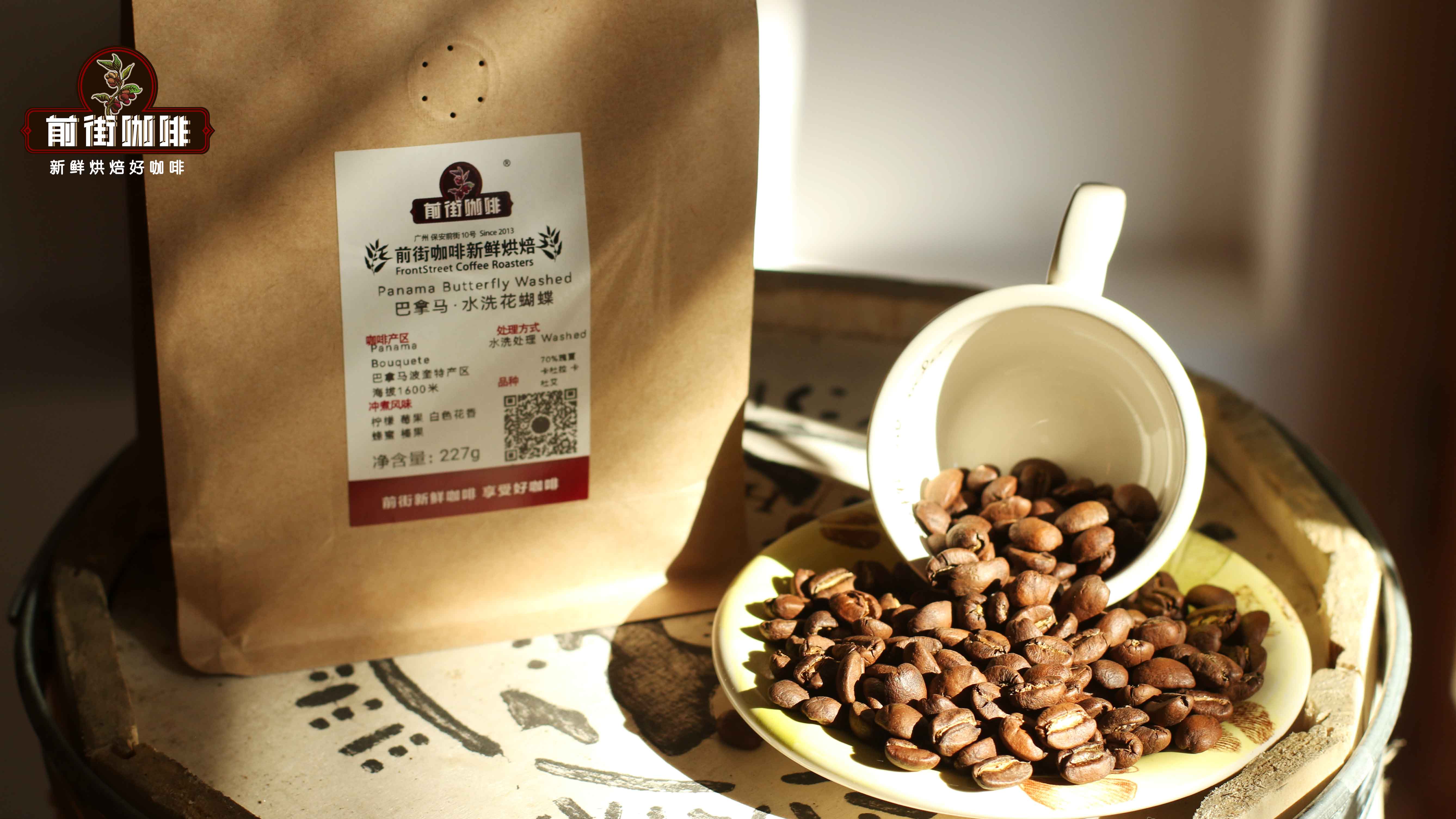
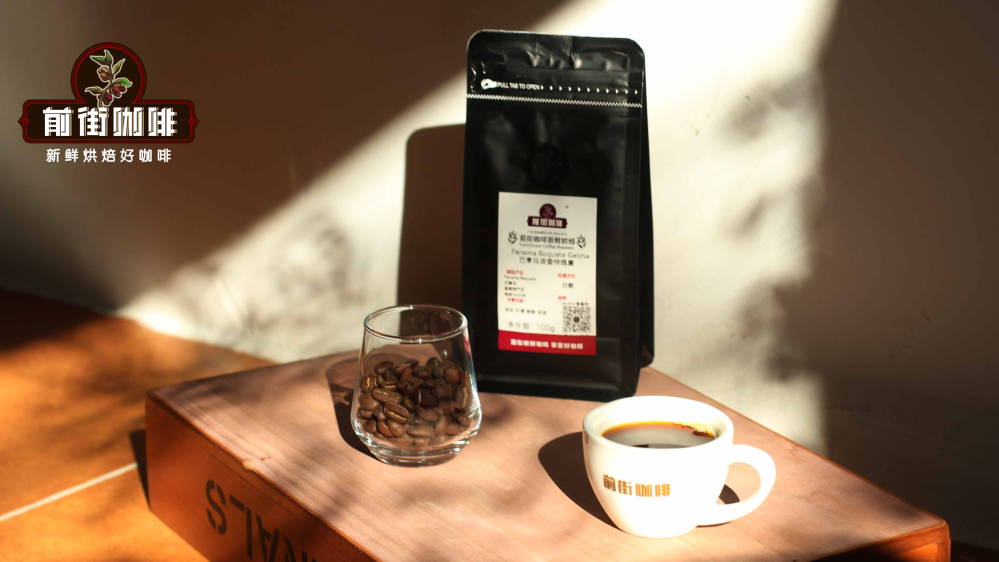
When it comes to Panama coffee, the Geisha variety is often the first choice. Front Street Coffee recommends several single-origin beans worth trying: Front Street Butterfly, Front Street Esmeralda Red Label Geisha, Front Street Esmeralda Green Label Geisha, and Front Street Boquete Geisha suitable for beginners. This entry-level Geisha comes from the core producing region of Panama specialty coffee, presenting intertwined flavor layers of citrus, jasmine, pomelo, melon, and honey sweet potato, with quite high recognizability—you can feel the premium quality of Panama Geisha almost from the first sip.
Front Street Hand-Brewed Single-Origin Coffee Bean Recommendation-- Panama Elida Estate Sun-Dried Typica
In the course of coffee development, Panama coffee was long underrated or even overlooked. This situation did not undergo a fundamental change until the annual international cupping competition "Best of Panama" was held and Hacienda La Esmeralda rose to prominence. The reason this cupping competition attracts global attention is not only the charm of the coffee itself but also the jaw-dropping record-breaking prices. Geisha varieties produced by some small farms, with their unique floral aromas, further focused the world's coffee lovers' attention here. In fact, Panama's good coffee is not limited to Geisha; most of the planted varieties are Typica and Caturra. Coffee cultivation is found almost throughout the country, especially in Chiriqui Province near western Costa Rica, where many high-quality coffees originate. Panama coffee is known for its intense floral aromas and clean fruit tones, with cupping quality often surpassing many higher-priced coffees, delivering stunning flavors with consistent quality performance.
Panama coffee is widely used in both specialty roasting and commercial roasting. What attracted Direct Coffee's attention were some family-run small farms in the Boquete region of Chiriqui Province. These farms indeed produce distinctive coffee cherries. Each harvest season, the farms hire local N'gbe Indians to participate in picking, following Central American labor laws and paying the most reasonable wage standards.
The coffee bean bag simply records that this is Los Lajones Estate
The large HONEY text indicates these are specially honey-processed beans, and the farm is located in the Boquete region
Panama in Central America is a country very much worth looking forward to
In 2011, Direct Coffee introduced the first-ever Panama honey-processed coffee beans. Los Lajones Estate is located in the Boquete region and is a century-old small excellent estate. The current estate owner Graciano Cruz is a conscientious farmer who loves coffee, and his farm was also among the earliest pioneers in developing honey processing. The basic principle of honey processing is: only harvest fully ripe coffee cherries and measure the sugar content of the beans. During the ripe harvest period, immediately after each day's harvest, the freshly picked cherries are gathered, the skin and pulp are removed, but the fresh mucilage is retained on the bean surface, then spread on outdoor raised bamboo racks. A drying period of usually 10 to 12 days is required, at the end of which the beans have a moisture content of about 11%, then they are wrapped in parchment, the mucilage is removed by machine, and the beans are cleaned and bagged. Honey processing can truly solve the problem of the huge capital required to build water treatment plants and sun-drying facilities. Another advantage is that it allows remote small farms to avoid quality degradation caused by excessive fermentation during transport of freshly picked cherries. This indeed provides an opportunity for small-yield, small-scale excellent farms to stand out.
The distinct yellowish-brown mucilage visible on the green coffee beans is precisely the main reason why Panama Los Lajones Estate has complex and varied flavors with fermented fruit wine notes.
The beans are very precious, packaged in vacuum zip-lock bags at the factory to prevent loss of aroma and moisture. Overall, Panama Los Lajones Estate is like a bag of fruit rather than coffee, resembling kumquat fruits from a distance.
Property Characteristics: Farm Characteristics
Farm Name: Los Lajones Estate
Farmer: Graciano Cruz
Awards: 12th Best of Panama 2008
Region: Boquete
Location: Eastern slopes of Volcan Baru
Country: Panama
Farm Size: 160 Hectares
Altitude: 1,750——2,100 meters
Annual Precipitation: 3500 mm
Soil: Volcanic clay
Type of Shade Trees: Ingas
Certification: Organic cert. by Bio Latina
Coffee Characteristics:
Variety: Geisha , Caturra, Yellow Catuai, Pacamara, etc. planted together
Processing System: Honey processing, African raised beds
Flowering period: April – June
Harvest period: January – April, one harvest per year
Aroma/Flavor: Strawberry aroma, orange, honey, brown sugar, grape, pineapple, mango, cherry, fermented fruit notes
Acidity: Chamomile-like acidity, tartaric acid, sweet, lively fruit acidity, orange soda notes
Complexity and other: Very complex and varied, hazy mouthfeel, and unique flavors like guava fruit wine, long sweet honey-like finish, dark chocolate aroma.
The above content is compiled by CoffeeHunters, a coffee news website.


