







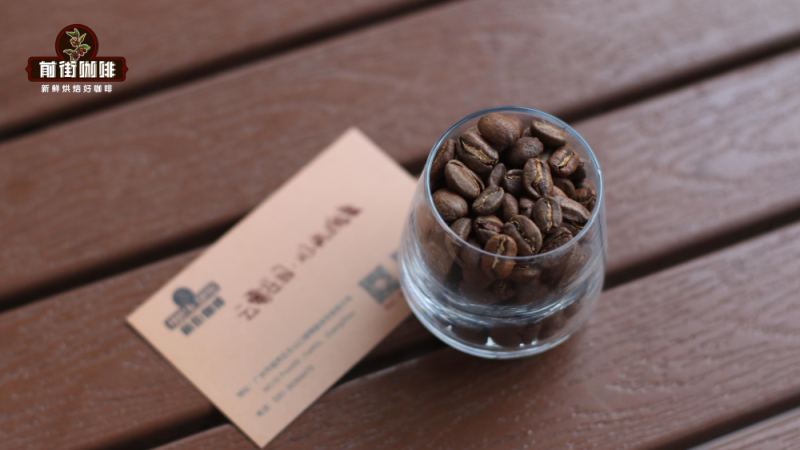
What makes the geisha coffee variety stand out in Los Santos?
Las Nubes Estate sits above 2,000 meters in Costa Rica's Los Santos region, where the geisha coffee variety is grown and washed to express jasmine, mango, yellow apricot, coconut, and lactic notes. The high altitude slows cherry growth, making beans denser and concentrating flavor compounds. The result is a cup with pronounced acidity and a sweet, lingering finish.
Los Santos covers roughly 22,000 hectares of coffee farms, most averaging 2.5 hectares, and over 95 percent of production reaches SHB grade, Costa Rica's top bean hardness standard. A five-month harvest from November to March falls in the dry season, which suits sun-drying. Only coffee grown above 1,400 meters typically reaches that hardness.
Perched in Costa Rica's Los Santos region at over 2,000 meters above sea level, Las Nubes Estate draws on a century of history and a relentless pursuit of quality to cultivate a Geisha coffee of remarkable character. This article takes a deep dive into the terroir advantages of the Los Santos region, the cultivation philosophy and processing methods of Las Nubes Estate, and spotlights the jasmine, mango, yellow apricot, coconut, and lactic notes expressed in its washed Geisha. Front Street Coffee also shares pour-over parameters and a three-stage pouring technique to guide you through this high-altitude Geisha's full-bodied acidity and sweet, lingering finish.
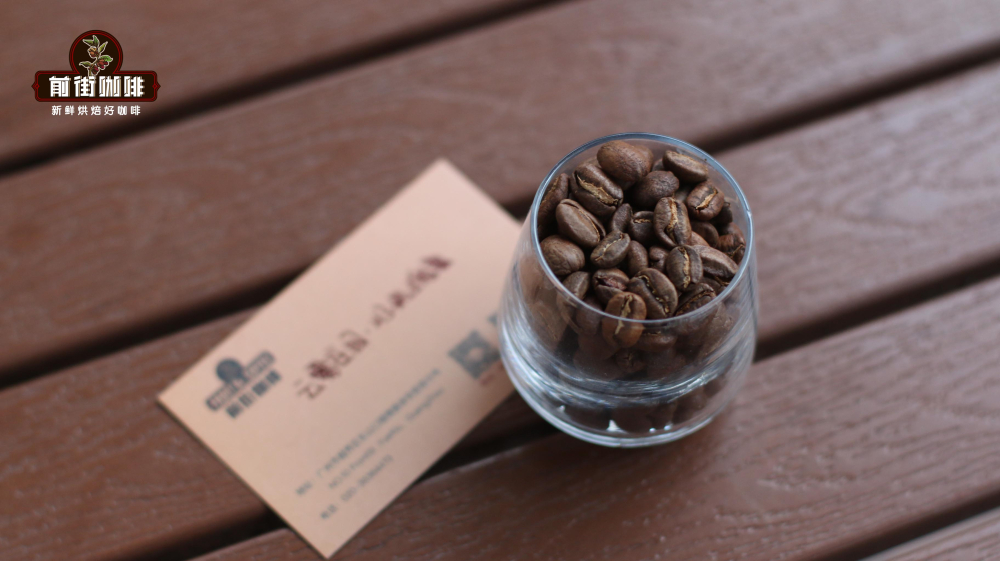
Front Street Los Santos Las Nubes Washed Geisha
Country: Costa Rica
Region: Los Santos
Estate: Las Nubes
Processing Method: Washed
Variety: Geisha
Altitude: 2,000 m
Flavor: Jasmine, mango, yellow apricot, coconut, lactic
Los Santos Region
Los Santos is embraced by the mountains of the Pacific slope, forming a natural sanctuary for forests and birds. Since the mid-19th century, residents of the Central Valley gradually migrated here, carving out coffee farms across these towering mountains, narrow valleys, and steep slopes.
The region's coffee-growing area covers roughly 22,000 hectares, made up of small farms averaging just 2.5 hectares, with over 95% of the beans produced reaching SHB grade. This grade is the highest standard in Costa Rica's green bean hardness classification and represents the finest quality.
Under the same latitude and plot conditions, higher altitude increases the temperature difference between day and night, thereby extending the coffee's growth cycle, making the beans denser, allowing nutrients to accumulate more abundantly, and rendering flavor compounds more pronounced. In Costa Rica, only coffee grown above 1,400 meters typically achieves this hardness standard, with correspondingly richer and more striking flavor expression.
What enables Los Santos to produce exceptional coffee, beyond its high altitude, is its distinct rainy and dry seasons—the rainy season lasts seven months (May to November), while the dry season runs from December through April. This climatic rhythm favors coffee flowering and harvesting. The five-month harvest period from November to March coincides with the dry season, providing ideal conditions for sun-drying the coffee.
Las Nubes Estate
Las Nubes Estate is located in Santa María de Dota, San José Province, Costa Rica. The estate sits above 2,000 meters, and because the plot is strewn with rocks and the land is fairly fragmented, the total planted area is only 1 hectare.
In the 1920s, when the first-generation owner Isidro Batlle bought this farm, he was struck by its high altitude and named the estate Finca Las Nubes, meaning "the clouds." Today, the estate has passed its centennial yet remains a benchmark for high-quality coffee in the region.
To consistently produce exceptional coffee, generations of estate owners have continually introduced innovative equipment, refined processing methods, and carried out various experiments. Beyond the Geisha variety, the estate also grows Typica Mejorado, Kenya, Castillo, and other varieties from different regions, maintaining the diversity of coffee trees on the farm while also serving as variety research for leaf rust cases.
The estate primarily uses three processing methods: washed, natural, and honey. In recent years, anaerobic processing has grown increasingly popular, and in 2022 the estate released its first batch of coffee subjected to 72-hour anaerobic fermentation with coffee cherry enzymes, naming the process Juicy Natural.
Every summer, ripe coffee cherries are harvested by experienced Panamanians, processed through various methods, and finally dried on greenhouse racks at 2,100 meters. The coffee Front Street Coffee acquired this time is a washed Geisha.
Geisha Coffee Variety
The Geisha variety grown in Costa Rica is the one we know as Geisha T2722, the same variety grown in Panama, characterized by bright citrus acidity and fresh floral notes.
The Geisha variety was first collected from Ethiopia's coffee forests in the 1930s. It was subsequently sent to the Lyamungu Research Station in Tanzania and introduced to CATIE (Centro Agronómico Tropical de Investigación y Enseñanza) in Central America in 1953, where it was registered as T2722.
In the 1960s, the variety was found to be tolerant to coffee leaf rust and was subsequently promoted throughout Panama via CATIE. However, the plant's brittle, easily broken branches made it unpopular with farmers, so it was not widely planted.
In 2005, the Peterson family of Boquete, Panama, entered this variety in the "Best of Panama" competition and auction, catapulting it to fame. Since then, Costa Rica and other coffee-producing countries have paid increasing attention to the Geisha variety and begun planting it widely.
Washed Processing
According to records, Costa Rica first introduced washed processing in 1830; by 1905, nearly 200 washing stations had been established locally. Washed processing made coffee quality easier to control and also drove an overall improvement in quality.
Washed processing first removes the coffee cherry's skin and pulp, then ferments in water tanks to remove the mucilage layer, followed by sun-drying. Natural processing, by contrast, dries the whole fruit intact before removing the skin, pulp, and mucilage. Compared with natural processing, washed coffee has a lower defect rate, which allowed Costa Rican coffee to maintain a sufficiently high quality standard at the time.
The Geisha beans Front Street acquired this time, after washed processing, display exceptionally full-bodied acidity—rich like mango juice—accompanied by the fresh fragrance of yellow apricot and jasmine, and a coconut-like sweetness.
Front Street Coffee Pour-Over Parameter Recommendations:
Dripper: V60
Dose: 15 g
Coffee-to-Water Ratio: 1:15
Grind: 78% passing through a Chinese No. 20 standard sieve
Water Temperature: 90–91°C
Using a three-stage circular pouring technique: first, use 30 g of water to thoroughly wet the coffee bed into a "hamburger" shape and bloom for 30s, then begin the second stage; for the second stage, Front Street pours in a steady, medium-fine circular stream up to 125 g and stops, waiting until the water level drops to two-thirds of the coffee bed before pouring the third stage; the third stage continues with a medium-fine circular stream up to 225 g, ending the pour, for a total extraction time of 2'20".
The above content is compiled by CoffeeHunters, a coffee news website.


