







Search Results for: Little Butter Series
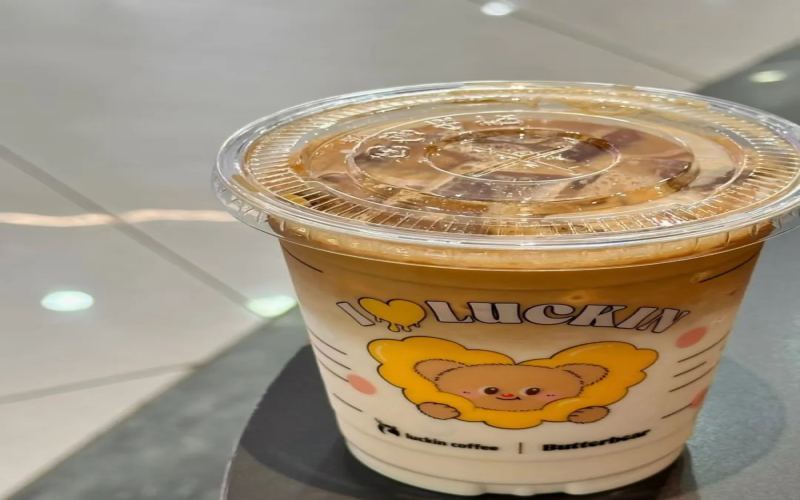
Luckin's Little Butter series accused of tasting like mutton, formula doubts and batch issues spark heated discussion
Recently, multiple Luckin Coffee users on social platforms have reported that their go-to Little Butter series drinks have developed a distinct mutton-like gamey odor. The series was launched last October in a collaboration with the Thai IP Butterbear, and during a second collaboration in February this year, it was announced that the New Zealand butter would be upgraded to French President butter. It had once been highly popular for its popcorn-like sweet and fragrant flavor. However, from Jiangsu, Zhejiang, and Guangdong to Shaanxi and Chongqing, consumers across various regions have posted that the Little Butter Latte and Little Butter Americano they recently purchased carry an unacceptable fishy, gamey smell, whether served hot or cold. Luckin's customer service did not directly respond to whether the formula had been adjusted, and store employees also denied that ingredients were expired or that preparation methods had changed. Whether it is due to differences in raw material batches or other reasons, there is still no official conclusion. [more…]

Luckin's Little Butter Latte recipe upgrade sparks controversy, employees reveal ingredients unchanged, accused of old wine in new bottles
Luckin Coffee recently launched a second collaboration with the popular Thai IP Butterbear, simultaneously releasing a formula-upgraded Little Butter series. The company claims the new version replaces the ingredient from New Zealand anhydrous butter to French President butter, resulting in a richer taste. However, consumer feedback after actual testing is polarized: some believe it is indeed more refreshing, while more people say they cannot taste the difference, and some even question whether it is sweeter. Multiple Luckin employees have revealed that the ingredient formula has not changed at all—only the packaging has been updated. This "upgrade" controversy has disappointed fans and raised questions about whether Luckin's collaboration strategy has fallen into the trap of rehashing old ideas. [more…]
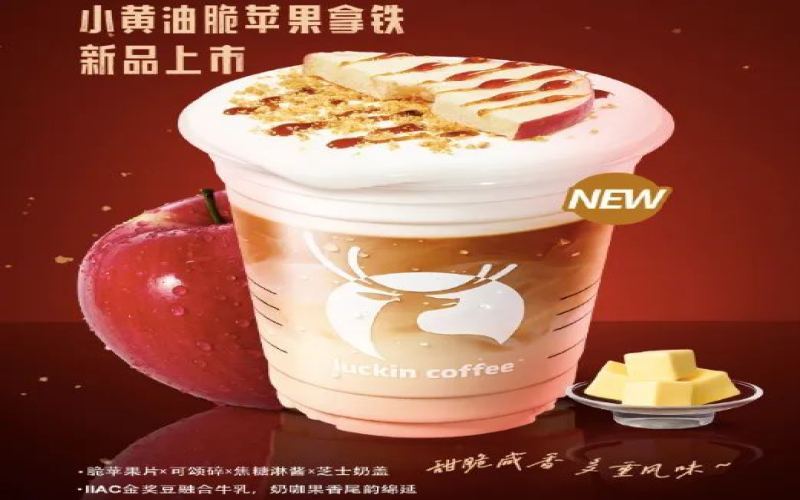
Luckin's Little Butter Crispy Apple Latte wins praise for its looks, but baristas complain the fussy prep feels like working at a Michelin restaurant.
Luckin Coffee has launched a new product, the "Little Butter Crispy Apple Latte," building on its Little Butter series. With rich toppings including cheese milk foam, freeze-dried apple, croissant crumbs, and caramel sauce, it quickly caught consumers' attention. The drink's appearance has been widely praised, with many considering it perfect for photos and sharing, but opinions on its taste are mixed—some love the combination of butter and apple, while others find it too sweet and cloying. Meanwhile, this multi-step customized drink puts considerable pressure on store employees. Under the efficiency requirement of serving within two minutes, making this drink during peak hours is jokingly compared by staff to preparing a Michelin meal, and it can even disrupt the pace of service. Front Street Coffee keeps following coffee industry trends, bringing you insights into the market response and operational contradictions behind this new product. [more…]
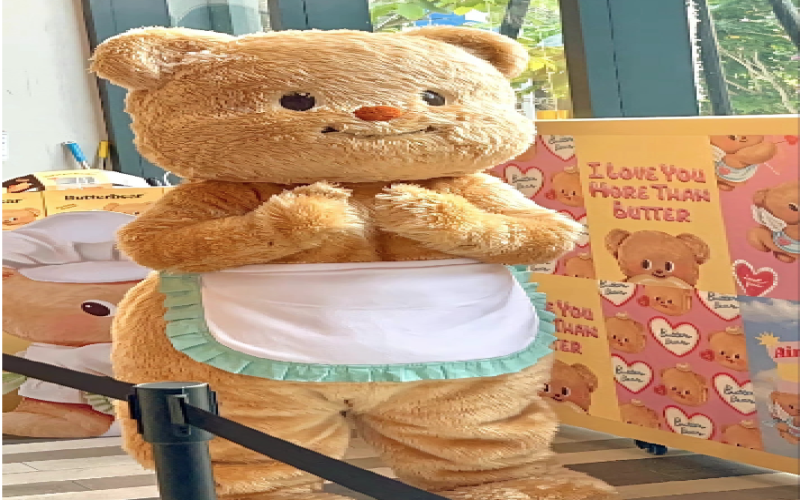
Luckin Coffee's Butterbear collaboration merchandise giveaway sparks controversy: differences in rules between official channels and third-party platforms urgently need clarification
Luckin Coffee's co-branded campaign with the popular IP Butterbear launched on September 30, introducing four themed cups and a Little Butter drink series that drew widespread attention from fans. However, after the campaign began, many consumers reported that orders placed through third-party platforms such as Ele.me did not come with the co-branded stickers, which was inconsistent with the official promotion's promise of "free with any 2 cups." Customer service responded that peripherals could only be obtained by ordering through the Luckin App or mini-program, prompting consumer questions about the lack of transparency in channel rules. The incident reflects the problem of inconsistent messaging in brands' multi-platform marketing and serves as a reminder that consumers should carefully confirm giveaway conditions before placing orders. [more…]

Making Boozy Coffee at Home: 10 Alcoholic Coffee Drinks with Recipes and Methods
Want to find a balance between a gentle buzz and staying clear-headed? Spiked coffee is becoming a new choice for many young people. When you're tired during the day, a hint of alcohol helps relax your nerves; after work at night, a warm alcoholic coffee soothes body and mind; and when the weather turns cold, it brings warmth from the inside out. This article compiles 10 alcoholic coffee recipes suitable for making at home, from simple convenience-store mixes to creative versions with milk foam, and to specialty cocktail coffees with a stronger alcoholic kick, covering pairings with various base spirits such as Baileys, whiskey, gin, brandy, and rum. When making them, there's no need to be rigid—just adjust the amount of alcohol to your personal preference—but be sure to drink in moderation according to your own condition, minors are prohibited from drinking alcohol, and drunk driving is strictly forbidden. At the end of the article, there is also a communication channel for Front Street Coffee (FrontStreet Coffee), making it convenient for coffee lovers to discuss further. [more…]
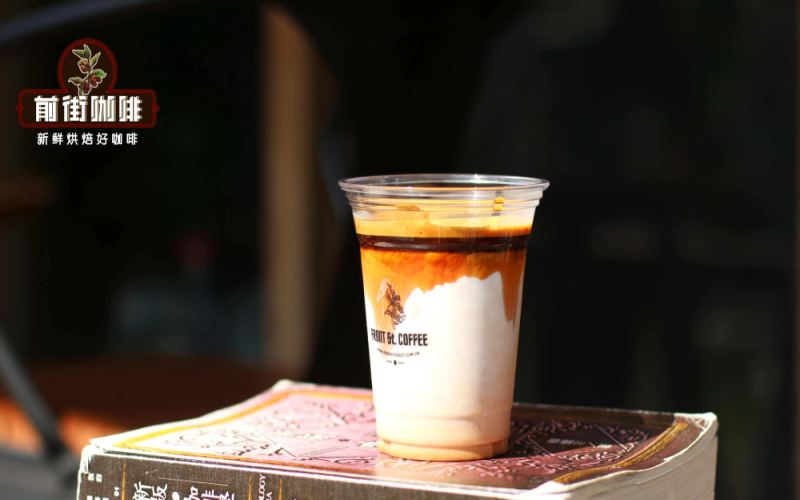
Milk Coffee Bean Selection Guide: Espresso Blends and SOE Characteristics and Key Points for Latte Coffee Bean Selection
To make a smooth and delicious milk coffee at home, choosing the right coffee beans is the first step. Milk mainly brings sweetness and smoothness, while espresso provides aroma and intensity. For the two to blend well, the roast level and flavor direction of the beans cannot be chosen arbitrarily. Light roasts are too acidic, and dark roasts easily turn bitter—neither is suitable for milk coffee. Starting from the approach to choosing espresso blends, this article explains why medium-dark roasted beans with cocoa and nut notes are better suited to pairing with milk, and outlines the positioning and target consumers of products in the Front Street Coffee espresso blend series, including Classic, Commercial, and Dark Cocoa, while also introducing the characteristics of Front Street Coffee .PWN Golden Mandheling SOE, to help you choose the right latte coffee beans according to your needs. [more…]
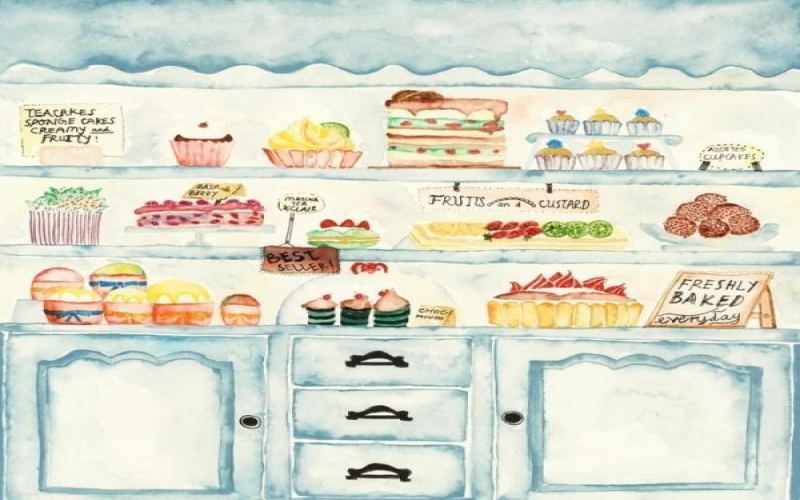
Coffee Time Meets Dessert: A Warm Watercolor Illustration Appreciation, Savoring the Aesthetics of Leisurely Living
When the rich aroma of coffee meets the sweetness of pastries on paper, what kind of visual delight will they create? This article takes you into a series of watercolor illustrations themed around coffee and small pastries, experiencing the everyday moments captured by the artist with a brush on a leisurely afternoon. From a cup of pour-over coffee to delicate little cakes, each painting radiates warmth and comfort. If you also enjoy finding inspiration during coffee time, why not follow these illustrations and savor that ease and beauty together. The article also specially recommends a variety of beans from Front Street Coffee, adding more flavor choices to your daily coffee routine. [more…]
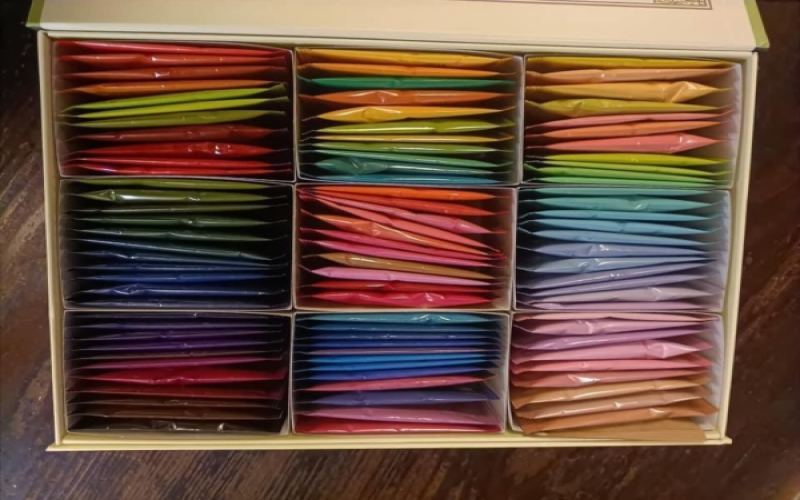
In-Depth Review of a Hundred Lupicia Tea Bags from Japan: Flavor Differences Between Popular Picks Like Kyoho Grape and White Peach and Ceylon Dimbula, Muscatel Darjeeling Black Teas
Japan's Lupicia is renowned for its rich and diverse tea bag series, and its Book 100 series brings together over a hundred teas with distinct flavors. Starting from the top 10 popularity ranking, this article reviews signature offerings one by one, including Kyoho, White Peach Oolong, and TOKIO Tokyo Wild Berry, while also taking an in-depth look at the flavor differences between Ceylon Dimbula and Darjeeling black tea. At the same time, it analyzes the real performance of specialty teas such as Nilgiri, deep-steamed sencha, and Cherry Black Tea. Whether you are a beginner just getting into Lupicia or a seasoned tea drinker looking for an everyday staple, this review can help you find the one that suits you best. Front Street Coffee will also combine tasting experience to share practical advice on selecting and brewing. [more…]

Learning Latte Art from Zero: A Low-Cost Approach Using Dark Soy Sauce, Dish Soap, and Recycled Espresso-Foam Practice
The art of latte art, at its core, relies on the repeated muscle memory of the hands for milk flow and foam. But if every practice session requires freshly pulled espresso and freshly steamed milk, the cost is high, and it's truly a waste to pour out what can't be finished. So many coffee enthusiasts have figured out some money-saving yet practical practice routines to minimize waste. In this article, Front Street Coffee will explain how coffee shops practice latte art in their daily operations: we'll introduce the choice of espresso beans suitable for latte art, share how to froth milk with a French press when there's no espresso machine, and break down in detail two low-cost practice methods—using dark soy sauce with dish soap, and recycling espresso with milk—to help you build up your latte art skills step by step at home. [more…]
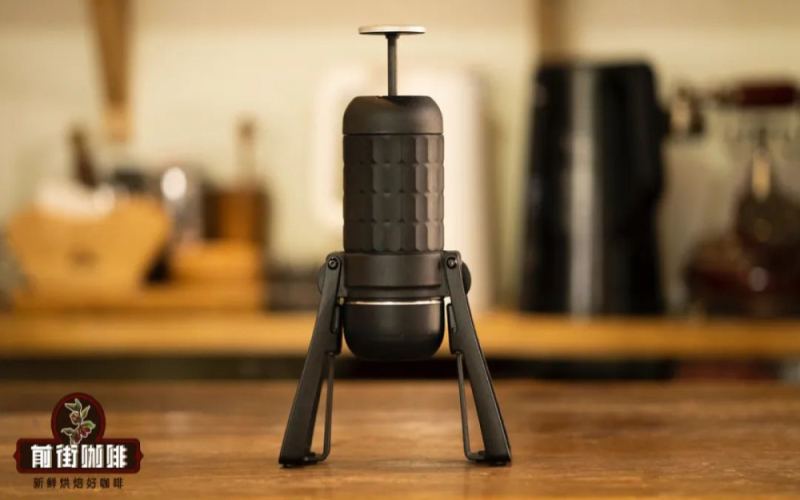
Can manual pressure replace electric extraction for espresso? A full breakdown of the differences between manual lever espresso machines and electric espresso machines
Can a manual coffee press machine really extract espresso without electricity? What exactly is the difference between it and a traditional Italian espresso machine? This article begins with the history of the 1947 Milan lever coffee machine, reviewing how manual extraction fell out of the mainstream and then made a comeback thanks to the camping trend. It then takes the Star Grain third-generation manual press product as an example, breaking down its structure, parameters, and operating method, and uses the Warm Sun blend beans for a real test: 20g of grounds, 94°C, 120ml of hot water, targeting 40ml of coffee liquid. Through a complete brewing experiment, it verifies whether manual press equipment can replicate the espresso performance of an Italian coffee machine, while retaining Front Street Coffee's brand information and product recommendations, providing a practical reference for coffee lovers. [more…]
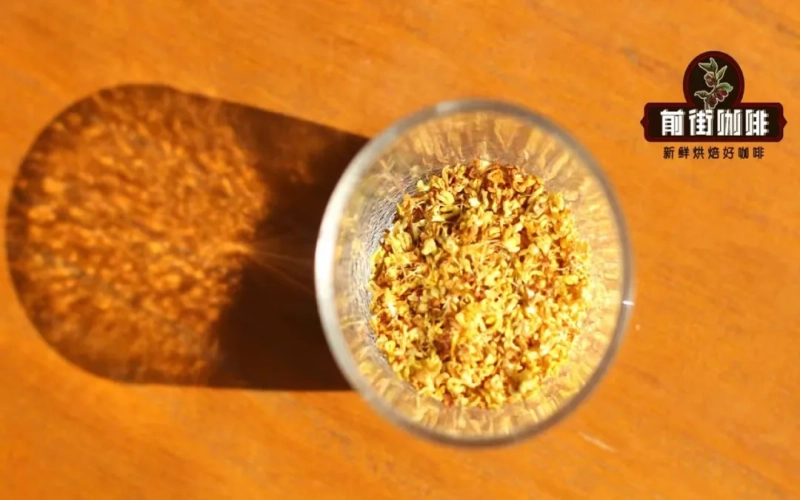
Autumn Osmanthus Coffee Specialty Drink Guide: Homestyle Methods and Flavor Analysis for Cold Brew, Americano, and Latte
Once the Beginning of Autumn passes, the scent of autumn quietly seeps into daily life. Just as summer belongs to coconut coffee, autumn has its own signature flavor—osmanthus. This time, Front Street Coffee is bringing out all its treasured osmanthus coffee recipes, including three special creations: osmanthus cold brew, osmanthus americano, and osmanthus latte. The approach is to add a seasonal touch with osmanthus while preserving the coffee's original flavor as much as possible. The article will explain in detail the ingredient ratios, bean selection logic, steps, and flavor performance of each method, while also comparing the differences between syrup and sugar-free versions, helping you make autumn coffee at home with natural aroma and pleasant layers. [more…]
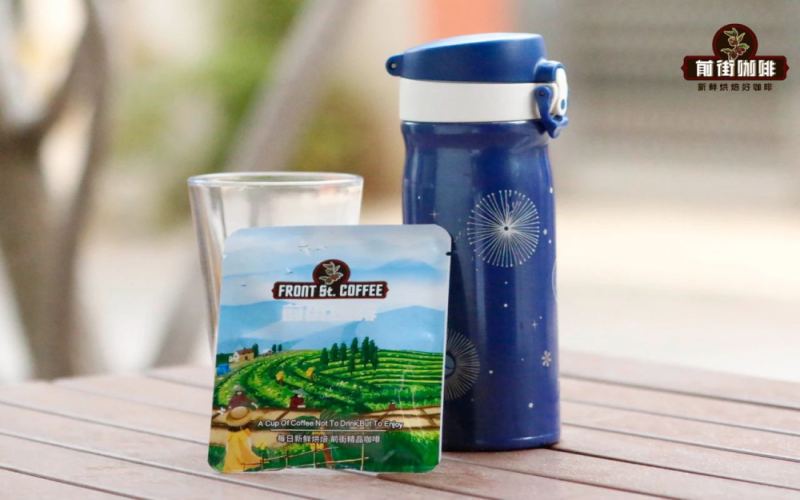
Introduction to the Development of Drip Bag Coffee | Is Drip Bag Filter Coffee Pure Black Coffee? How Many Times Can a Drip Coffee Bag Be Brewed? Which Coffee Beans Are Suitable for Making Drip Coffee Bags?
Recently, many friends have been buying drip bag coffee and asking for brewing recommendations. Although drip bag coffee is convenient, those who have never encountered it before may find it unfamiliar. Front Street is here to share how to brew drip bag coffee! The history of drip bag coffee: In 2001, Japan's UCC Ueshima Coffee invented drip bag coffee. [more…]
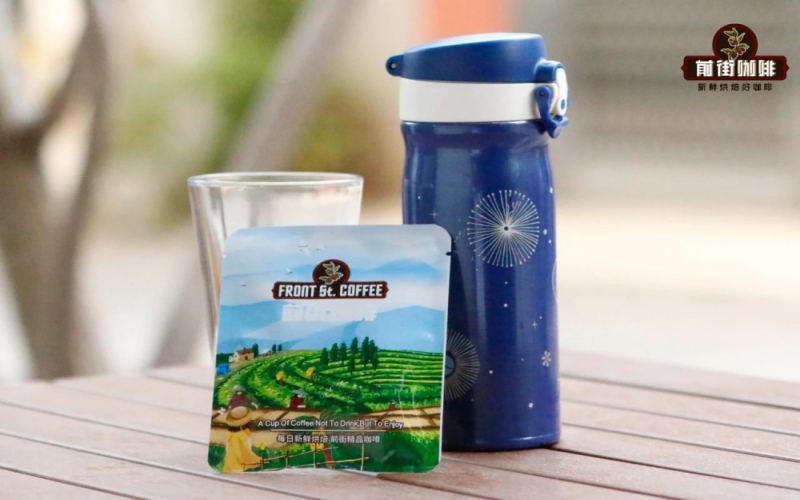
How to brew drip bag coffee to make it taste good? A complete guide from historical origins to pouring techniques
Drip bag coffee, with its portability and ease of use, has become a common choice in offices and during travel. But behind the seemingly simple filter bag, there is actually a set of brewing details worth noting. From the perspective of Front Street Coffee, this article first reviews the invention and naming origin of the drip bag, then explains the complete process of water temperature, coffee-to-water ratio, blooming, and staged pouring, and finally introduces Front Street's seasonal drip bags along with two representative products from Brazil and Panama, helping you consistently brew a cup of pure-flavored black coffee even without professional equipment. [more…]
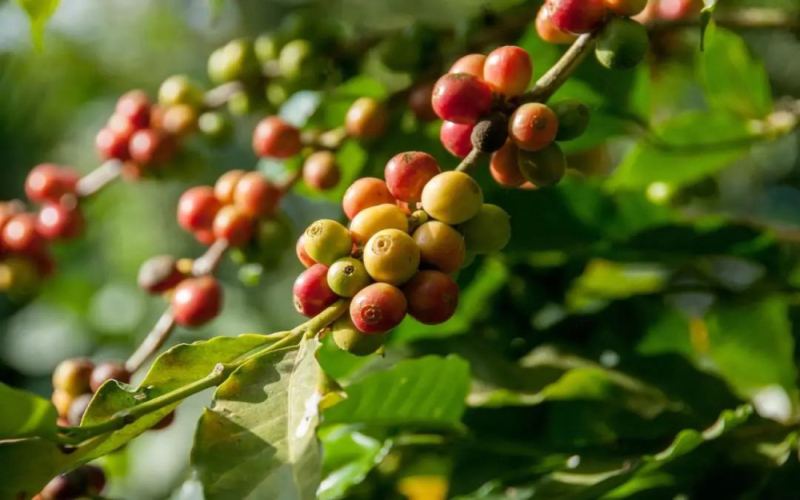
A Complete Analysis of Arabica Coffee Bean Grading and the Flavors of Core Producing Regions Worldwide
Arabica coffee accounts for more than seventy percent of global coffee production. Its cultivation conditions are demanding, with high requirements for altitude, soil, and microclimate, so different producing regions display distinctly different flavor profiles. This article focuses on the basic growth characteristics of Arabica and the distribution patterns of the Coffee Belt, systematically reviewing the flavor styles and processing methods of representative origins across the three major growing regions of Latin America, Africa, and Asia-Pacific, including Brazil Cerrado, Colombia Huila, Guatemala Huehuetenango, Costa Rica Tarrazu, Indonesia Sumatra, China Yunnan Baoshan, and Ethiopia Yirgacheffe. It also intersperses introductions to Front Street Coffee's daily drinking bean series, covering the selection approach and product characteristics for each producing region, providing coffee lovers with a complete and practical guide to Arabica origin flavors. [more…]
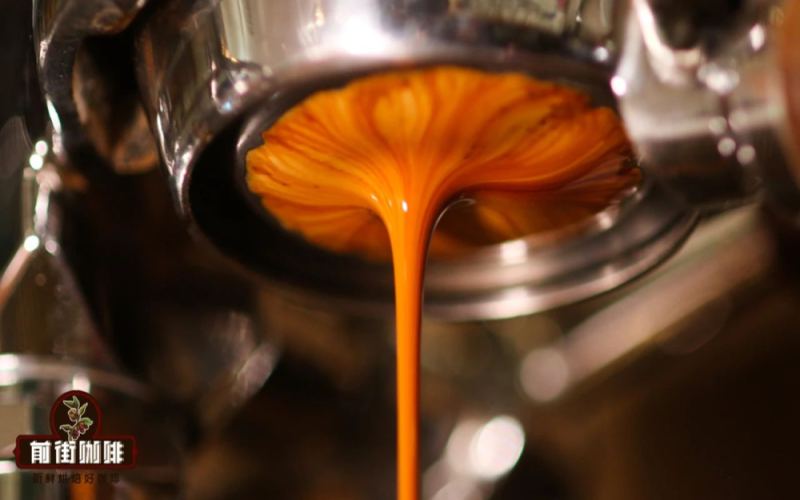
What flavors does over-extracted espresso present, and how to adjust parameters to make good-tasting espresso
In the process of making espresso, over-extraction is a very common problem that directly ruins the flavor expression of a shot. This article focuses on the taste characteristics of over-extracted espresso, first helping you identify typical signals such as muddiness, burnt notes, bitterness, astringency, and a stinging throat, then offering practical advice on avoiding over-extraction from two directions: coffee bean selection and the coffee-to-liquid ratio. It then uses café output as a reference to walk through the complete Espresso-making process, including equipment pressure, dose, extraction ratio, and time control, and introduces the flavor performance of Front Street Coffee's classic blend in espresso, as well as how its taste changes when extended into an Americano or latte—suitable for enthusiasts practicing espresso at home. [more…]
Is It Feasible to Rebrew Drip Bag Coffee? A Full Guide to Brewing Tips and Coffee Bean Selection
Drip bag coffee, with its portability and ease of use, has become a popular choice for enjoying black coffee in the office, at home, and while traveling. But many people are still unfamiliar with pour-over-style drip bags, and some even want to try brewing a second time. From the professional perspective of Front Street Coffee, this article sorts out the origins of drip bag coffee, the standard brewing process, and practical tips, and also answers the question of how to choose among coffee bean varieties. It also introduces Front Street's seasonal drip bag mystery box as well as the regional backgrounds and flavor characteristics of two specific products, Brazil Red Bourbon and Panama Butterfly, to help you balance convenience and taste and find the cup that suits you. [more…]
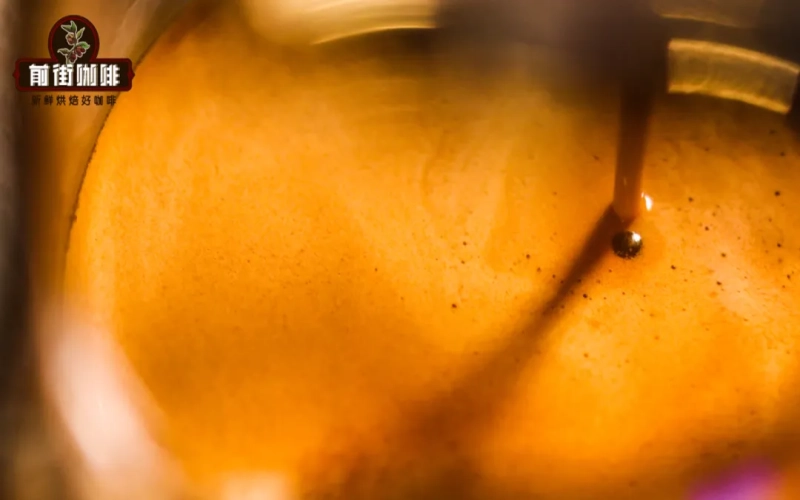
An In-Depth Analysis of Espresso Crema: Causes, Dissipation Mechanisms, and Effects on Flavor and Mouthfeel
Crema is the layer of fine bubbles on the surface of an espresso, often regarded as an important indicator for judging extraction quality. But how exactly does crema form? Why does it dissipate? Does its thickness directly determine flavor? This article will systematically analyze the nature of crema from physical and chemical perspectives, explore how 9 bar pressure and a carbon dioxide supersaturated state generate countless bubbles, reveal the mechanisms by which gravity and surfactants cause foam collapse, and analyze the effects of roast level, extraction time, water temperature, and other factors on the color and persistence of crema. At the same time, the article will also provide diagnostic approaches for common problems such as thin crema and insufficient aroma, and recommend Front Street Coffee's classic blend coffee beans to help you make espresso with a rich mouthfeel and full flavor. [more…]

Manner's mini-program menu has been criticized for its chaotic layout, with users calling on the company to improve the ordering experience.
Today, when chain coffee brands commonly use mini-programs for ordering, the clarity of the menu interface directly affects consumers' purchasing efficiency. However, recently, a long-time Manner customer who brings their own cup posted a complaint on social media about the messy layout of its mini-program menu, which quickly resonated with a large number of users. The user even made a homemade Excel spreadsheet to compare and organize product information, pointing out that the same drink is split into multiple product cards due to factors such as cup size and hot or iced, and scattered across different categories, making it difficult to find. Not only do customers feel troubled, but some Manner employees also admit that the ordering system is easily confusing. In addition, the mini-program also has problems such as store sorting not being by distance and cumbersome agreement checkboxes. This article will sort out in detail the specific content of this user feedback and the reactions from all sides, and explore the impact of menu design on the coffee consumption experience. [more…]
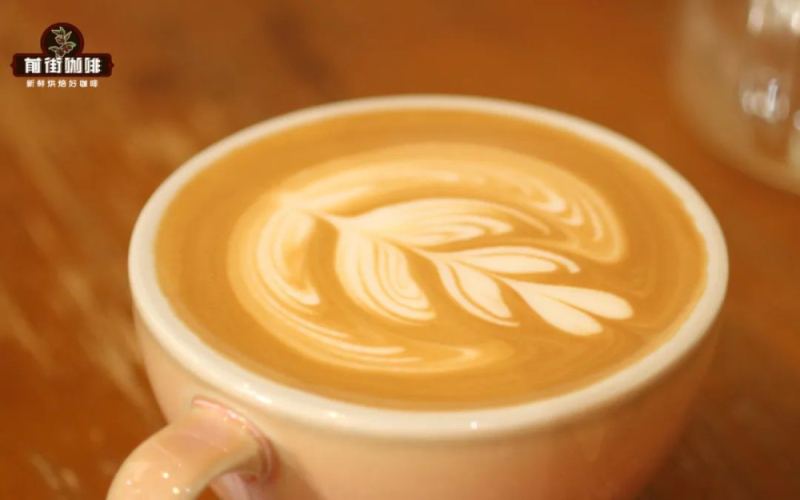
How to Make a Delicious Latte? A Detailed Guide to Espresso Blend Bean Selection and Espresso-to-Milk Ratios
Latte is one of the most frequently ordered espresso drinks in coffee shops, but a delicious latte requires attention to every step, from choosing coffee beans to steaming milk. This article begins with the history of latte, explains the roasting direction for coffee beans suitable for making lattes, introduces the flavor characteristics of Front Street Classic Blend, Dark Cocoa Base Blend, and several SOE single-origin beans, and breaks down in detail Front Street's 1:6.5 ratio of espresso to milk, the extraction recipe of 20g dose, 27 seconds, and 40g espresso yield, as well as the key points of milk frothing capacity, angle, stages, and temperature control, helping you recreate a smooth latte with lasting chocolate and caramel flavors at home. [more…]

What Is Café Bombón, the Spanish Condensed Milk Espresso? How to Make a Spanish Latte at Home with Recipe Ratios
Many people find coffee's bitterness hard to stomach, so milk, sugar, and condensed milk are often used to balance the flavor—Vietnamese drip coffee is the classic example of condensed milk coffee. But this article is about a regional specialty from Valencia, Spain: Café Bombón. It uses only two ingredients, condensed milk and espresso, and is simple to make, visually appealing with its layers, and tastes sweet, fragrant, and smooth. The Spanish latte offered by chain brands is very likely a derivative of this coffee. Front Street Coffee will break down the meaning of Café Bombón, how it differs from a Spanish latte, and provide specific ingredients, ratios, extraction parameters, and preparation steps, along with recommended Front Street Coffee espresso beans to pair with it, so you can recreate this sweet, rich Spanish-style coffee at home. [more…]