







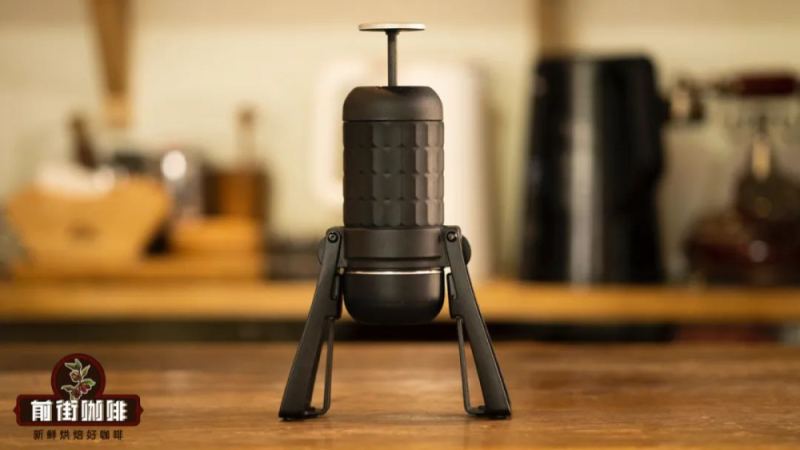
Can a Manual Press Replace an Electric Coffee Machine?
Hand pressure can produce espresso without electricity. The 1947 Milan lever machine applied about 9 bar by pulling a lever, yielding a shot with thick golden crema in very little time. Manual pressing later lost ground to automatic coffee machine designs, then returned with camping culture and retro equipment trends.
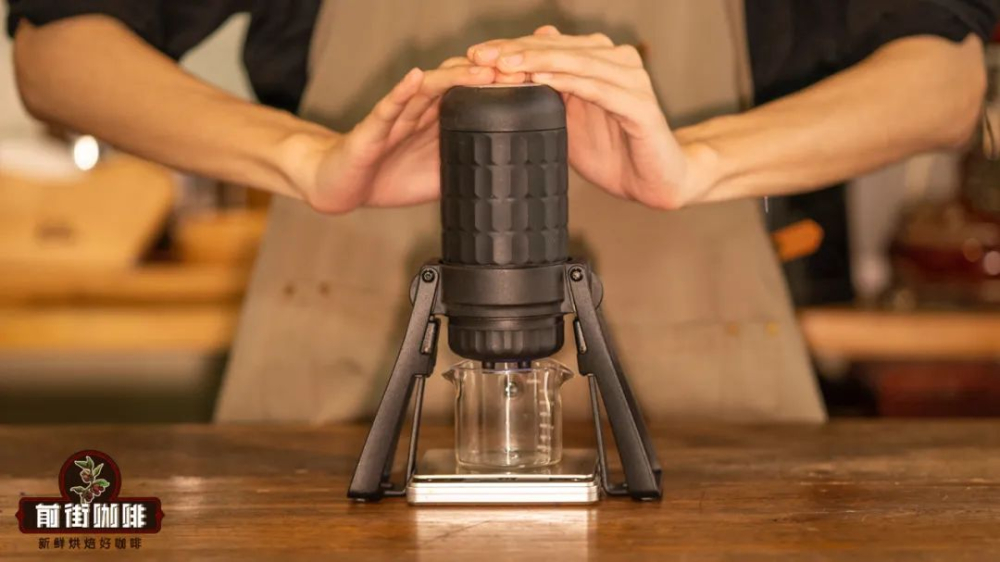
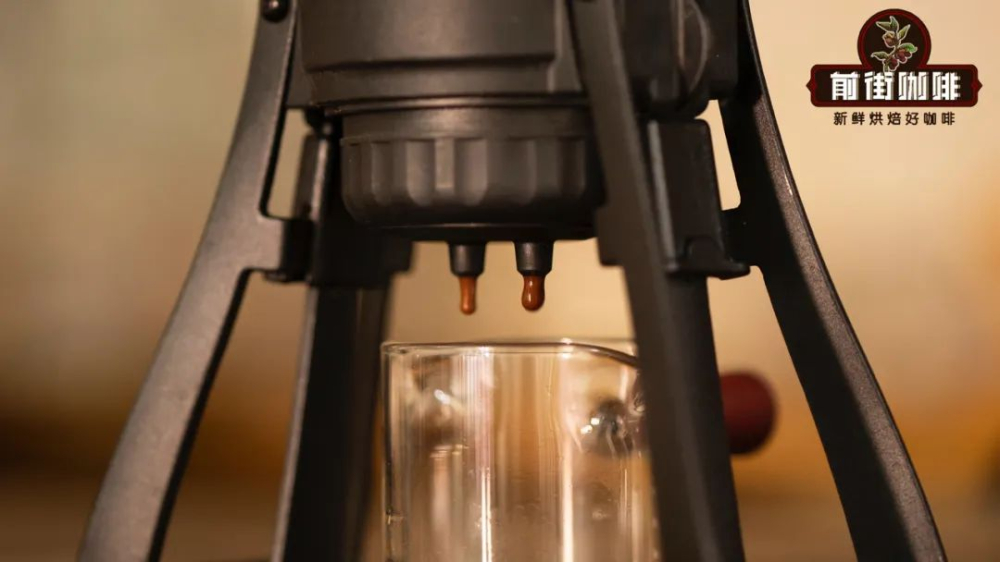
Testing the third-generation Star Pressure manual press with Warm Sun blend beans used 20 g of grounds, 94°C water and 120 ml, targeting 40 ml of liquid. The device has a main body and folding stand, with a pump lid, water tank and lower dispensing lid. Results show how far hand pressure can match how to make coffee with coffee machine setups.
Can a manual coffee press extract espresso without electricity? What exactly is the difference between it and a traditional espresso machine? This article begins with the history of the 1947 Milan lever coffee machine, reviewing how manual pressure extraction went from mainstream to obsolete and then returned with the camping trend. It then takes the third-generation Star Pressure manual press product as an example, breaking down its structure, parameters, and operation method, and uses the Warm Sun blend beans for a real test: 20g grounds, 94°C, 120ml hot water, target 40ml coffee liquid. Through a complete brewing experiment, it verifies whether manual pressure equipment can replicate the espresso performance of an espresso machine, while retaining Front Street Coffee's brand information and product recommendations, providing a practical reference for coffee enthusiasts.
In fact, as early as 1947, a barista in Milan developed a piston lever coffee machine, whose core principle was manual pressure extraction. By pulling the lever, the operator applied about 9 bar of pressure to the coffee grounds, thereby obtaining espresso. The coffee extracted in this way was not only covered with a thick golden crema, but also took very little time. Although this was not the first appearance in the history of coffee machines, it was undoubtedly a milestone step in the evolution of coffee equipment. After that, as machines became increasingly intelligent, manual pressing was gradually replaced, and the manual pressing method also slowly faded from the mainstream—only a few models still retained a lever manual design.
However, the rise of the retro trend has brought many designs from old eras back into the public eye. Coinciding with the year when camping culture exploded in popularity, portable, plug-free manual coffee presses quickly won over a group of fans.
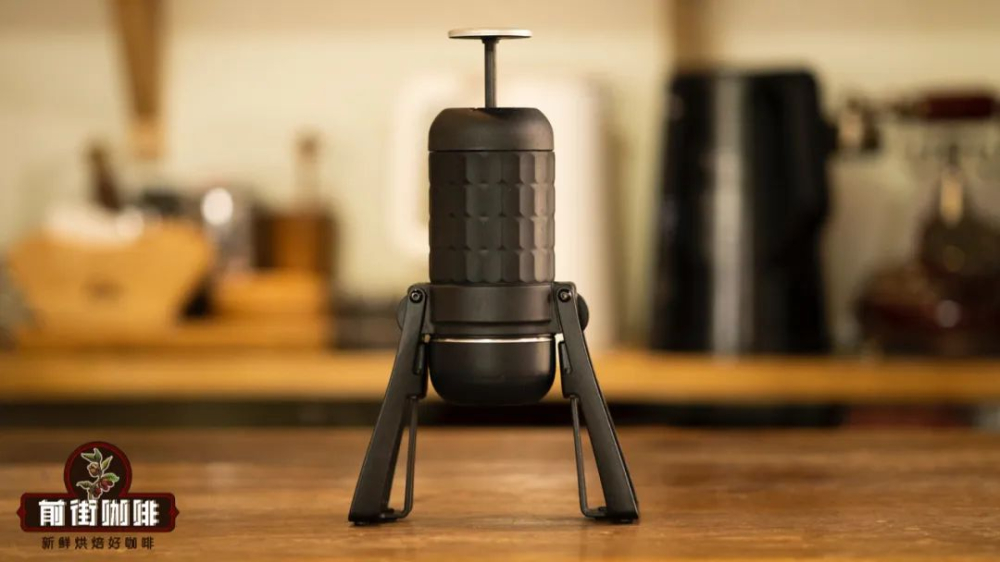
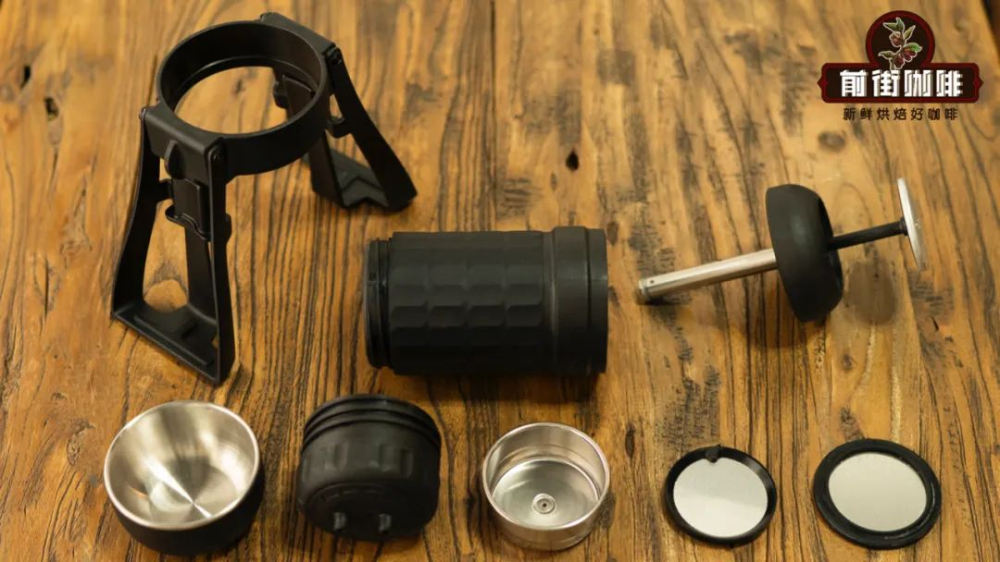
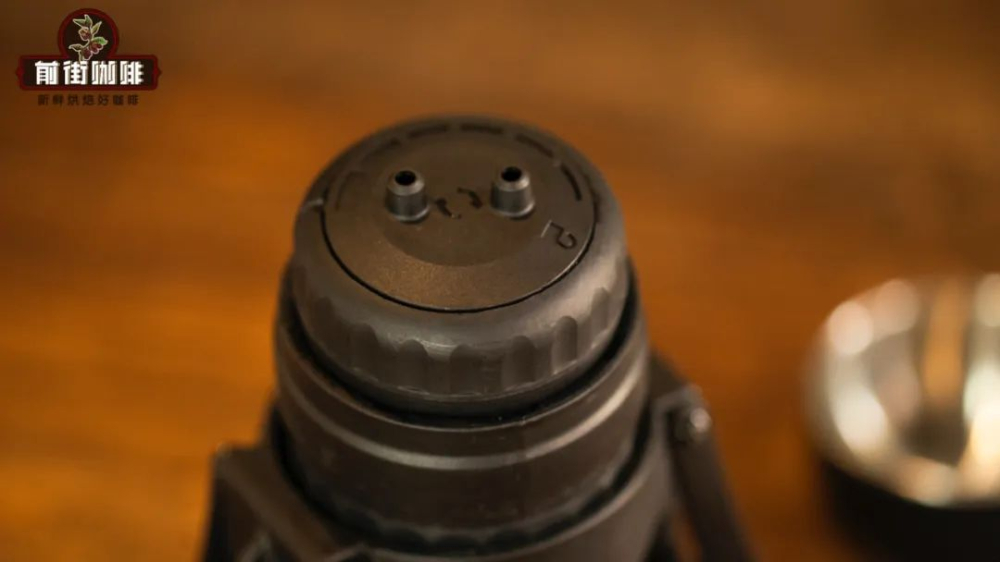
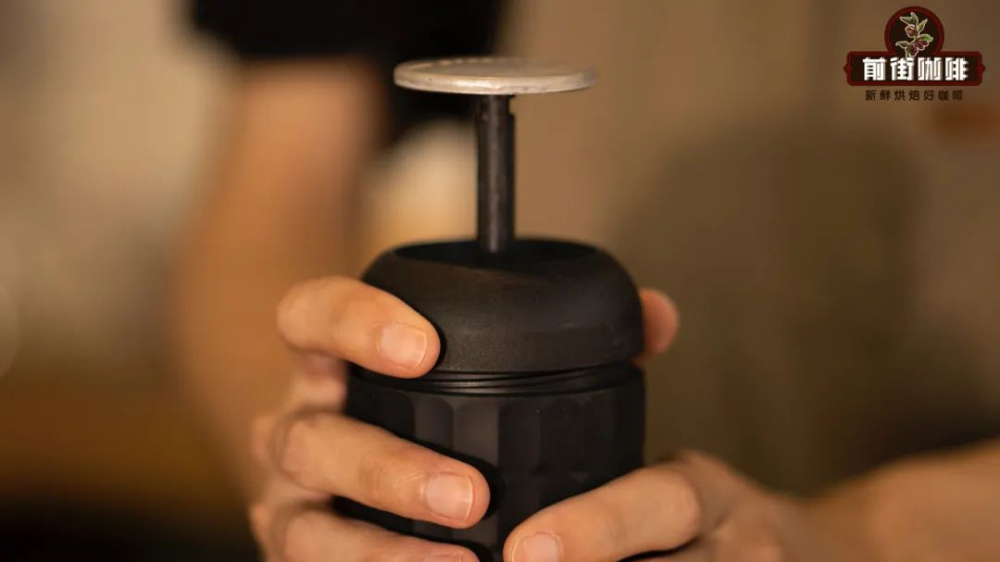
This device, which Front Street acquired in 2021, is the third-generation product in the Star Pressure manual press series. It mainly consists of two parts: the main body and the folding stand. After disassembling the main body of the manual press, several components with different functions can be seen: at the top is the upper lid with a pressure pump, in the middle is the water tank for holding hot water, and at the bottom is the lower lid used for filling coffee grounds and also serving as the dispensing outlet—there is also a small cup (the one in the lower right corner; Front Street initially mistook it for the lower lid, and only later understood that it was a cup for drinking the coffee).
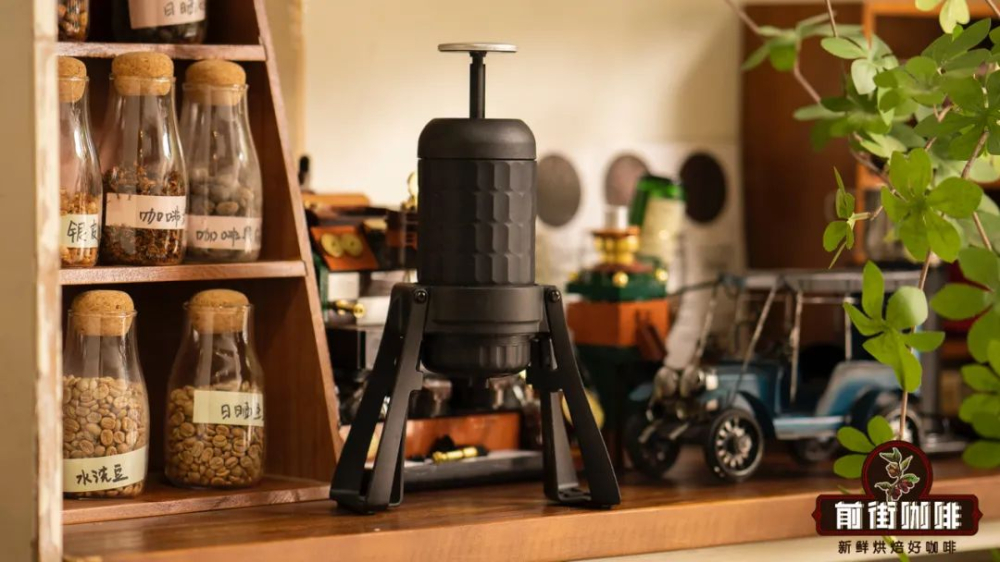
According to the official instructions, it can hold a maximum of 18–22g of coffee grounds and can be filled with 120–180ml of hot water for extraction. A pressure regulating valve is installed at the lower lid position, allowing pressure to be freely adjusted between 15–20 bar.
That is roughly all the functions. Next comes the actual test to see whether it can really make espresso comparable to a coffee machine.
Brewing Experiment
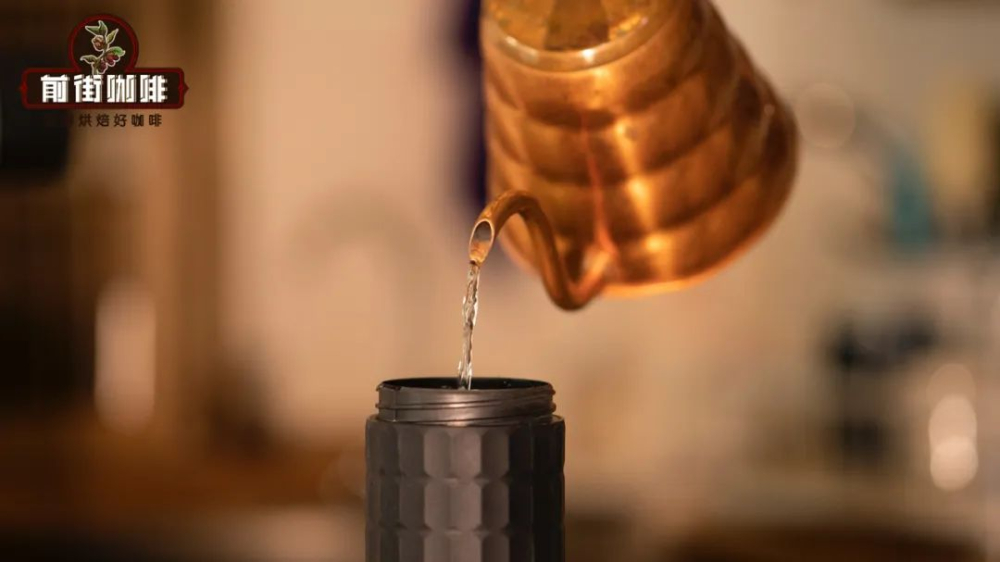
The extraction parameters are as follows: Warm Sun blend coffee beans are used, with flavors of whiskey, berries, and butter cookies; the grind size is espresso grind, that is, ground directly with an espresso grinder to a flour-like fineness; the dose is 20g; the hot water temperature is 94°C, with 120ml used; the coffee-to-liquid ratio is set at 1:2, meaning the target extraction is 40ml of coffee liquid.
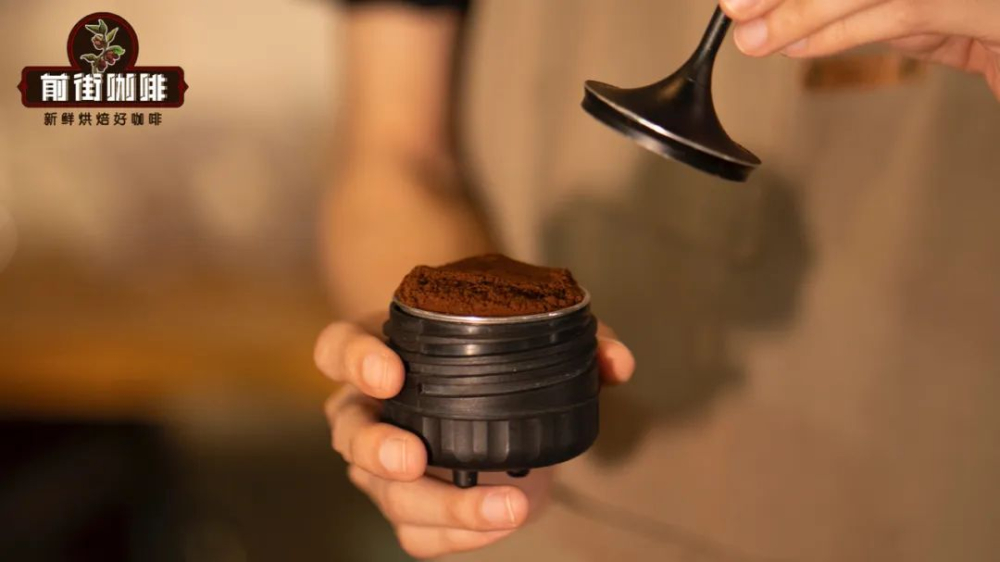
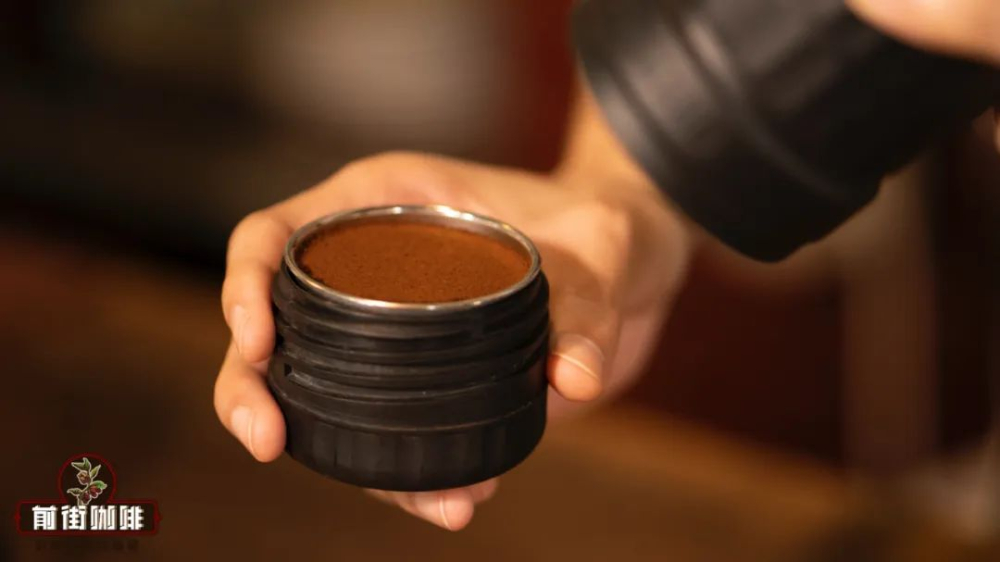
Step 1: Put the 20g of ground coffee into the portafilter basket.
Front Street Coffee (FrontStreet Coffee)
No. 10, Bao'an Qian Street, Yandun Road, Dongshankou, Yuexiu District, Guangzhou City, Guangdong Province
The above content is compiled by CoffeeHunters, a coffee news website.


