







What Is a Wet Cappuccino and How Does It Relate to Extraction?
Over-extracted espresso shows clear sensory signals: off-flavors, burnt notes, bitterness, astringency and a throat-catching discomfort, while the coffee's own aroma stays weak. These tastes appear because too much soluble material has been pulled from the grounds during the shot.
Avoiding this starts with bean choice and brew ratio. Medium and medium-dark roast blends caramelize less and release less bitterness than dark roasts. The same logic explains cappuccino wet or dry: a wet cappuccino carries more steamed milk and less foam, which softens any harsh edges from the espresso underneath.
In the process of making espresso, over-extraction is a very common problem that directly ruins the flavor performance of a shot. This article focuses on the taste characteristics of over-extracted espresso, first helping you identify typical signals such as off-flavors, burnt notes, bitterness, astringency, and throat-catching discomfort, then offering practical advice on avoiding over-extraction from two directions: coffee bean selection and the coffee-to-liquid ratio. After that, using cafe output as a reference, it walks through the complete Espresso-making process, including equipment pressure, dose, extraction ratio, and time control, and introduces the flavor performance of Front Street Coffee's classic blend in espresso, as well as how its taste changes when extended into an Americano or latte—suitable for enthusiasts practicing espresso at home.
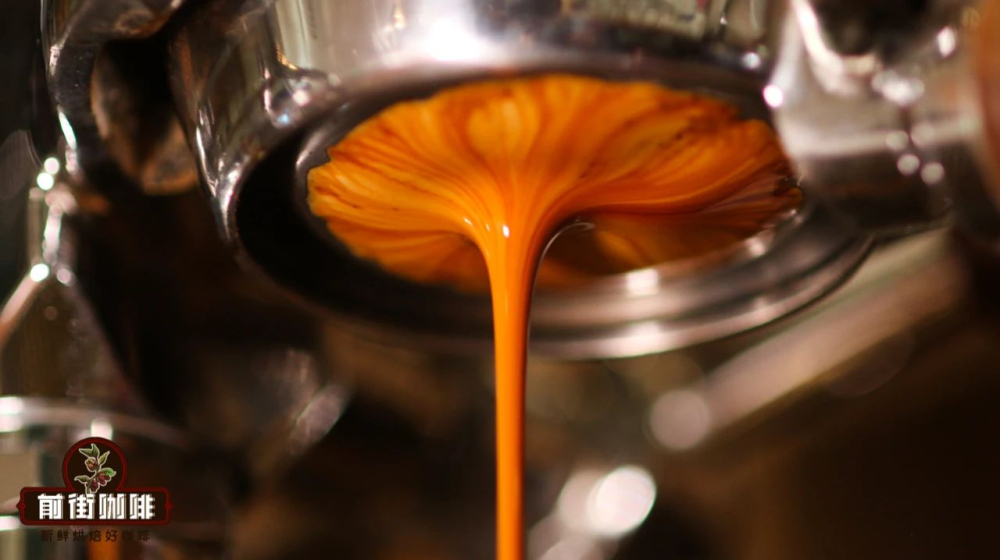
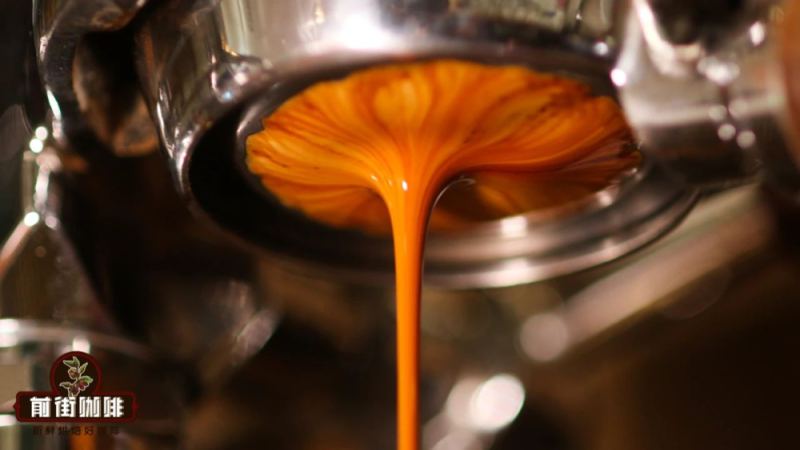
Over-extraction brings a series of rather unpleasant taste experiences, and precisely because its negative manifestations are so obvious, many people are especially mindful of this term. Off-flavors, burnt notes, bitterness, and astringency are often the first tastes to emerge when coffee is over-extracted. So during brewing, what we should guard against most is over-extraction—and making espresso is no exception.
What does over-extracted espresso taste like? Generally speaking, espresso is mostly used to make fancy coffees like Americanos, lattes, and cappuccinos. Therefore, if what you taste is a stinging burnt bitterness, strong sourness and astringency, or throat-catching discomfort after swallowing, while the coffee's own aroma is very weak, then you can basically conclude it's over-extracted.
How to Avoid Over-Extraction in Espresso
1. The reason many people's espresso comes out over-extracted is fundamentally that they didn't choose the right coffee beans. The darker the roast, the more caramelization products accumulate, and the more easily bitterness emerges when making espresso. So Front Street Coffee suggests giving priority to medium-roast or medium-dark-roast espresso blends:
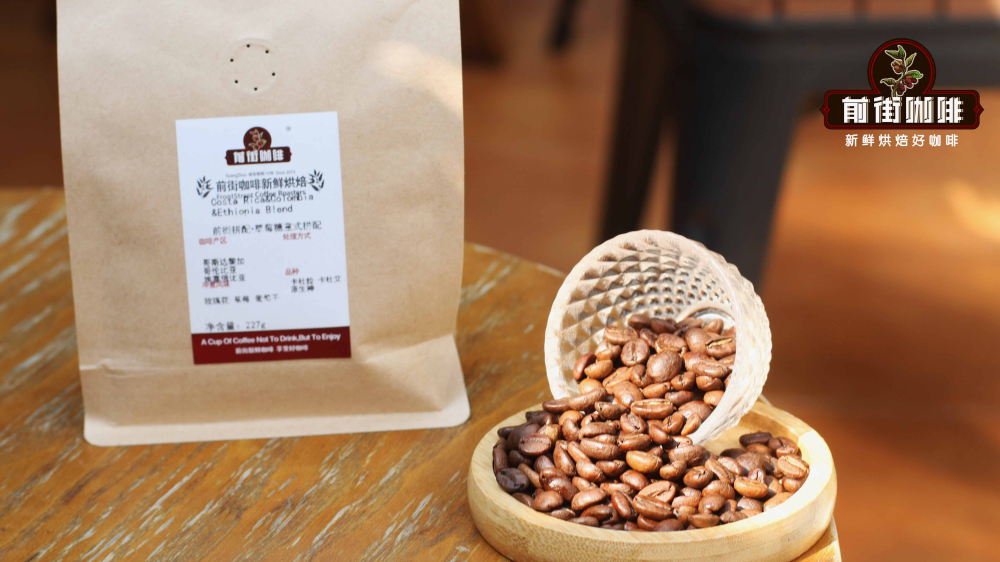
If you prefer creamy and nutty aromas, you can go for Front Street Coffee. Queen's Estate SOE; if you lean more toward floral and fruity notes, Front Street Coffee. Strawberry Candy Espresso Blend is a good choice—once made into espresso, you can sense aromas like roses and strawberry gummies.
2. If the coffee bean factor is ruled out and the espresso still frequently over-extracts, then it's most likely the ratio that hasn't been dialed in properly. For home coffee machines, Front Street Coffee's advice is to first use a 1:2 coffee-to-liquid ratio, meaning 20 grams of coffee grounds correspond to extracting 40 grams of coffee liquid, with the time kept as much as possible between 25 and 30 seconds. Once it goes beyond this range, the espresso easily heads toward over-extraction.
How to Make Espresso
Many coffee enthusiasts unknowingly accumulate a pile of equipment at home, and those obsessed with espresso especially get an espresso machine early on, planning to extract it themselves. Here, Front Street Coffee uses the espresso served in its cafes as a reference to briefly explain how a shot of Espresso is made.
Front Street Coffee's cafe uses a commercial single-group "Lelit Bianca," which can adjust extraction by changing pressure, with a maximum pressure of 11 bar. A home coffee machine only needs to reach 9 bar of pressure to complete extraction and steam milk, paired with an espresso grinder.
Front Street Coffee uses the capacity of a double basket, with a dose of roughly 18–20 grams; for service, Front Street Coffee takes 20 grams of coffee grounds. The ratio of coffee grounds to coffee liquid usually falls between 1:1.5 and 1:2.5. Front Street Coffee adopts an extraction ratio of 1:2, that is, 20 grams of coffee grounds extract 40 grams of coffee liquid. The time is related to the flow rate of the coffee grounds; a single extraction is generally controlled at 20–35 seconds, because under 20 seconds the coffee often tastes thin, while over 35 seconds it easily over-extracts and gives off burnt bitterness. Front Street Coffee's espresso mostly falls within the 28–30 second range.
Front Street Coffee first wipes the basket dry, turns on the grinder, grinds a double dose of coffee grounds, and places it on an electronic scale, adding or removing until it is exactly 20 grams. Next, use a tool to distribute the grounds evenly, then tamp the coffee puck firmly so that the subsequent extraction is more stable.
Then turn on the extraction switch to release water, wetting the brew head while washing away the coffee grounds stuck to it, gently lock the portafilter onto the brew head, and flip the switch down to start extraction. When the electronic scale shows the coffee liquid has reached 40 grams and the time is about 30 seconds, you can pull the extraction switch down. Pour the coffee liquid into an Espresso cup, and it's ready to enjoy.
The taste and mouthfeel of Espresso depend on the coffee beans used. Front Street Coffee's espresso uses Front Street Coffee. Front Street Classic Blend, composed of Brazil Red Bourbon and Indonesia Mandheling, and to give the Espresso a richer crema, a little Robusta was additionally added. The resulting coffee smells of butter cookies, cocoa, and dark chocolate with a sweet fragrance, low in acidity, with a solid flavor—after drinking, the entire palate is filled with various aromas.
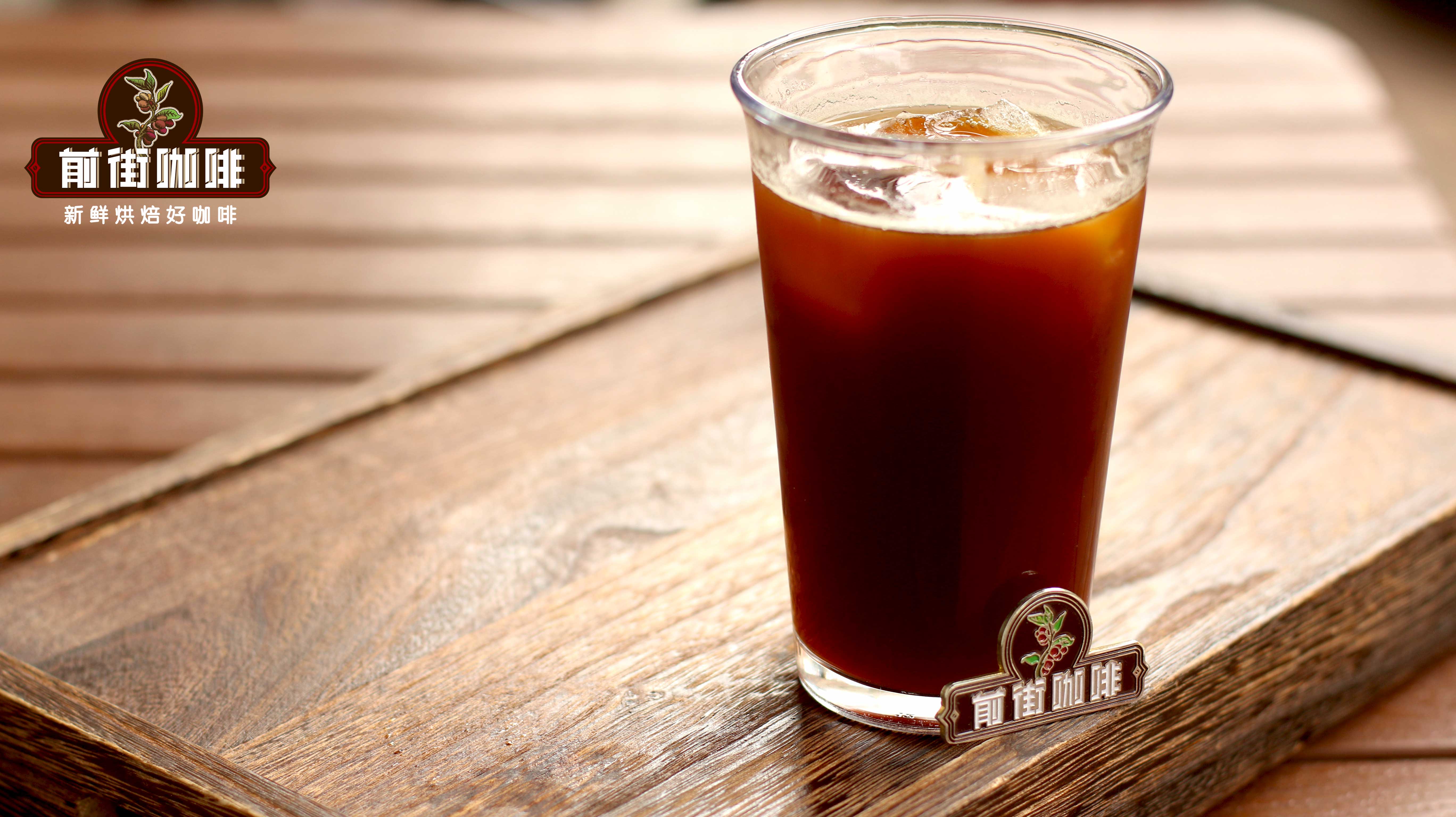
Espresso can also be diluted with water, which is the Americano commonly seen on menus, tasting fresh and fragrant; adding milk turns it into a latte, presenting a chocolate-and-cream-like sweet deliciousness.
The above content is compiled by CoffeeHunters, a coffee news website.


