







Search Results for: Latte: Blending Coffee Beans with Front Street Coffee

Italian-Style Blend Bean Recipe Ideas and the Complete Latte-Making Process: From Bean Selection to Milk Frothing Techniques
Why can an unsweetened latte still taste sweet? What secrets are hidden in Front Street's espresso blend beans? Starting from the formulation logic of espresso blends, this article will break down the flavor characteristics of Front Street Classic Blend and Strawberry Candy Espresso one by one, and explain in detail the trade-offs between pre-roast blending and post-roast blending, how to determine blending ratios, as well as the milk frothing temperature, frothing technique, and coffee-to-milk ratio for lattes. Whether you are a complete beginner or someone who wants to recreate a latte with a wine-scented finish at home, you can find actionable answers in this process. [more…]

The Ultimate Latte Guide | What's the Correct Coffee-to-Milk Ratio for a Latte? How Can Coffee Beginners Make a Delicious Latte at Home?
For a delicious latte, Front Street believes the most important factors are the quality of the coffee beans and milk, the ratio of coffee to milk, and the extraction and integration process. First point: choose suitable ingredients. Why is a latte so simple? Basically, every coffee bean menu has it as a staple, yet every shop's latte doesn't taste exactly the same. [more…]

Key Points for Making Latte Coffee: A Complete Guide from Bean and Milk Selection to Pouring Technique
A latte may seem simple, but making a satisfying cup involves three key aspects: material selection, ratio pairing, and technique. Drawing on the practical experience of Front Street Coffee, this article breaks down in detail the logic for choosing coffee beans and milk, the reasonable ratio of espresso to steamed milk, and practical tips for pouring and integrating, helping coffee lovers consistently recreate a well-balanced latte at home. [more…]

Espresso Blend Solutions | Which Coffee Bean Origins Are Suitable for Blending? Which Is Better: Blends or SOE Single-Origin Espresso? Which Espresso Beans Make the Best Latte?
Blended coffee, also known as mixed coffee, is the practice of combining various single-origin coffee beans to fully bring out the strengths of each one. Blends are made from beans of different origins to create a more balanced flavor. For example, if one coffee bean is smooth but lacks aroma, another aromatic [more…]

Where Does the Bitterness in a Latte Come From? Analyzing the Key Effects of Milk-to-Coffee Ratio, Milk Foam Temperature, and Pouring Technique
Latte has always been considered the least bitter of espresso drinks, as the addition of a large amount of milk makes the overall flavor softer. But when you drink a latte with obvious bitterness, the problem may not lie in the espresso itself. This article starts with the choice of coffee bean roast level and gradually analyzes how the blending technique, milk frothing temperature, and the ratio of coffee to milk affect the final taste. It also introduces pairing suggestions for the Front Street Coffee espresso bean series, including the flavor characteristics of Strawberry Candy espresso, and provides a milk foam temperature range of 55°C to 69°C and a reference ratio of 1:5, helping you make a balanced and smooth latte at home. [more…]
Front Street Coffee Explains Three Espresso Blend Options: A Practical Guide to Crafting Caramel-Sweet Lattes and Black Coffee
Blending coffee is not simply mixing beans together; rather, it creates a more balanced and stable flavor by leveraging the complementary strengths of beans from different origins. Starting from Front Street Coffee's three espresso blend recipes, this article systematically explains the purpose of blending, the differences between raw blending and roasted blending, the pros and cons of the SOE trend, and the roles played by bean varieties such as Colombia Huila, Brazil Cerrado, Robusta, and Yunnan AA in a blend. Whether you are looking for a daily production solution for your coffee shop or want to recreate a caramel-sweet latte or black coffee at home, you will find suitable blending ideas and practical tips here. [more…]
Illustrated Latte Art Tutorial: Key Points on Milk Foam Thickness and a Full Analysis of Milk Selection
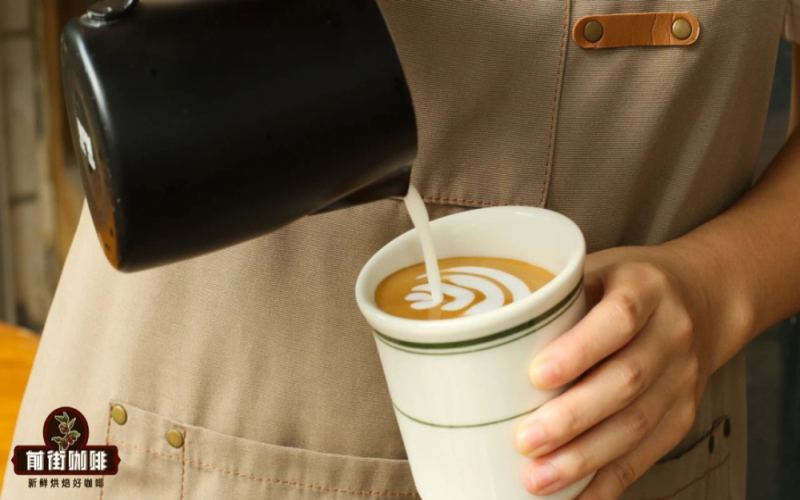
Many friends who are just getting into coffee think latte art looks simple—just pour casually and you'll get a heart or a tulip. But when they actually try it, they discover the milk always floats on the surface in clumps. In fact, the key to latte art lies in the condition of the milk foam, the pouring technique, and the way you hold the pitcher and the cup. This time, Front Street Coffee focuses on latte art, breaking down the operational details of each step—from the required foam thickness, steam wand positioning, and steaming temperature, to pouring practice and how to hold the milk pitcher—to help everyone avoid detours and pour a decent-looking pattern as quickly as possible. [more…]
Espresso Bean Selection and Latte Art Guide: From Roasting to Blending, How to Choose Among Four Front Street Coffees
The soul of Italian coffee lies in a roughly 30-milliliter shot of Espresso, and the key to its quality is not the barista's technique or the ambient humidity, but whether the right coffee beans have been chosen. Faced with the many products on the market that claim to be espresso, how do you identify a blend that is truly suited to high-temperature, high-pressure extraction? This article breaks down the logic of bean selection, roasting craft, and taste performance one by one, and recommends four espresso blends currently sold by Front Street Coffee for different needs, covering scenarios such as rich nutty aroma, commercial café use, high-value everyday drinking, and latte art practice for beginners, helping coffee lovers find the most suitable bag. [more…]
How to Make a Delicious Americano with Espresso Blend Beans? Colombian and Brazilian Bean Pairing and Front Street Coffee Recipe Analysis
To make a delicious Americano with a drip coffee machine, the choice and blending approach of the blend beans is crucial. This article begins with the definition of coffee blending and the two methods of raw blending and roasted blending, sorts out the goals, principles, and steps of blending, explains the purposes of blending such as stabilizing flavor and balancing taste, and introduces the characteristics and limitations of single-origin SOE. It then provides three espresso blend recipes from Front Street: Specialty Blend (Colombia Huila + Brazil Cerrado), Commercial Blend (Colombia + Brazil + Robusta), and Dark Cocoa Blend (Yunnan AA + Brazil), along with the distinctions and preparation methods of fancy coffees such as latte, cappuccino, flat white, and affogato, as well as the key points for making Americano black coffee. [more…]

Milk Coffee Blending Guide: The Profound Impact of Milk Selection and Espresso Bean Pairing on Latte Flavor
The combination of milk and coffee has a long history. From the accidental experiment of a Dutch governor in the seventeenth century to today's flourishing varieties such as Italian latte and cappuccino, milk coffee has long become an indispensable presence on café menus. But a delicious latte is by no means as simple as espresso plus milk—the fat content of the milk, the sterilization process, and the roast level and blending approach of the coffee beans all directly affect the final flavor direction on the palate. This article will sort out the historical thread of coffee with milk, and, taking latte as an example, deeply analyze the specific effects of different milk types and espresso beans on the mouthfeel of milk coffee. At the same time, it will share Front Street Coffee's experience in bean selection and milk use for milk coffee production, helping coffee lovers find the pairing solution best suited to their own taste. [more…]
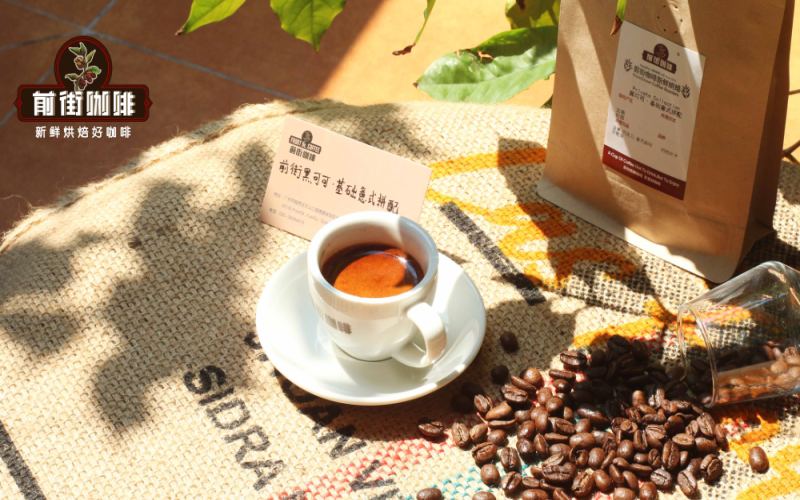
In-Depth Analysis of Espresso Blend Coffee Beans: Blending Logic, Roast Level, and Five Front Street Coffee Recipe Recommendations
Espresso is the soul of a latte, and behind a delicious latte there is often a carefully crafted espresso blend. Why blend? How do different origins and roast levels affect flavor? This article starts from the purpose of blending, origin selection, and roast level to systematically sort out the logic of espresso blend combinations, and shares the recipe characteristics and suitable scenarios of five Front Street espresso blends, covering rich and mellow, floral and fruity, nutty, commercial-style, and entry-level basic options, helping coffee lovers more clearly understand the thinking behind selecting espresso beans. [more…]
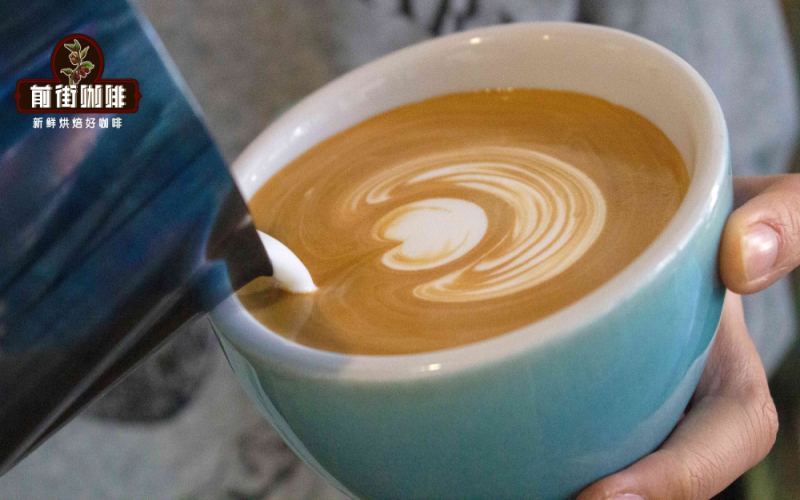
A Detailed Guide to Espresso Ratios: How to Make Lattes, Cappuccinos, and Cold Brew
The charm of espresso lies in the clever ratio of espresso to milk; different proportions create the distinctly different flavor profiles of classic drinks such as latte, cappuccino, and mocha. However, each coffee shop has its own blending approach, and even the same coffee can show subtle variations when paired with different beans. This article systematically sorts out the blending ratios of common espresso drinks, including the specific recipes for latte, cappuccino, and mocha, and combines Front Street Coffee's practical experience to provide detailed parameters for home brewing. In addition, the article extends to the field of black coffee, comparing the preparation processes, coffee-to-water ratios, and flavor differences of Americano, ice drip, and cold brew, helping coffee enthusiasts find the cup that best suits their personal taste preferences. [more…]
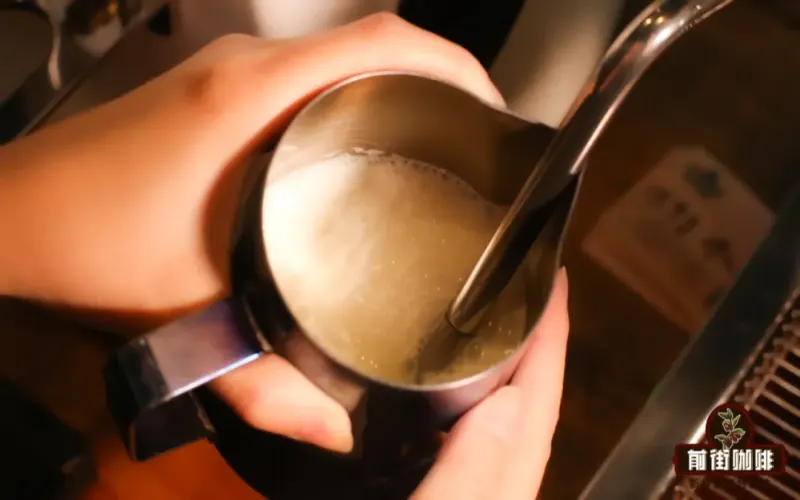
How to practice latte art from zero basics? Latte art techniques and common issues explained
To learn latte art from scratch, repeated practice alone isn't enough—identifying the reasons behind your failures is key. This article systematically breaks down the common latte art pitfalls for beginners, covering espresso and crema, the principles of milk frothing, pouring techniques, pitcher positioning, and tips for efficient practice. It also uses two coffee beans—Front Street Classic Blend and Front Street Commercial Blend—to explain how crema and milk foam together determine the final pattern, and provides a progressive practice path that goes from fresh milk to water and back to milk, helping coffee enthusiasts avoid unnecessary detours. [more…]
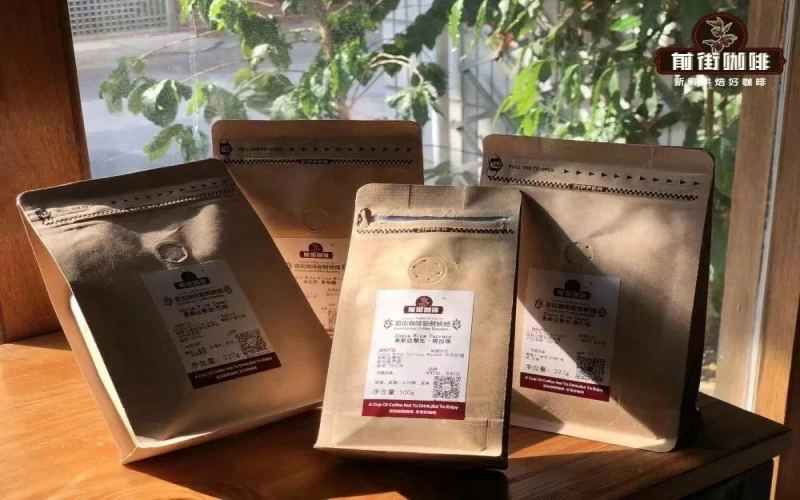
Five Key Steps for Italian-Style Blend Coffee Beans and a Full Analysis of Making Americano and Latte with Espresso
In the specialty coffee wave, single-origin beans are highly sought after, but the value of blend beans should not be underestimated. From the perspective of Front Street Coffee, this article systematically outlines the five major steps of espresso blending, explores why blending can create flavors that single-origin beans cannot achieve, and emphasizes the importance of consistent output for roasters. It then demonstrates in detail how to extract espresso using Front Street Sunflower · Warm Sun espresso blend beans, and extends to the production ideas for Americano and latte. Whether you are a coffee enthusiast or a professional, you can gain practical reference on blending logic and extraction practice from it. [more…]
How to Choose Espresso Beans for Latte? A Full Analysis of Front Street Coffee's Four Blends, Roasting Principles, and Hot & Cold Preparation
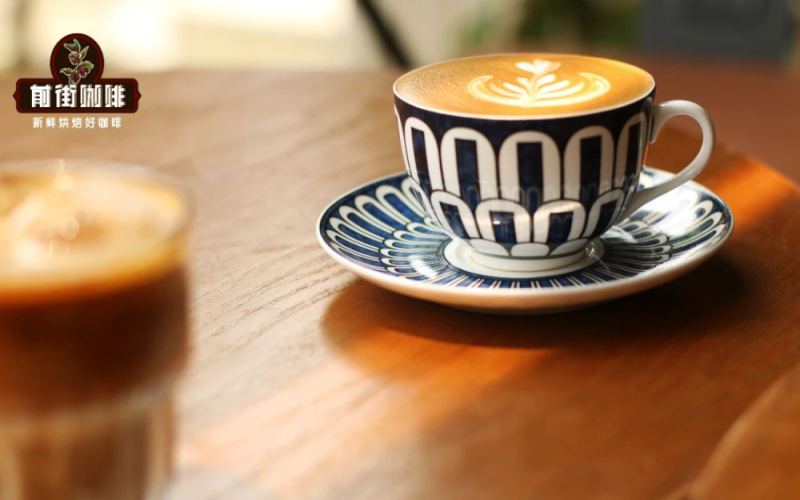
To make a delicious latte at home or in a café, choosing the right espresso beans is far more particular than you might imagine. Starting from Front Street Coffee's blending philosophy, this article explains why espresso beans are mostly blends, what principles a blend recipe should follow, and introduces the flavor profiles and suitable scenarios of four beans: Front Street Specialty Blend, Strawberry Candy Espresso, Commercial Espresso Blend, and Dark Cocoa Base Blend. It also takes a deeper look at the relationship between roast level, acidity, and milk foam durability, explaining how coffee beans affect the taste and consistency of a latte. Finally, it includes specific approaches to making iced and hot lattes, covering key steps such as espresso extraction, milk steaming, and pouring/latte art, helping you understand the ins and outs of milk coffee more systematically. [more…]
Espresso Coffee Bean Recommendations | What's the Difference Between Latte Espresso Beans and Single-Origin Coffee Beans? What Are Some Common Recommended Latte Espresso Bean Blends?
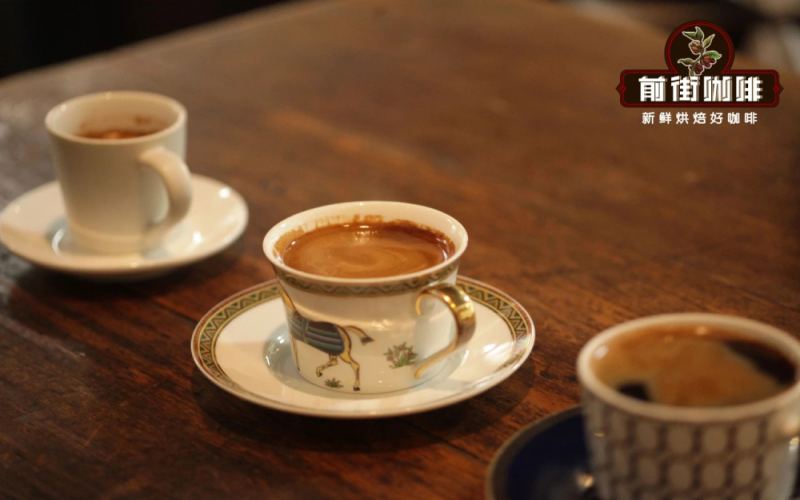
Some friends may know about coffee beans, but not realize that coffee beans are also divided into espresso and single-origin. Actually, it's not hard to understand—the lattes and similar drinks we often have belong to espresso coffee, so the coffee beans used must match accordingly. Not all coffee beans can be used to make espresso. Some people ask Front Street: So what kind of [more…]

The Ratio Range of Espresso to Milk in Latte: Blending Methods for the Classic Italian Combination
As temperatures drop, hot lattes once again become the top choice for coffee lovers. Many people who try making lattes at home often run into the problem of unbalanced flavor—either the coffee is too bitter, or the milk masks the coffee's character. Drawing on Front Street Coffee's hands-on experience, this article systematically shares how to make a rich, well-balanced hot latte, covering the choice of coffee bean roast level, principles for pairing milk, adjustments to espresso extraction, and the optimal ratio range between milk and coffee, helping readers find the latte recipe that best suits their own ingredients. [more…]

How to Choose Everyday Beans for a Home Espresso Machine? An Analysis of Five Front Street Coffee Blend Options and Key Recipe Points
Want to make a delicious latte or Americano at home with an espresso machine? Choosing the right blend is the first step. Espresso beans are not simply mixed together; rather, through the combination of different origins, varieties, and roast levels, they achieve a balance of acidity, bitterness, sweetness, and aroma. Front Street Coffee insists on fresh roasting and offers options that taste even better after two to three days of resting. This article compiles five espresso blend options from Front Street suitable for home coffee machines, covering directions such as balanced, rich in crema, fruity, classic and full-bodied, and high cost-performance, and shares key points to note when blending, including selecting beans, removing defects, understanding characteristics, and roast level, to help you find the daily staple beans that suit you. [more…]
How to Make a Delicious Latte? A Complete Breakdown from Ingredient Selection and Milk-to-Coffee Ratio to Blending Technique
A latte may seem simple, but it is the drink that best tests the skill of pairing coffee beans with milk. Why does a latte taste different at every shop? The key often lies in three areas: the quality of the ingredients, the ratio of coffee to milk, and the operational details of extraction and integration. Drawing on Front Street's practical experience, this article first discusses how to choose an espresso blend and fresh milk suitable for making lattes, then explains the approximate range of the coffee-to-milk ratio, and finally breaks down step by step the key points of espresso extraction, milk frothing, and pouring techniques to help you make a latte with balanced flavor and a velvety mouthfeel. [more…]
A Complete Analysis of Espresso Bean Blending: From Principles to Front Street Coffee's Four Espresso Bean Recipes and Extraction Parameters
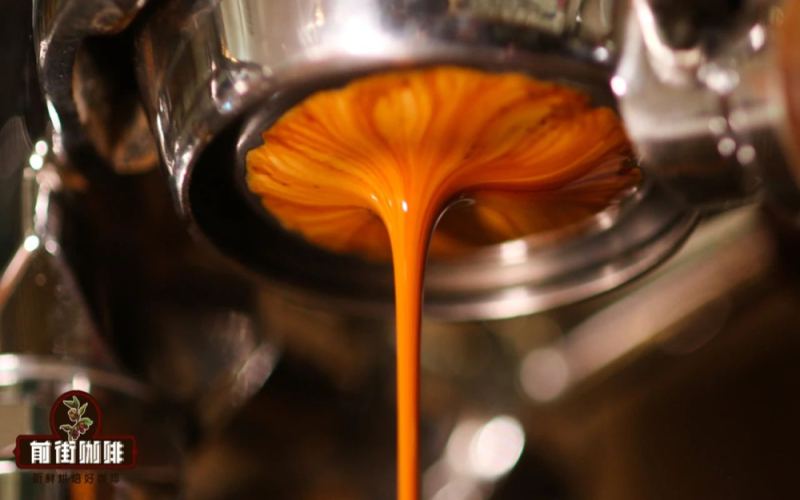
To make a rich, well-balanced espresso at home or in a café, choosing the right blend is the first step. This article begins with the definition and purpose of coffee blending, explains the pros and cons of pre-roast blending and post-roast blending, and lays out the complete process: establishing the target flavor, determining the blend type and ratio, and pre-confirming through cupping. It also details the origin composition, roasting approach, and flavor performance of four Front Street Coffee espresso blends—Specialty Espresso, Commercial Espresso, Basic Espresso, and Sunflower Warm Sun—along with espresso extraction parameters and an iced latte recipe, and finally explains why espresso is served with a spoon. [more…]