







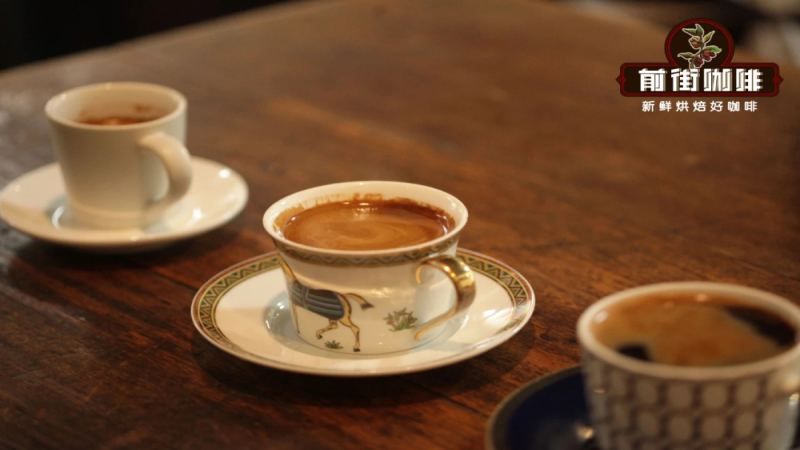
Some of you may know about coffee beans, but not realize that coffee beans are also divided into espresso and single-origin. Actually, it's not hard to understand—the lattes we commonly drink belong to espresso coffee, and the beans used must correspond accordingly. Not allcoffee beans can be used to make espresso. Some people ask Front Street Coffee: What kind of coffee beans can be used to make espresso? How should we understand single-origin coffee beans? Which coffee beans are suitable for making lattes?
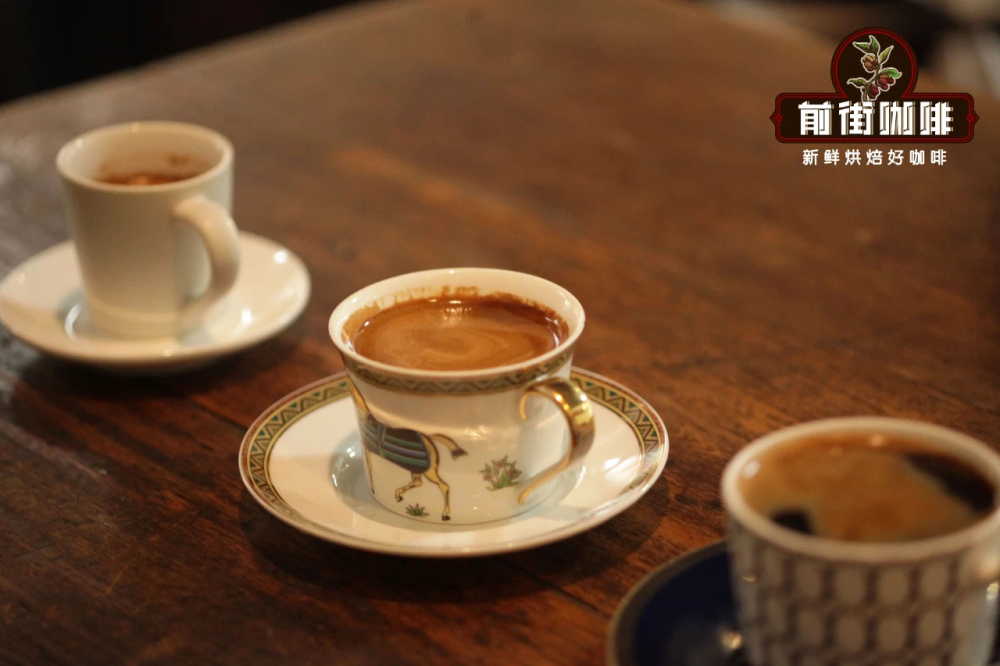
Listen to what Front Street Coffee has to say, and perhaps you'll understand.
So-calledespresso coffee beansrefer to coffee beans used to make espresso. The steam pressure extraction machine was invented by Italians, and the concentrated coffee made by a steam pressure coffee machine is espresso. For example, lattes and cappuccinos are all based on espresso, then combined with milk or sugar and other ingredients. Espresso is made with an espresso machine, so coffee made with espresso as the base is often called espresso coffee. The beans used to make espresso are mostly blends of several coffee beans from different origins in certain proportions, and these coffee beans are also called blended coffee beans. Of course, now there are also single-origin coffee beans used to makeespresso, such as Single Original Espresso, SOE.
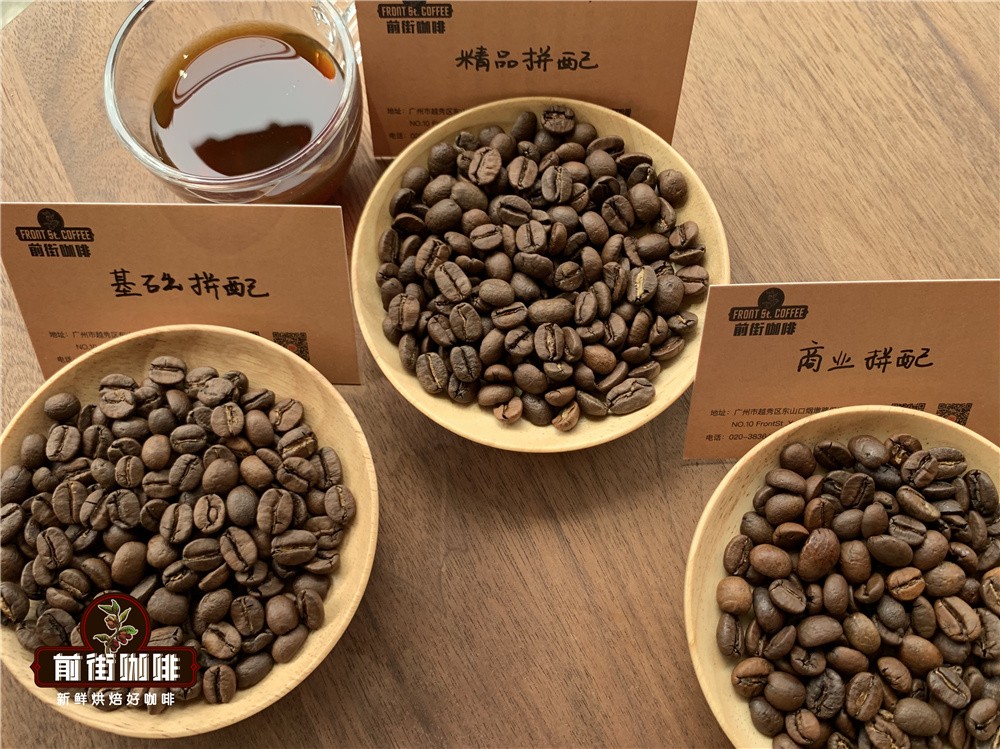
Blended beans generally use medium-dark roasting. For blended beans, sometimes the beans are mixed first and then roasted, which is called raw blending; sometimes the beans are roasted first and then mixed, which is called roasted blending. Whether raw blending or roasted blending, before blending the beans, you must first know the flavors of different coffee varieties and the different characteristics of coffee beans from different origins. Different coffee beans have different personalities due to different varieties and origins, with subtle differences in acidity, bitterness, sweetness, aroma, body, and other flavors. In order to create a better blend, the roaster must not only know the characteristics of the coffee beans thoroughly, but also master superb roasting skills, so producing a good blend is still very difficult.
Since coffee beans are an agricultural product, even the same kind of coffee bean will have different flavors each year. Therefore, Front Street Coffee believes that mixing several coffee beans together solves this problem well, allowing the taste to remain basically consistent each year. At the same time, it also requires large coffee-producing countries so that the demand for coffee beans can be guaranteed.
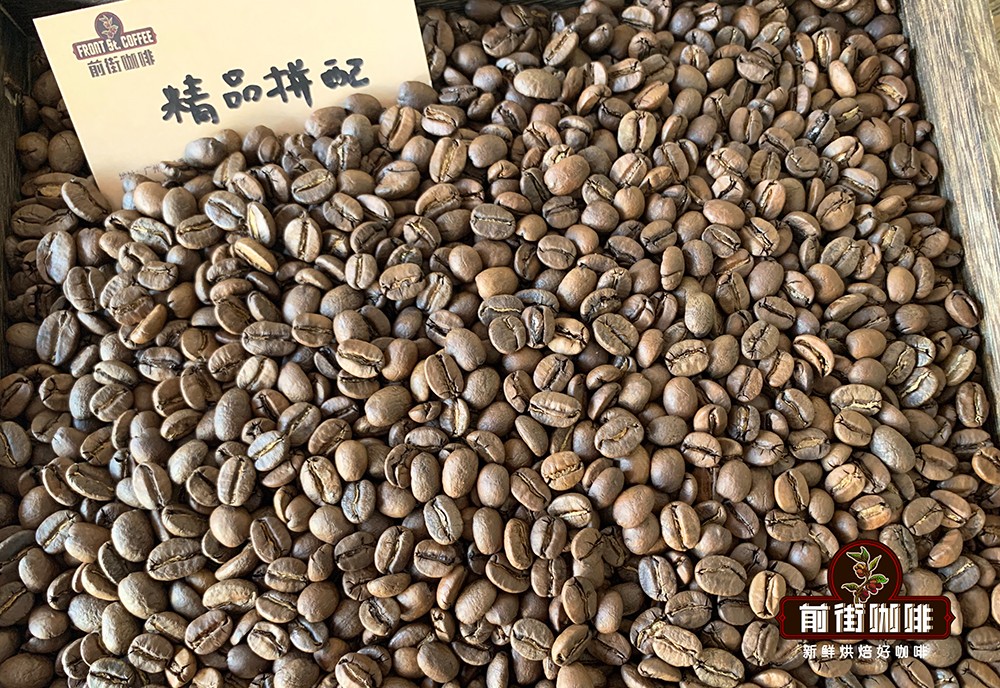
According to the producing country, region, and type of coffee beans, espresso coffee beans can be divided into three types: Arabica + Robusta blends, 100% Arabica blends, and single-origin espresso SOE.
Arabica + Robusta blend: Adding Robusta beans during blending can improve body, enrich crema, and reduce cost. Therefore, this blending method is very common and mainstream.
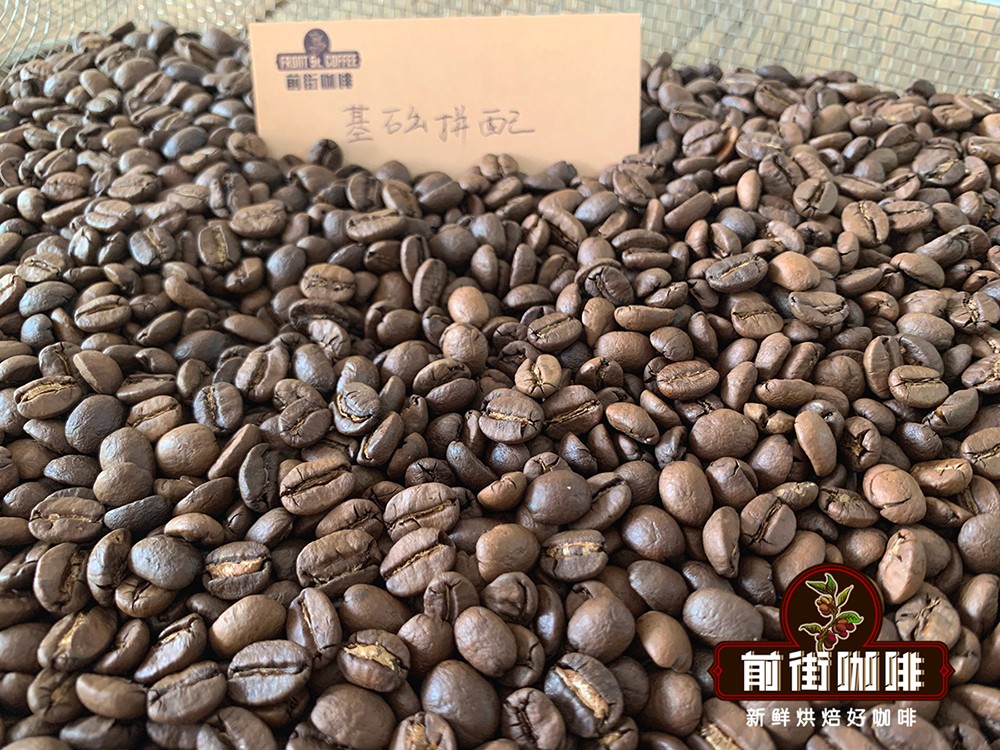
100% Arabica blend: Generally speaking, Arabica is a better variety than Robusta, with a more elegant flavor profile and more complex flavors, so a 100% Arabica blend is theoretically better in flavor and higher in price. However, we cannot simply use bean species to judge the superiority of beans, because there are too many factors affecting coffee beans (producing country, region, processing method, roasting, etc.), so naturally there are also poor Arabica beans and good Robusta beans.
FrontStreet Coffee's blended beans include the following: Front Street Basic Espresso Blend, Front Street Specialty Espresso Blend, Front Street Commercial Espresso Blend, and Front Street Sunflower Warm Sun Espresso Blend.
What are single-origin coffee beans?
Single-origin coffee beans refer to coffee beans from a single origin (Single Origin) or a single variety, similar to grapes used for red wine, coming from a certain estate in a certain region of a certain country. The famous Front Street Blue Mountain Coffee belongs to one type of single-origin coffee.
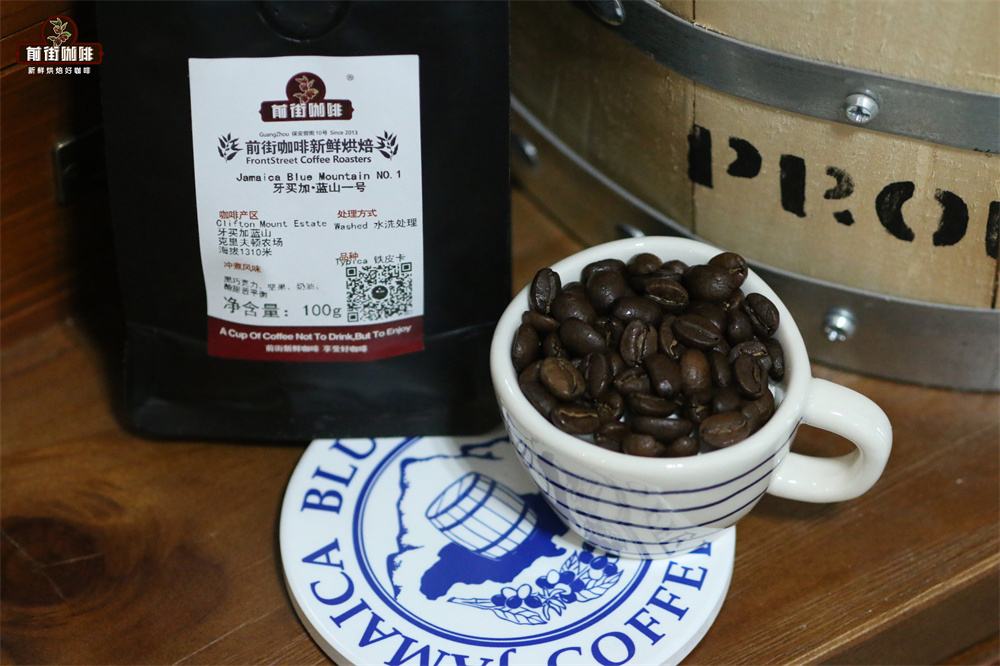
For single-origin coffee, you can choose beans with different roast levels, such as light roast, medium roast, and dark roast, with corresponding aromas, tastes, and mouthfeels all different. You can also choose beans from different countries, such as Africa, South America, Asia, and so on. FrontStreet Coffee uses specialty coffee beans to make single-origin coffee.
With the third wave of specialty coffee, more and more coffee shops are offering single-origin coffee. According to SCAE, the most important aspect of single-origin coffee is traceability, letting coffee lovers know the producing country, region, estate, and bean variety of this type of high-quality coffee. It is precisely because the third wave of coffee emphasizes the pursuit of coffee knowledge such as brewing methods and origin flavors that single-origin coffee has become more widespread. Single-origin coffee beans are generally suitable for pour-over, ice drip, and cold brew. Friends who pursue coffee more and more may seek even more specialty single-origin coffee.
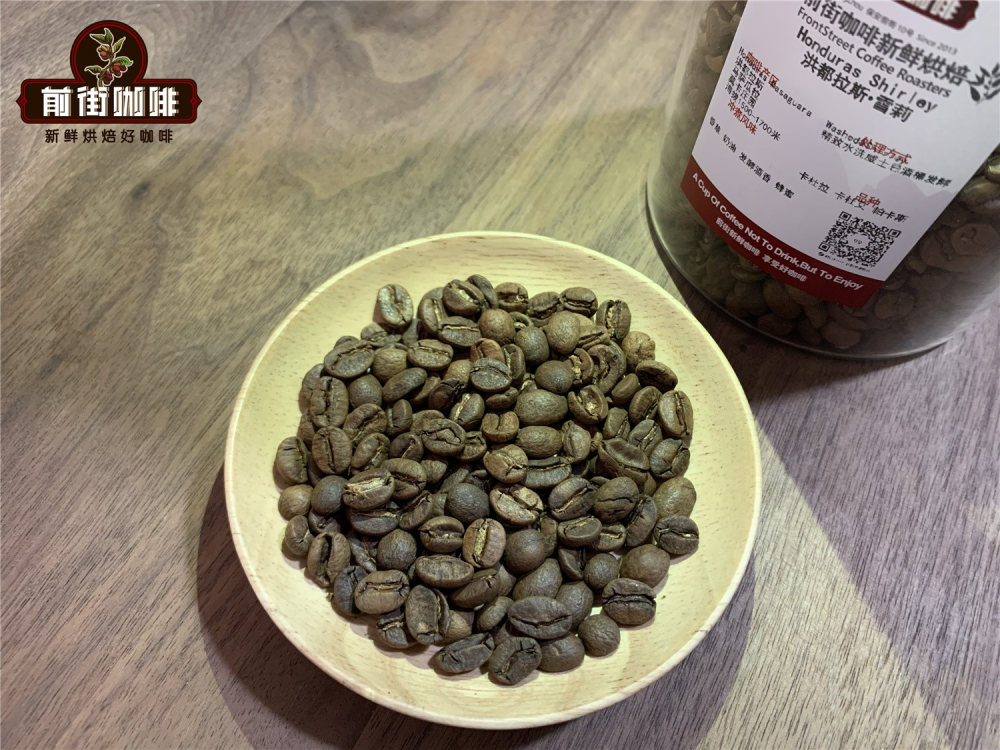
And the recently popularSOEis actually the abbreviation of "Single Origin Espresso," which in Chinese means espresso from a single origin. It means replacing the "blended coffee beans" usually used to make espresso with "single-origin coffee beans," and making a cup of espresso through high-pressure extraction with an espresso machine.
SOEIt can create espresso with unique and typical flavors. For example, the typical citrus flavor of Front Street Yirgacheffe and the fruity flavor of Front Street Kenya, plus espresso amplifies the coffee's taste, so the specific flavor will be more prominent than in pour-over. However, because it comes from a single origin, its shortcomings are also relatively easy to amplify, so SOE made from relatively light-roasted coffee beans will taste less pleasant. For example, if Front Street Yirgacheffe is made into SOE, it will be rather sharply acidic and pungent, and the taste will not be as good. Therefore, SOE is not necessarily better-tasting than blended espresso. And the single-origin coffee beans used for SOE generally need to be roasted a bit darker than those for pour-over.
Let's look at FrontStreet Coffee's Front Street Basic Espresso Blend:
FrontStreet Coffee Espresso Front Street Black Cocoa Blend: The goal is to create a low-cost espresso bean blend with nutty and cocoa flavors.Yunnan AA: Brazil; ratio 3:7, roasted blending;
FrontStreet Coffee Brazil Cerrado region
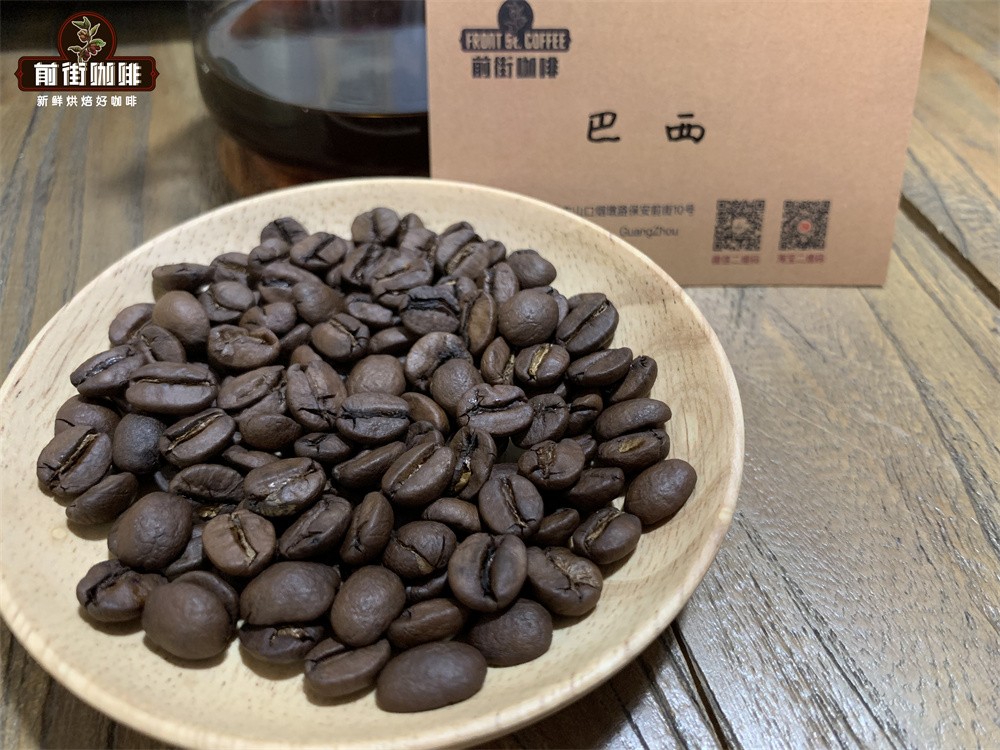
Front Street Brazil CoffeeGenerally grown at an altitude of 1000-1300 meters, so its density is relatively low. Mostly Bourbon variety, using semi-washed processing. With moderate moisture content and relatively soft bean texture, the thickness from the bean surface to the core is relatively thin, so it is not suitable for roasting at too high a temperature. The temperature of the inner wall of the drum will scorch the bean surface, producing a burnt bitter taste. At the same time, if you want to express the characteristics of nuts, milk chocolate, and better body, and use it as a blend base, Front Street's roaster adopts the method of dropping beans at medium heat, maintaining the heat until the dehydration stage, and making fine adjustments as the temperature rises after first crack begins, promoting a fuller caramelization reaction, and discharging the beans when the temperature rises close to second crack. After cupping comparison by Front Street, it is believed that this Front Street Brazil Cerrado coffee has a comfortable sweet-bitter taste and an extremely smooth entry; with a faint grassy aroma, mild fragrance with slight bitterness; sweet and smooth, with a aftertaste that is refreshing.
FrontStreet Coffee'sYunnan AAis [Typica]
Ethiopia's oldest native coffee variety, produced in Ethiopia and southeastern Sudan. All Arabica varieties are derived from Typica. The top leaves are copper-red, so it is called red-top coffee. It has an elegant flavor, but the plant is relatively weak, with poor disease resistance, prone to leaf rust, and low yield. Typica has four slender branches, spreading out, with an inclination angle of 50-70 degrees. The opposite leaves are long oval-shaped, with smooth leaf surfaces, very long terminal branches, and few lateral branches. The flowers are white and bloom at the base where the leaf stalk connects to the branch. Ripe coffee cherries look like cherries and are bright red. When planted, it needs more shade, and can usually only be harvested once every two years. Yunnan's high-quality geographical and climatic conditions provide good conditions for coffee growth. The planting areas include Lincang, Baoshan, Simao, Xishuangbanna, Dehong, and other prefectures. Yunnan's natural conditions are very similar to Colombia's, with high altitude and large temperature differences between day and night. Through cupping, FrontStreet Coffee believes that Yunnan coffee beans have a mellow aroma type, moderate acidity, rich and mellow taste, uniform beans, high oil content, and fruity aroma, with quality and mouthfeel similar to Colombian coffee.
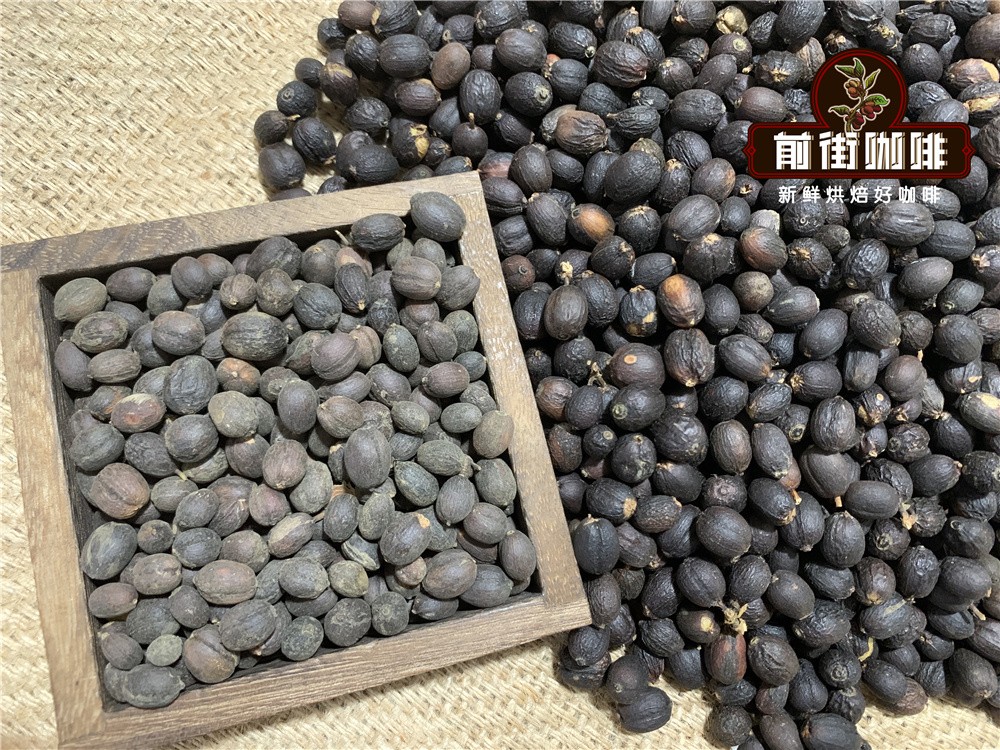
After blending, Front Street adjusts the grind size and extracts, and the resulting espresso has soft fruit acidity, caramel sweetness, nutty and dark chocolate flavors, smooth and viscous, but the taste is on the lighter side. This Front Street Black Cocoa Blend coffee bean is suitable for small coffee shops, bakeries, and beverage shops, and is also suitable for opening shops and home users who prioritize cost and have average flavor requirements.
When blending, there must be a distinction between primary and secondary notes in order to blend a more wonderful taste than single-origin coffee.
Front Street SOE Single-Origin Sherry Espresso
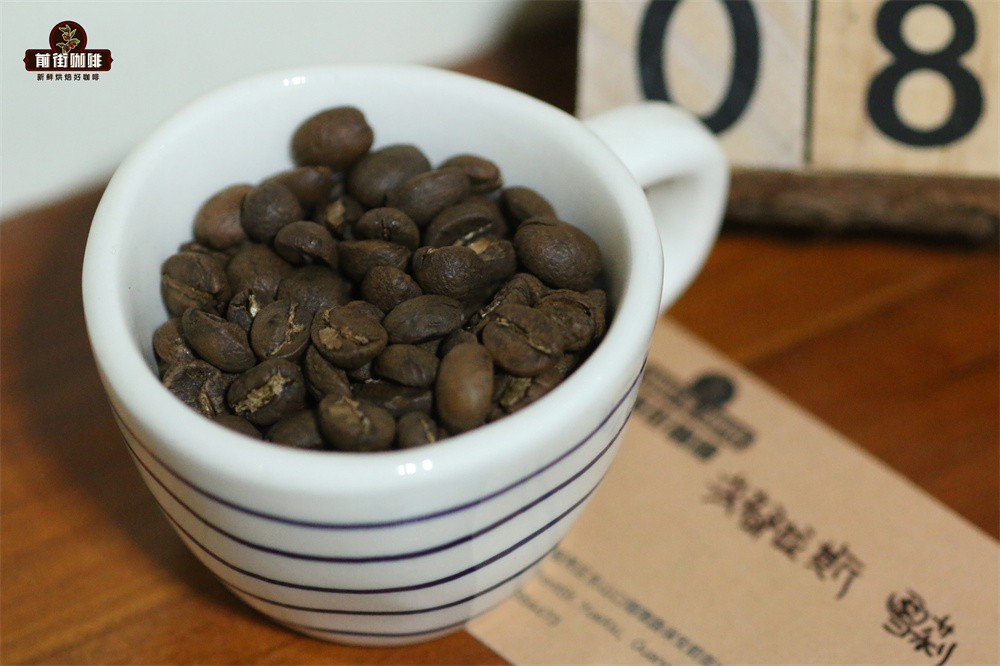
Rich vinous flavor: Front Street recommends usingFront Street Honduras Sherrywine barrel. This coffee from Honduras Moka Estate, at an altitude of 1500-1700 meters, uses refined washed sherry wine barrel fermentation processing, and has a very rich vinous aroma and dark chocolate creamy flavor.
Flavor description: whiskey aroma, soft yet relatively high fruit acidity, smooth mouthfeel, creamy viscosity, cocoa.
FrontStreet Coffee Brewing Suggestions:
When brewing any coffee, if you want the coffee to taste good, Front Street believes that the freshness of the coffee beans is a very important part. Because the freshness of coffee beans allows you to experience the coffee's rich flavors to the greatest extent. The coffee beans shipped by FrontStreet Coffee are all within 5 days of roasting, because Front Street deeply understands that the freshness of coffee beans has a great impact on flavor. Front Street's roasting principle is "Freshly roasted good coffee," so that every customer who places an order receives the freshest coffee when they get it. The resting period for coffee is about 4-7 days, so when customers receive it, it is exactly at its best flavor.
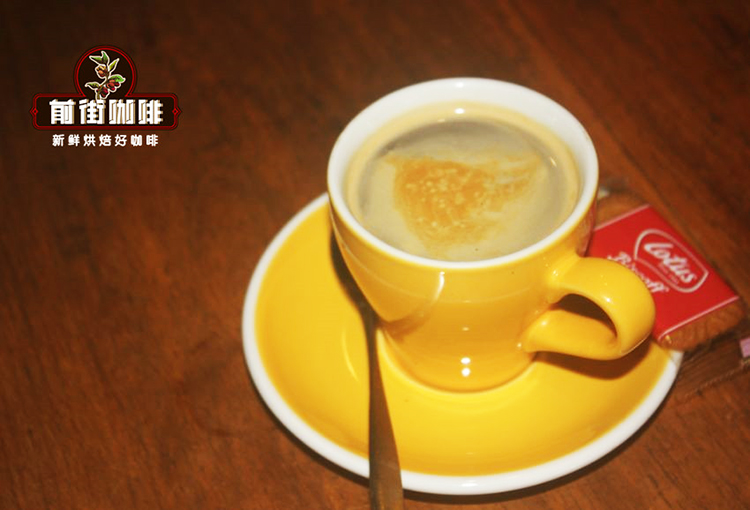
Of course, some customers need Front Street to help grind the coffee, and that is no problem, but Front Street reminds that if coffee beans are ground in advance, they need to be brewed promptly. If they have already been ground into coffee powder, there is no need for further resting, because during transportation, the pressure generated by carbon dioxide inside the package can also make the coffee flavor rounder, so once you receive the coffee powder you can brew and drink it immediately. Because coffee powder oxidizes relatively quickly after contact with air, meaning the coffee's flavor will dissipate relatively quickly, and the coffee's flavor will not be as good. Therefore, Front Street recommends buying whole beans and grinding fresh before brewing, so that you can better taste the coffee's flavor.
Whether it is specialty single-origin coffee or medium-dark roasted blended coffee, Front Street has it. Front Street has coffee from Ethiopia with a fresh and citrusy profile; coffee from PanamaGeisha coffee; coffee from Indonesia with nutty and herbal notes... Welcome to Front Street to discuss coffee together!
For professional coffee knowledge exchange and more coffee bean information, please follow Coffee Workshop (WeChat public account cafe_style)
For more specialty coffee beans, please add the private WeChat FrontStreet Coffee, WeChat ID: qjcoffeex
The above content is compiled by CoffeeHunters, a coffee news website.

