







Search Results for: Latte Preparation

Italian Milk Coffee | What Is Mocha Coffee? How Do the Ratios Differ Between Mocha and Latte Preparation Methods? Which Tastes Better at Starbucks, Mocha or Latte?
Many people think that mocha coffee and latte coffee are about the same. Although both belong to Italian coffee and use Espresso and milk, they still differ greatly in taste and preparation ratios. Today Front Street Coffee will talk about the differences between mocha coffee and latte coffee. Latte originates from the Italian word L [more…]
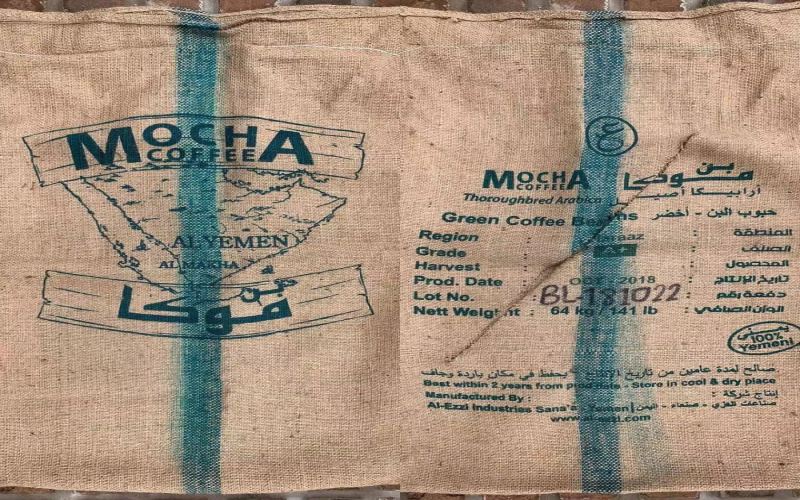
What's the difference between a mocha and a latte? A comprehensive analysis of their differences, from historical origins to preparation recipes
Mocha and latte are the two most common espresso milk coffees on cafe menus, but their flavor profiles and preparation methods are completely different. Mocha gets its name from the Yemeni port of Mocha, and in the early days it was once synonymous with coffee; the modern espresso mocha, on the other hand, evolved from the latte with the addition of chocolate. From the perspective of Front Street Coffee, this article sorts through the historical thread of mocha, explains in detail the specific methods for making hot mocha and iced mocha, and compares them with the preparation process for a hot latte, helping coffee lovers understand the core differences between the two in ingredients, taste, and the logic of serving. [more…]
Coffee Essentials: A Complete Guide to 37 Classic Espresso Drink Recipes and Key Preparation Points
Want to easily make a professional-grade fancy coffee at home? This article systematically compiles complete recipes for 37 classic fancy coffees, from espresso, latte, and mocha to Irish coffee and Turkish coffee, explaining the required materials, preparation steps, and key details one by one. Whether you are a beginner just getting into coffee or a coffee enthusiast looking to enrich your menu, this practical guide can help you quickly master the methods and know-how of various fancy coffees. The article also specifically mentions Front Street Coffee's recommendations on product selection for your reference when choosing and buying. [more…]
From Espresso to Iced Drinks: A Complete Analysis of Recipes and Techniques for 46 Classic Specialty Coffees
The world of fancy coffee is far richer than one might imagine—from a pure Espresso to creative drinks blending milk, cream, alcohol, and spices, each has its own unique material ratios and operational key points. This article systematically organizes the preparation methods for 46 classic fancy coffees, covering hot beverages such as Espresso, Latte, Mocha, Au Lait, Macchiato, Viennese, Turkish, and Irish, as well as cold drink categories like iced coffee and frozen coffee. Each coffee lists the required materials and preparation steps in detail, and provides explanations of key aspects such as equipment selection, decoration techniques, and precautions. Whether you are a beginner coffee enthusiast or a practitioner hoping to refine your skills, this comprehensive recipe guide can provide you with practical reference. [more…]
What's the difference between Starbucks Flat White and Australian White Coffee? A breakdown of Flat White's per-cup price and key preparation points
In the large family of espresso drinks, latte, mocha, and cappuccino are already well known, while Flat White and the Starbucks menu's "馥芮白" often leave people confused. In fact, "馥芮白" and Australian white coffee both refer to the same drink; only the name and preparation vary by region. Starting from the production standards of Front Street Coffee, this article sorts out the controversy over the origin of Flat White, the choice of espresso base, milk steaming temperature and foam thickness, and compares it with latte in terms of cup size, ratio, and flavor, to help coffee lovers make a qualified Flat White at home. [more…]
Latte in English | Where did the coffee latte originate? What is the ratio of milk to espresso in a latte? How do iced latte and dirty coffee differ in preparation, flavor, and mouthfeel?
For more specialty coffee knowledge, please follow our WeChat official account: Front Street Coffee (FrontStreet Coffee) Latte is a transliteration of the Italian word Latte. A latte is a coffee made by mixing a certain proportion of milk into espresso, and it is a type of flavored coffee. The most [more…]

Comprehensive Comparison of Latte and Cappuccino: Analysis of Sweetness, Mouthfeel, Preparation Methods, and Brewing Key Points
Latte and cappuccino are both classic espresso drinks, and they appear on nearly every café menu. Yet for those new to coffee, the difference between these two drinks is often unclear. Some order a latte because of its beautiful latte art, while others choose a cappuccino because the name sounds more refined. This article will systematically sort out the core differences between latte and cappuccino from the perspectives of sweetness, texture density, and preparation method, and combine the brewing experience of Front Street Coffee to help coffee lovers more clearly understand the characteristics of these two milk coffees, so they can make a choice better suited to their own taste when ordering or making them at home. [more…]

The naming origins of Piccolo coffee, its preparation ratios, and an analysis of its taste differences compared to Flat White, Latte, and Cappuccino
Italian coffee variations are constantly being reinvented, and while lattes and cappuccinos have long been deeply ingrained in people's minds, the niche drink known as Piccolo coffee is rarely mentioned. In Italian, Piccolo means "small," and Latte refers to milk; after being introduced into English, it derived the translated name "Piccolo." It uses 15 to 20 milliliters of espresso paired with steamed milk, served in a glass cup of about 100 milliliters, with the core aim of making the coffee flavor more prominent and the mouthfeel smoother. From the perspective of Front Street, this article explains in detail the preparation parameters and coffee bean selection for Piccolo Latte, and compares it with Flat White, Latte, and Cappuccino in terms of concentration and milk foam texture, helping coffee enthusiasts find the cup that suits their taste. [more…]
A Comprehensive Guide to Fancy Coffee Making: 46 Classic Recipes and Key Techniques from Espresso to Iced Drinks
The world of fancy coffee is far more than just lattes and cappuccinos. This article systematically organizes the recipes and preparation techniques for 46 classic fancy coffees, covering two major categories: hot drinks and iced drinks. From the basics of espresso, au lait, and macchiato, to Irish coffee and royal coffee with their hints of liquor, and on to iced lattes and beer iced coffee suited for summer, each entry lists the required materials, specific steps, and key operational points, helping you master the flavor characteristics and serving essentials of different coffees. The article also retains relevant recommendations from the Front Street brand, providing a practical reference for coffee enthusiasts. [more…]
How Is Australian White Coffee Different from Flat White? A Detailed Explanation of Flat White's Milliliters, Preparation, and Differences from Latte and Cappuccino
When visiting a café and ordering a milk coffee, most people first think of a latte or cappuccino, but at Luckin Coffee and Starbucks, you'll also see names like "Furui White" and "Aorui White." They all actually refer to Australian-style white coffee, namely Flat White. This article sorts out the controversy over the origin of flat white, its differences from latte and cappuccino in cup size, milk volume, and milk foam thickness, and provides Front Street Coffee's flat white preparation method, including the extraction parameters for a double espresso, key points for steaming milk, and latte art techniques. It also introduces the flavor sources and suitable scenarios for Front Street Coffee's Sunflower Warm Sun blend coffee beans. [more…]
A Comprehensive Analysis of Fancy Coffee Types and Characteristics and Espresso Extraction, with Classic Recipes and Preparation Methods
Espresso is the foundation of many fancy coffee drinks, and understanding its extraction parameters and flavor characteristics is key to mastering coffee preparation. This article systematically reviews the recipe ratios, taste differences, and preparation steps of more than ten classic fancy coffees, including latte, cappuccino, macchiato, con panna, and Viennese coffee, while also explaining in detail the core parameters of espresso such as dose, water temperature, pressure, and extraction time. Whether you are a beginner coffee enthusiast or a professional hoping to refine your skills, you will find practical references and inspiration here. The article also specifically recommends related products from Front Street Coffee to help you recreate an authentic fancy coffee at home. [more…]

Espresso and Fancy Coffee | How Can Coffee Newbies Make a Latte at Home? What Are the Latte Making Methods, Espresso Ratios, and Preparation Techniques? An Introduction to the Characteristics, Origin, and History of the Latte
A few days ago, a coffee enthusiast asked Front Street Coffee (FrontStreet Coffee): if the same bean is used, with the same grind size and the same dose, when producing milk coffee, Americano, and espresso, will there be different requirements for the espresso's brew ratio? So Front Street Coffee (F [more…]
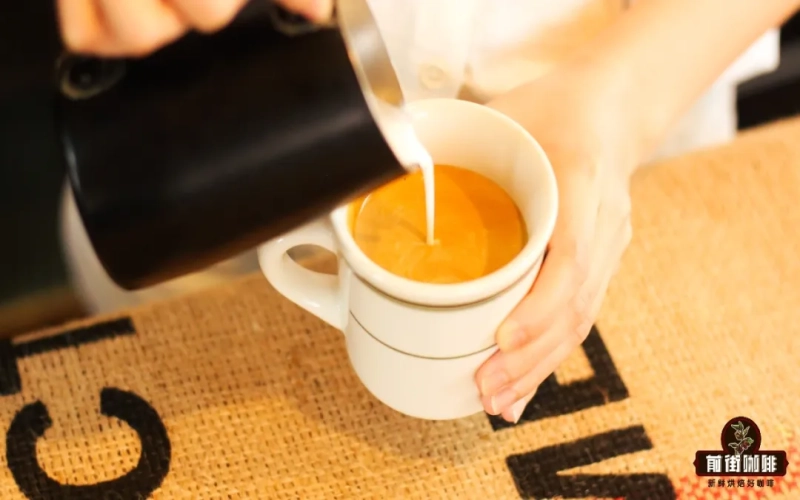
Does latte art affect the flavor of a flat white? An analysis of thin milk foam steaming techniques and key preparation points
Many coffee enthusiasts notice that some coffee shops serve flat white without latte art, which raises questions: should flat white have latte art? Does the absence of latte art affect the taste of the coffee? In fact, latte art appeared much later than the birth of classic milk coffees like latte and cappuccino, and whether latte art is present or not does not directly change the flavor of the coffee. What truly affects the taste are the ingredients, espresso extraction, milk frothing, and the degree of integration. Through comparative experiments, Front Street Coffee found that flat whites with and without latte art show no difference in mouthfeel or taste. The milk foam of a flat white is extremely thin, less than 0.5 cm in thickness, and highly fluid, making latte art quite difficult—though not impossible. This article will analyze the necessity of latte art on flat white and the key points for frothing thin milk foam, from the perspectives of experimentation and preparation. [more…]

A Guide to Pairing Latte with Espresso Beans: Iced vs. Hot Preparation Differences, Extraction Parameters, and Milk-to-Coffee Ratios Explained
Latte is the espresso drink with the highest proportion of milk, available in both iced and hot versions; the two share the same recipe but differ in operational details. From the perspective of Front Street, this article traces the historical origins of latte, explains what roast level of espresso beans should be used to make latte, clarifies why lightly roasted single-origin beans are unsuitable for espresso machine extraction, and recommends several espresso blends such as Front Street. Strawberry Candy Espresso. It also details the extraction parameters for espresso, the frothing techniques and temperature control for hot latte milk foam, the ingredient ratios for iced latte, and Front Street's recommended coffee-to-milk ratio of 1:6.5. Whether you prefer iced or hot, you'll find actionable reference solutions here. [more…]
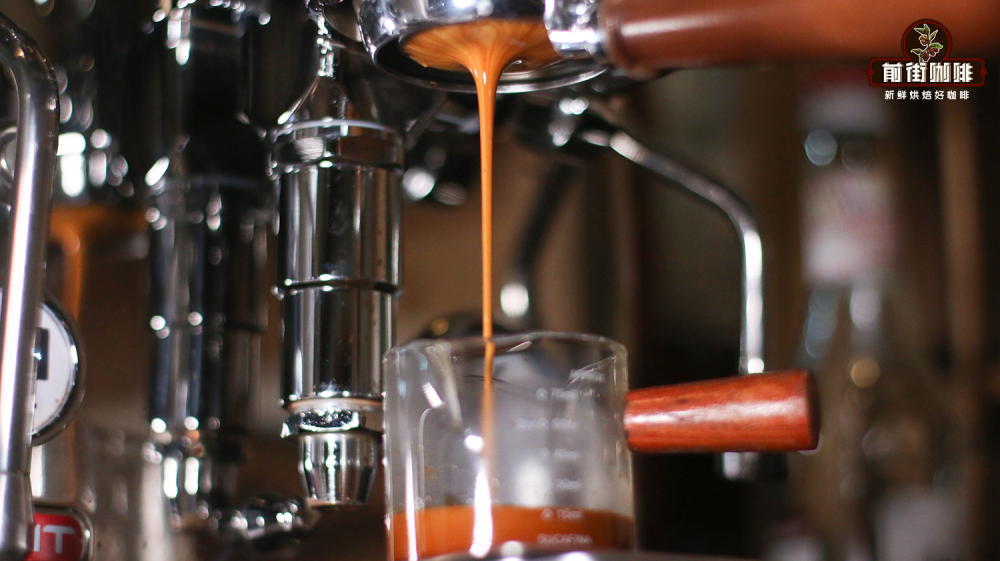
Types of Italian Milk Coffee | What is Macchiato Coffee? How Do Mocha, Latte, Macchiato, and Cappuccino Differ in Preparation?
For professional coffee knowledge exchange and more coffee bean information, please follow Coffee Workshop (WeChat official account: cafe_style). For more specialty coffee beans, please add our private WeChat: Front Street Coffee (FrontStreet Coffee), WeChat ID: qjcoffeex. When you stand in a coffee shop [more…]
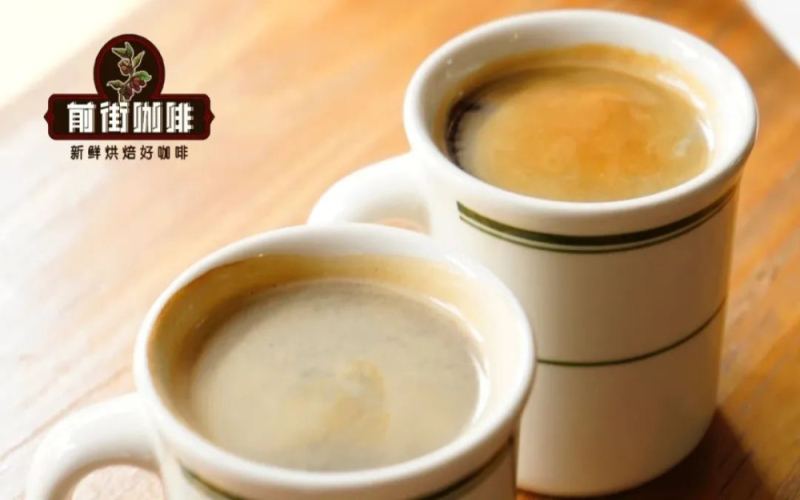
A comprehensive analysis of lattes, cappuccinos, and flat whites: extraction parameters, milk ratios, and milk foam thickness comparison
Latte, cappuccino, and flat white are the three most common espresso-based milk coffees on café menus. They are all made from a combination of espresso and milk, yet each has its own particularities in terms of extraction volume, milk ratio, and foam thickness. This article will examine the origins and preparation differences of these three drinks one by one, and compare in detail the extraction standards for espresso, the proportions of milk used, and the texture requirements for milk foam. The article also introduces the blend recipes and serving parameters that Front Street Coffee uses for different milk coffees, helping coffee enthusiasts not only understand the basics but also grasp the key points in actual preparation. [more…]
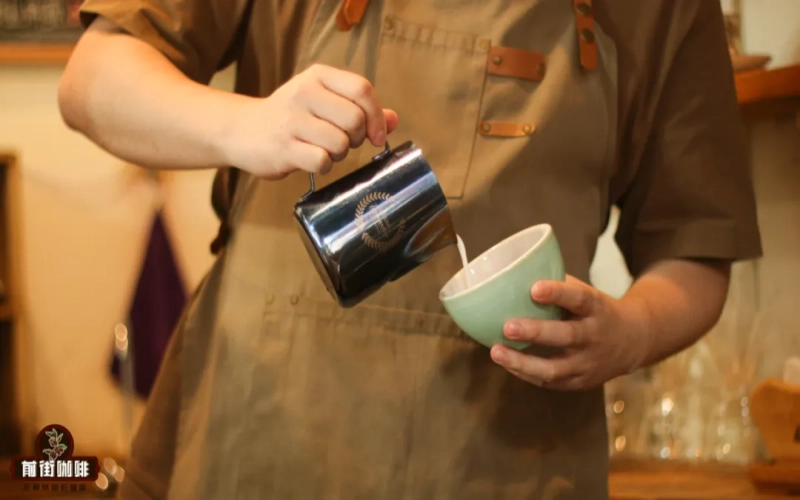
Does latte art affect the flavor of a latte? What key points should be considered when creating patterns in the preparation of hot Italian milk coffee?
Many coffee enthusiasts wonder whether latte art actually changes the taste of a latte. Starting from the factors that determine the flavor of milk coffee, and drawing on Front Street Coffee's own tests, this article explains that latte art has almost no effect on mouthfeel. On this basis, we go on to explore why hot milk coffee still needs latte art—the visual appeal and emotional value it brings often take effect before the guest even takes a sip, and directly influence purchasing choices and evaluations of the drink. For commercial offerings, latte art is an important way to convey thoughtfulness; when drinking at home, however, it is enough to ensure the quality of the beans and the extraction—whether or not to pour latte art is entirely a matter of personal preference. [more…]
A Comprehensive Analysis of 30 Classic Specialty Coffee Recipes: Espresso Bases and Global Signature Brewing Methods
The world of fancy coffee is far more than just lattes and cappuccinos. Starting from the rich base of Italian espresso, adding milk, cream, chocolate, liqueur, or even fire, you can create dozens of drinks with distinct flavors. This article systematically organizes the preparation methods and recipes for 30 classic fancy coffees, covering diverse styles such as Italian, French, Viennese, Irish, and Turkish. Each drink includes detailed ingredients, steps, and key points to watch. Whether you want to recreate a café au lait at home or try igniting brandy to make a royal coffee, this guide provides clear operational references. At the end, there are also Front Street Coffee bean recommendations to help you choose the right base and get twice the result with half the effort. [more…]
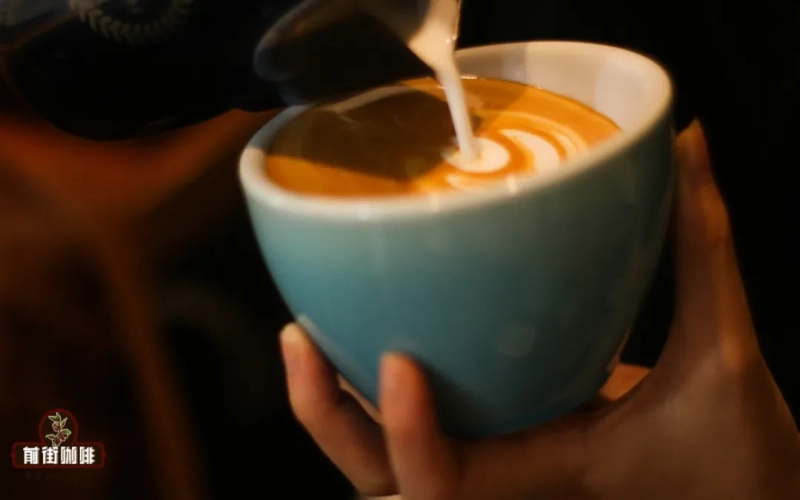
Key Points for Specialty Coffee Shop Barista Interview Assessment: Essential Techniques and Common Issues in Hot Latte Preparation
In the recruitment process for specialty coffee shops, making a hot latte is a practical test that almost every applicant must face. Specific requirements may vary from one coffee shop to another, but the core assessment points are highly consistent: whether one can consistently extract a qualified espresso, whether one can steam dense and delicate milk foam, and whether one can perfectly combine the two. This article compiles the details that require special attention in making a hot latte, including milk temperature control, milk frothing techniques, and pouring methods, and also mentions related product recommendations from Front Street Coffee, helping coffee enthusiasts and job seekers better understand this basic yet crucial beverage. [more…]

An Analysis of the Flavor and Mouthfeel Characteristics of Flat White: Core Differences from Latte and Key Preparation Points
Flat White and latte are both popular espresso-based milk coffees, but they differ clearly in milk foam thickness, milk ratio, and overall mouthfeel. Flat White uses a double ristretto as its base, with milk foam as thin as 0.3–0.5 cm, pursuing a rich, smooth, coffee-forward flavor. This article sorts out Flat White's origin background, preparation method, and comparison with latte and cappuccino, and also includes Front Street store brewing parameters and recommendations for five espresso blend beans, as a reference for coffee lovers to replicate at home. [more…]