







What Does Piccolo Coffee Mean in a Cafe?
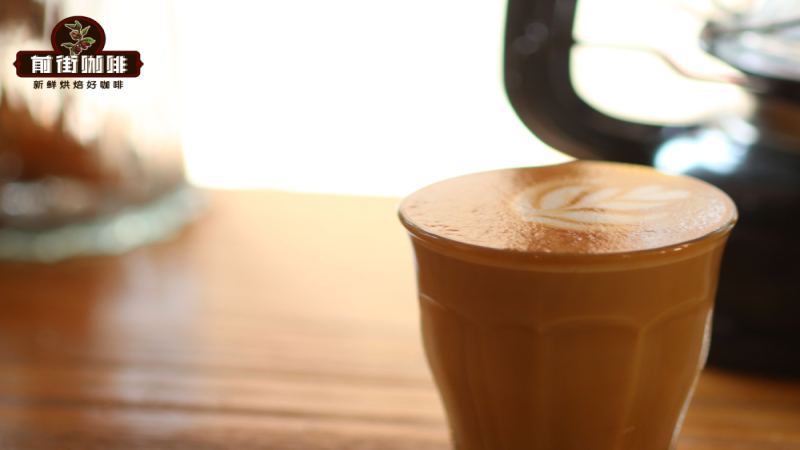
Piccolo comes from the Italian word for small, and in coffee it means a small latte: roughly 15 to 20 milliliters of espresso topped with steamed milk in a glass of about 100 milliliters. The point is to let the coffee flavor lead while the milk keeps the mouthfeel smooth, which sets it apart from a standard latte.
A piccolo is essentially a scaled-down latte, so both the coffee and milk amounts shrink. The everyday ratio is one part ristretto espresso to four parts milk, which keeps concentration high. Compared with a flat white, latte or cappuccino, the piccolo uses less milk and a thinner foam layer, so the espresso's sweetness and acidity stay more visible in the cup.
Espresso variations keep evolving, and while lattes and cappuccinos have long been household names, the niche piccolo coffee is rarely mentioned. In Italian, "Piccolo" means "small," and "Latte" means milk; after entering English, it derived the translation "piccolo." It uses 15 to 20 milliliters of espresso paired with steamed milk, served in a glass of about 100 milliliters, with the core aim of making the coffee flavor more prominent and the mouthfeel smoother. This article, from Front Street's perspective, will explain in detail the preparation parameters and coffee bean selection for piccolo lattes, and compare it with flat whites, lattes, and cappuccinos in terms of concentration and milk foam texture, helping coffee enthusiasts find the cup that suits their taste.
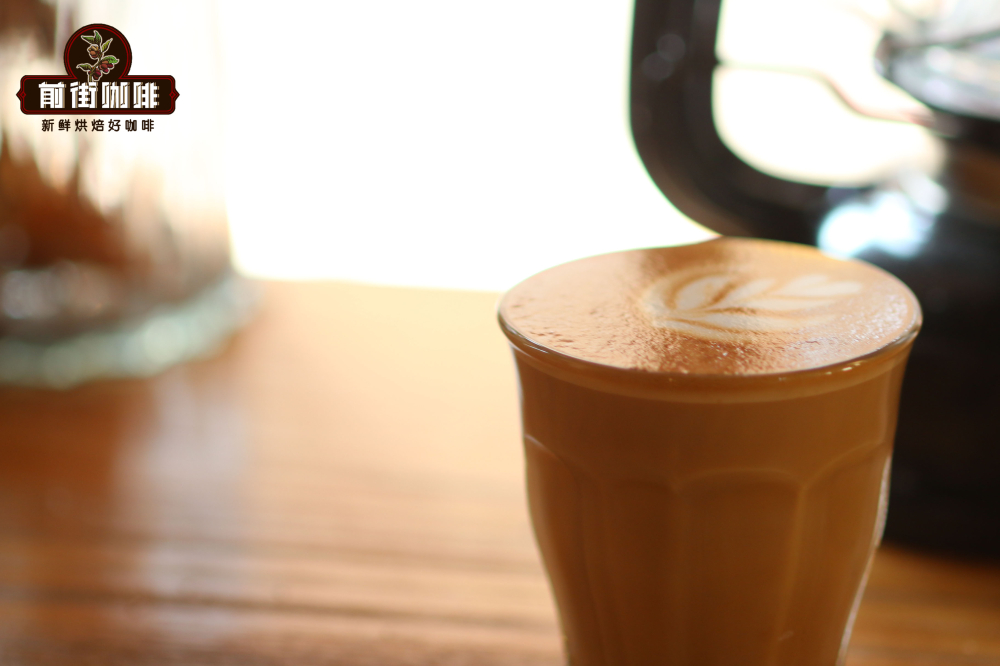
Today, espresso is popular everywhere, and various fancy coffee drinks keep emerging. On Front Street Coffee's espresso menu, lattes and cappuccinos have always been popular choices, but today Front Street wants to talk about a relatively obscure espresso drink—piccolo coffee, also known as piccolo latte.
Not many people may have heard of this coffee. In "piccolo latte," the Italian word "piccolo" means small, and "latte" means milk. Additionally, "piccolo" in English also carries the meaning of "piccolo," and thus the name piccolo latte came about. The traditional way to make piccolo coffee is to take 15 to 20 milliliters of espresso, then add steamed milk. Nowadays, most people habitually enjoy it in a dedicated 100-milliliter glass. The greatest feature of this coffee is that it better presents the flavor of the coffee itself, and the smoothness on the palate is also superior.
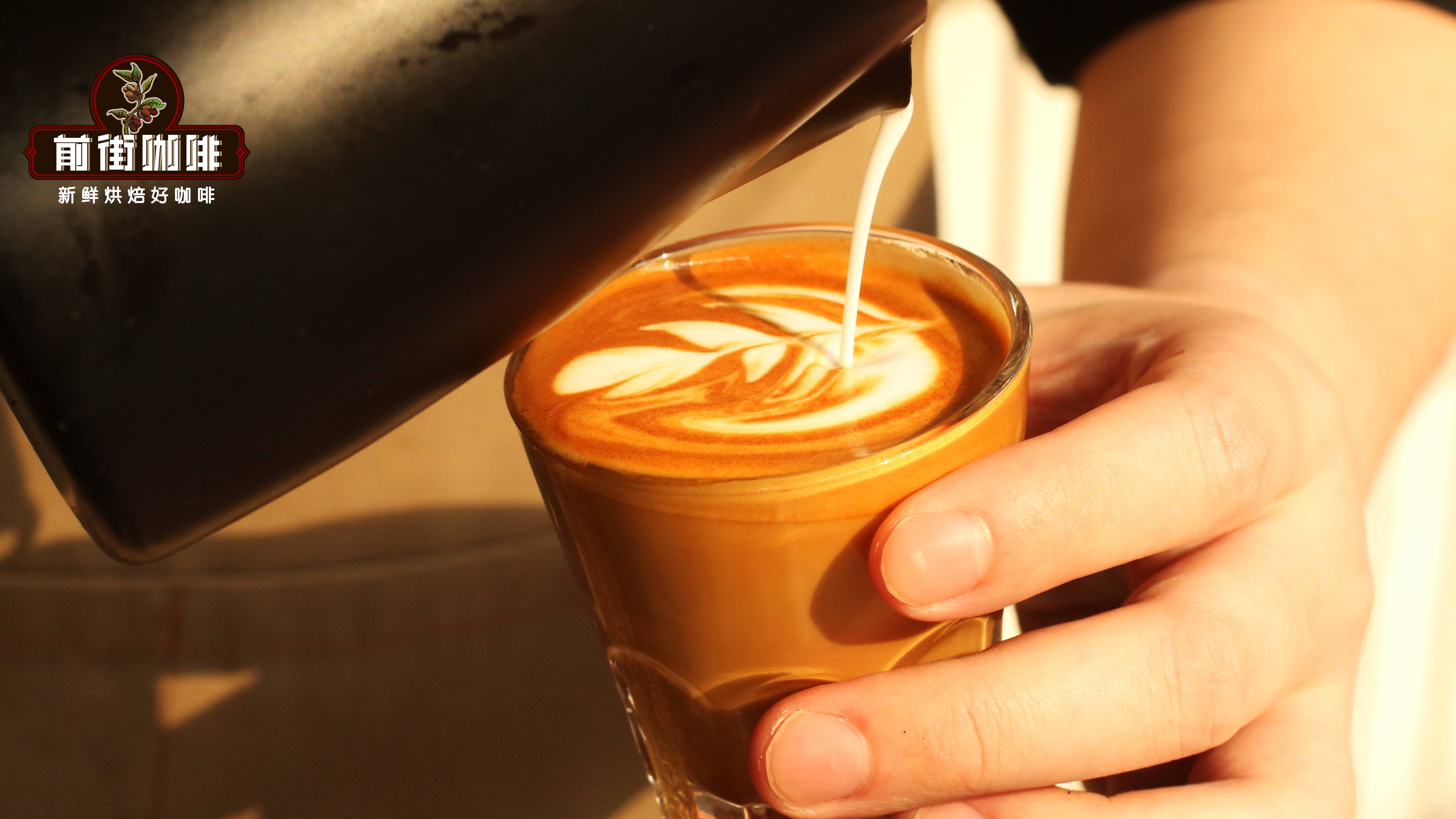
How do you make a simple piccolo coffee? Front Street will also give a brief explanation here. A piccolo latte can be understood as a缩小版 of a latte—smaller cup size, less volume, and both coffee and milk quantities are more streamlined than common espresso drinks. You need to extract 15 to 20 grams of ristretto espresso, then add milk at a fourfold ratio.
Since Front Street Coffee has not launched a piccolo latte, and there is no dedicated 100-milliliter glass on hand, today's demonstration uses a 150-milliliter cup, extracting 30 grams of ristretto espresso and pairing it with 120 grams of milk, maintaining a coffee-to-milk ratio of 1:4.
To make a piccolo latte, Front Street Classic Blend is the top choice. This bean is a tribute to the once-popular "Mamba Coffee," combining Indonesian Mandheling beans with Brazilian espresso beans. It has both the wild aroma of Mandheling and the smooth mouthfeel of Brazilian beans, with the flavors complementing and harmonizing with each other. Front Street Classic Espresso Blend adds robusta to the Mamba recipe, significantly enhancing the coffee's crema performance, making the body of the espresso more substantial. It is very suitable for home preparation and also convenient for latte art.
If you want to try a piccolo coffee with a more unique flavor, you can choose SOE coffee beans. Medium-dark roasted beans from South American and Asian origins are both good. Recommendations include Front Street Queen's Manor - Brazil, Front Street Colombia Washed, and Front Street PWN Golden Mandheling.
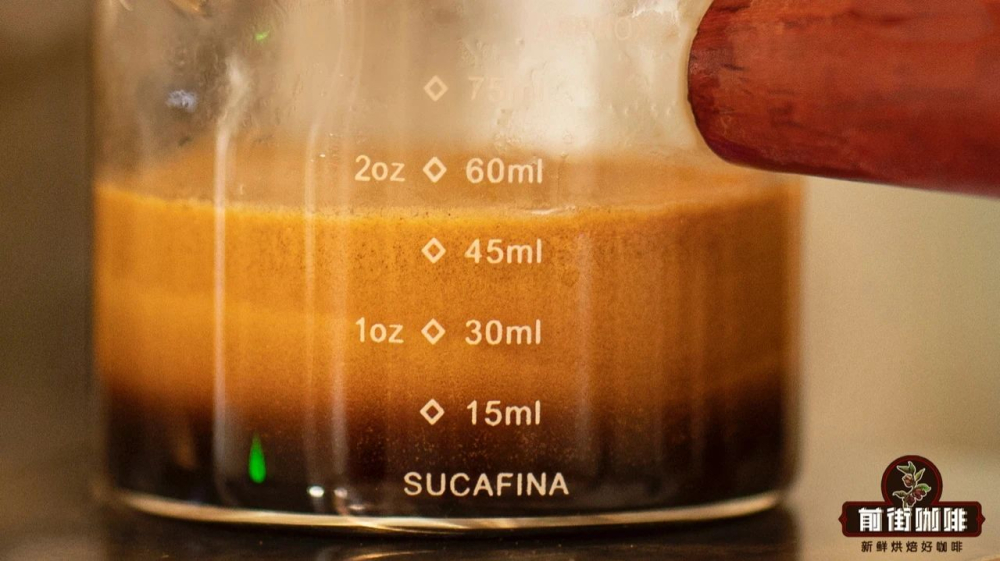
When Front Street extracts espresso, the dose is 18 grams, the extraction time is 27 seconds, yielding a total of 30 grams of coffee liquid.
The parameters of an espresso machine greatly affect the final product, so everyone can adjust flexibly according to their own equipment. So how does the resulting piccolo coffee taste? Because the piccolo latte has a 1:4 coffee-to-milk ratio, the presence of the espresso is quite distinct, better highlighting the rum chocolate notes of the Warm Sun Blend. It tastes stronger than a latte, yet not as overwhelming as straight espresso. The milk foam texture is as smooth as a latte—neither as thin as a flat white nor as thick and fluffy as a cappuccino. The entire cup has a mouthfeel almost like a milkshake, with clear creamy chocolate notes, high richness, moderate sweetness, and a finish of just the right length.
Previously, a friend asked what the difference is between a flat white and a piccolo coffee. Front Street will briefly talk about flat whites here as well. A flat white is a drink that emphasizes coffee flavor; a latte is a coffee drink with a large amount of milk added; a cappuccino is characterized by thicker milk foam. A flat white has a stronger coffee flavor, less milk, and thinner milk foam. Its preparation is not uniform either: for the espresso base, New Zealanders prefer to use a double ristretto for flat whites, while Australian baristas are accustomed to using a single espresso.
Front Street feels that a flat white is more like a cup of coffee with milk; a latte is like a cup of milk with coffee flavor; and a cappuccino is a milk-foam coffee with thick, fluffy foam. A flat white better showcases the quality of the coffee beans than a latte, and is more suitable for presenting the flavor of the coffee origin itself. This aligns with the currently popular SOE (single origin espresso) trend and follows the third wave coffee movement's emphasis on origin traceability.
Front Street believes that to make a cup of piccolo coffee, the most critical thing is choosing the espresso as the base, because a quality espresso plays a decisive role in the entire espresso drink. Espresso beans are usually blends of multiple beans, so Front Street thinks that choosing the right blend beans is especially important.
Blend beans can leverage the strengths of different beans to compensate for weaknesses. With a proper blend, the flavors will integrate the advantages of each bean, extracting a coffee liquid with excellent balance, rich crema, and intense aroma; an improper blend will amplify the beans' shortcomings, especially light-roasted beans, which will bring strong aromas and sharp acidity and sweetness. Front Street has found that many coffee shops like to use Yirgacheffe in blends; the extracted floral notes are very prominent, and the taste is on the acidic side, making it very suitable for enthusiasts who prefer acidic profiles.
Perhaps some customers don't understand why coffee beans are blended together—isn't that just random? Actually, that's not the case. In Front Street's view, every bean has its pros and cons: if a certain bean extracted with an espresso machine produces coffee liquid with insufficient crema, you can add a bean rich in crema to compensate; if a certain bean's espresso is too sour, too bitter, or too sweet, you can also find complementary beans for blending, thereby achieving the ideal flavor—isn't that wonderful? An excellent blend bean makes it easier to create a perfect cup of piccolo coffee.
The above content is compiled by CoffeeHunters, a coffee news website.


